

Over time, many practical skills that were once part of everyday life have faded from common knowledge. You might find it interesting how much your ancestors could do without modern tools or technology.
Understanding these lost skills can help you become more self-reliant and connected to the natural world. This article will explore some of those valuable abilities that have become less common but are still useful today.
Starting a fire with flint and steel
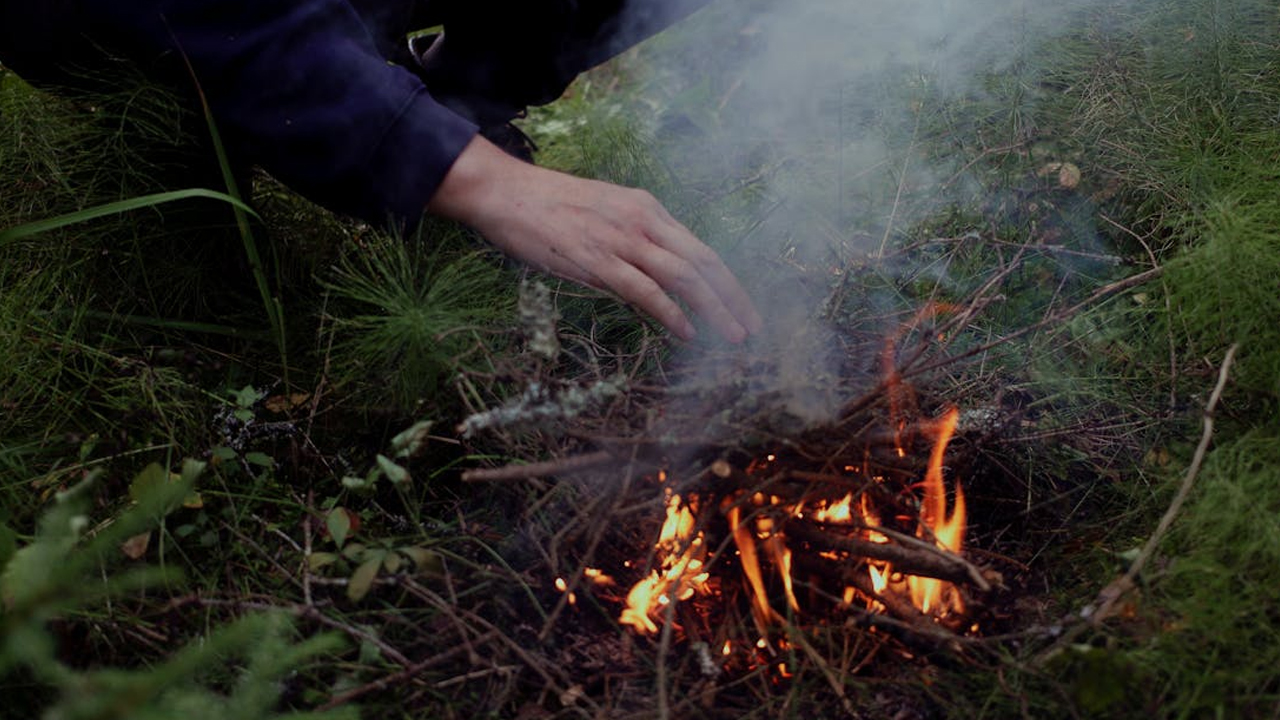
To start a fire with flint and steel, you need dry tinder. This could be fine dry grass, bark, or small wood shavings. The tinder catches the sparks you create by striking the steel against the flint.
Hold the tinder loosely in one hand. With the other, strike the steel firmly against the flint. Aim for small sparks to land on the tinder.
Once the tinder smolders, gently blow on it to help grow the flame. Then add kindling carefully to build your fire.
Identifying edible wild plants
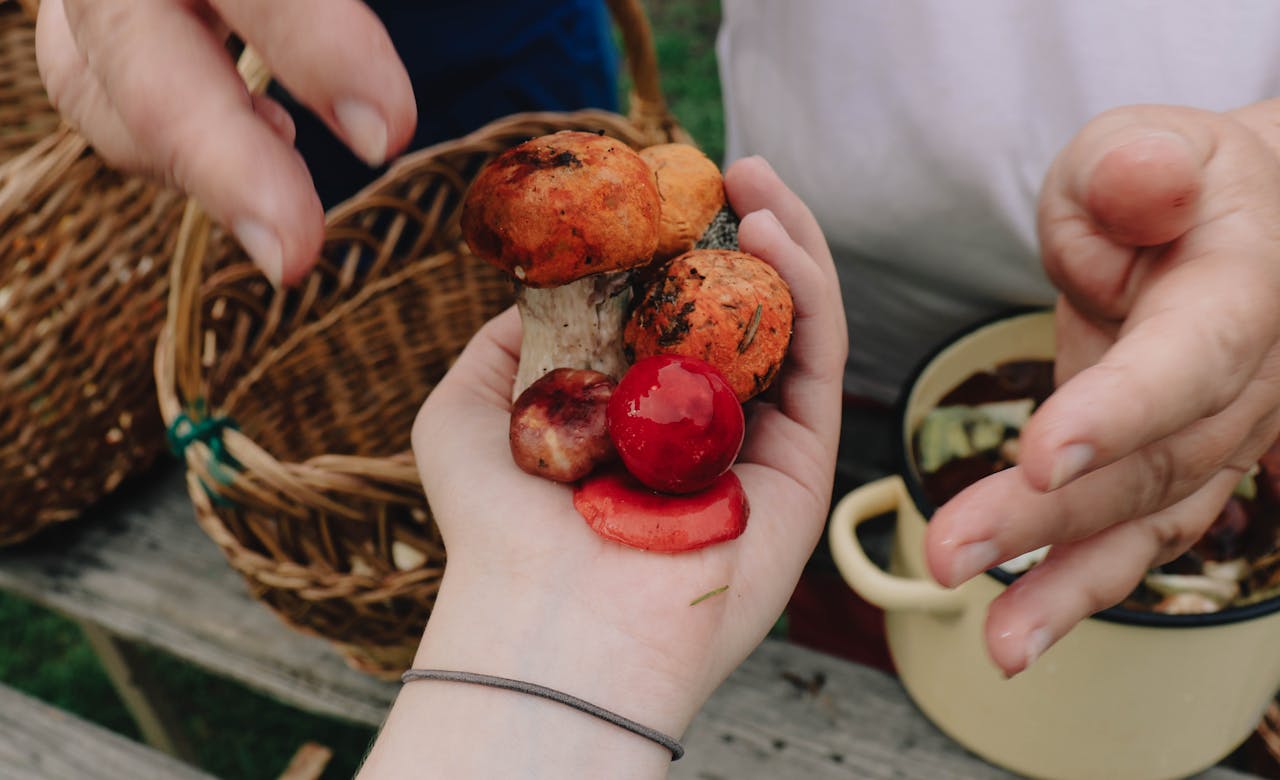
You can start by learning to recognize common edible plants like dandelions, clover, and blackberries. These are often easy to spot and safe to eat.
It’s important to remember that only about 5-10% of wild plants are edible. Take time to study their features carefully before consuming anything.
Using a reliable guide or manual with pictures can help you avoid dangerous look-alikes. Always test small amounts first to see how your body reacts.
Purifying water with natural methods

You can filter water using simple materials like sand, rocks, and cloth to remove debris. Let the water settle so particles sink to the bottom.
Sunlight can help disinfect water. Placing clear water in a plastic bottle under direct sun for several hours uses UV rays to reduce germs.
Boiling is one of the safest ways to kill bacteria and parasites. If you have the means, heating water until it boils ensures it’s safer to drink.
Tracking animal footprints
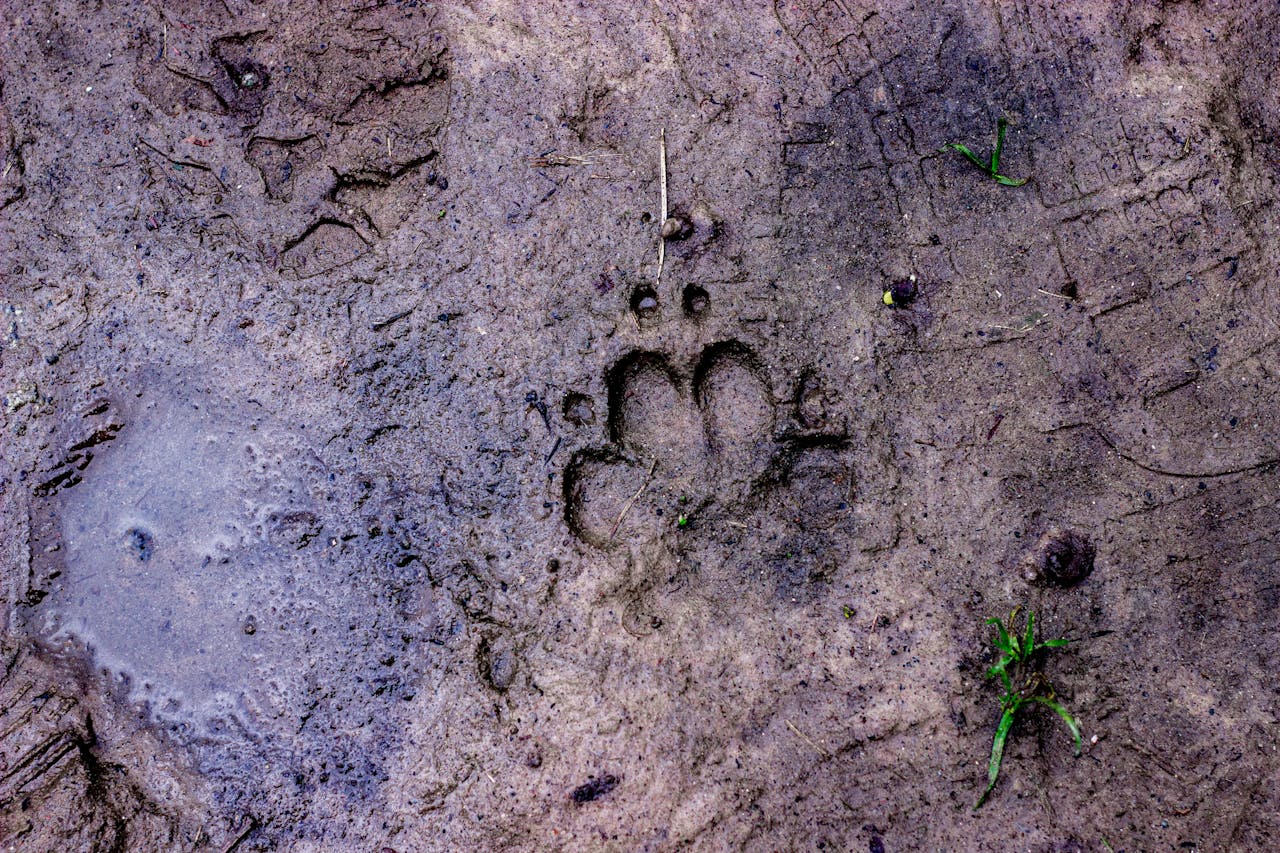
Tracking animal footprints helps you learn about the creatures around you. You can identify different animals by the shape, size, and pattern of their tracks.
By studying footprints, you discover where animals have been and how they move. It’s like reading a story in the dirt.
With practice, you’ll notice details like claw marks or stride length. These clues make it easier to tell which animal passed by.
Building a shelter from natural materials
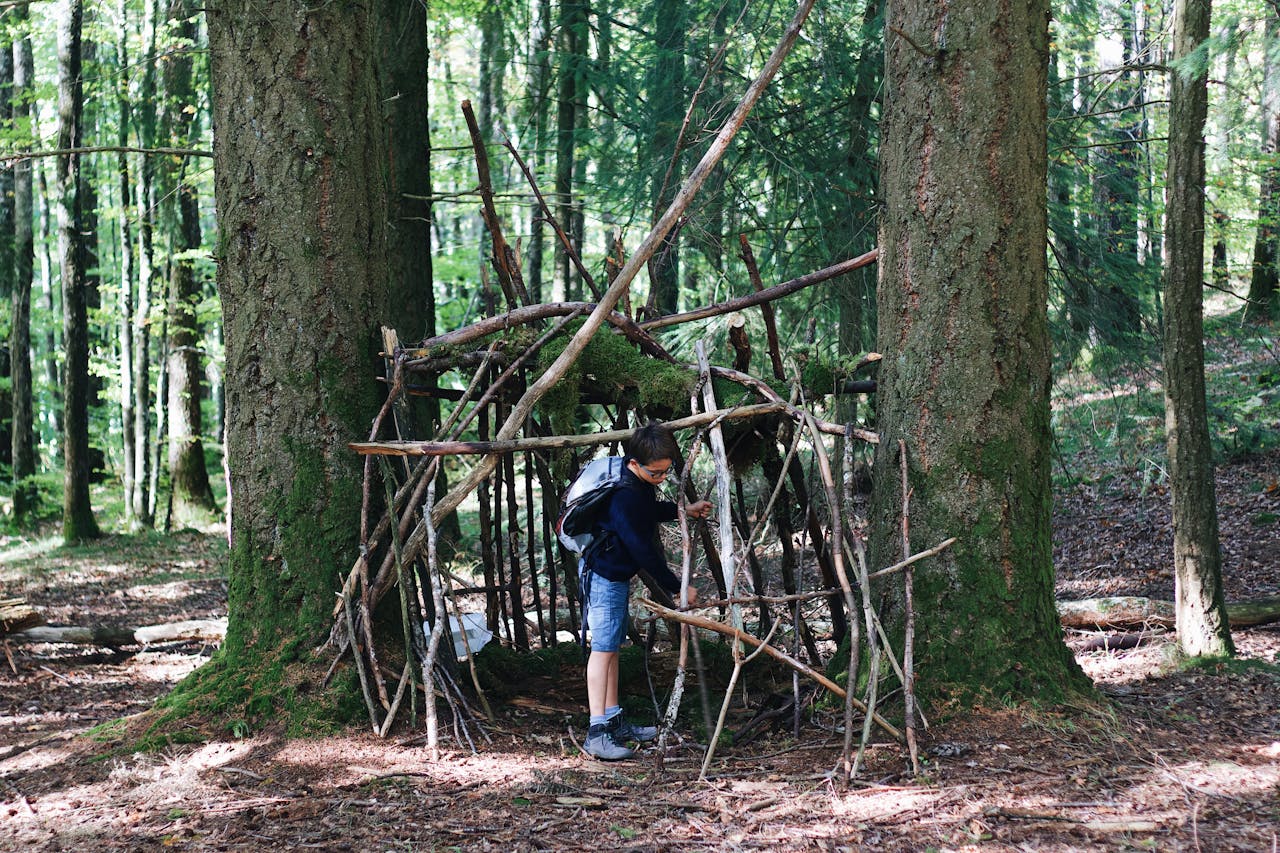
You can build a simple shelter using branches, leaves, and other natural materials around you. Start by finding a sturdy frame, like fallen timber or strong branches.
Weaving smaller branches or thatching leaves over the frame helps keep out rain and wind. Look for materials that are dry and plentiful nearby.
Remember to position your shelter where you’re protected from the elements but have good ventilation. This will help keep you warm and dry in the wild.
Navigating by the stars

You can find your way at night by learning to read the stars. The North Star, Polaris, is a reliable guide in the Northern Hemisphere because it stays almost fixed in the sky.
Look for well-known constellations like the Big Dipper to help locate Polaris easily. With practice, you’ll be able to estimate direction and even latitude.
All you need is a clear night sky and some basic star knowledge to start navigating by the stars on your next outdoor adventure.
Using a compass and map
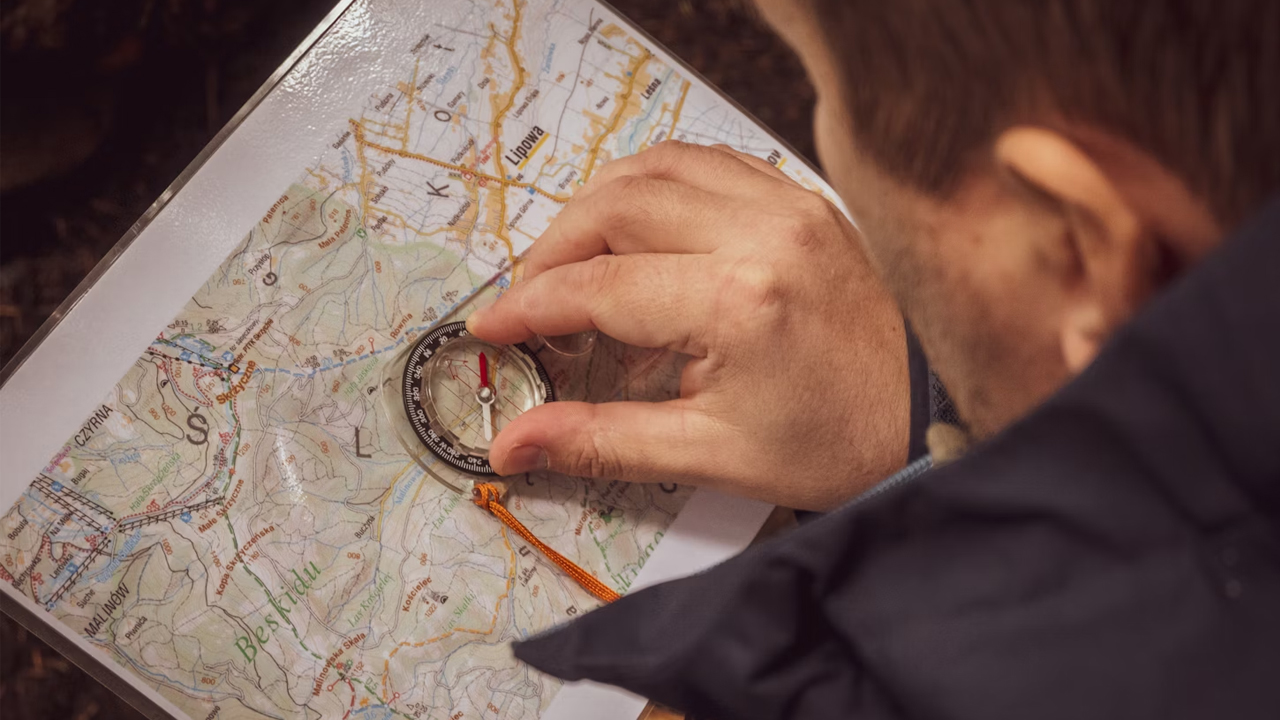
You can easily find your way by learning to use a compass with a map. Start by aligning your compass with the map’s north.
Next, take a bearing by lining up your direction of travel with the compass needle. This helps you set a course to follow.
Understanding magnetic declination is useful. It lets you adjust for the difference between magnetic north and true north, keeping your navigation accurate.
Hunting with handmade traps

You can catch wild game using simple traps made from natural materials. These traps work quietly and don’t require you to be nearby all the time.
Learning to build snares or deadfall traps lets you gather protein safely. It’s a skill that helps in survival situations or when living off the land.
With practice, you’ll know when and where to set traps for small animals or birds. It’s one of those skills that connects you with nature’s rhythms.
Skinning and butchering game
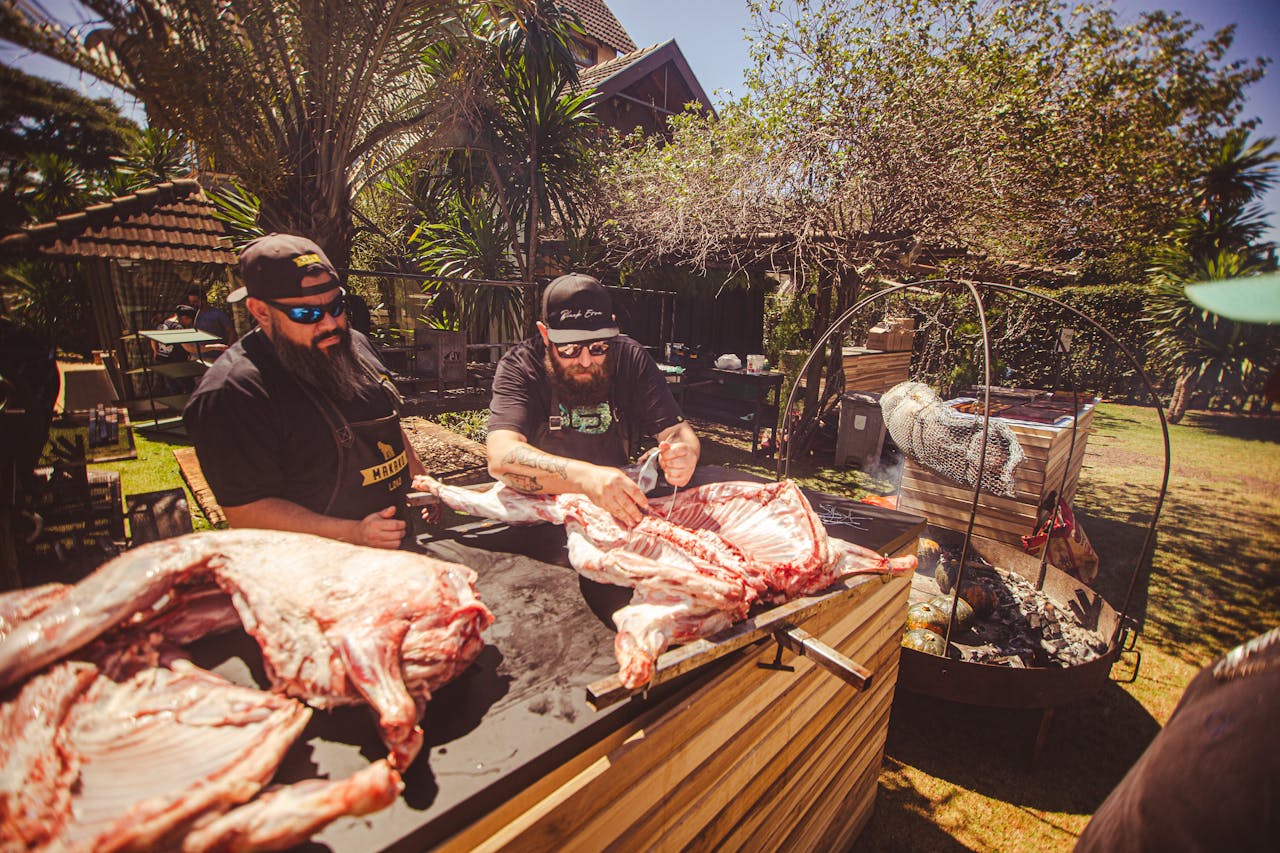
When you harvest wild game, knowing how to skin it properly keeps the meat clean and fresh. You start by making precise cuts to avoid damaging valuable meat.
Butchering requires patience and care to break the animal down into usable parts. Learning these skills helps you make the most out of your hunt without waste.
With practice, you’ll handle your game efficiently, turning it into a reliable food source. It connects you to traditions many have forgotten.
Making cordage from plant fibers
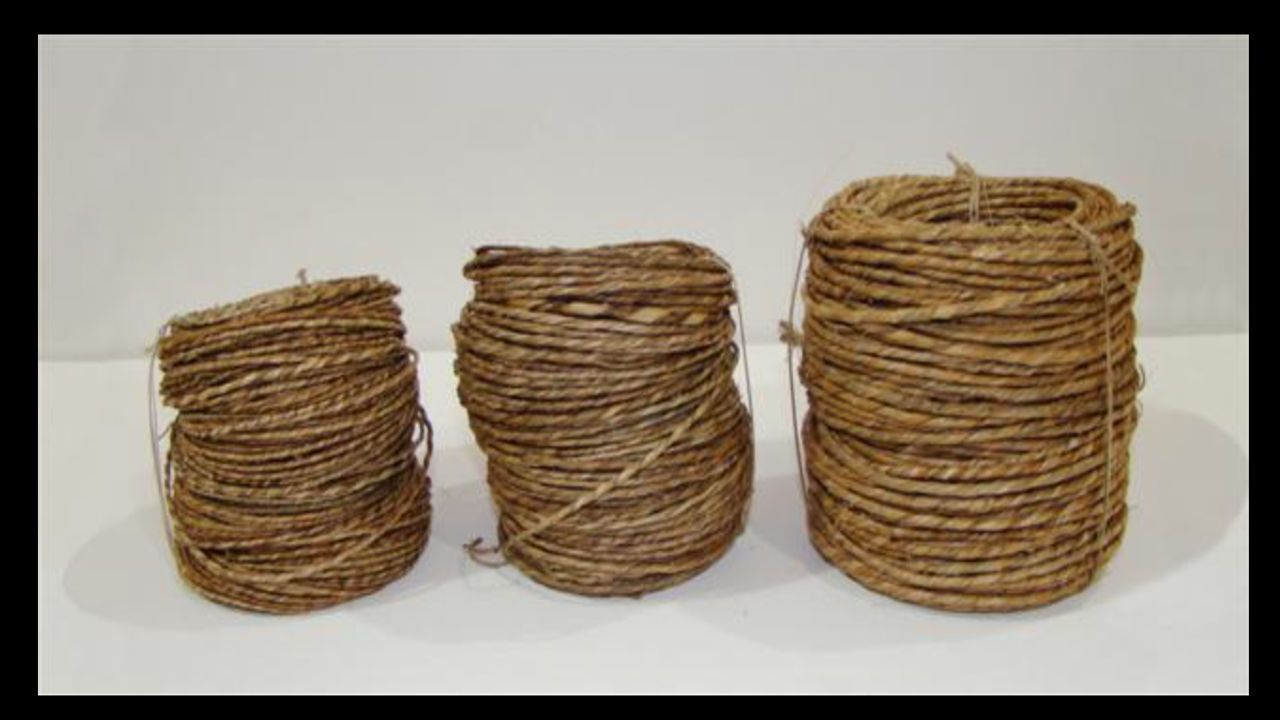
You can make strong cordage by twisting fibers from plants like hemp, nettle, or even houseplants such as the snake plant. First, extract the fibers by retting or scraping the plant material.
Once the fibers are dry, twist or braid them tightly to create rope. This skill helps you create useful tools or ties in survival situations. Practicing this can connect you to ancient techniques still valuable today.
Sharpening tools with stones
You can keep your tools sharp using just a few stones. Stones help grind and hone edges, making blades ready for use again.
Start with a coarse stone to reshape dull or damaged edges. Then move to finer stones to polish and sharpen the blade.
Sharpening stones were once common in every home. Learning to use them gives you control over your tools and helps them last longer.
Candle making from tallow

You can make candles using tallow, which is simply rendered animal fat, often beef fat. It’s a natural and traditional material that was widely used before modern waxes.
To start, you melt the tallow slowly, then dip a wick into the hot fat several times. Each dip adds a layer, building up your candle.
The cold helps the tallow harden quickly. With a bit of patience, you’ll have simple, organic candles that burn well without any additives.
Harvesting and storing wild honey
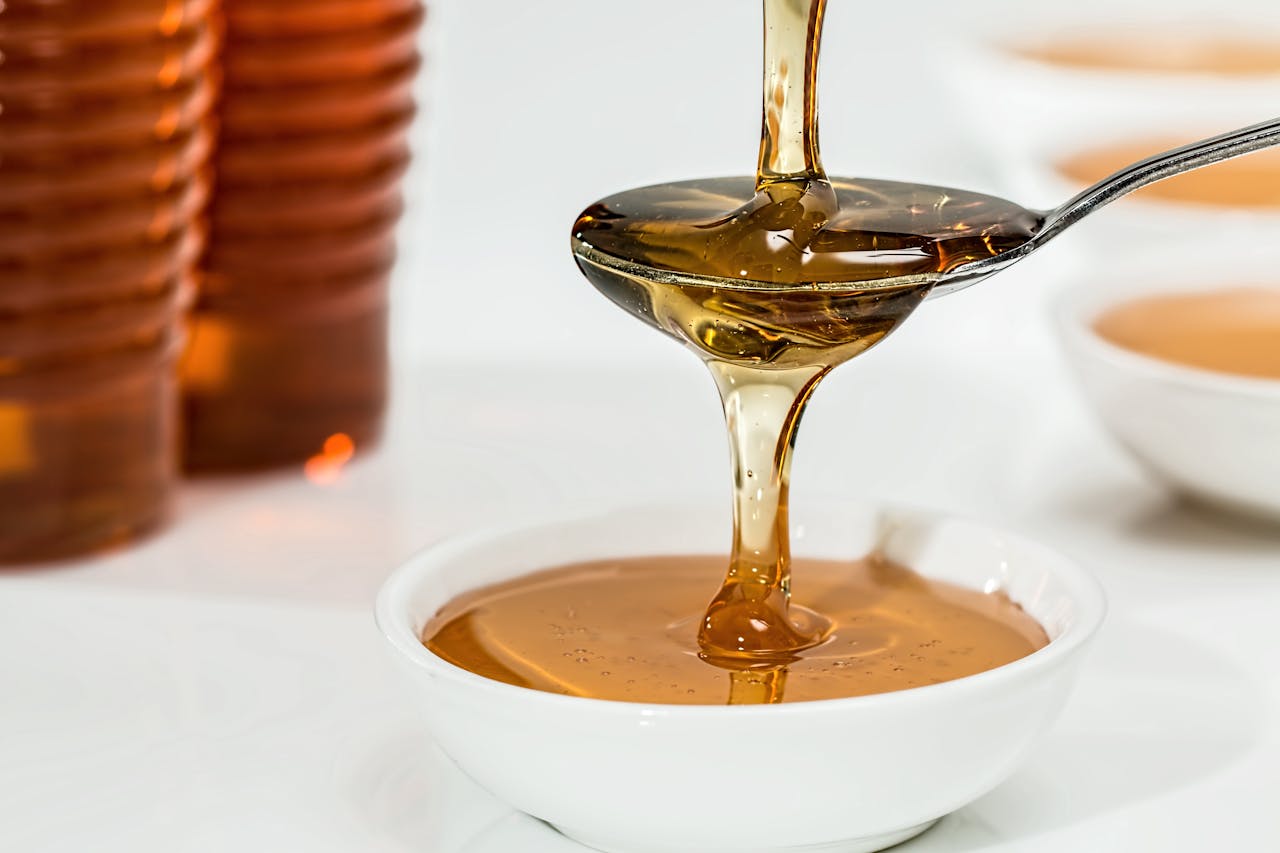
When you harvest wild honey, you’re often climbing trees or cliffs to reach the hives. It takes skill and careful movements to avoid disturbing the bees too much.
You rely on traditional knowledge passed down through generations to find the safest and most effective techniques.
After collecting the honey, storing it properly keeps it fresh and prevents spoilage. Using natural containers or clean jars is a common way to preserve your harvest.
Using medicinal plants for basic remedies
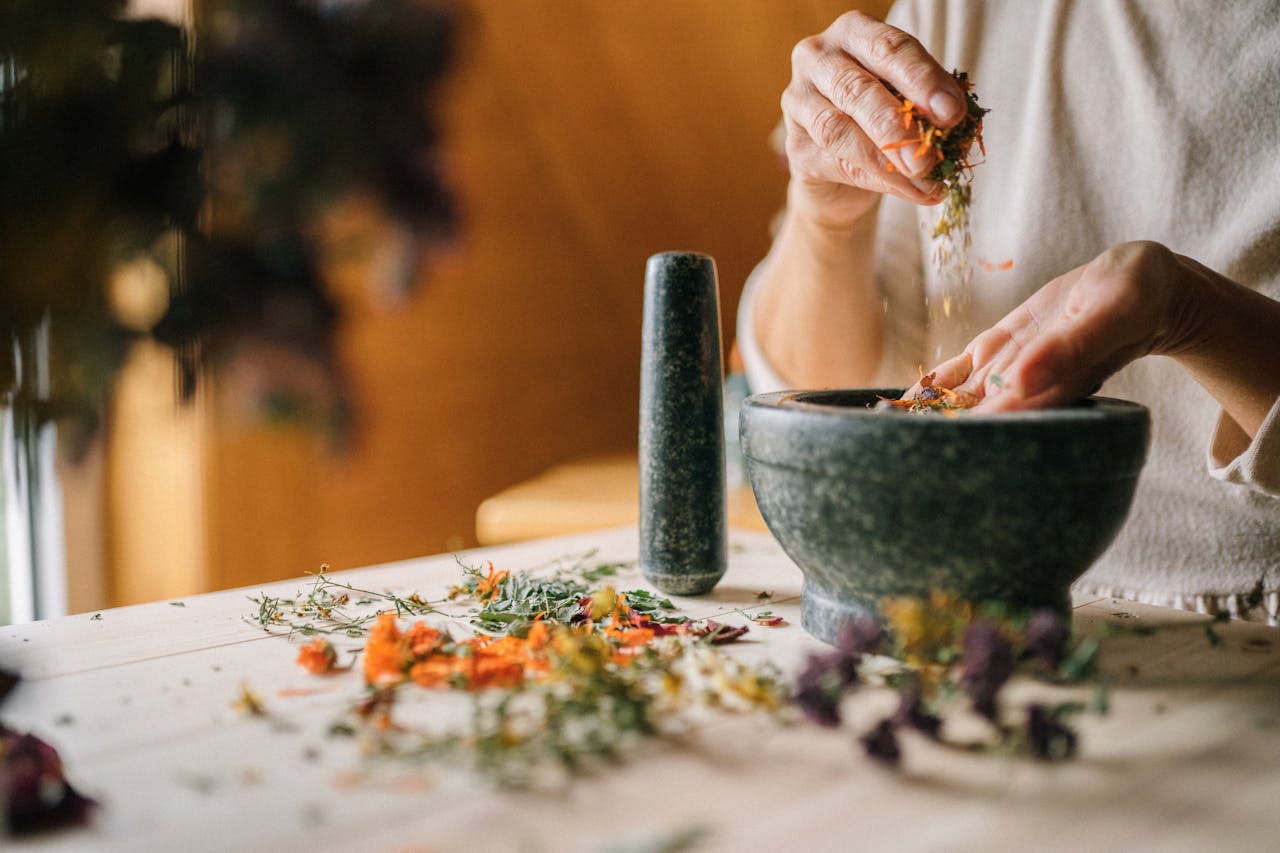
You can use common wild plants to treat minor health issues. For example, plantain leaves soothe insect bites, and dandelion roots support digestion.
Start by learning to identify a few easy plants. Knowing when and how to harvest them is key to safe use.
Using these plants for simple remedies connects you with nature and keeps basic health skills alive.
Fishing with handmade spears
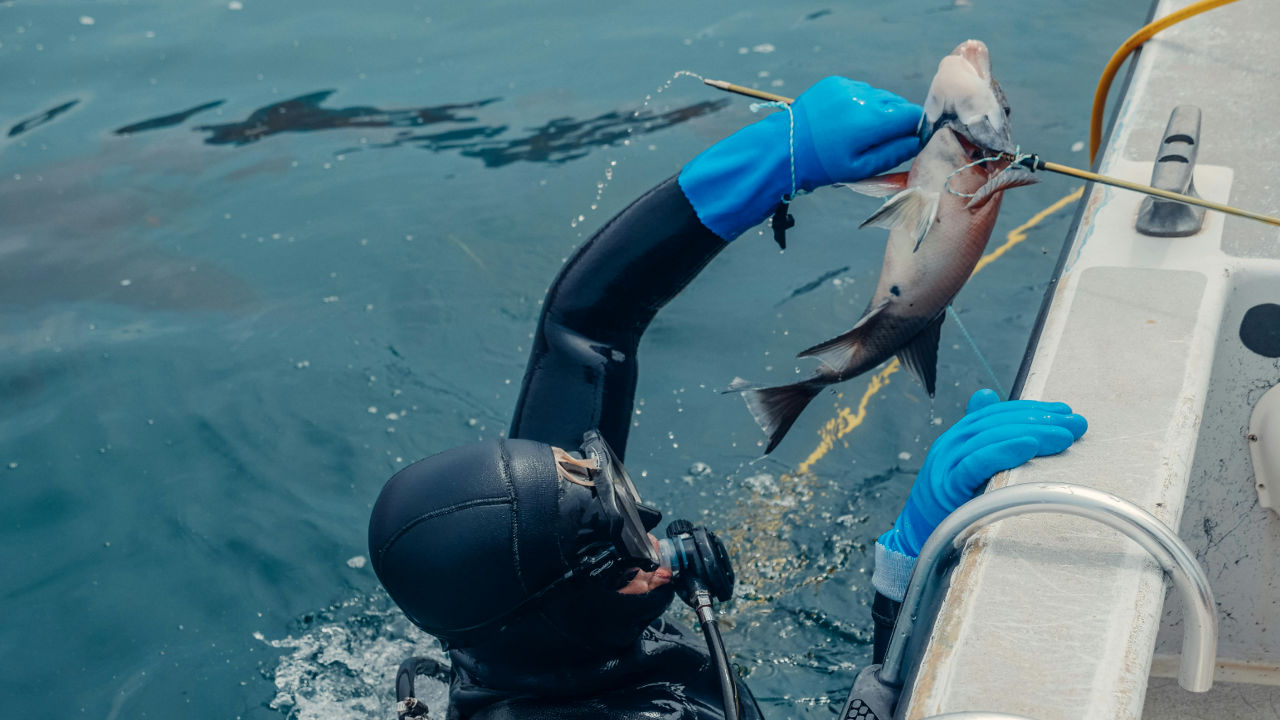
You can catch fish using handmade spears, a skill that connects you to traditional methods. These spears often have barbed points designed to grab fish rather than for throwing.
When using a spear, patience and precision matter. You might find it useful to watch how indigenous hunters do it, especially in areas where this skill is still practiced.
Trying it yourself helps you appreciate the craftsmanship and technique involved. It’s a simple, effective way to fish without modern gear.
Leave a Reply