

Foraging can be a rewarding way to connect with nature and find fresh, wild foods. However, it requires care and knowledge to ensure your safety and protect the environment around you.
Following certain essential rules can help you avoid danger and make your foraging experience both safe and sustainable. Knowing what to look for and how to behave can save you from harmful mistakes and keep wild areas healthy for future foragers.
Never eat any plant unless you are 100% sure of its identification and edibility

You should never eat a wild plant unless you are completely certain what it is. Mistaking a plant can cause serious health problems.
Always double-check your identification with trusted sources or experts. Using more than one guide helps confirm if a plant is safe to eat.
If you’re unsure, don’t take risks. It’s better to leave the plant alone than to guess and get sick.
Check local foraging laws before you start

Before you head out, make sure you know the rules in your area. Foraging laws vary widely depending on where you are.
Some places, like city, state, or national parks, often don’t allow you to pick plants or mushrooms.
It’s your responsibility to check if foraging is legal on the land you plan to explore. This keeps you safe and respects local regulations.
Bring a knowledgeable friend or guide if you’re a beginner
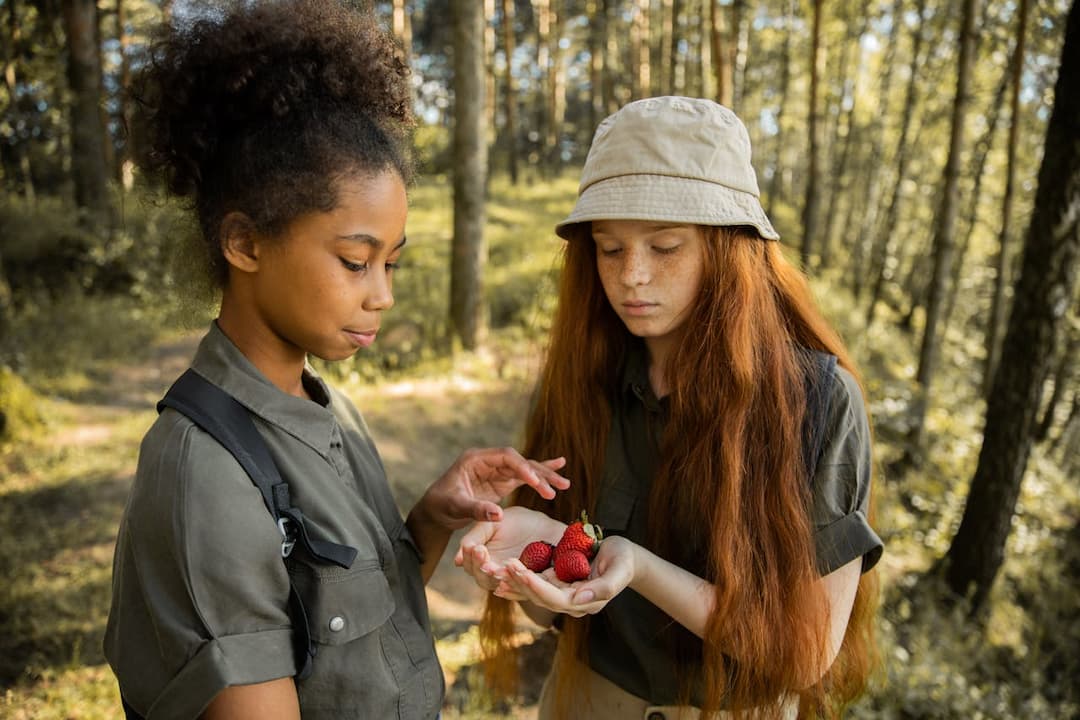
If you’re new to foraging, having someone experienced with you is a smart choice. They can help you identify safe plants and avoid harmful ones.
A guide can share tips and show you the best places to look. This hands-on learning builds your confidence and knowledge.
You’ll also stay safer by learning how to recognize poisonous plants and understand local rules. Don’t hesitate to ask questions and observe closely.
Learn to prepare wild edibles properly to avoid toxins
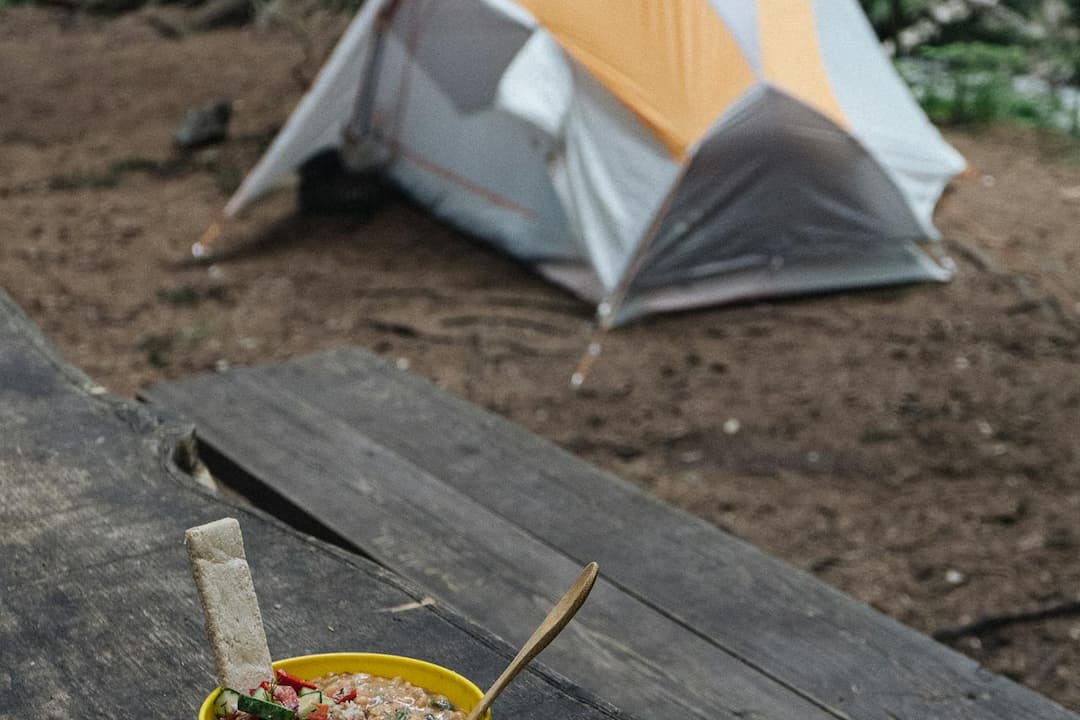
You need to know how to prepare wild plants to keep yourself safe. Some edible plants contain toxins that must be removed by cooking or special preparation.
Always research the plant before eating it. If a plant is toxic when raw, follow trusted instructions for processing it.
Proper preparation helps you enjoy wild foods without risk. When in doubt, avoid plants that require complicated or unclear preparation to stay safe.
Test a small amount first to check for allergic reactions
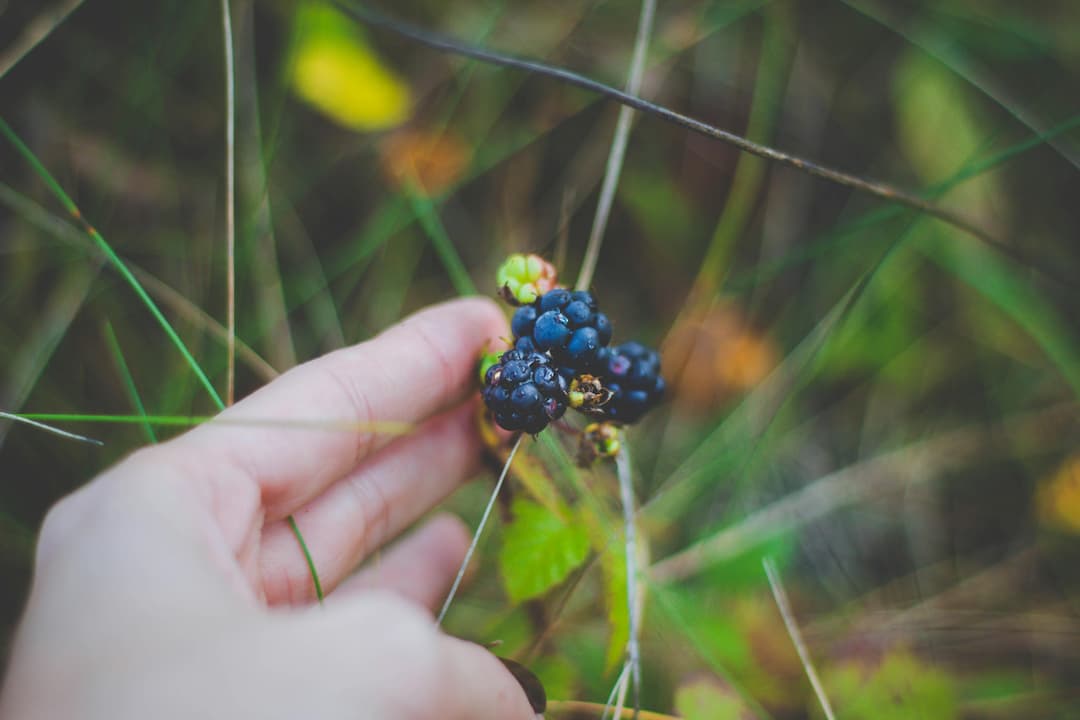
When you try a new wild plant or food, start with just a tiny bit. This helps you see if your body reacts negatively without causing serious harm.
Watch for itching, swelling, or any unusual feeling around your mouth or skin. These could be signs of an allergy.
If you notice any reaction, stop immediately and avoid that food. It’s always better to be safe when foraging.
Avoid harvesting endangered or protected plants
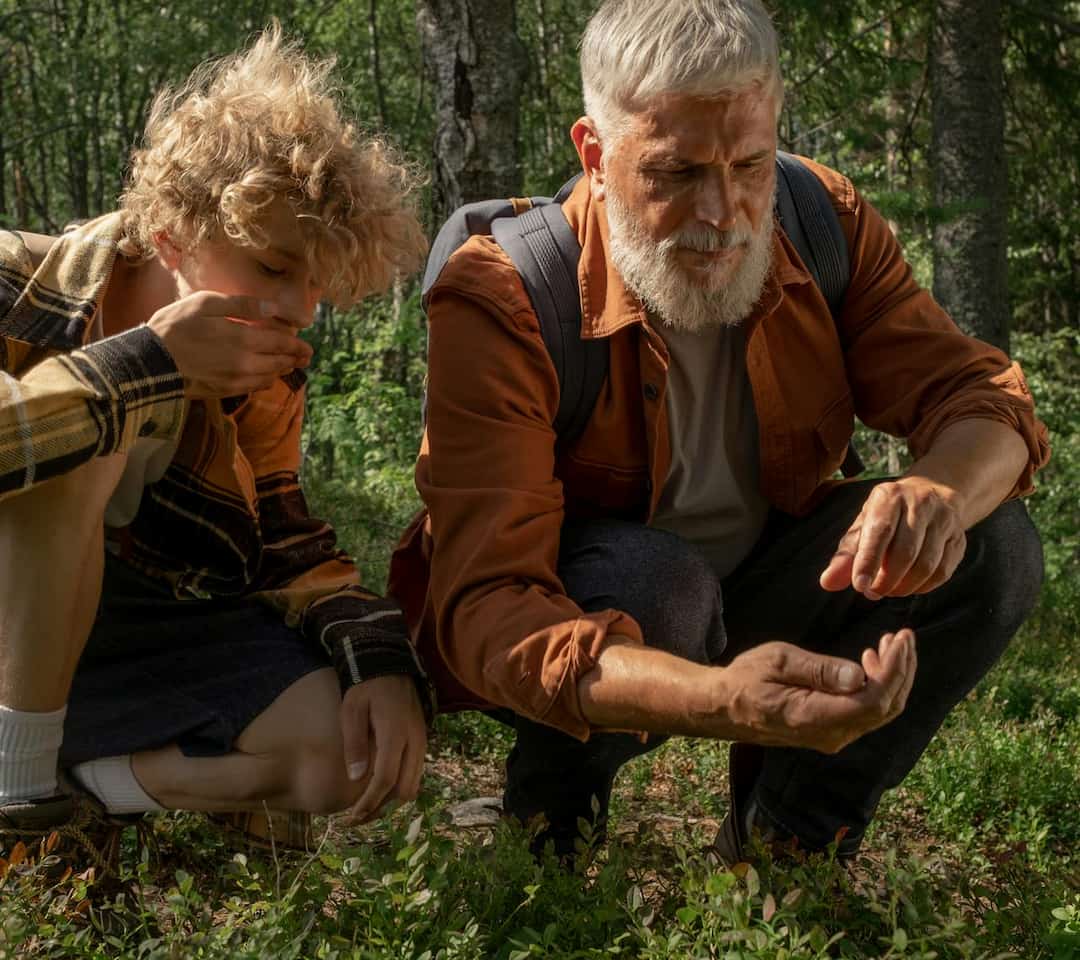
You should never pick plants that are endangered or protected. Taking these plants can harm their survival and local ecosystems.
Focus on gathering from common, abundant species instead. This helps keep nature balanced and supports future foragers.
Always check local rules and guidelines before you start. Being informed protects both you and the environment.
Follow the rule of thirds: only take one-third of a plant to allow regrowth
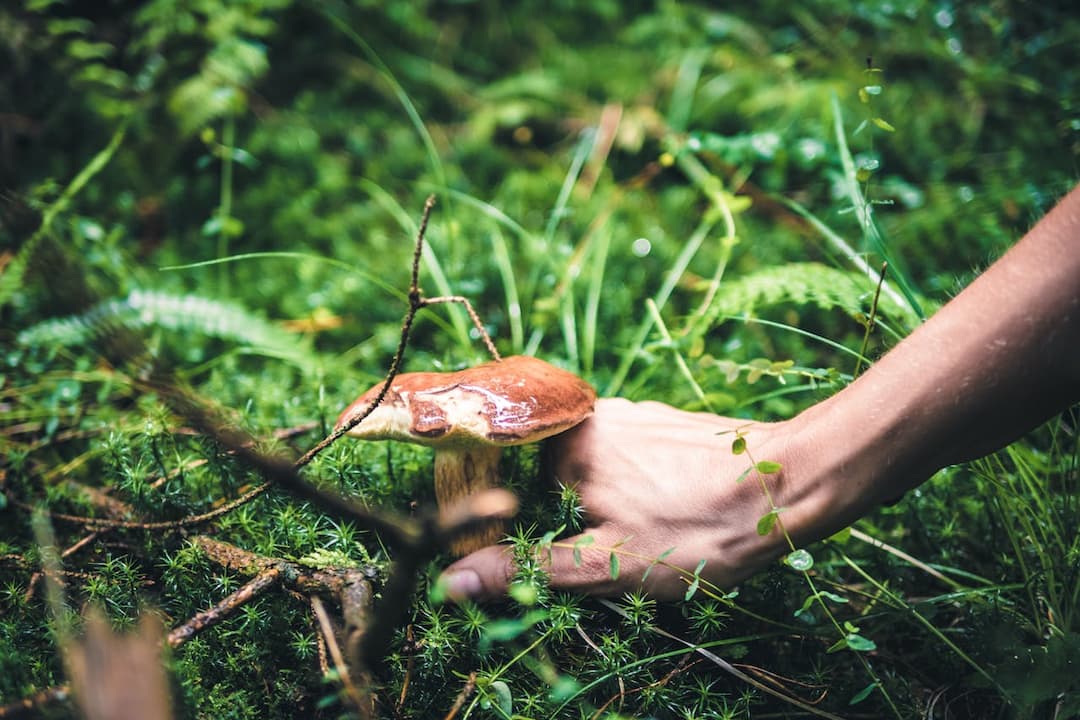
When you forage, only take about one-third of the plant. This helps ensure the plant can recover and continue growing.
By leaving most of the plant intact, you help keep the ecosystem healthy and sustainable.
Taking too much risks damaging the plant and reducing food for wildlife. Remember, patience in harvesting means more plants in the future for you to enjoy.
Avoid plants near polluted areas, roads, or industrial sites
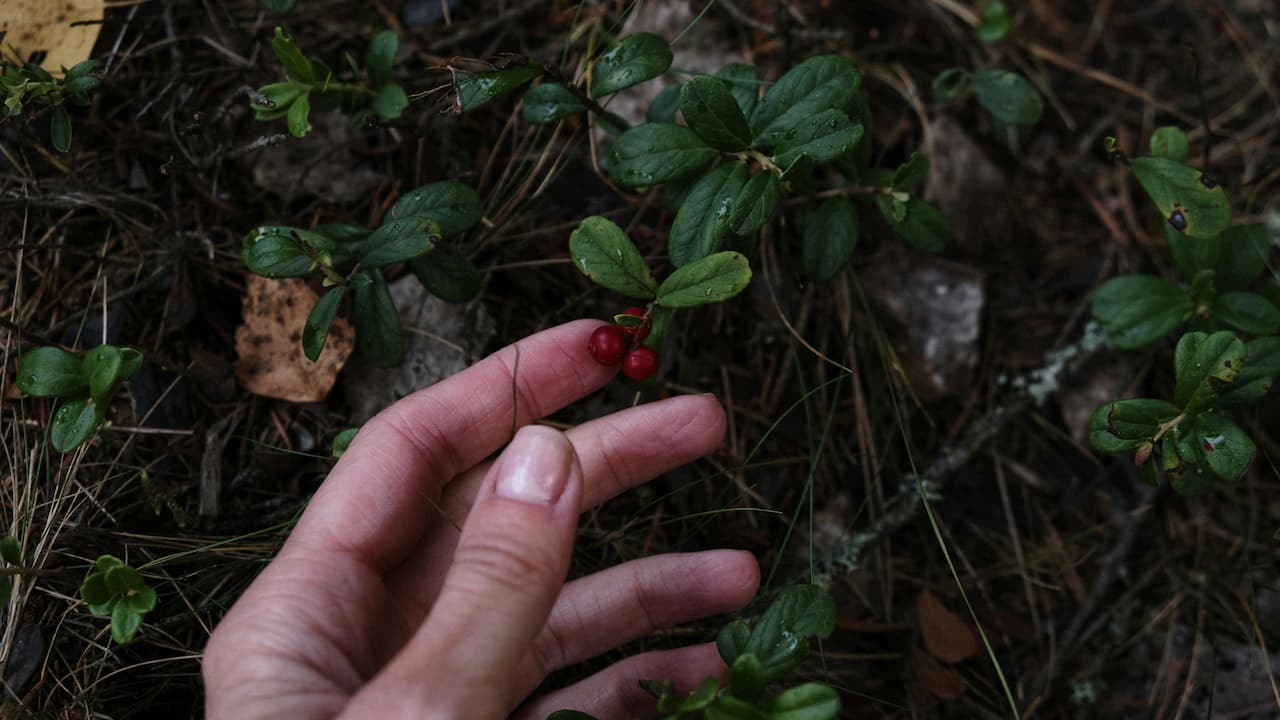
When foraging, steer clear of plants growing close to roads, parking lots, or industrial zones. These areas often have contaminants like heavy metals and chemicals that can be harmful.
You want to pick plants from clean, safe spots. Avoid places with heavy car traffic or near factories where pollution levels tend to be higher.
Checking local pollution maps can help you find safe locations. This keeps your foraged food healthier and reduces the risk of consuming toxins.
Carry a reliable field guide or identification app

When you go foraging, always bring a trusted field guide or a good identification app. These tools help you recognize plants correctly, which is essential for your safety.
You should never eat a plant unless you are completely sure of its identity. Apps with clear photos and detailed descriptions make this easier.
Using these resources protects you from accidentally consuming harmful plants and helps you forage confidently.
Respect private property and always ask for permission
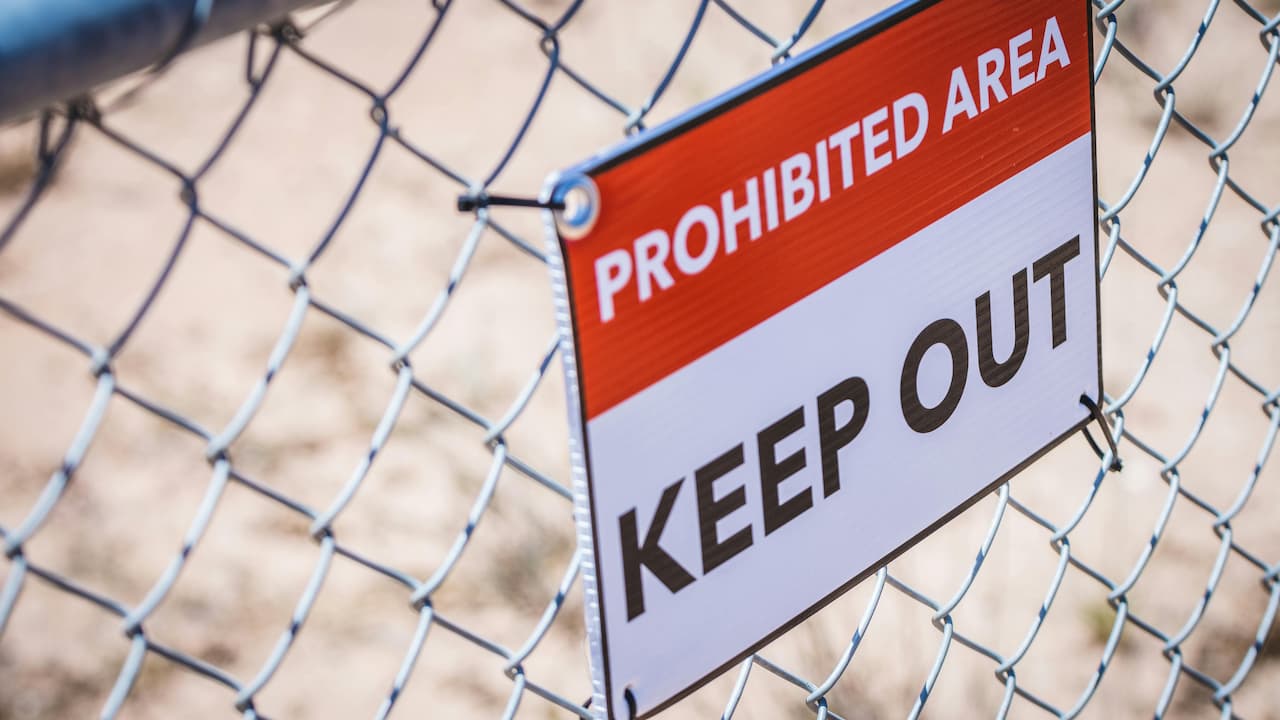
When you forage, always respect private property. Never take plants or fruits without permission from the landowner.
Asking first shows respect and helps avoid legal problems. It also builds trust between you and the community.
If you want to forage on public land, check the local rules. Some areas may require permits or have restrictions.
Avoid foraging in areas treated with pesticides or herbicides

When you forage, steer clear of places that might have been sprayed with pesticides or herbicides. These chemicals can remain on plants and soil, making the food unsafe to eat.
If you wouldn’t want a baby to breathe the air there, it’s best not to consume anything from that spot. Choosing clean, natural areas helps keep your foraged food healthy and safe.
Harvest only what you need to avoid waste
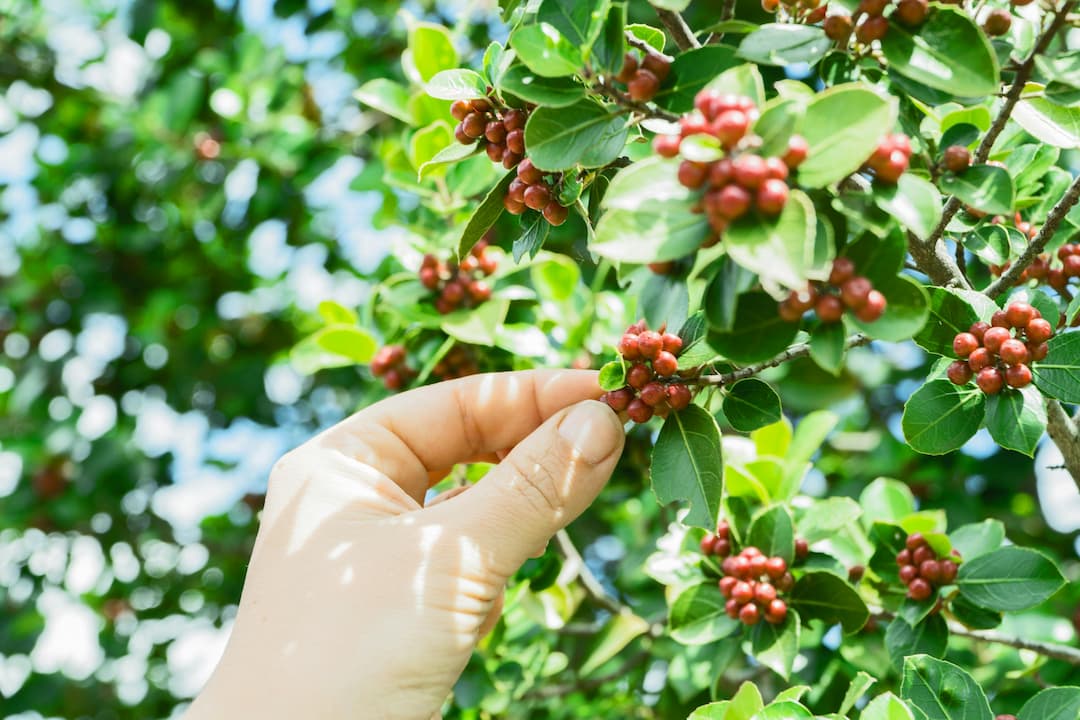
When you forage, take only what you will use. Harvesting more than necessary can lead to unnecessary waste and harm the local ecosystem.
Try to leave enough plants or fruits behind so they can continue to grow and reproduce. This also helps support wildlife that depends on those resources.
Being mindful about how much you collect ensures that the environment stays healthy for future foragers like you.
Leave a Reply