

When technology fails or you find yourself off the beaten path, navigating without a GPS becomes an important skill to have. Whether you’re hiking, traveling solo, or simply exploring new areas, being able to find your way using natural cues and simple tools can keep you safe and confident.
Knowing how to navigate without relying on electronic devices allows you to maintain your direction and reach your destination even when modern tools aren’t available. In this article, you’ll discover practical tips that help you trust your surroundings and make smart choices while finding your way.
Use the sun: Remember it rises in the east and sets in the west to find direction
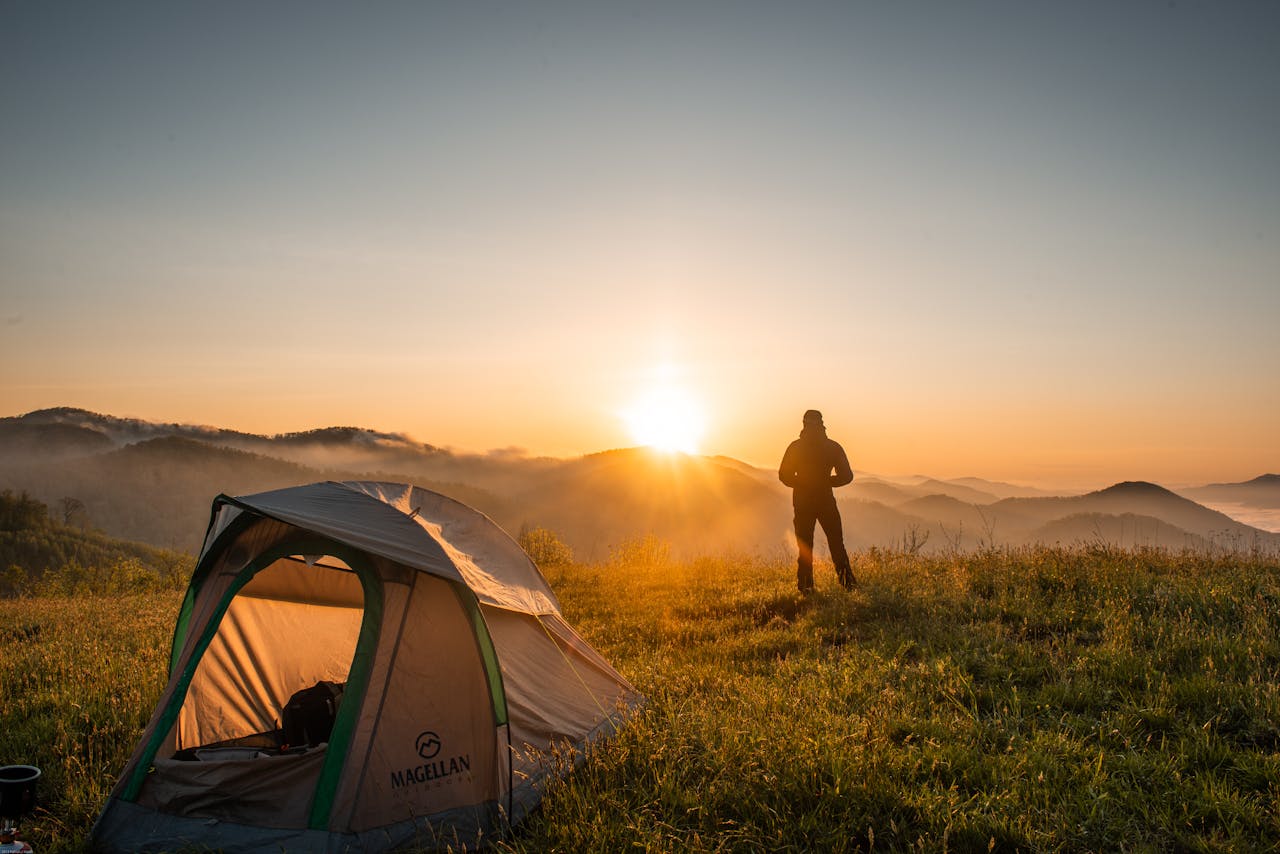
You can use the sun to help find your direction during the day. The sun rises in the east and sets in the west, so observing its position gives you a basic idea of where east and west are.
At midday, the sun will be roughly south if you’re in the northern hemisphere. This helps you estimate north, south, east, and west without a compass.
Just keep in mind the sun’s position changes depending on the time of day and your location.
Create a shadow stick compass by marking the tip of a shadow over time
Place a straight stick vertically into level ground. Mark the tip of its shadow with a small rock or twig.
Wait 15 to 30 minutes, then mark the new position of the shadow’s tip.
Draw a straight line between the two marks. This line points roughly east-west. The first mark is west, and the second mark is east.
Now you have a simple compass to help find your direction using the sun.
Follow rivers or valleys to find roads or settlements

When you don’t have a GPS, rivers and valleys can be your natural guides. They often lead to roads or towns because people settle near water sources.
Try to follow a river downstream or walk along a valley floor. This increases your chances of finding a road or signs of habitation.
Keep an eye out for trails or clearings along these features. They can indicate paths used by others or lead to main routes.
Identify landmarks like old churches or town squares to reorient yourself
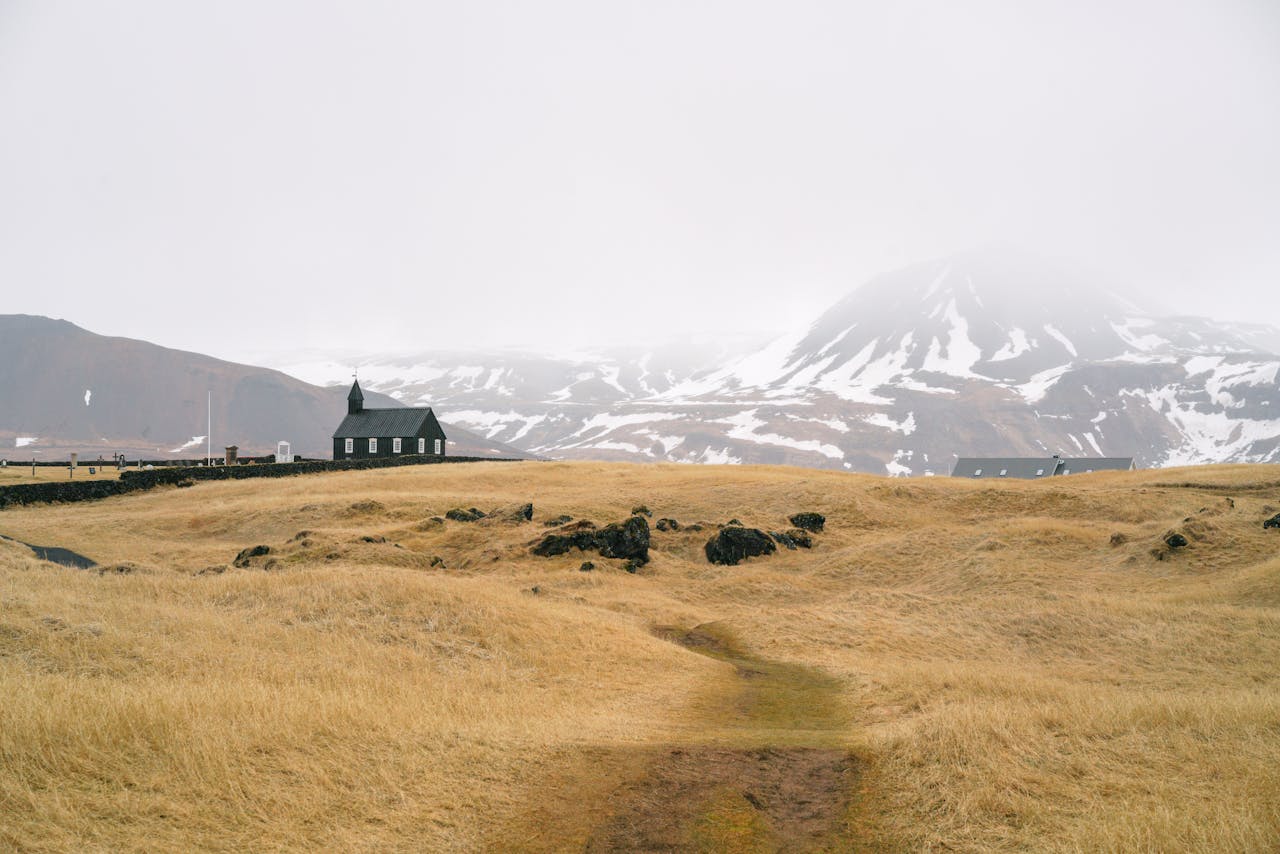
You can use prominent landmarks such as old churches or town squares to find your way around. These features usually stand out and are easy to spot from different parts of a city.
When you recognize a landmark, use it as a reference point to check your position on a map or in your memory. This helps you stay oriented and avoid getting lost.
Use flagging tape to mark your path if exploring unfamiliar areas
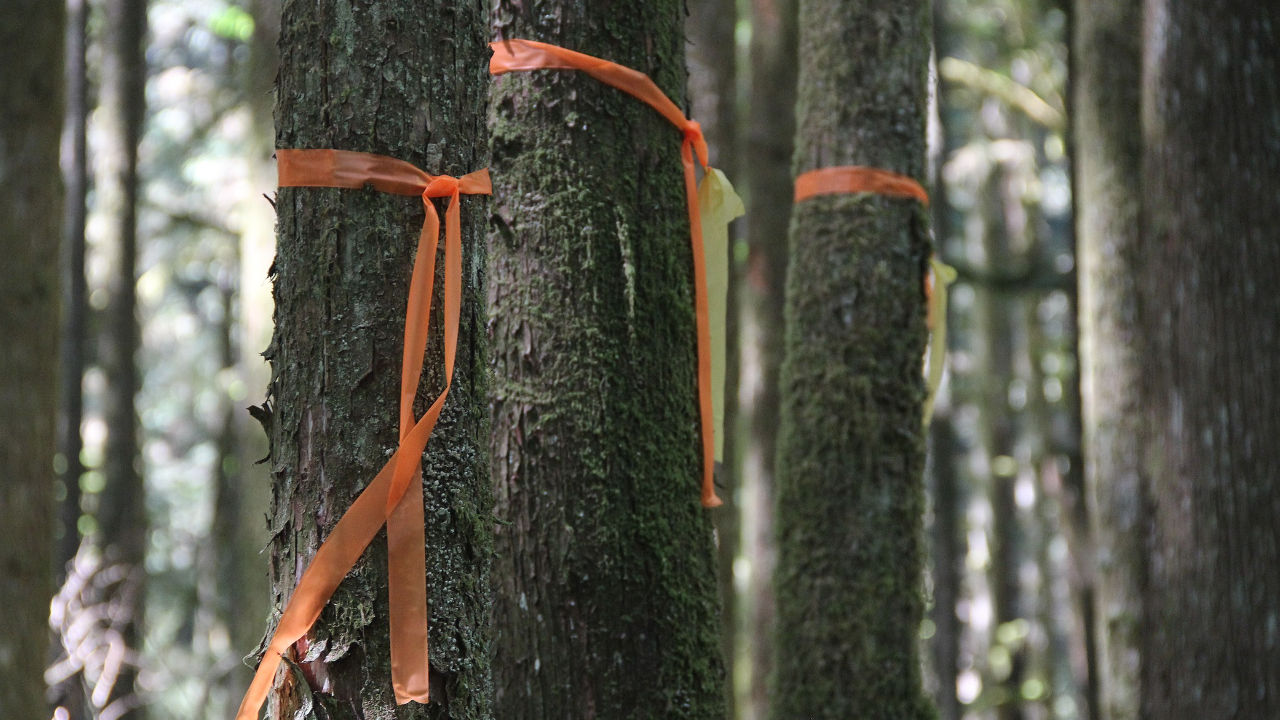
When you explore new places, flagging tape helps you keep track of where you’ve been. Tie bright tape to branches, trees, or rocks to create clear markers.
Make sure to use enough tape, so your path stands out. This way, you can easily find your way back if needed.
Remember to remove all tape when you leave to protect the environment and leave no trace.
Stop regularly to look around and take mental notes of your surroundings

When you pause to observe your environment, you give yourself a chance to remember key landmarks. These details help you create a mental map that makes it easier to find your way later.
Look for distinctive features like unusual trees, rocks, or buildings. Notice how the light hits them or any sounds nearby.
Making mental notes trains your brain to be more aware and reduces reliance on electronic devices. It also builds your confidence in navigating on your own.
Pay attention to the lay of the land, such as hills and slopes, to guide your route.

You can use hills and slopes to help you understand your surroundings. Notice how the land rises and falls; this can show you natural pathways or barriers.
Paying attention to these features helps you stay oriented without relying on technology. Look for ridges to follow or valleys to avoid depending on your route.
By observing the lay of the land, you gain clues that make navigation more reliable and less stressful.
Use natural features like tree growth or moss patterns as directional clues
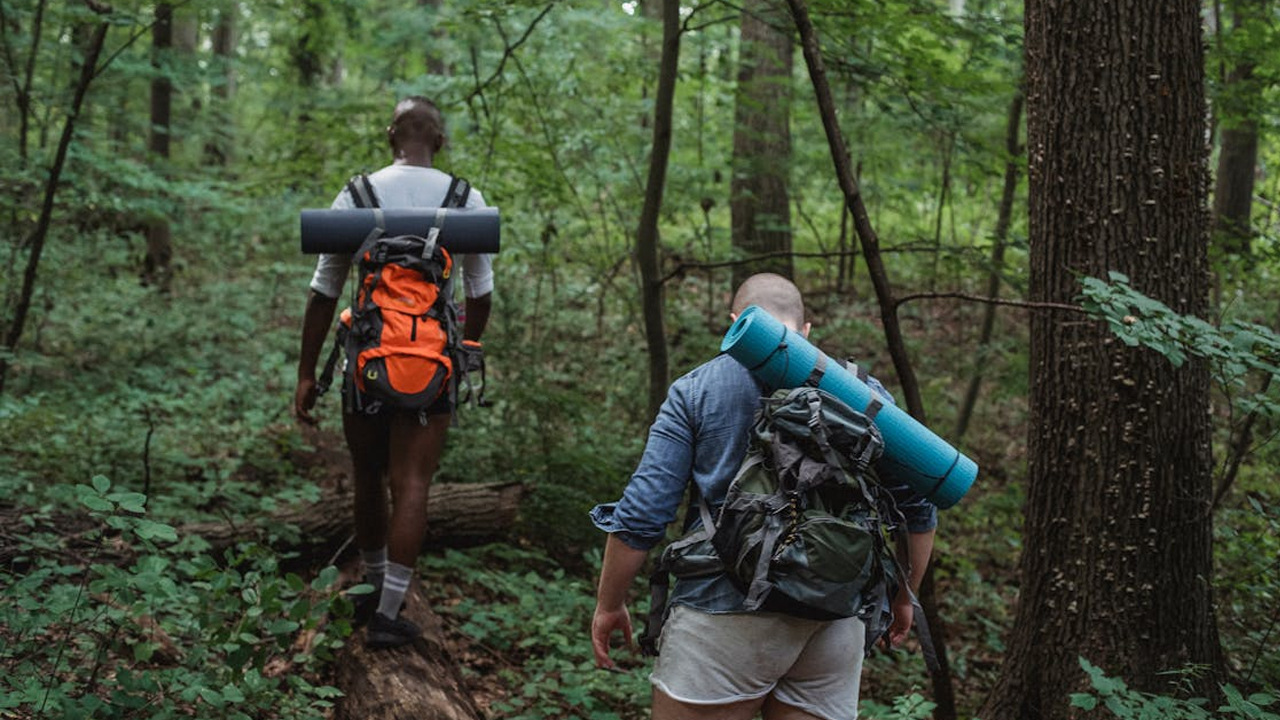
You can often tell direction by observing trees. Their branches usually grow thicker and fuller on the side facing the sun, which is generally south in the northern hemisphere.
Moss often grows more abundantly on the shaded, damp side of trees or rocks. This is usually the north side, but it can vary depending on your location.
Look for patterns in plants and ground growth. Ant hills, for example, tend to have a sunny side, which might help you figure out directions.
Look for human-made signs like fences or power lines that often lead to roads

When you’re unsure of your path, keep an eye out for human-made features. Fences, power lines, and railroads usually follow or point toward roads.
These signs are like handrails guiding your way. Following power lines can often bring you to a road or a settlement where you can get your bearings.
If you spot a fence, it might border a property close to a road. Use these clues to help steady your direction without relying on tech.
Recall and note road or trail names to help keep track of your location

When you’re out exploring, paying attention to road and trail names can be a big help. Make a habit of noting these names aloud or mentally as you go.
You can also jot them down if you have paper. These names act as checkpoints, making it easier to retrace your steps or describe your location if needed.
Using road or trail names helps keep your sense of direction grounded, especially when you don’t have GPS.
If lost, retrace your steps to the last known landmark carefully

If you realize you are lost, stay calm and think about where you last recognized your surroundings.
Slowly backtrack to that spot, paying close attention to unique trees, rocks, or other landmarks.
Move steadily to avoid missing important clues that can help you find your way back.
Retracing your steps carefully increases your chances of finding a familiar trail or path to guide you forward.
Leave a Reply