
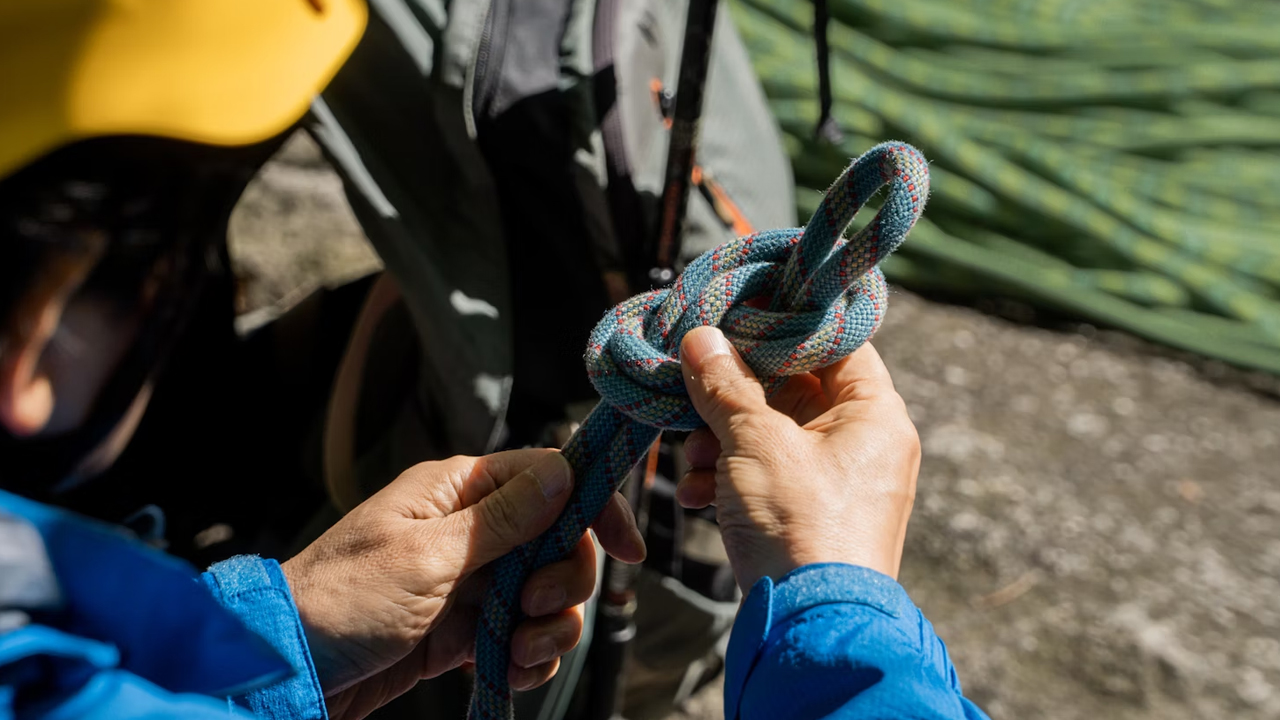
If you spend time outdoors, knowing how to tie a few essential knots can make your experience safer and more efficient. Knots are useful for setting up shelter, securing gear, and even helping in emergency situations.
Learning these 13 outdoor knots gives you practical skills that you can rely on whether you’re hiking, camping, or handling everyday tasks. With a little practice, you’ll gain confidence in your ability to manage ropes and cords in various situations.
Bowline Knot
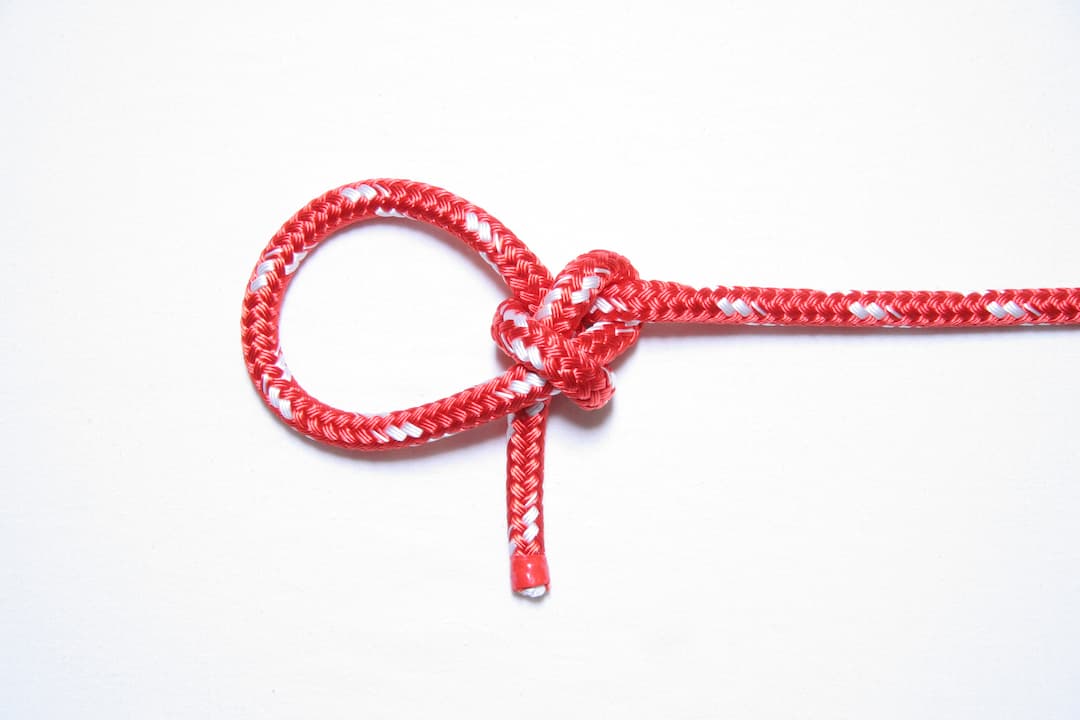
The bowline knot creates a strong, non-slip loop at the end of a rope. You can use it to secure your line to a post, anchor, or even for rescue situations.
It’s easy to tie and untie, even after it’s been under tension. Learning this knot gives you a reliable tool for many outdoor tasks.
Figure Eight Knot
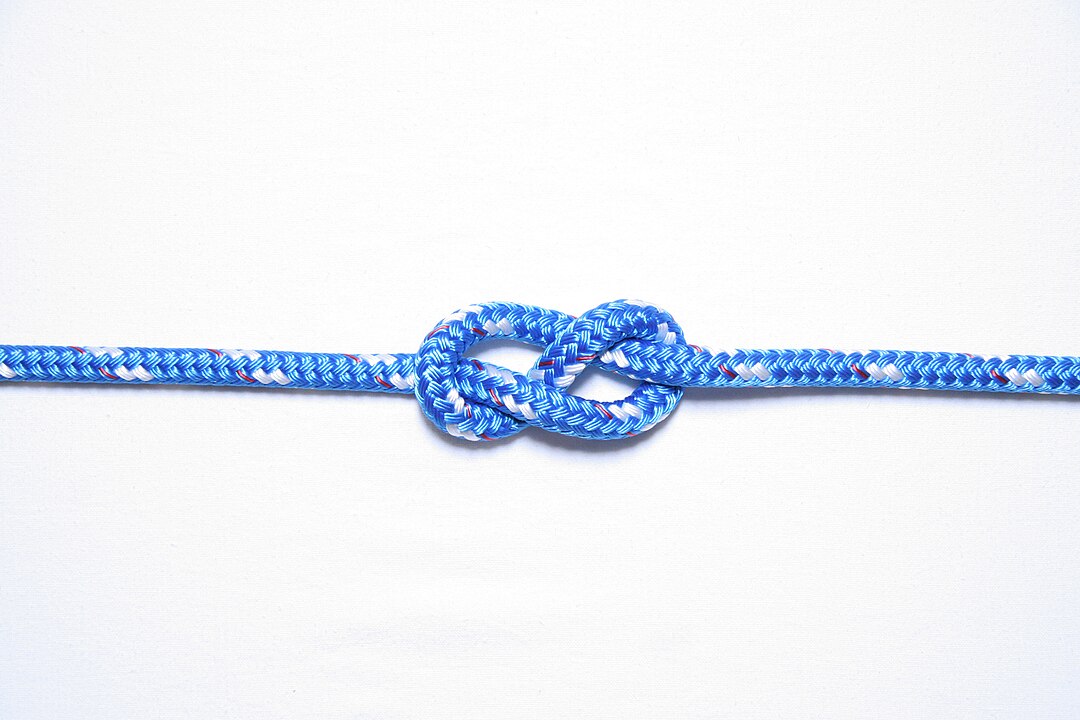
The figure eight knot is simple and reliable. You’ll often use it to create a stopper at the end of a rope, preventing it from slipping through holes or gear.
It’s easy to tie and untie, even after being under load. Learning this knot helps you stay safe during climbing, hiking, or camping. Practicing it a few times makes it second nature.
Clove Hitch
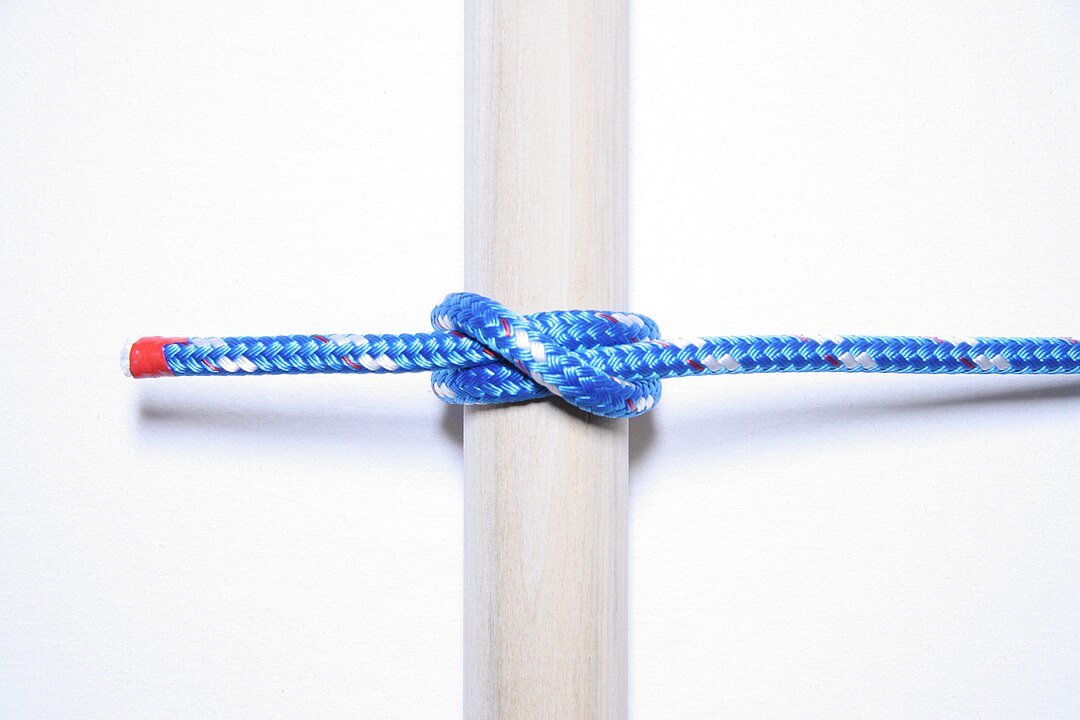
The clove hitch is a simple knot you can use to secure a rope to a post, tree, or pole. It’s great for setting up shelters or attaching gear quickly.
To tie it, wrap the rope around the object twice, crossing the second turn over the first. Then tuck the rope’s end under the last wrap and pull tight.
This knot is easy to adjust and untie, making it handy for many outdoor tasks. Just be aware it can slip if not under constant tension.
Square Knot (Reef Knot)
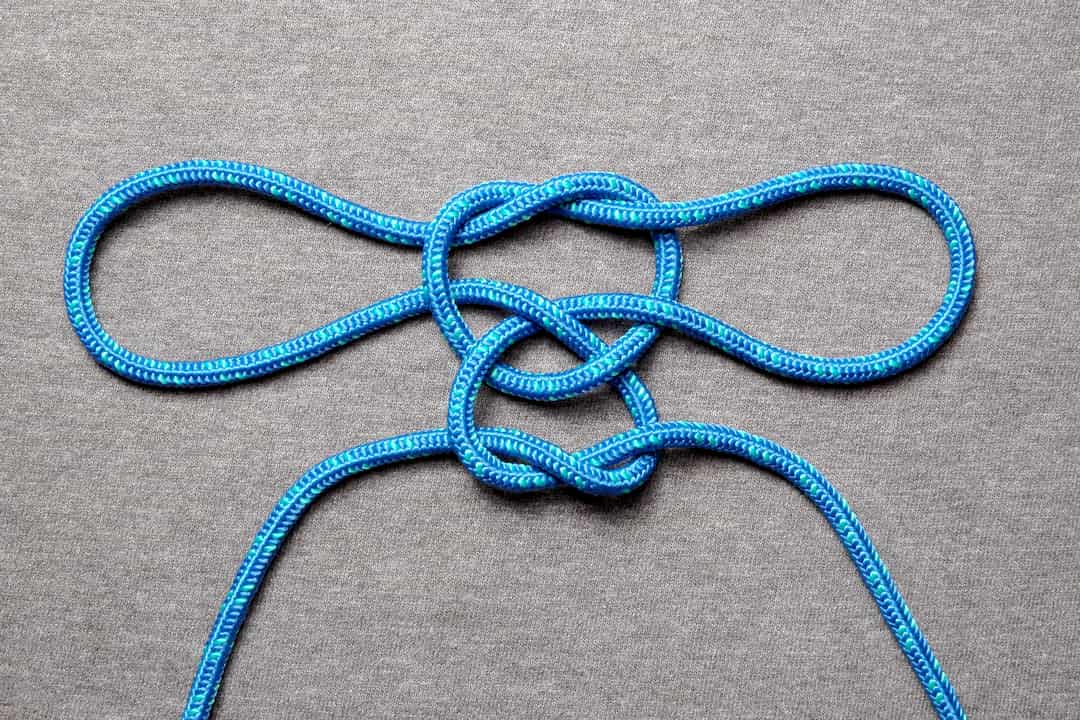
The square knot is one of the simplest knots you can learn. You use it to bind two ropes or secure a bundle.
To tie it, cross one rope over the other, then under, and repeat in reverse. It’s important to tie it correctly so it holds tight.
This knot is great for basic tasks like tying bandages or bundling gear but isn’t ideal for heavy loads or critical situations.
Sheet Bend
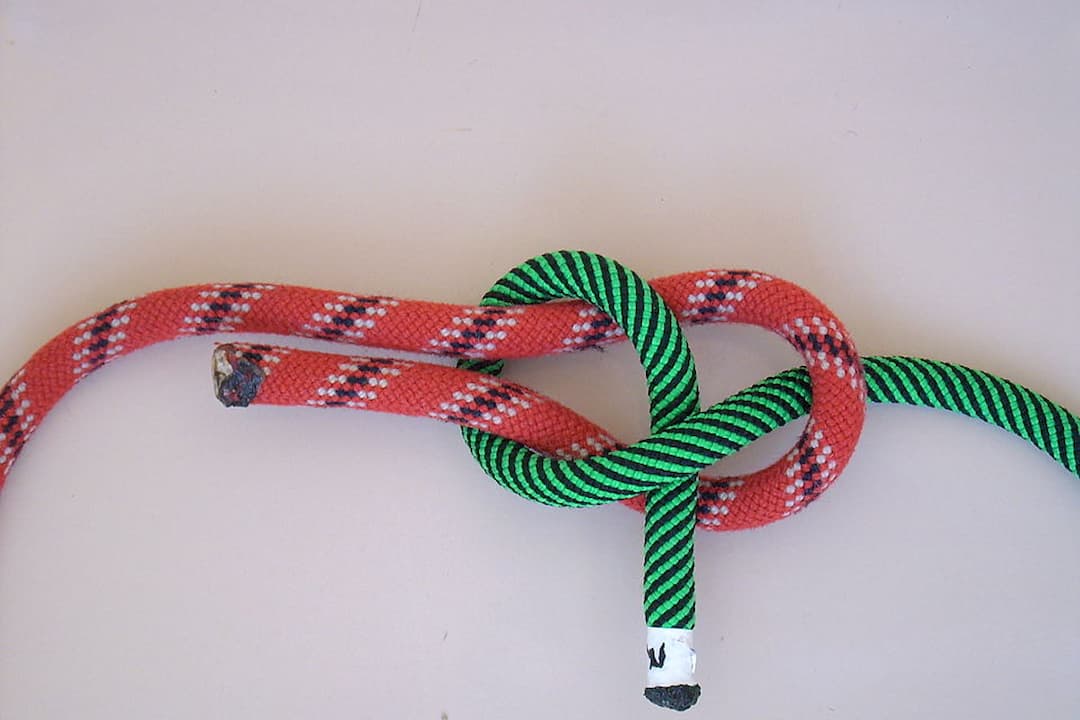
The sheet bend is a reliable knot for joining two ropes, especially if they are different thicknesses. You’ll find it useful when you need a strong, quick connection that won’t slip easily.
To tie it, form a loop with one rope, then pass the end of the other rope through, around, and under itself. This knot is better than a square knot for holding ropes together securely.
Taut Line Hitch
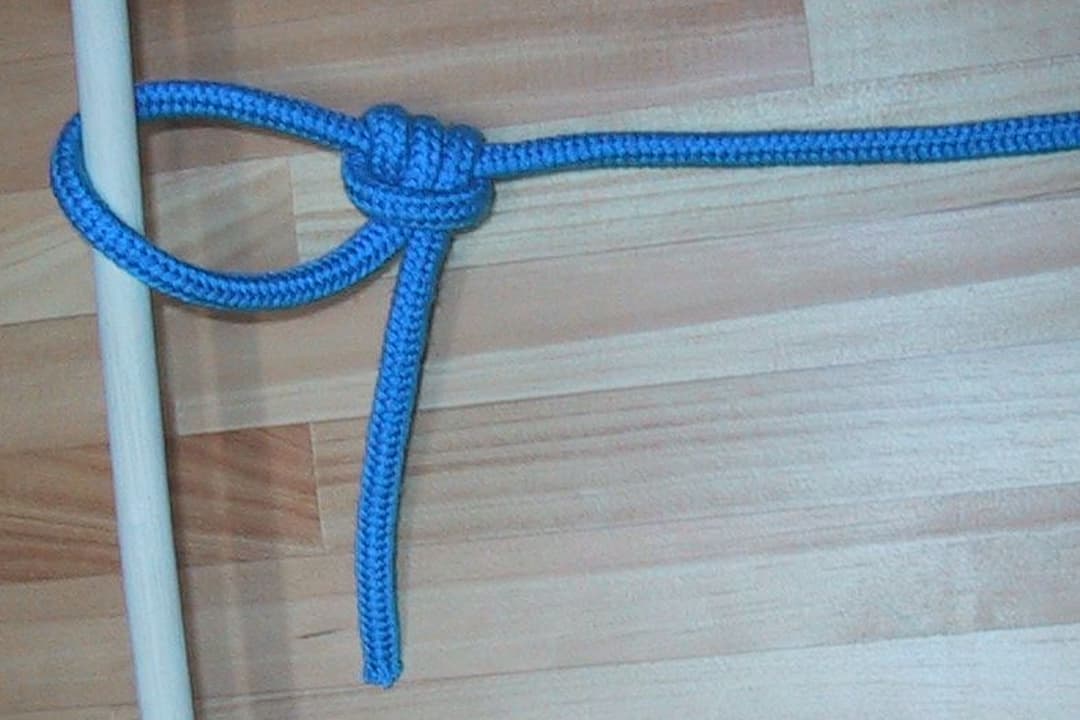
The Taut Line Hitch is useful when you need an adjustable loop that holds tension. You can slide it to tighten or loosen your rope, making it great for securing tents or tarps.
It works well on slippery or stiff rope, and once set, it stays in place under load. This knot is simple to learn and really handy for outdoor gear.
Slip Knot
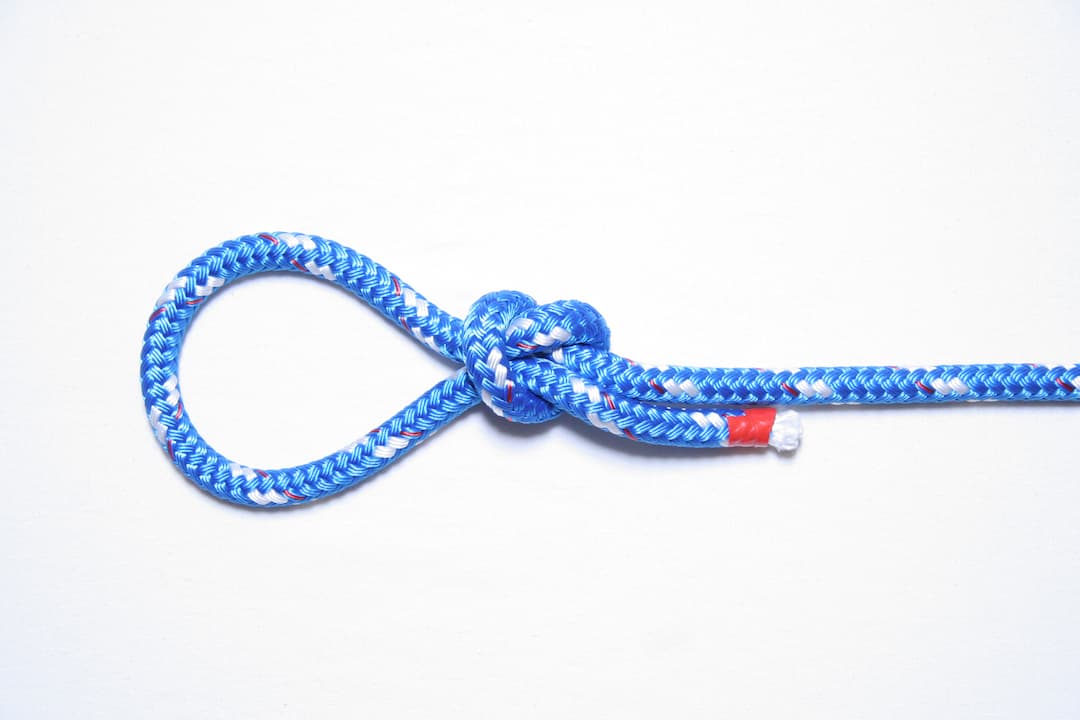
The slip knot is one of the simplest knots you can tie. It creates a loop that tightens when you pull, but you can easily release it by pulling the free end.
This knot is great for starting lashings or securing things temporarily. You’ll find it useful when you need a quick, adjustable loop that’s easy to undo.
Practice tying it until it feels natural, as it’s a handy skill for camping, hiking, or general outdoor tasks.
Girth Hitch
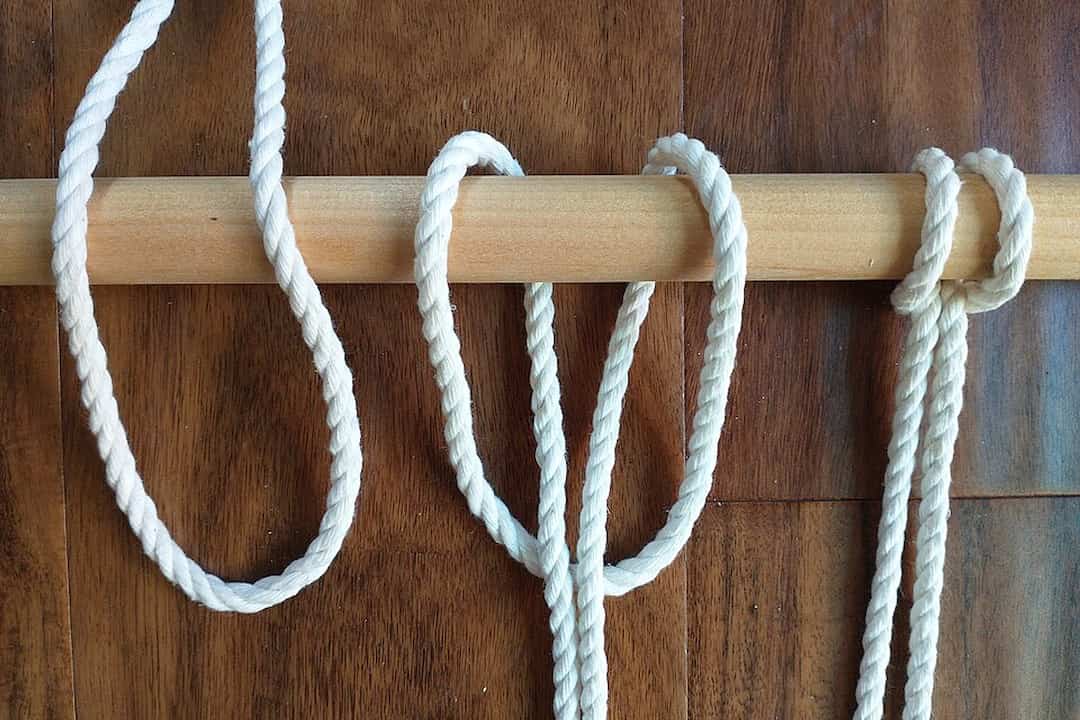
The girth hitch is one of the simplest knots you can tie. You use it to attach a rope quickly to an object like a tree or a pole.
To tie it, wrap the rope around the object and pass the end through the loop you made. It tightens under tension but is easy to untie when needed.
This knot is great for securing gear or creating anchor points in the outdoors.
Double Fisherman’s Knot
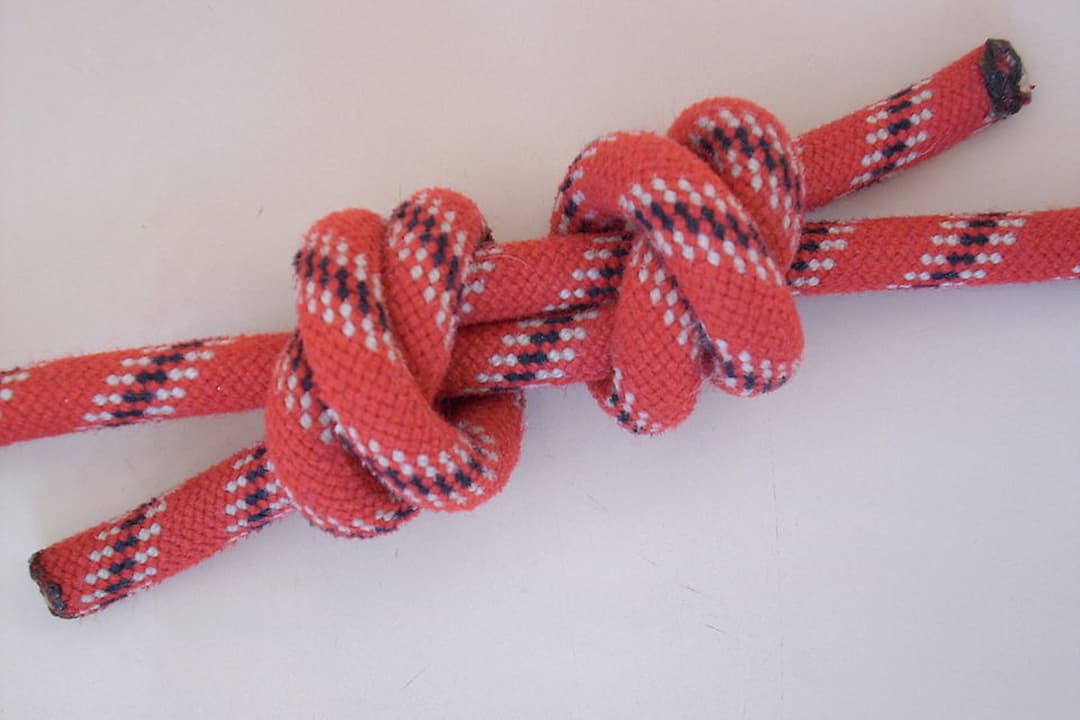
The Double Fisherman’s Knot is great when you need to join two ropes securely. You wrap each rope’s end around the other rope twice, then tuck the ends back through the loops and pull tight.
It’s very strong and won’t slip, but it can be tough to untie after heavy use. You’ll find it useful for climbing, fishing, or making loops in cord.
Trucker’s Hitch
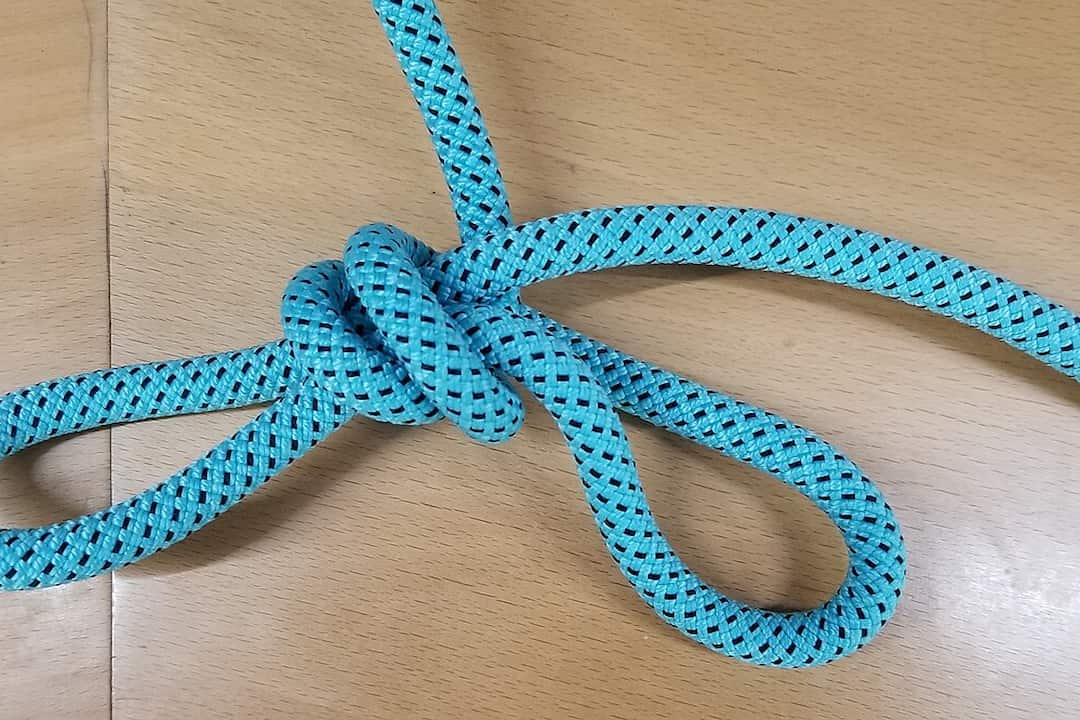
The Trucker’s Hitch is great for creating a strong, adjustable tension in your rope. You can use it to secure loads or tighten tarps quickly and efficiently.
It involves making a loop in the middle of the rope, then using a pulley-like effect to pull tight. A carabiner can make this knot easier to handle, but it’s not required.
Once tightened, you finish with a secure locking knot to keep the tension in place. This knot helps you control your rope with precision.
Alpine Butterfly Knot
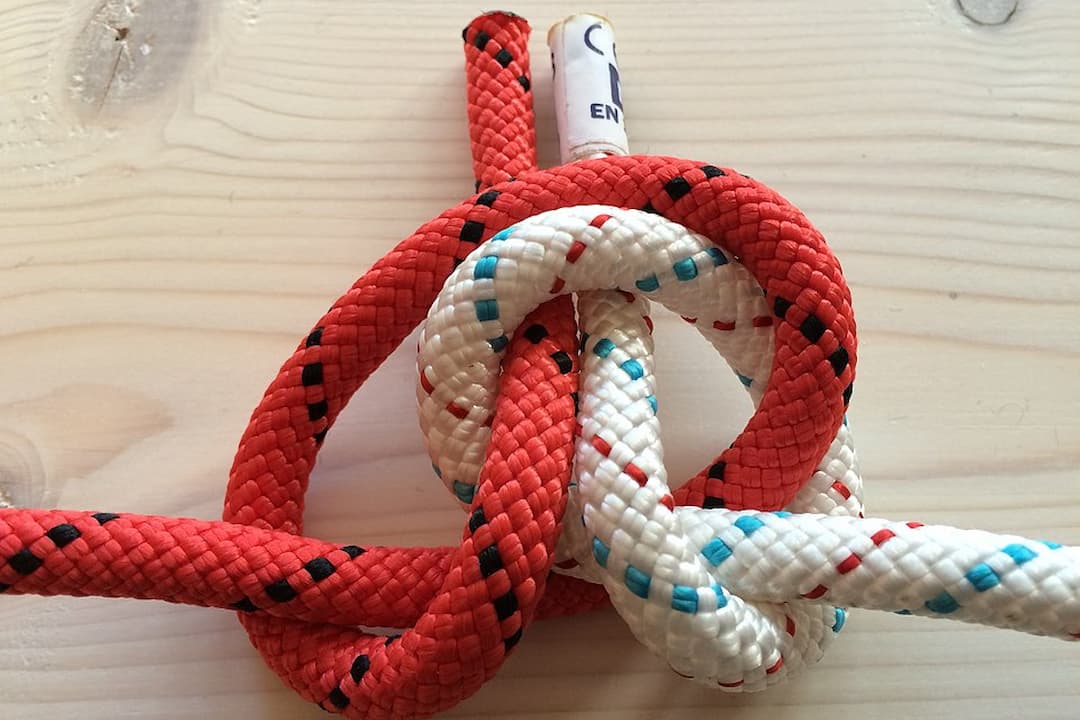
The Alpine Butterfly Knot is great when you need a secure loop in the middle of your rope. You can load it from any direction without it slipping or jamming.
It’s especially helpful if your rope has a weak spot, letting you isolate the damaged section safely. This knot is easy to tie once you practice, making it useful for camping or climbing.
Prusik Knot
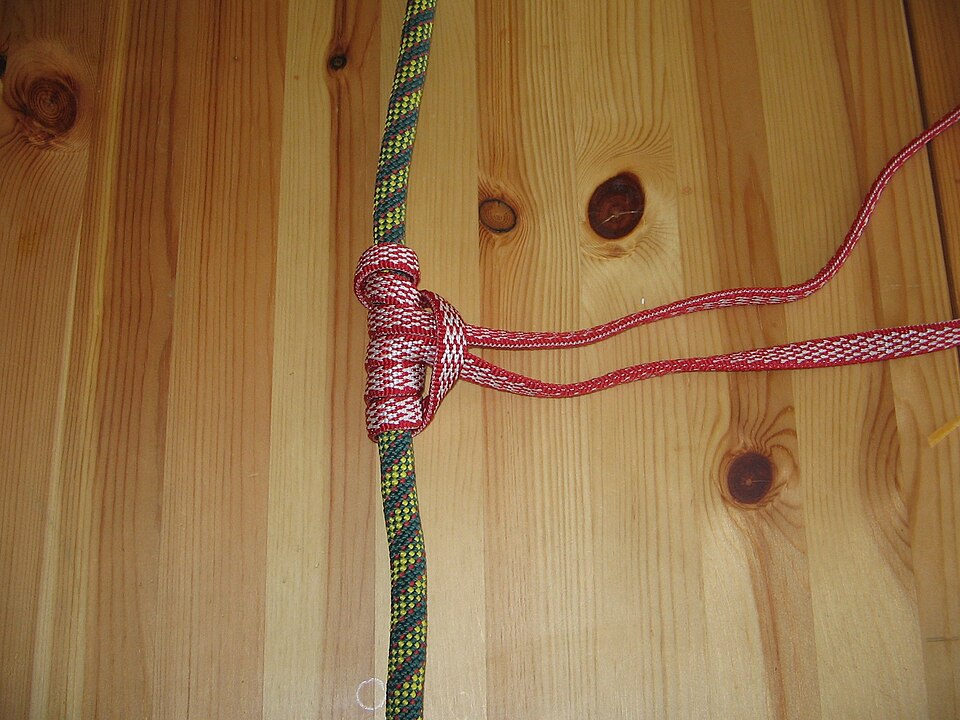
The Prusik knot is great for climbing and rescue situations. You tie it by wrapping a smaller rope or cord around a larger rope multiple times.
It creates a friction hitch that slides when not under load but grips tightly when weighted. You can use it to ascend ropes or as a backup safety knot. Give it a try next time you need a reliable, adjustable grip.
Water Knot
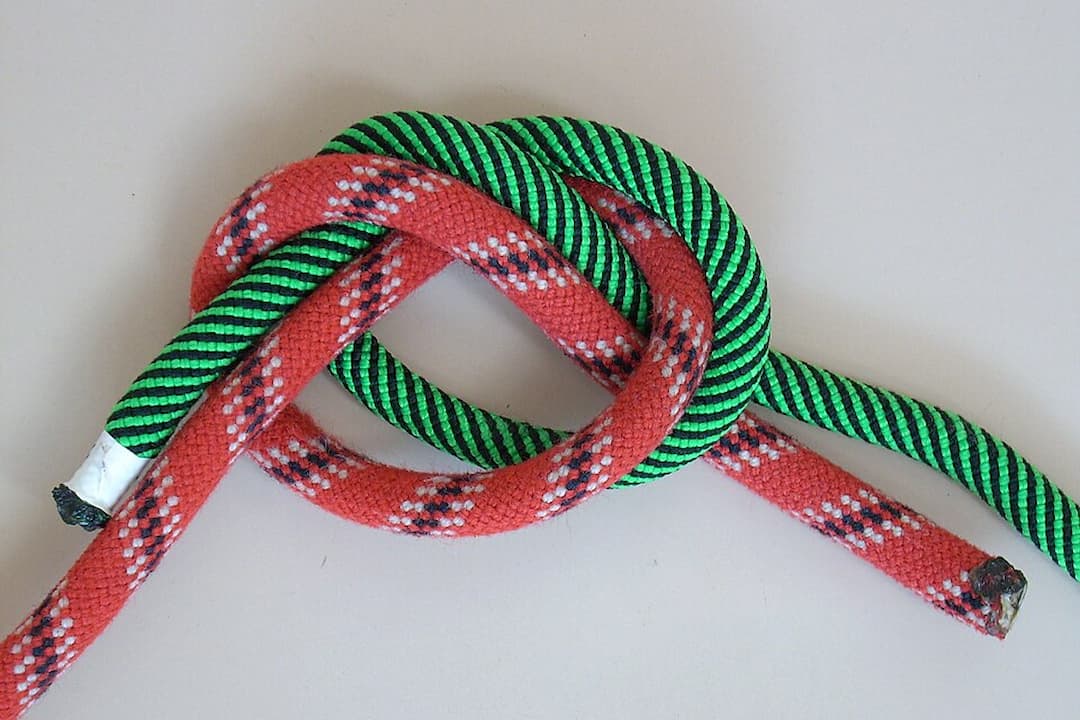
The water knot is great for joining two ends of webbing or flat cords. You start by tying a loose overhand knot in one strap.
Then, you pass the other strap back through the overhand knot in the opposite direction. This creates a secure loop that holds well under tension.
It’s useful for making slings or repairing gear when you need a strong, reliable connection. You’ll find it especially handy in climbing and outdoor activities.
Leave a Reply