

Sometimes, you might feel that an animal is close by even if you don’t see it right away. This can happen in different ways, through subtle signs or small changes in your surroundings. Understanding these signals can help you recognize when an animal is near.
Recognizing these signs allows you to connect more deeply with the natural world and be aware of the animals around you, even when they remain out of sight. Being attuned to these hints can make you more mindful of your environment and the creatures that share it with you.
Trampled grass or crushed leaves indicating a nearby animal bedding spot
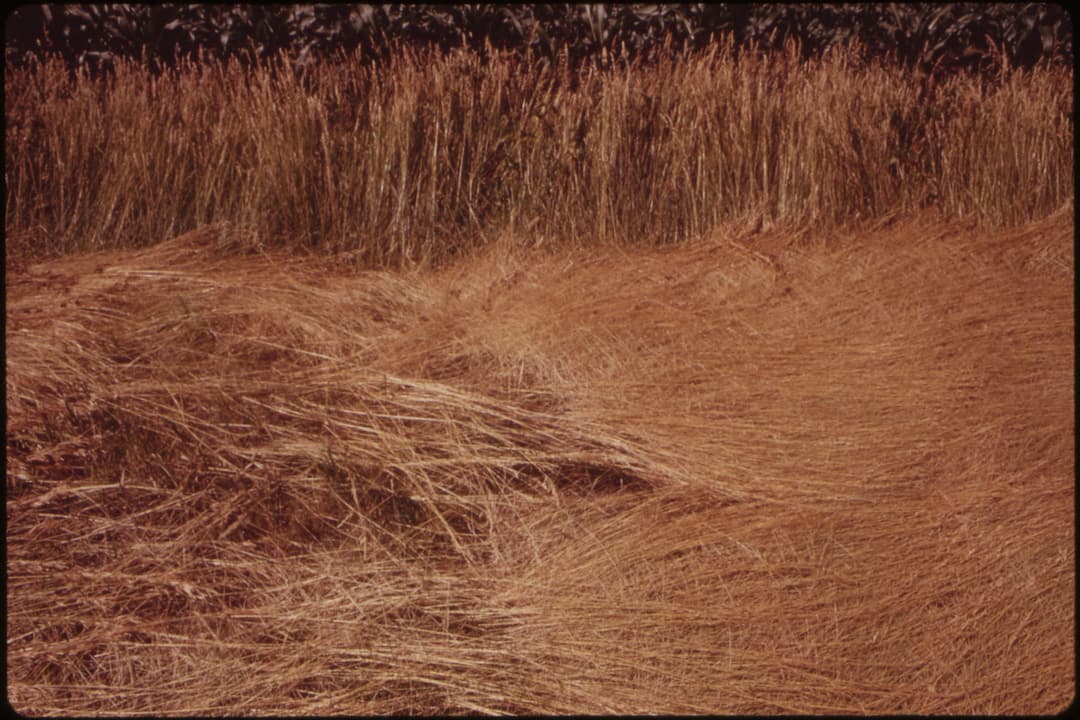
If you notice patches of grass that look flattened or leaves that are crushed, it might be a sign an animal has been resting there. Animals often create bedding spots by trampling vegetation to make a comfortable place to lie down.
These signs can be subtle, so take a close look if you want to find where an animal might be nearby. You might catch a glimpse or hear movement close to these areas.
Broken twigs or snapped small branches showing animal movement
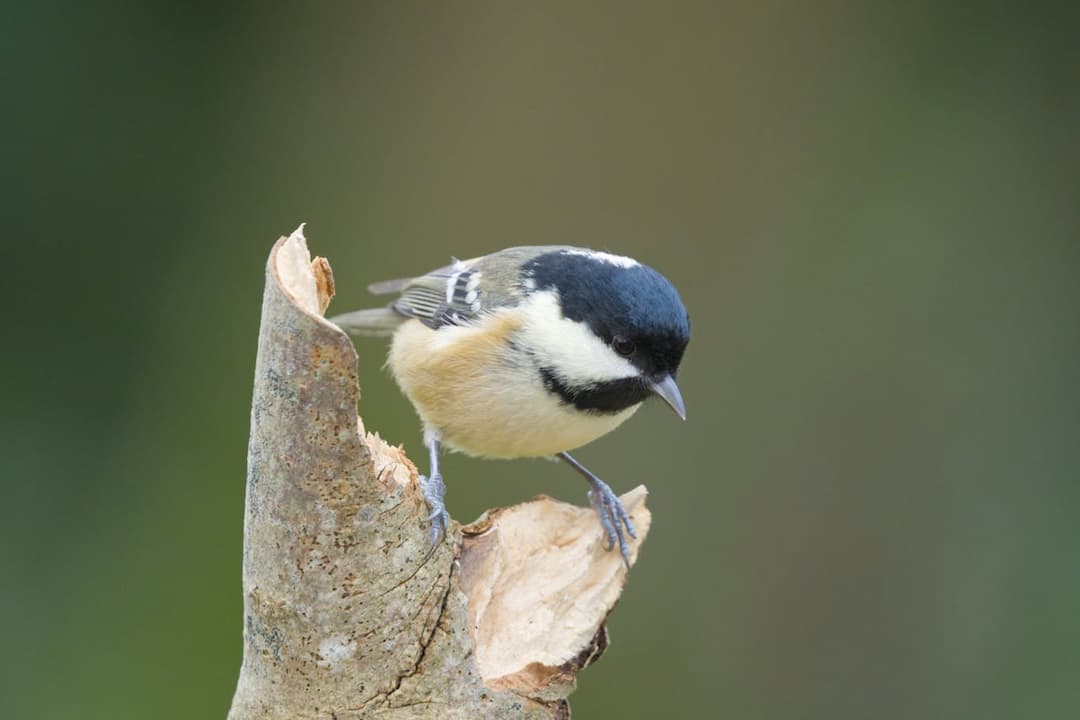
When you spot broken twigs or small branches off a trail, it often means an animal has moved through recently. These signs can show where animals brushed past or rested.
You might notice fur stuck to the broken branches, especially from animals like fishers or deer. Paying attention to these details helps you understand their path without needing to see the animal directly.
Fresh animal tracks or footprints in soft soil or mud
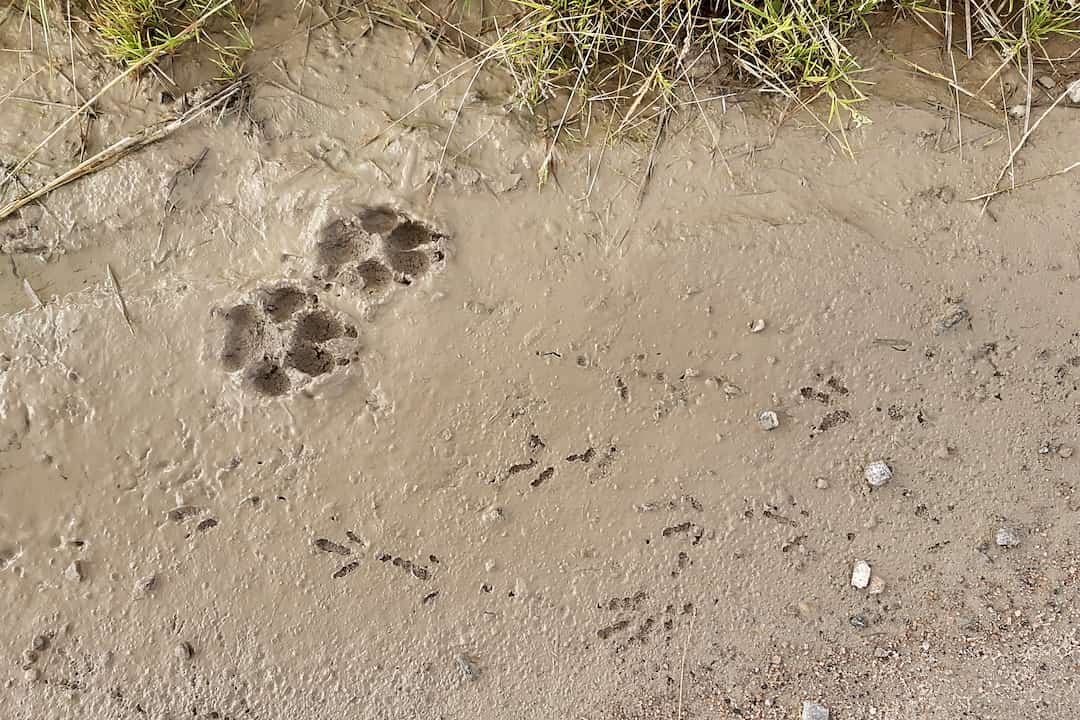
When you spot fresh tracks in soft soil or mud, it usually means an animal was nearby recently. You’ll often see clear, well-defined shapes of paws, hooves, or claws.
Look closely for displaced mud balls along the edges of the tracks. These small details show the tracks haven’t dried out or been disturbed, indicating they are fresh.
You can find these prints near water sources, trails, or places where animals search for food. Checking near bird feeders in your yard is a good idea too.
Rustling sounds from bushes or tall grass without visible source

When you hear rustling in bushes or tall grass but don’t see anything, it often means an animal is nearby. Small mammals like rodents or rabbits move quietly through vegetation, causing these subtle noises.
You might also notice birds fluttering or shifting, which can create rustling sounds. Sometimes, the wind can mimic this noise, but if it’s sudden or intermittent, pay attention—it could be a hidden visitor.
Distinct animal scat or droppings on trails or paths
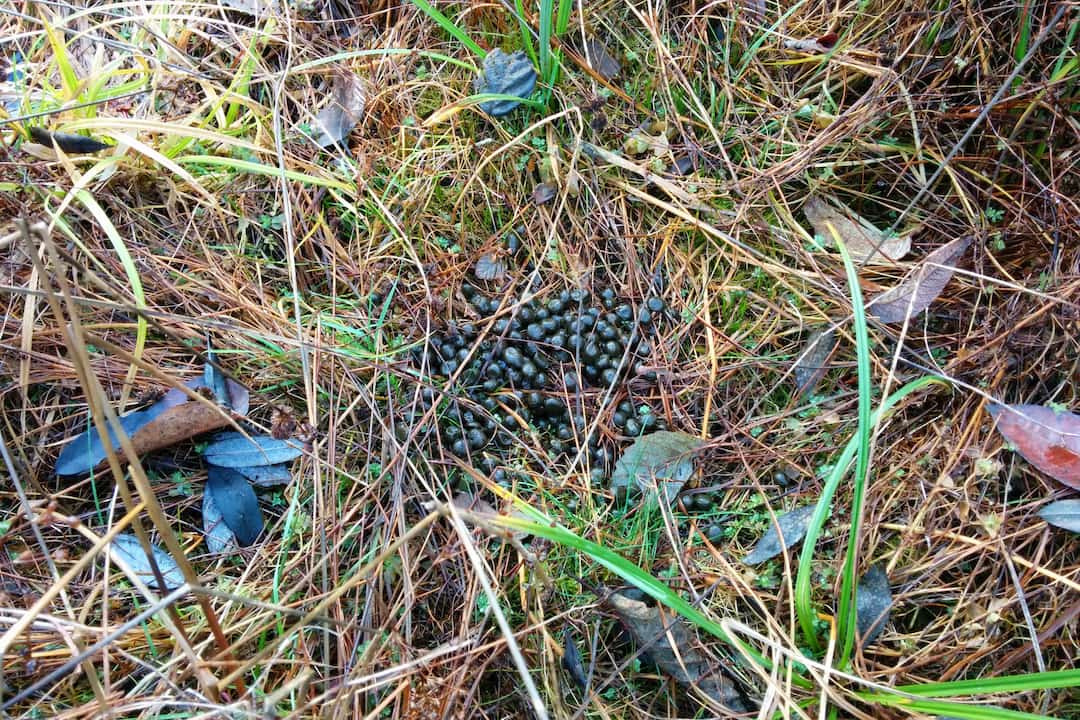
When you spot animal scat on a trail, it’s a good clue that wildlife is nearby. Different animals leave different shaped droppings, so you can often guess who’s been around.
For example, herbivores like deer leave small, round droppings in piles. Coyotes leave longer, more tubular scat, often near paths they travel.
Paying attention to these signs can tell you a lot about what animals are active in your area.
Hair or feathers caught on branches or fences
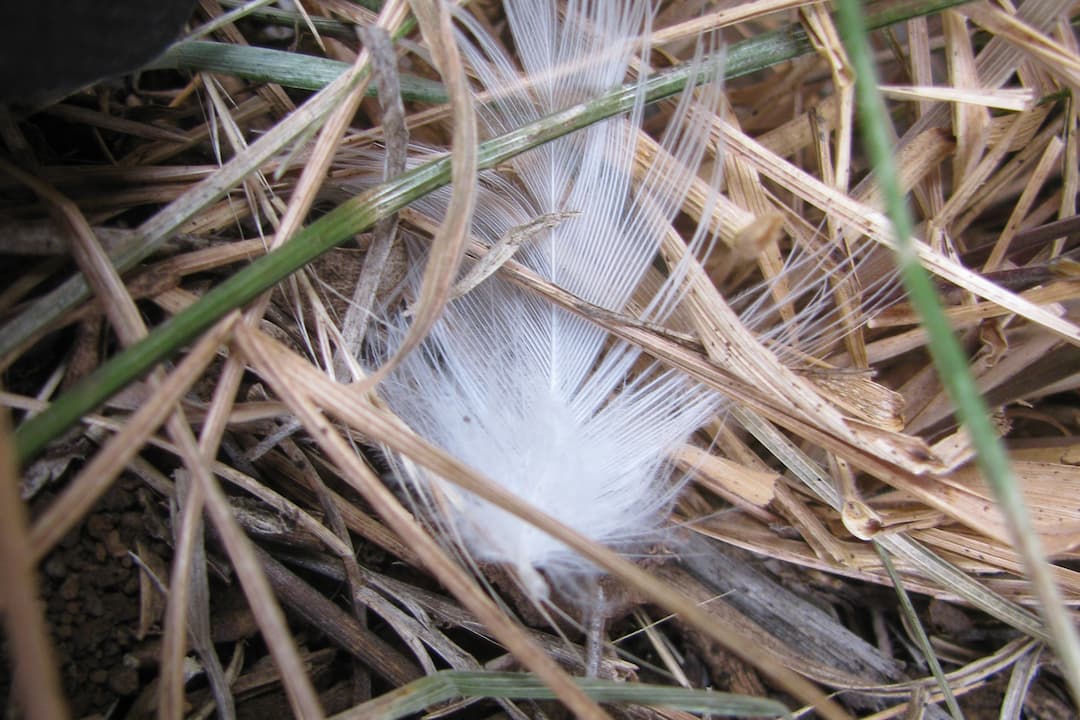
If you spot hair or feathers stuck on branches or fences, it’s a clear sign an animal passed through recently. Animals often brush against surfaces, leaving behind small traces.
You can learn a lot by looking closely at the color and texture. Feathers might mean birds are nearby, while fur points to mammals in the area.
Keep an eye out in places where animals travel often. These little clues help you know they’re close, even if you don’t see them.
Unusual animal calls or howls echoing nearby
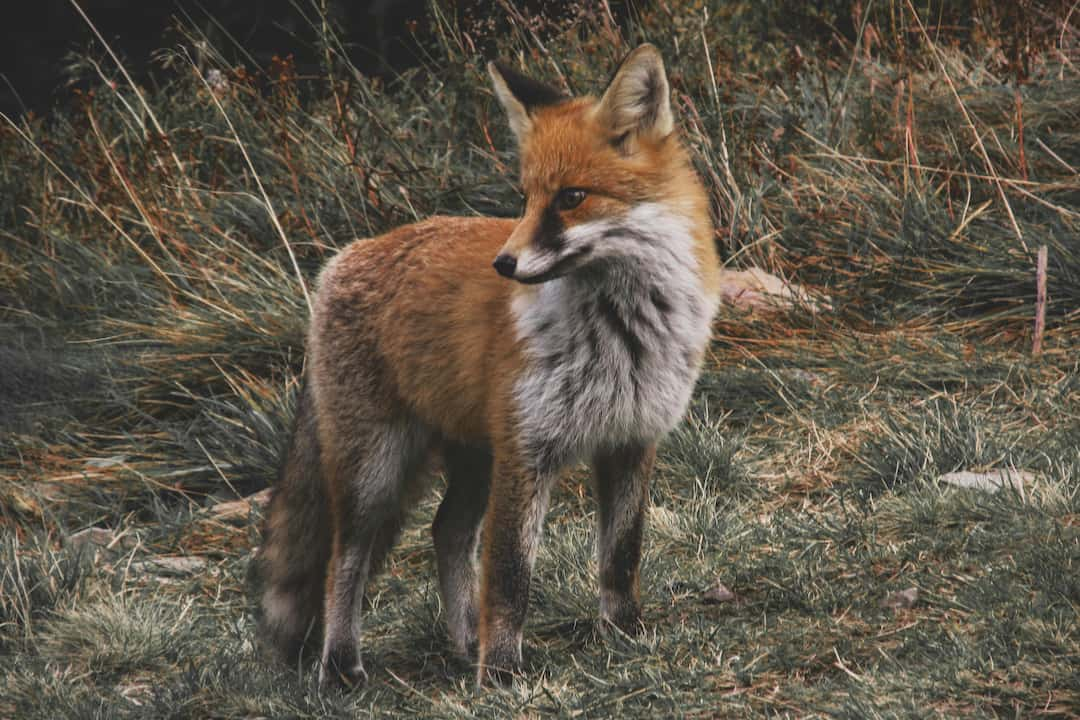
If you hear strange howls or calls, an animal might be close, even if you don’t see it. Foxes, for example, make loud, eerie screams that can be hard to locate.
Owls and other nocturnal animals often produce unusual screeches at night. These sounds can travel far, giving away their presence without a visual.
Pay attention to repeated or unusual noises. They often signal an animal nearby, using calls to communicate or mark territory.
Sudden silence of birds or insects signaling nearby predator
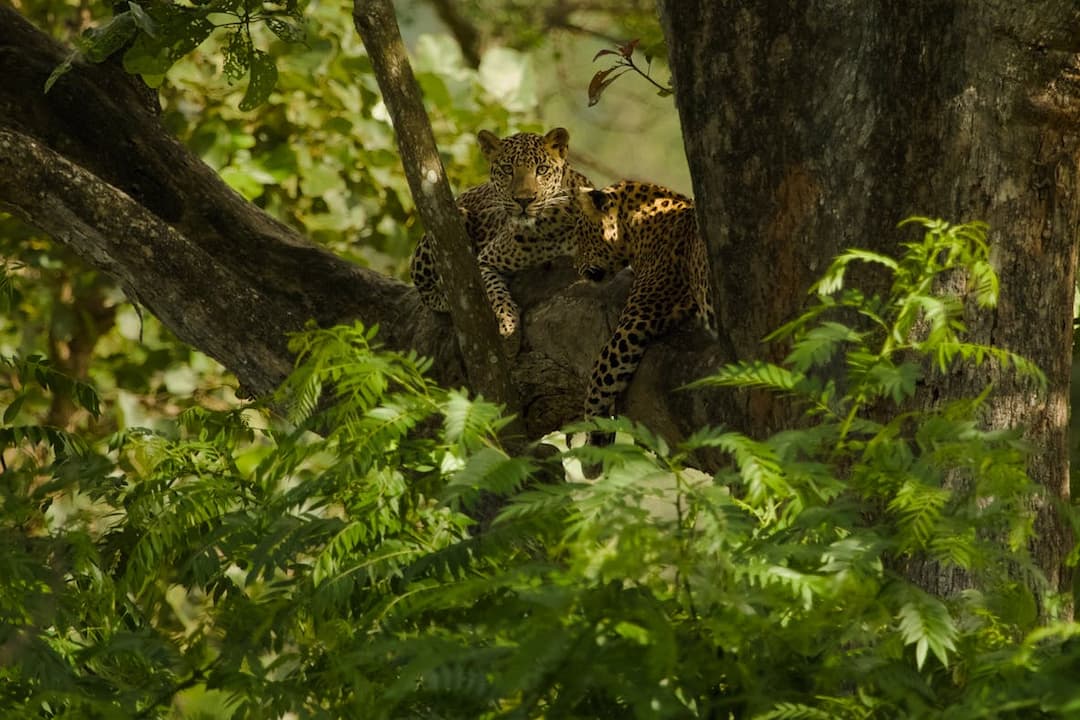
When you suddenly notice the birds and insects around you fall silent, it often means a predator is nearby. This quiet happens because prey animals stop making noise to avoid drawing attention.
You can use this sudden silence as a natural alert. It’s a sign to stay still and watch carefully, since something might be lurking close by.
Faint paw prints in snow or wet surfaces
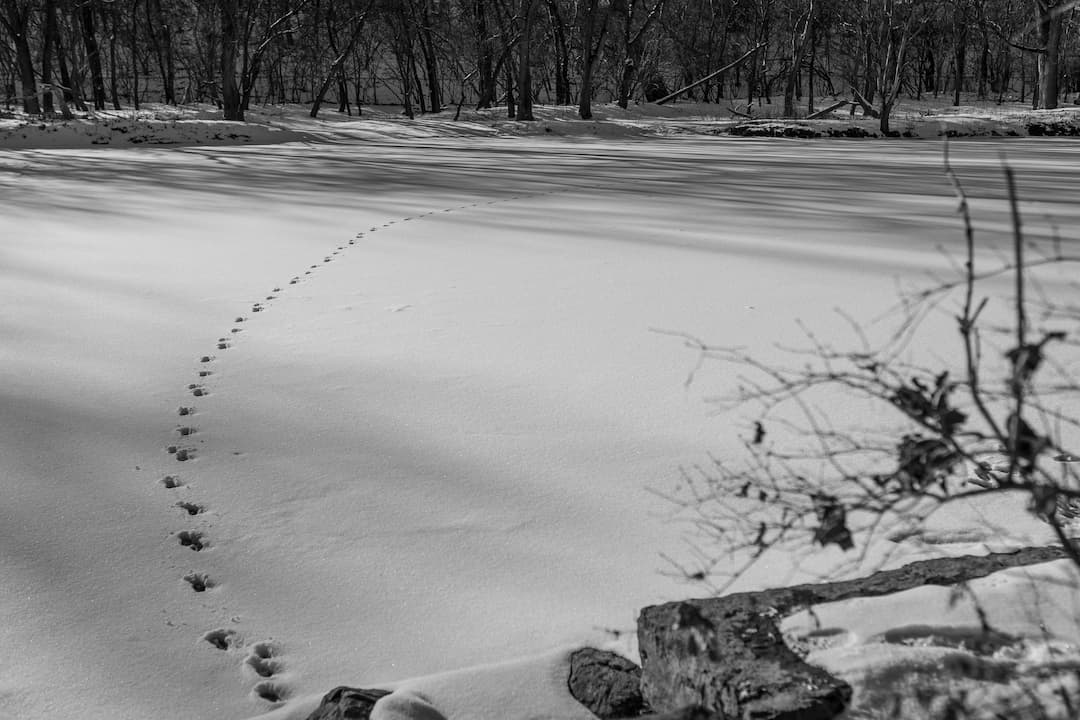
You might spot faint paw prints if you look closely on snowy or wet ground. These small marks can show you an animal was nearby recently.
Pay attention to the shape and size of the print. This helps you guess what kind of animal made them, whether it’s a fox, dog, or rabbit.
Don’t just focus on individual prints. The pattern they form as the animal moves offers clues about its behavior and direction.
Smell of musk or natural animal odor lingering in the air

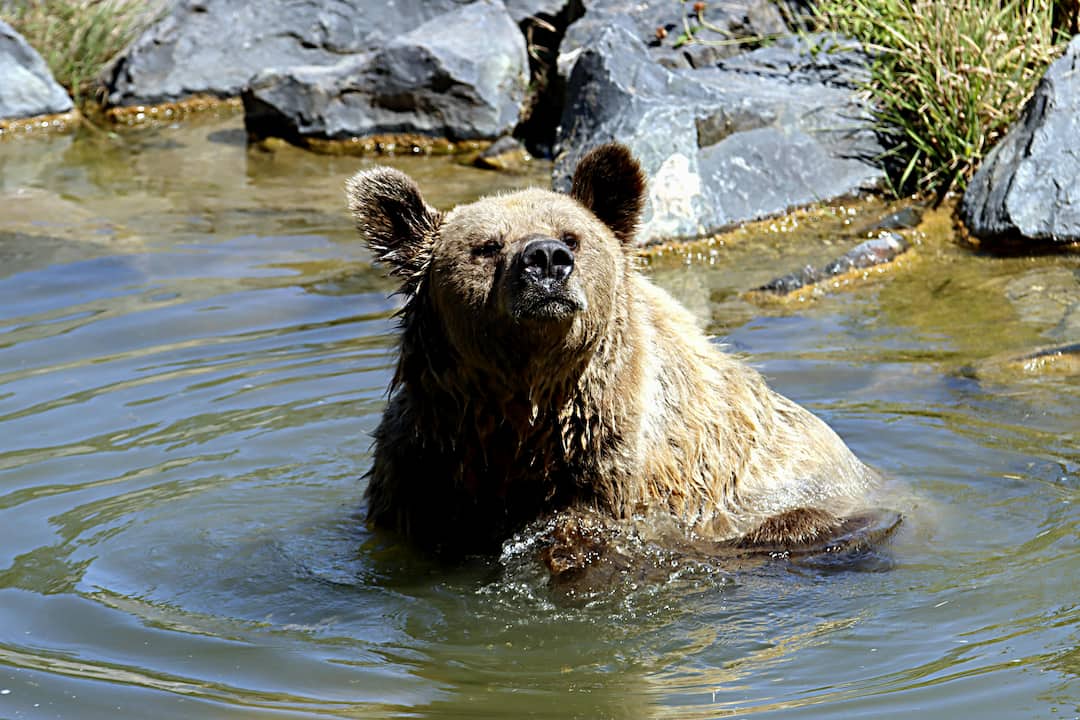
If you catch a musky or earthy scent while outdoors, it might mean an animal is nearby. Certain animals, like bears, have distinct natural odors that are not unpleasant but quite noticeable.
You might also notice a unique smell from smaller mammals or rodents, especially in enclosed spaces. These odors come from their fur, glands, or waste, signaling their presence even if you don’t see them. Pay attention to unusual scents—they can guide you to hidden wildlife.
Distant thuds or footsteps on hollow ground surfaces
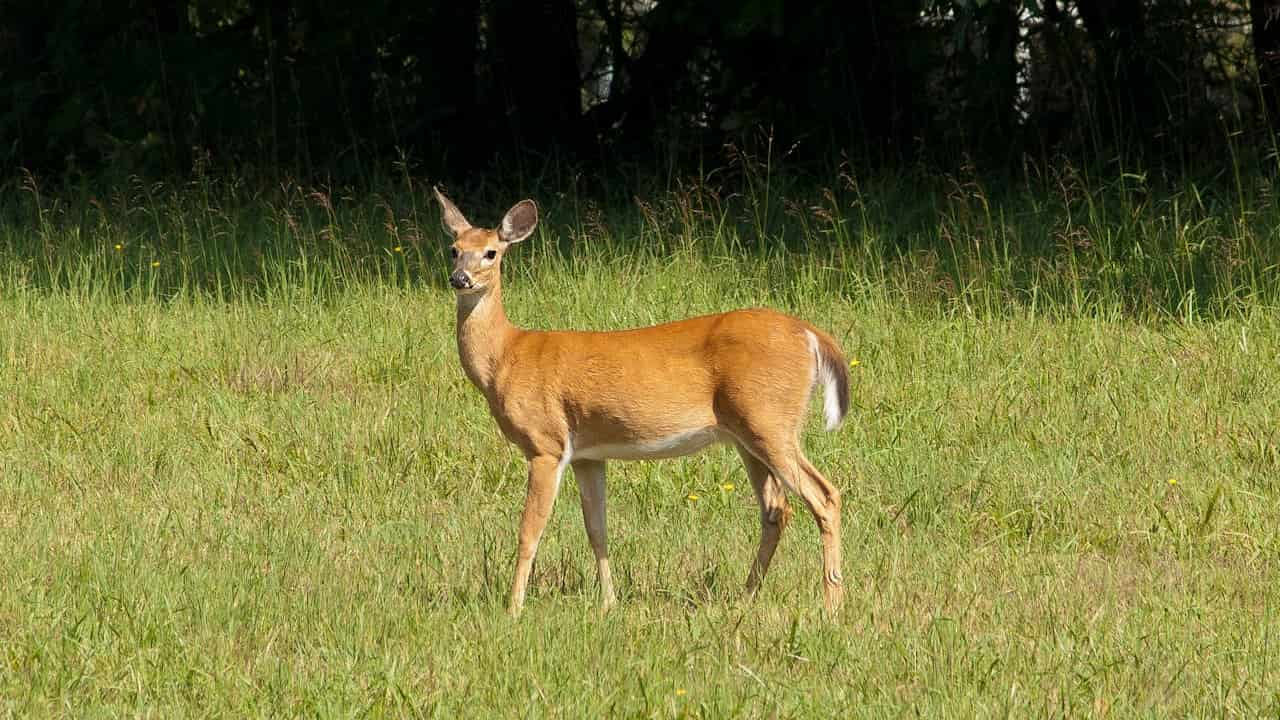
If you hear soft thuds or footsteps on hollow ground, it often means an animal is moving nearby. These sounds are usually subtle but distinct if you pay attention.
Hollow or dry surfaces can amplify the noise, making even small animals sound louder. You might notice these noises when walking through dry leaves, wooden bridges, or thin ice.
Listening for these footsteps can help you identify animals without seeing them. It’s a quiet way your surroundings alert you to nearby wildlife.
Shiny or wet noses seen in low light through foliage
When you’re quietly moving through the woods, keep an eye out for small glimmers near the ground.
A wet or shiny nose might catch faint light and reflect it, even if the animal itself stays hidden behind leaves or branches.
These subtle glints can signal that a curious creature is just out of sight, watching or sniffing around your path.
Pay close attention to these small reflections—they often mean an animal is nearby, though staying still and quiet is key to spotting it.
Glowing reflection of eyes in flashlight beam at night
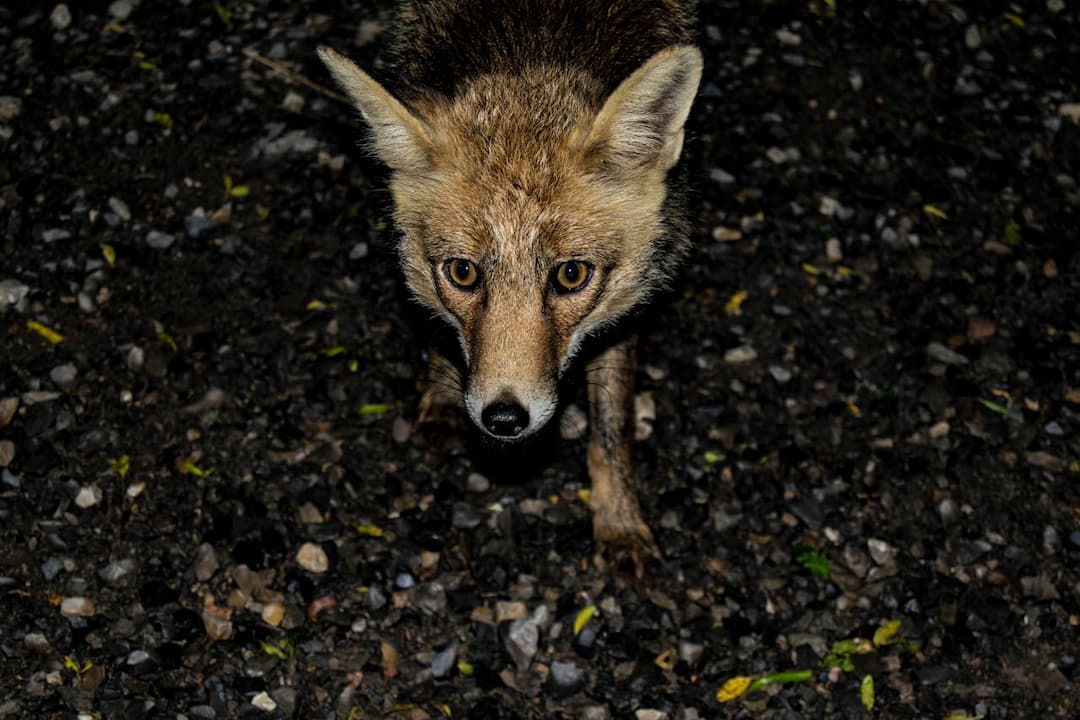
If you shine a flashlight around at night, you might notice glowing eyes reflecting back at you. This happens because many animals have a layer behind their retinas called the tapetum lucidum.
The tapetum lucidum helps animals see better in low light by reflecting light through their eyes. Different animals’ eyes can glow different colors, like green, yellow, or red.
When you spot these glowing reflections, it’s a good sign an animal is nearby, even if you don’t see the body right away. Keep an eye on movement or listen for sounds to learn more.
Disturbed nests or burrows near your location

If you find nests or burrows that look disturbed, it often means animals have been active nearby. This could be from a parent moving babies or animals searching for food.
Try not to touch or move these areas. Disturbing them may cause the animals to avoid the spot, especially if there are young ones present.
Keep an eye out for small holes or nests in quiet, sheltered spots. These signs usually show animals are living close by, even if you don’t see them.
Multiple scratch marks on tree trunks or rocks

When you spot several scratch marks on trees or rocks, it’s a good sign an animal has been nearby. Animals like bobcats and bears use these marks to sharpen claws or leave scent messages.
Look closely at the height and spacing of scratches. They can help you figure out which animal left them. For example, bobcats often leave claw marks around three feet high. Keep an eye out next time you’re outside!
Leave a Reply