
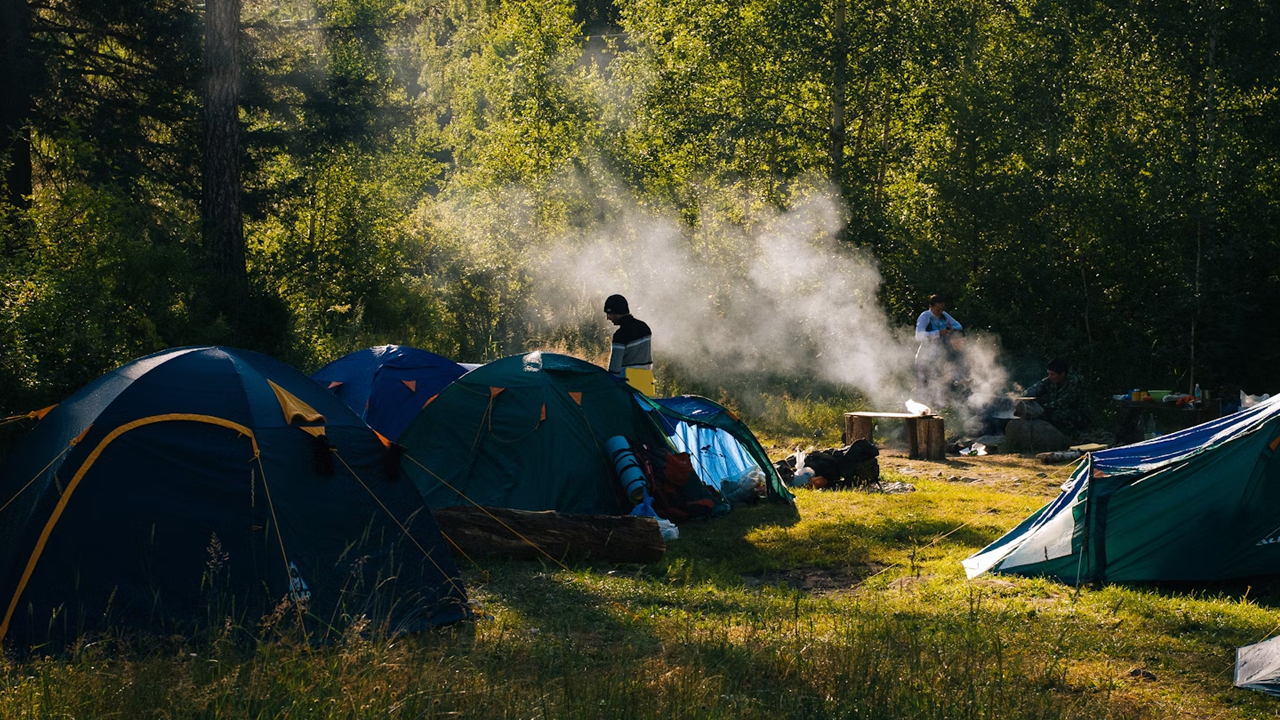
When you go camping, one of the biggest concerns is avoiding unwanted visits from wildlife. These encounters can be dangerous or simply disrupt your experience. Knowing what mistakes to avoid can help keep both you and the animals safe.
The key to preventing wildlife attraction lies in how you manage your food, trash, and campsite habits. By understanding common errors, you’ll be better prepared to enjoy the outdoors without drawing animals to your campsite.
Leaving food out overnight

You should never leave food out overnight while camping. Wildlife, especially bears, have a strong sense of smell and can detect your food from far away.
Leaving food exposed increases the chance of animals coming into your campsite, which can be dangerous for both you and the wildlife.
Always store your food securely in bear bags or locked containers away from your sleeping area. This helps keep your campsite safe and prevents animals from getting used to human food.
Storing food in non-bear-proof containers
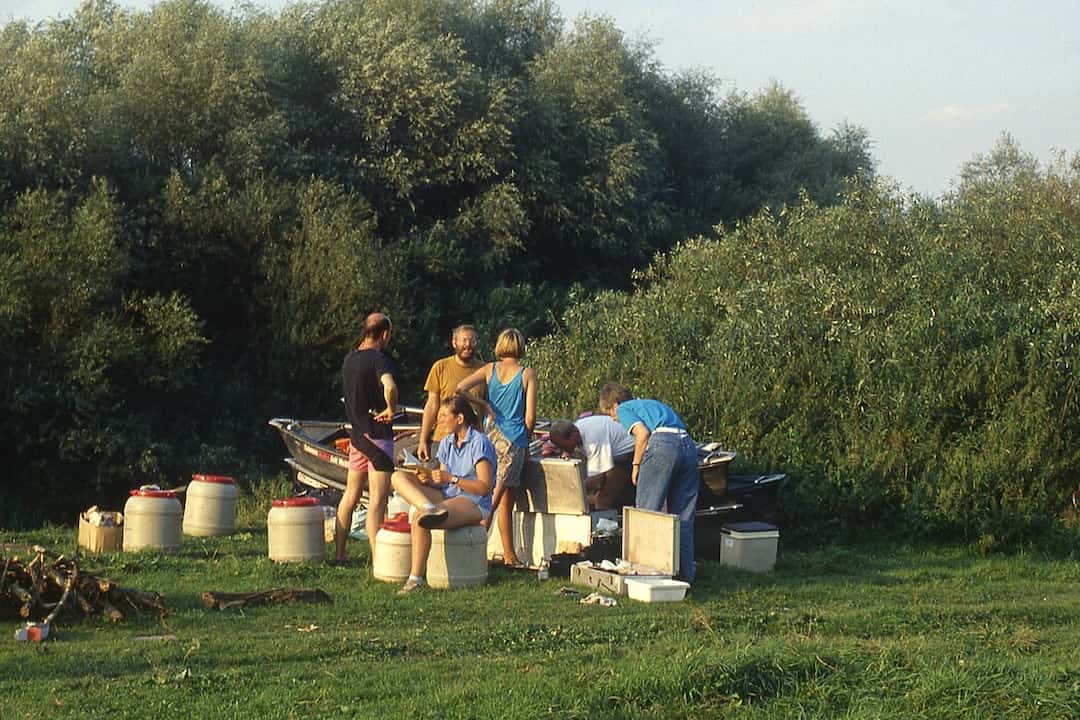
Using containers that aren’t specifically designed to keep bears away can lead to trouble. These containers may keep out smaller animals like mice or birds, but they won’t stop a bear.
If you store food in regular plastic bins or coolers, the smell can still attract wildlife. It’s best to use approved bear-proof canisters or lockers whenever possible.
Also, avoid keeping food inside your tent or vehicle. Bears are curious and can break in if food is accessible.
Feeding wildlife intentionally
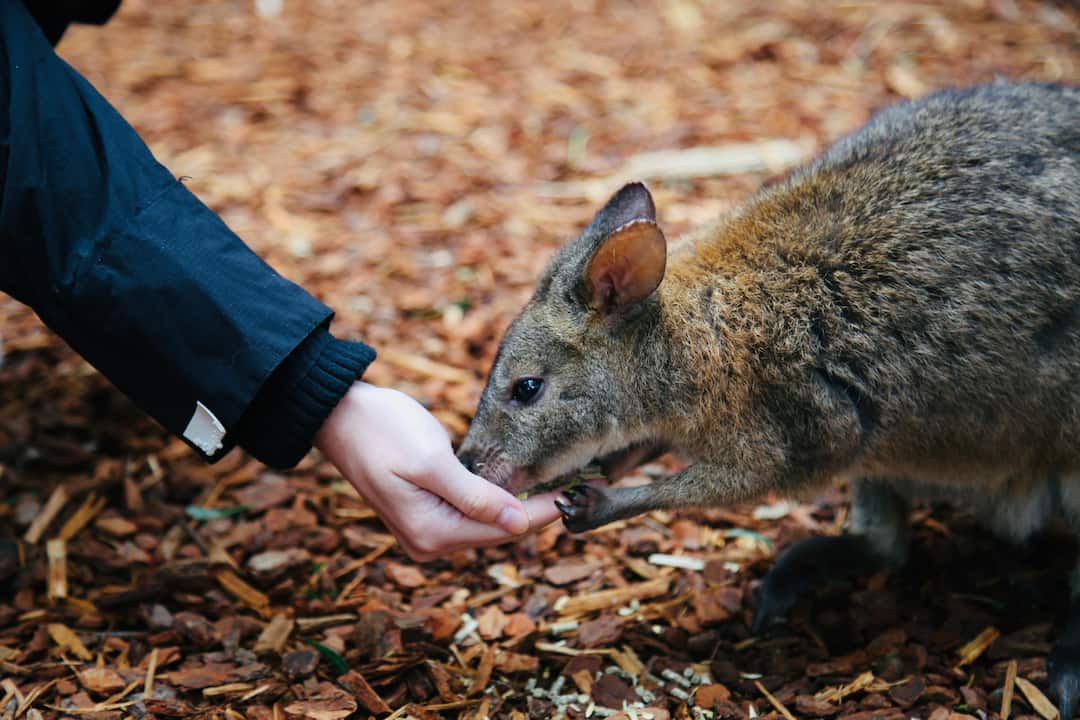
When you feed wild animals on purpose, you risk changing their natural behavior. They may start depending on humans for food instead of foraging on their own.
This can lead to problems like increased aggression or animals losing their fear of people. It might also put them in danger if they approach campsites expecting food.
Avoid feeding wildlife to keep both yourself and the animals safe. It’s better to observe from a distance without interfering with their natural habits.
Improperly disposing of trash
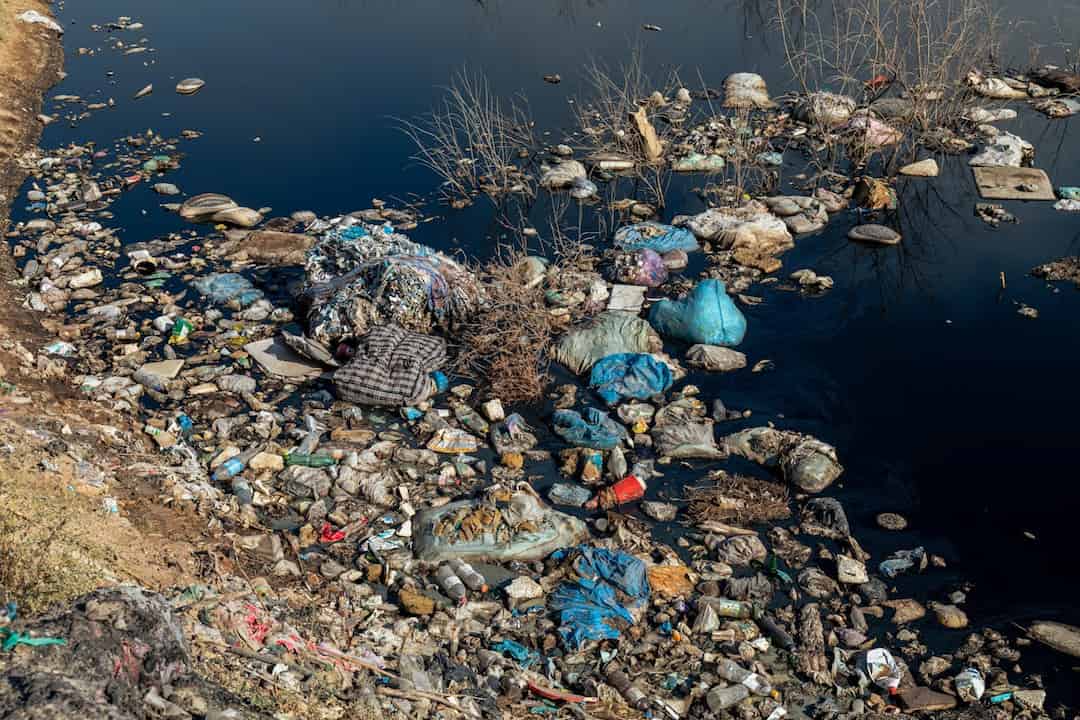
When you leave trash behind or don’t secure it properly, it attracts wildlife. Animals are drawn to food scraps and wrappers because they smell what’s inside.
Even small bits of food waste can encourage animals to return and become reliant on human sources. Carry a trash bag with you to pack out all your garbage, including leftover food and grease.
Always use sealed containers or bear-proof bins if available. This helps keep animals safe and preserves the natural environment you’re enjoying.
Setting up camp near animal trails
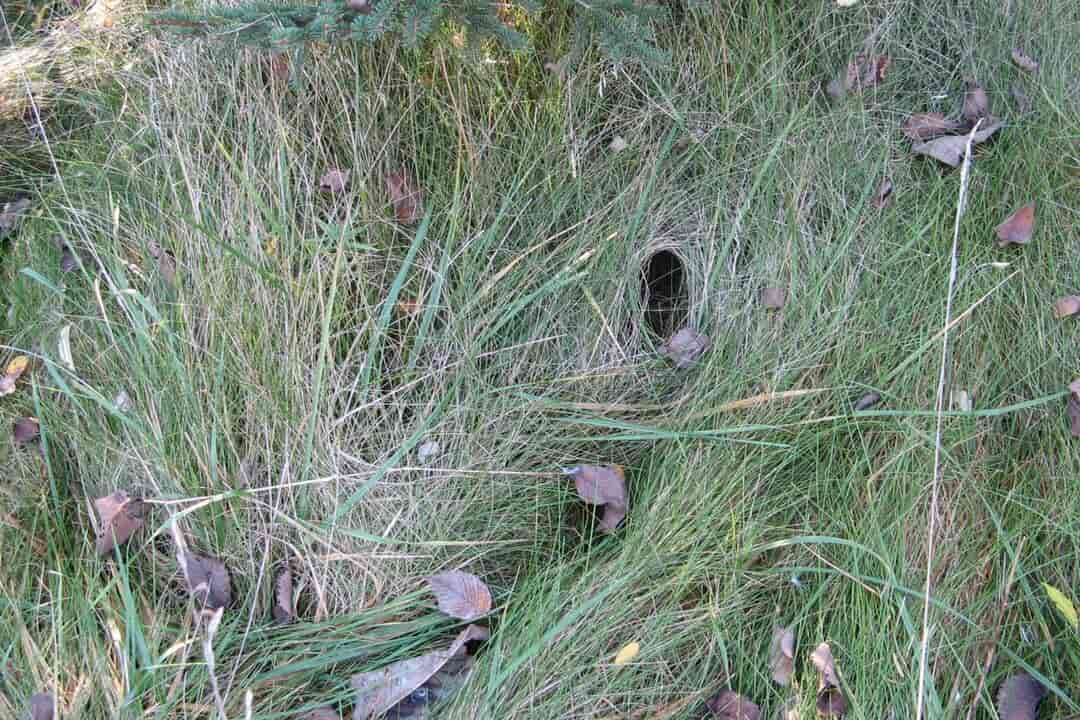
You should avoid setting up your camp near animal trails. These paths are often used by wildlife to move around, and camping nearby can increase the chances of unwanted encounters.
Look for signs like paw prints or scat before choosing your spot. It’s safer to pick a location away from well-worn paths to keep both you and the animals safe.
Using scented toiletries in camp

Using scented toiletries can attract animals like bears and raccoons. Many products contain food-based ingredients or strong smells that wildlife can easily detect.
It’s best to keep items like deodorant, toothpaste, and soap sealed and stored away from your sleeping area. If possible, use unscented or natural alternatives to reduce your scent footprint.
Remember, bugs are also drawn to these scents, so avoiding strong fragrances can make your camping experience more comfortable overall.
Wearing strong perfumes or colognes

Wearing strong perfumes or colognes can attract insects like bees and wasps. These bugs are drawn to sweet or floral scents, mistaking you for a flower.
This means you’re more likely to get unwanted attention from buzzing insects while camping.
To avoid this, consider skipping strong fragrances on your trip or using unscented products instead. It helps keep the bugs at bay and makes your outdoor experience more comfortable.
Not cleaning cooking utensils promptly
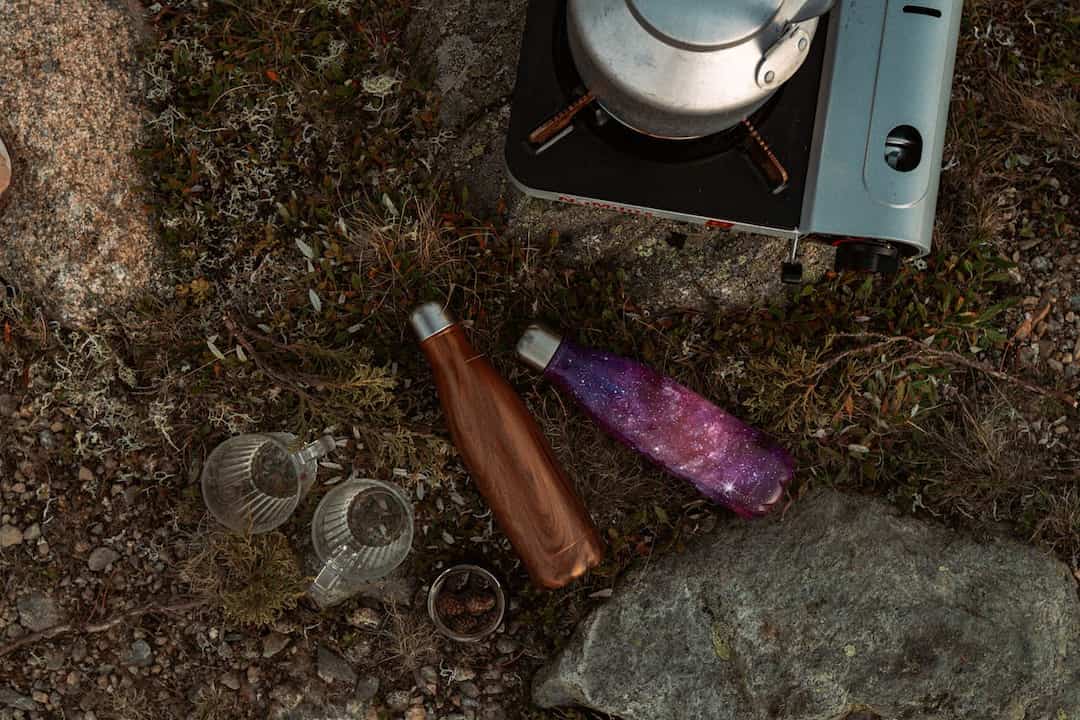
You should always clean your cooking utensils and dishes immediately after eating. Leaving food residues around your campsite can attract animals looking for an easy meal.
If you delay cleaning, wildlife will be drawn by the smells. This increases your chances of unwanted encounters. Use unscented soap and avoid washing directly in natural water sources to keep the area safe and clean.
Ignoring local fire bans affecting wildlife
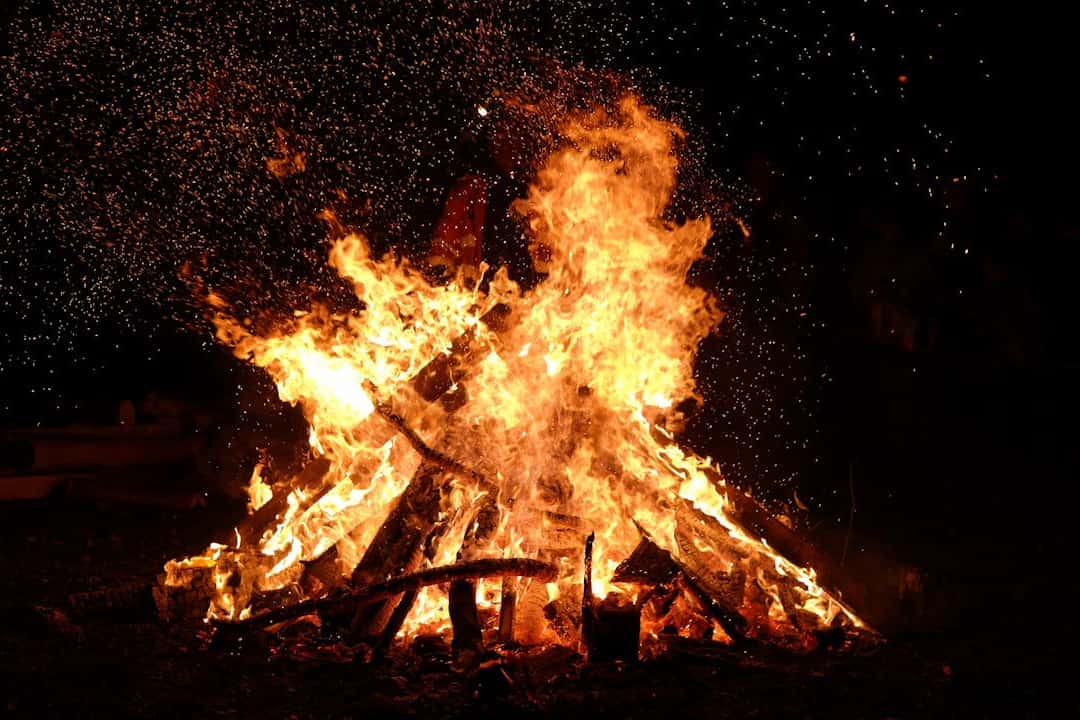
When you ignore fire bans, you increase the risk of wildfires that can destroy animal habitats. This not only endangers wildlife but also disrupts ecosystems.
Campfires attract animals searching for food or warmth. Following fire restrictions helps keep both you and wildlife safe.
Always check local fire rules before lighting a fire. Respecting these bans reduces danger and protects the natural environment you came to enjoy.
Relying solely on cell phones for emergency

You should not depend only on your cell phone when camping. Coverage can be spotty or nonexistent in many wilderness areas.
If you’re out of service range, your phone won’t help in an emergency. Consider carrying a satellite phone or a two-way satellite communicator as backup.
Relying solely on cell phones might also make you less prepared for real risks. Always have other safety tools and a clear plan.
Leaving pet food accessible
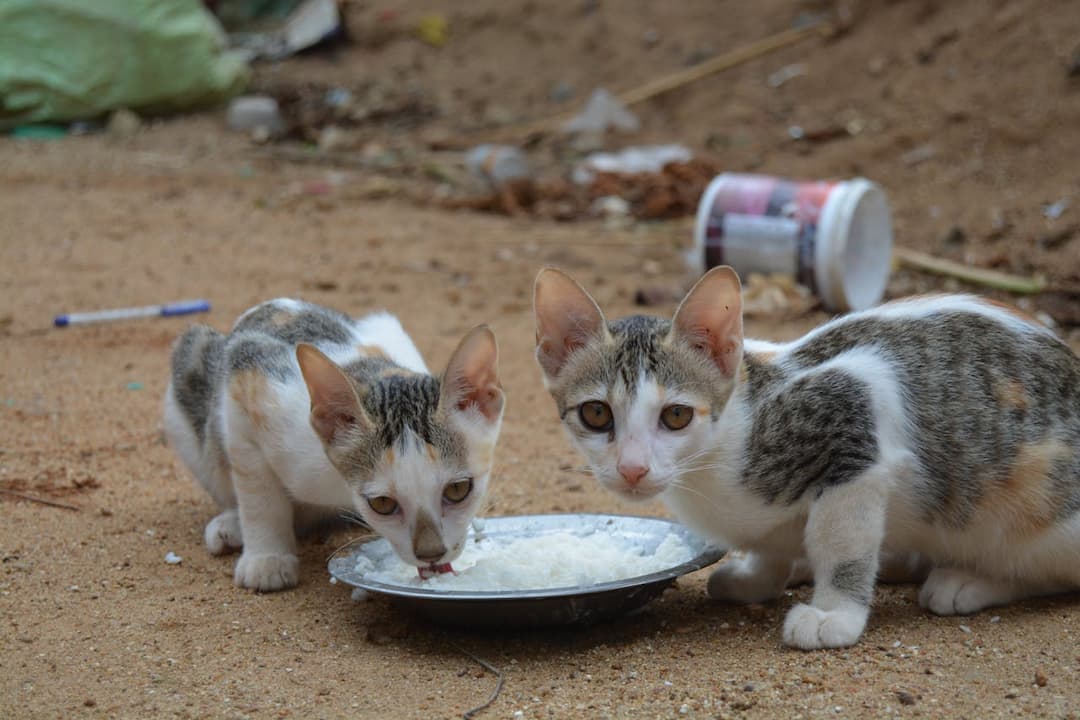
Leaving pet food out can attract wildlife just like human food does. Animals have a strong sense of smell and will come looking for an easy meal.
Be sure to store your pet’s food securely, especially at night. This helps keep both your pets and wildlife safe during your camping trip.
Failing to hang food bags high in trees

If you don’t hang your food bag high enough, animals like bears and rodents can easily reach it. Hanging food at least 10 feet off the ground and 4 feet away from tree trunks is important.
However, even a perfect hang may not stop determined animals. Sometimes, hanging bags is less effective than other methods. Make sure you also keep your food close and don’t leave it unattended for long.
Not making noise to deter animals

If you stay too quiet, animals may come closer without realizing you’re nearby. Making noise while hiking or around your campsite helps alert wildlife to your presence.
You can talk, sing, or use noisemakers to keep animals at a distance. Bears and other predators often avoid loud sounds because they prefer not to encounter humans.
Being noisy doesn’t mean being disruptive; it’s about safety for you and the animals around you.
Bringing food inside tents

You should avoid bringing food inside your tent. Food smells can attract animals like bears, raccoons, and rodents. These animals can damage your gear or disturb your sleep.
Keeping food outside in secure containers or hung from a tree is safer. Even small snacks can lure wildlife to your campsite. Protecting your food helps keep both you and the animals safe.
Leave a Reply