
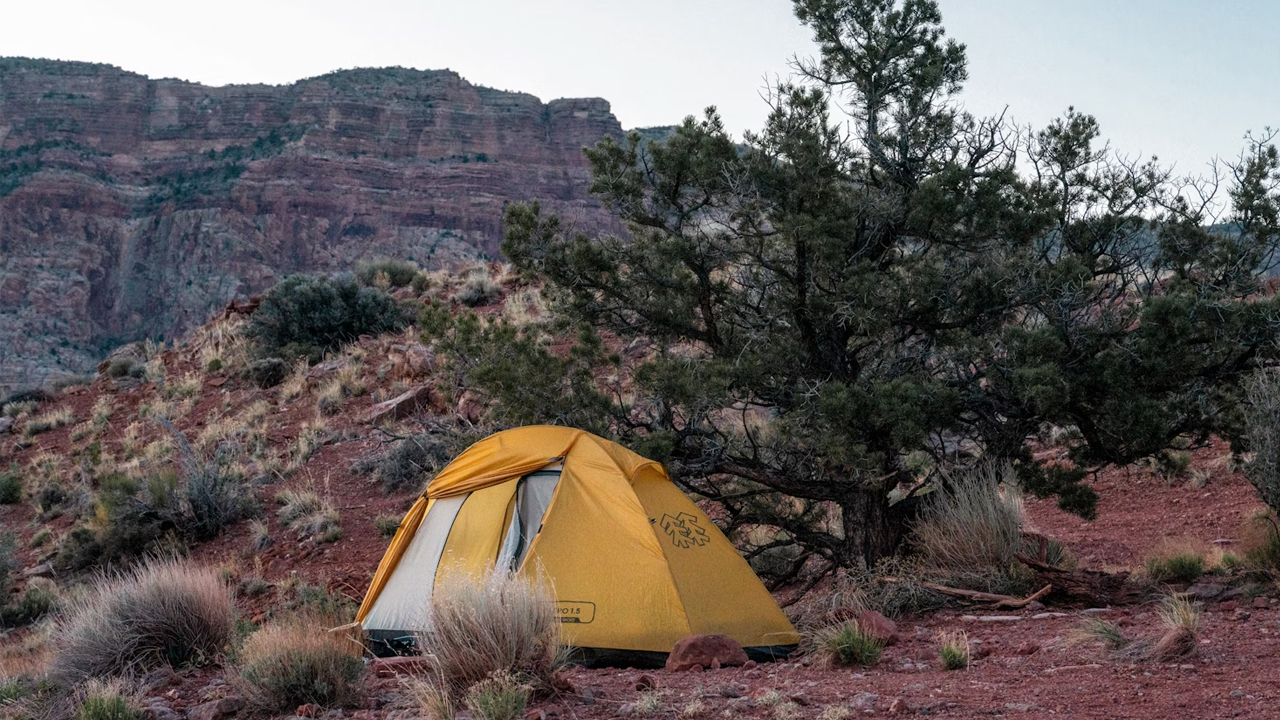
Camping off-grid offers a unique experience that goes beyond the usual outdoor adventures. It strips away modern conveniences and invites you to connect with nature in a more genuine way.
You’ll learn valuable lessons about self-reliance, simplicity, and how to adapt when you’re truly on your own. This article explores 14 things you’ll discover only by stepping off the grid and into the wild.
How to thrive without cell reception

When you lose cell service, staying calm is key. You can turn your phone off to save battery and only turn it on to check your location or signal briefly.
Bring alternative communication tools like a CB radio or satellite phone if possible. These can help you stay connected when cell networks fail.
Rely on natural landmarks for navigation instead of your phone’s GPS. Planning your route with maps and compass before heading out also helps you stay on track.
The value of shelf-stable canned foods
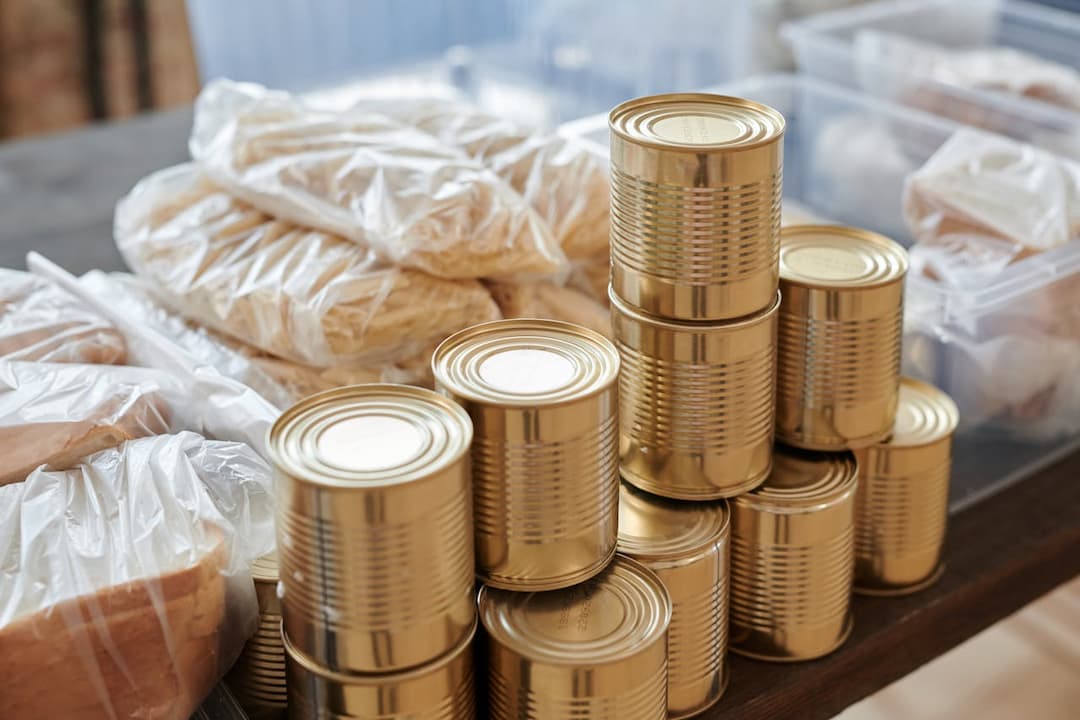
When you’re camping off-grid, canned foods become a reliable part of your supplies. They last a long time, often 10 years or more, if stored in a cool, dry place.
Canned foods give you easy access to a variety of meals without worrying about spoilage. You don’t need refrigeration, which is great when power is limited.
They also help reduce food waste since you can save leftovers sealed safely. Just be mindful of sodium and sugar content to keep meals balanced and healthy.
Mastering water conservation techniques
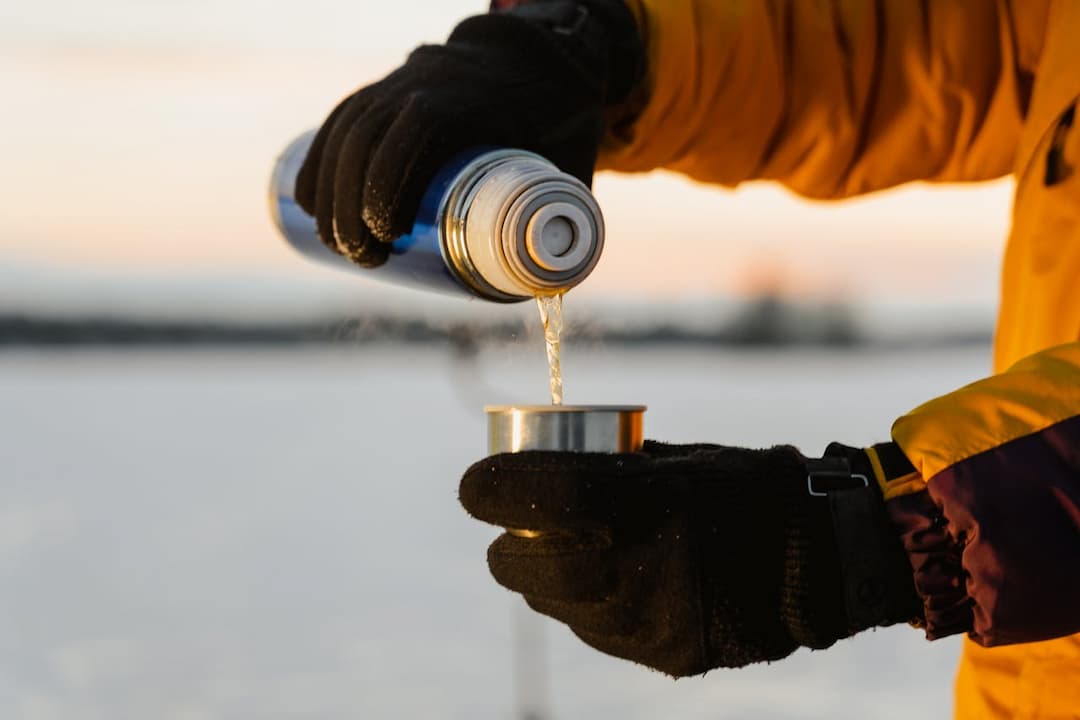
When camping off-grid, every drop counts. You’ll want to take quick, navy-style showers and only rinse off when necessary.
Using minimal water for cleaning is key. Try wipe-down methods for dishes and use biodegradable soap sparingly to reduce waste.
Be mindful of how much water you use, and consider carrying a small meter or container to track your consumption. This helps keep water use in check and avoids surprises.
Why propane is your trip limiter

When you camp off-grid, propane often sets the limit for how long you can stay. You rely on it for cooking, heating, and sometimes refrigeration.
Even though propane is dense and lasts longer than you might expect, it eventually runs out. Once you’re out, it’s not always easy to refill, especially in remote spots.
Your water supply usually runs out sooner, but propane is the fuel that directly controls your comfort and food preparation. Keep an eye on it!
Making noise to avoid surprising wildlife
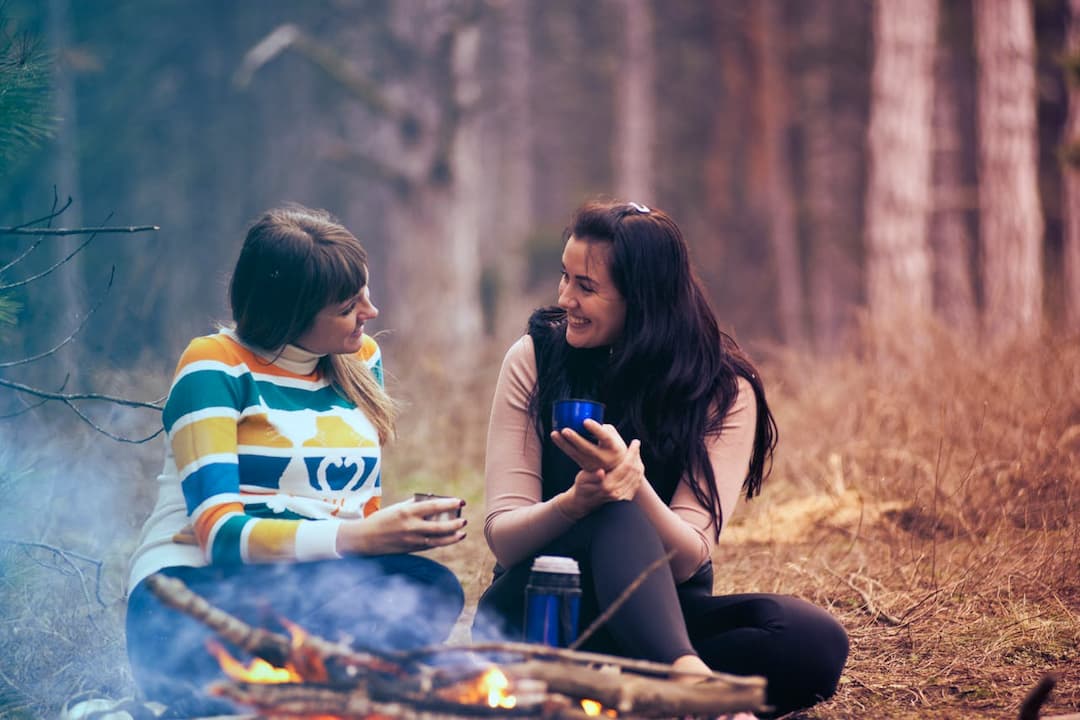
When camping off-grid, making noise helps alert animals to your presence. You don’t want to surprise them, and most animals prefer to avoid humans.
Talking, singing, or clapping during the day can keep wildlife at a distance. Before settling down for the night, a bit of noise around your campsite may reduce unexpected visits.
Remember, noises don’t have to be loud or continuous. Just enough to signal you’re there keeps both you and the animals safer.
Packing only what you truly need

When you camp off-grid, every item counts. You learn to be more intentional and pack only what is essential.
That means focusing on versatile gear that serves multiple purposes. For example, a good sleeping bag, a reliable fire starter, and basic cooking tools.
Avoid bringing unnecessary extras like heavy furniture or multiple pairs of shoes. The lighter your pack, the easier your trip will be.
Appreciating simple everyday pleasures
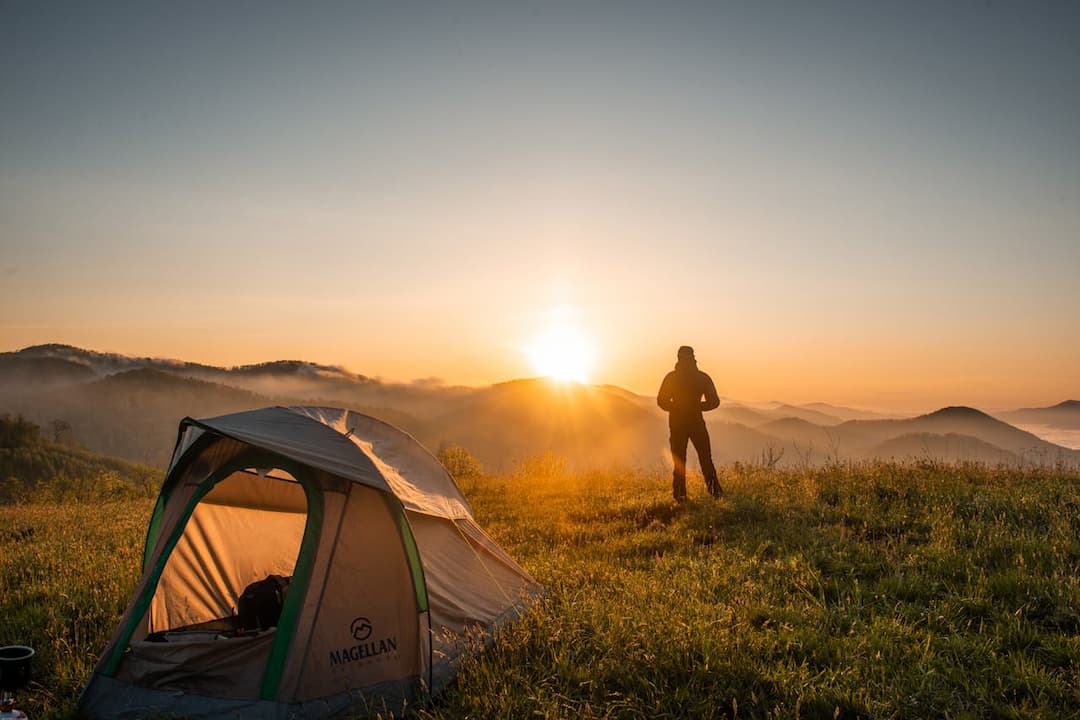
When you camp off-grid, you start noticing the little things more. The fresh morning air, the sound of birds, or even the warmth of a campfire feels special.
You learn to enjoy moments like watching the sunrise or sipping a quiet cup of tea. These simple pleasures become meaningful without the usual distractions.
This slower pace helps you see that happiness doesn’t need fancy things. Sometimes, all you need is nature and a peaceful moment to feel content.
Setting up solar panels effectively
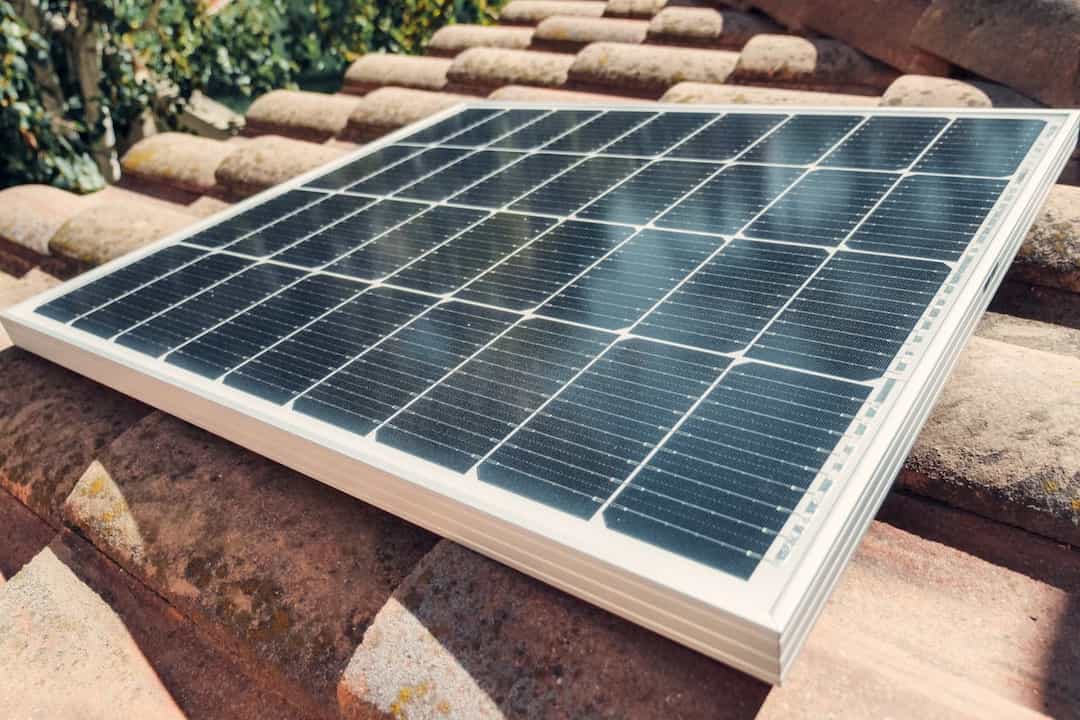
When you set up solar panels, location is key. Place them where they get the most direct sunlight throughout the day.
Make sure your panels are securely mounted and angled to catch the sun best. Adjusting the angle seasonally can help maximize power.
Don’t forget to connect your panels to a good battery system. This stores power for cloudy days or nighttime use, keeping you powered off-grid.
Choosing the right LED lights off-grid
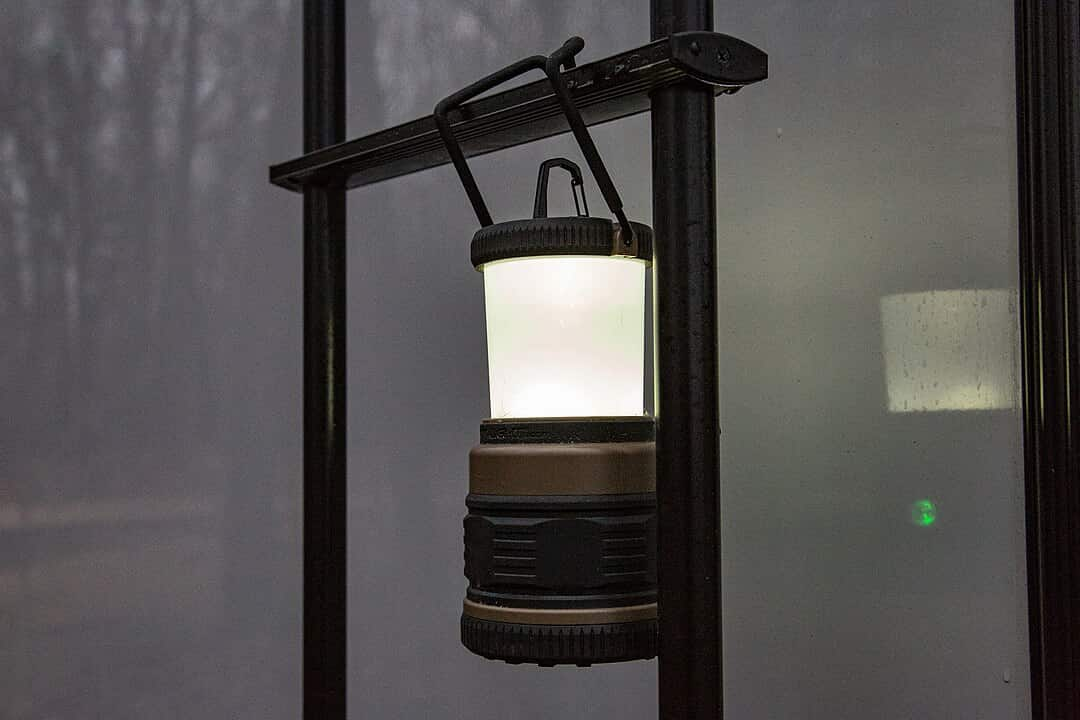
When camping off-grid, you want LED lights that run on low voltage, usually 12V. These are easy to power with common battery setups or small solar systems.
Look for outdoor-rated LEDs that can handle moisture and rougher conditions. They will last longer and keep you safer.
Simple options like 12V bulbs with standard screw bases can save you money and make replacements easy. Choose lights that fit your space and needs without overcomplicating your setup.
Navigating without GPS or phone
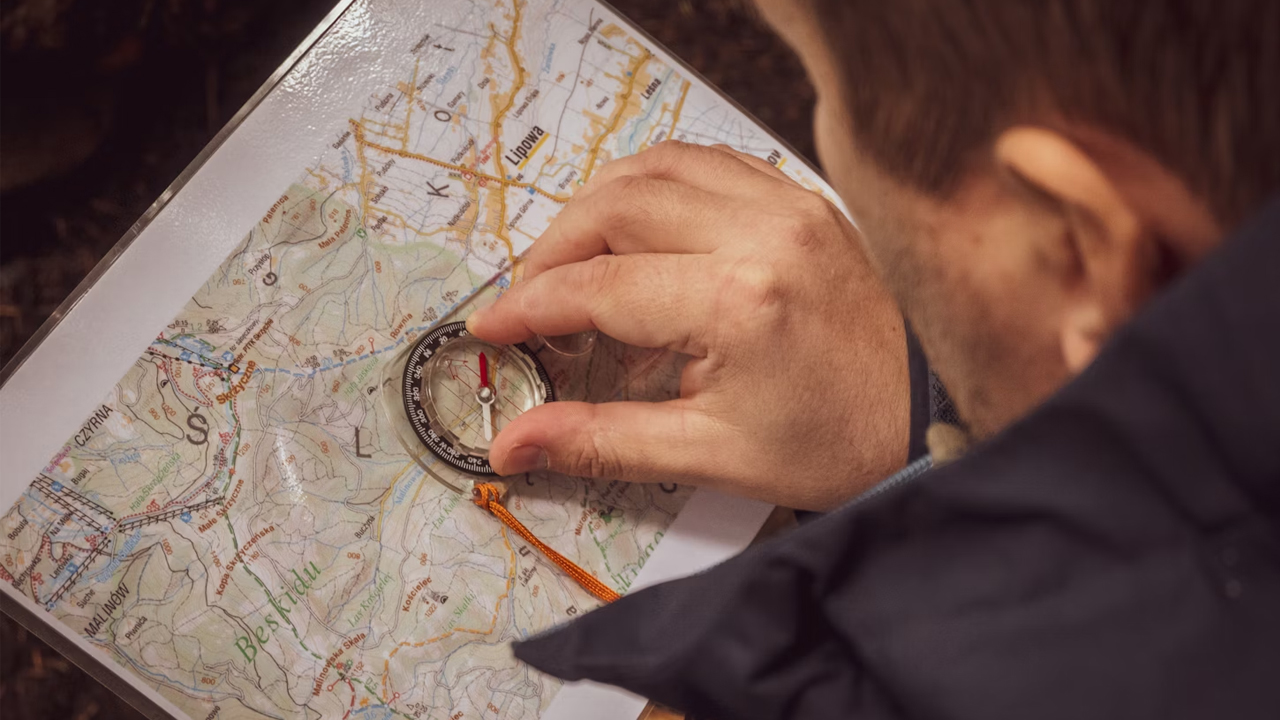
When you camp off-grid, you can’t always rely on your phone or GPS. Bringing a paper map and compass is essential. These tools help you understand your surroundings without needing batteries or signal.
Start by studying the area before your trip. Identify natural landmarks like rivers, roads, or trails to guide your way.
Always pay attention to the sun and other natural cues. They can help you keep your bearings when technology isn’t available.
Managing waste without toilets
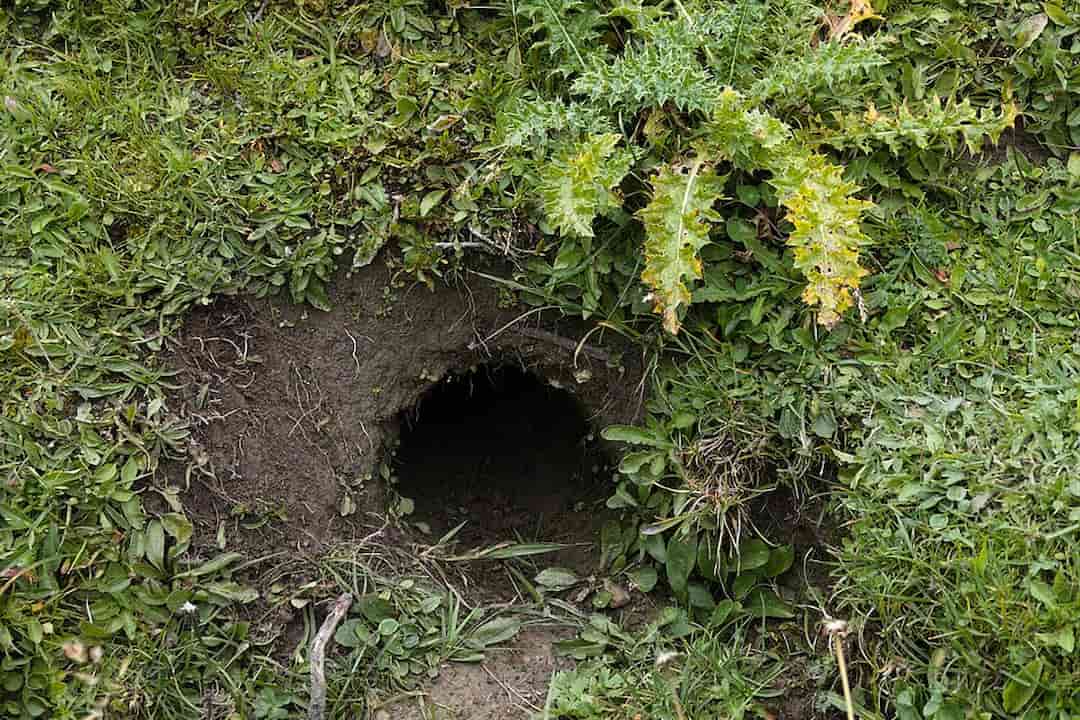
When you camp off-grid, you often don’t have access to traditional toilets. Instead, you might use a simple hole in the ground, called a cat hole, to bury your waste quickly and safely.
Composting is another option—you can create a small compost pile to break down human waste using natural processes. Just be sure to follow local guidelines so you don’t harm the environment.
If you want something low-maintenance, some campers use portable, waterless toilets that need minimal cleaning. These options help keep your campsite clean and comfortable.
Planning for no fresh water availability

You need to plan carefully for times when fresh water isn’t available. Carry a reliable water purification system to make natural sources safe to drink.
Bring enough containers to store water from lakes or streams.
Ration your water use by reducing tasks like dishwashing and using trickle methods to conserve. Staying hydrated is essential, so always prioritize finding and treating water first.
The joy of disconnecting from digital life
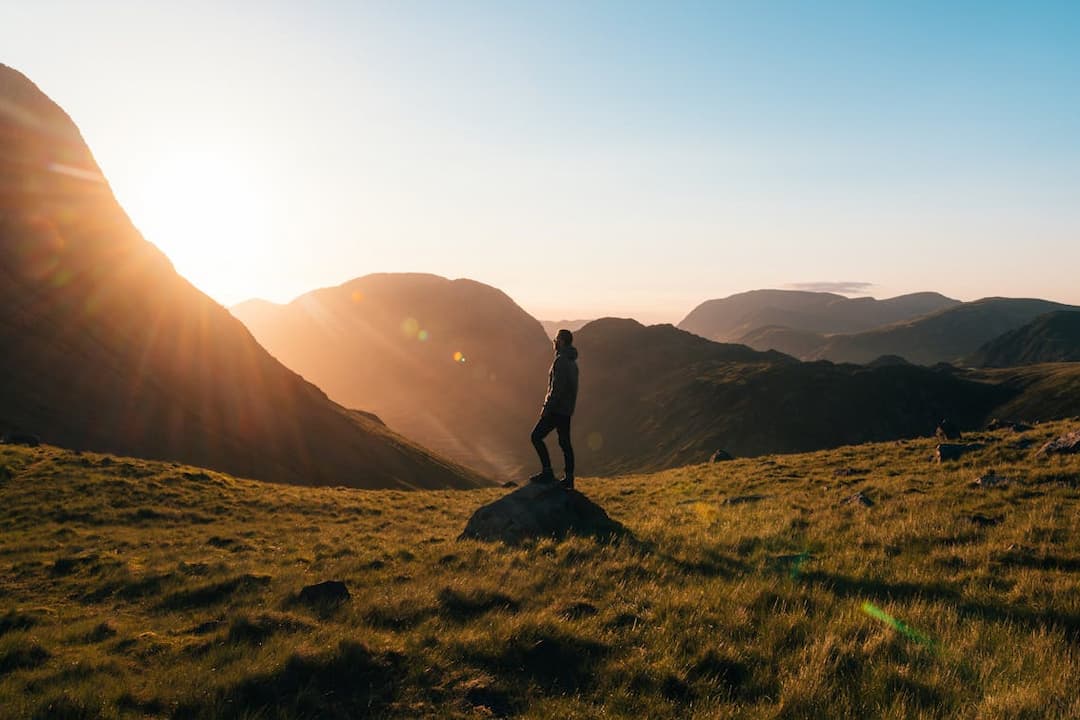
When you camp off-grid, you get a real break from constant notifications and screens. It feels good to leave your phone on silent and focus on the moment.
Without digital distractions, you notice simple things more—like birdsong or the rustle of leaves. This kind of disconnect can help your mind relax and refresh.
You also get to connect with the people around you without the usual interruptions. It’s a chance to enjoy pure, uninterrupted time with nature and your company.
How to secure food from animals
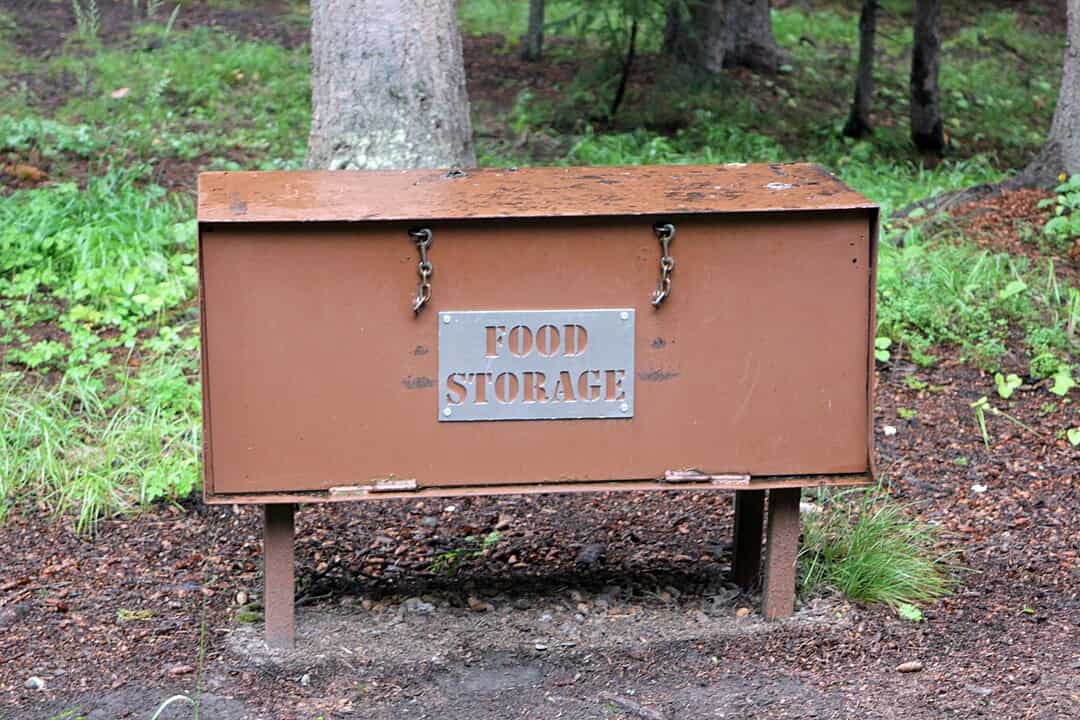
Keep your food out of reach by storing it in bear-proof containers or metal boxes when available. If these aren’t an option, use sealed plastic bags and hang your food at least 10 feet off the ground and 4 feet away from tree trunks.
Always cook and eat away from your sleeping area. Make sure to pack out all your trash or use designated bear-proof bins, so animals aren’t attracted to your campsite.
Leave a Reply