

Hiking alone offers a unique opportunity to connect with nature and yourself in a way group hikes often can’t. It invites you to slow down, make your own decisions, and experience the trail on your own terms.
You learn a lot about patience, self-reliance, and confidence when you take on a solo hike. These lessons go beyond the trail and can impact other parts of your life too.
Hiking alone helps you find peace and feel grounded

When you hike alone, you get a chance to disconnect from distractions and focus on the present moment. This quiet time can help you feel more centered and calm.
Being in nature on your own allows you to connect deeply with your surroundings. You might notice small details and sounds that often go unnoticed in a group.
You also learn to trust yourself, which builds confidence and a sense of inner peace. This grounding feeling often stays with you even after the hike ends.
You learn to trust your own decisions on the trail.

When you hike alone, you rely entirely on yourself. This teaches you to listen to your instincts and make choices without second-guessing.
You get better at reading the terrain, weather, and your own limits. Over time, your confidence grows because you understand your abilities and the situation around you.
Trusting your decisions helps you stay safe and enjoy the hike more. It’s a skill that carries over into many other parts of life.
Going at your own pace is empowering and refreshing.
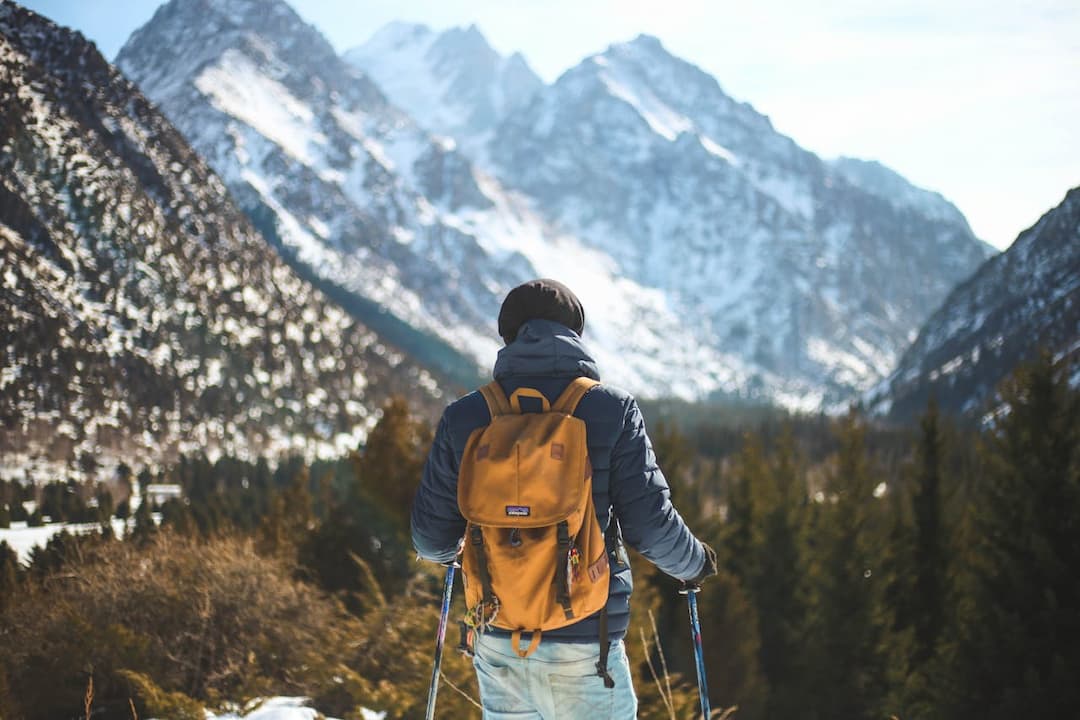
When you hike alone, you set your rhythm. You don’t have to wait for anyone or rush to keep up.
This freedom lets you enjoy the trail on your terms. You can pause to take in the view or speed up when you feel energized.
Going at your own pace also helps clear your mind. It’s a chance to reconnect with yourself without distractions.
You develop mental strength and perseverance
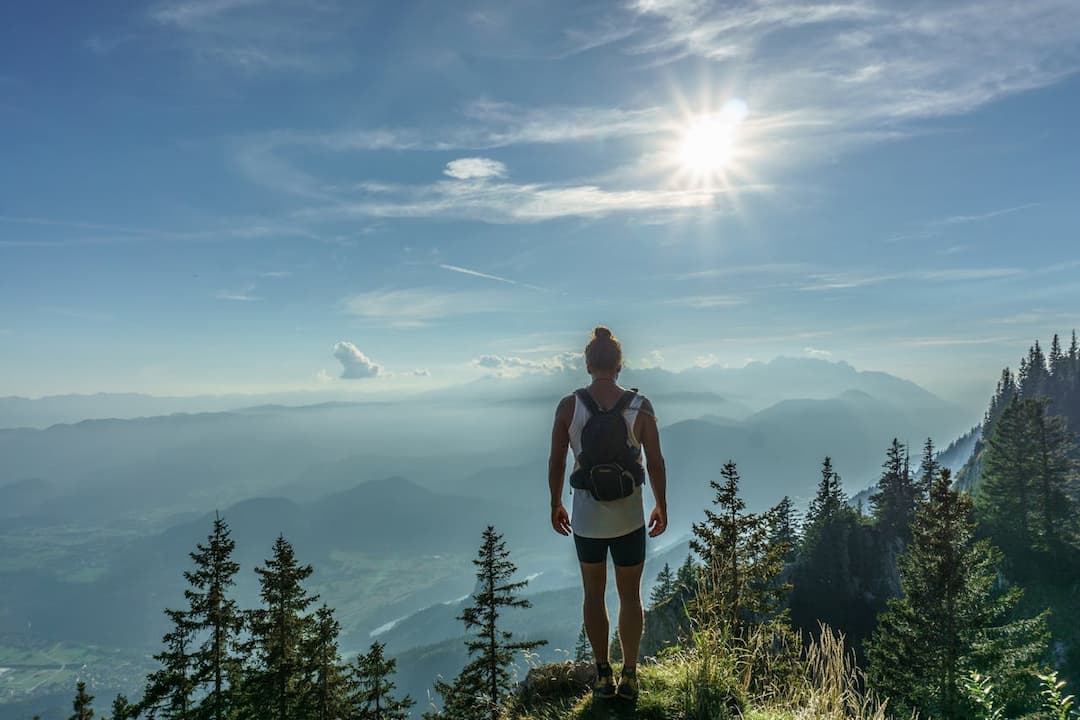
When you hike alone, you face challenges without immediate help. This pushes you to trust your own judgment and handle obstacles on your own.
You learn to stay calm and focused, even when the trail gets tough. Each step forward builds your confidence and mental stamina.
Over time, you develop patience and the ability to keep going, even when you want to quit. That resilience carries over to other parts of your life.
Solo hiking teaches you to enjoy your own company
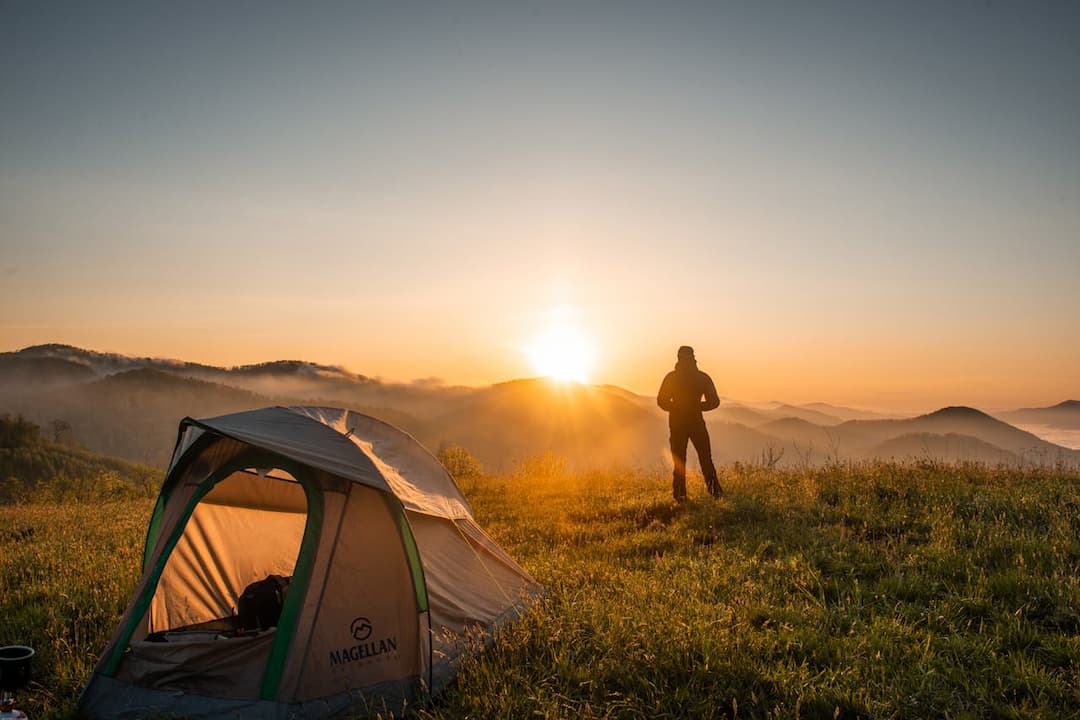
When you hike alone, you get to set your own pace without distractions. This quiet time gives you space to think and reflect.
You learn to appreciate your own thoughts and ideas. It’s a chance to be comfortable with silence and solitude.
Spending time alone on the trail helps you build self-trust. You become more confident in making decisions and enjoying your own presence.
You become more independent and self-reliant.
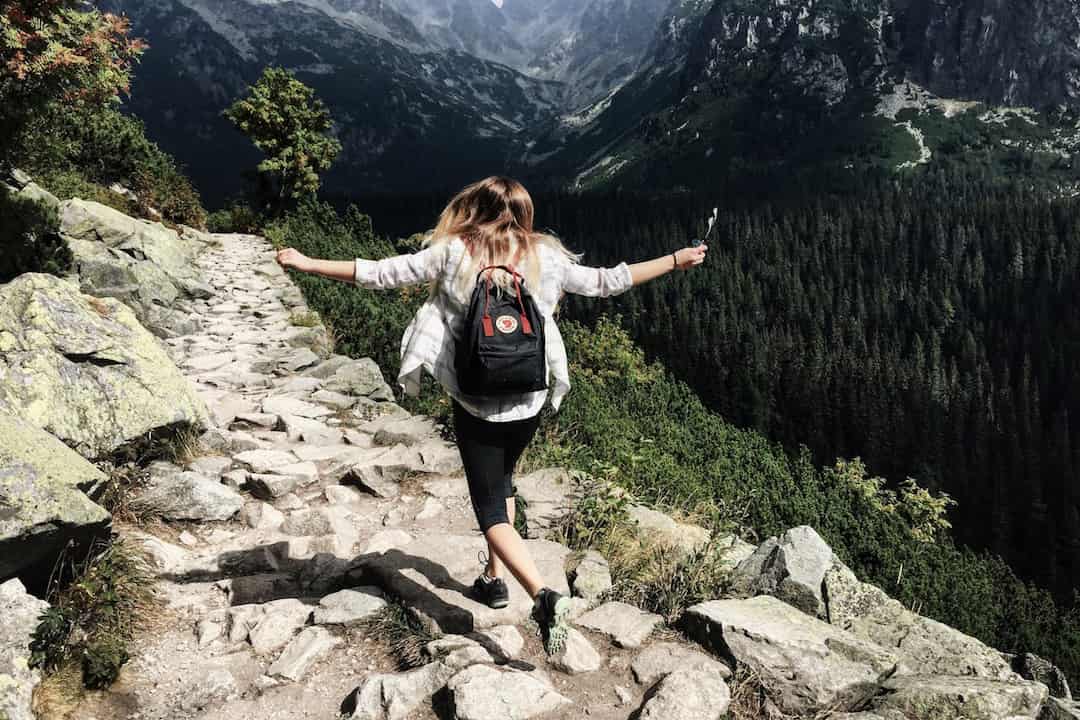
When you hike alone, you learn to trust your own judgment. Making decisions about pace, direction, and breaks helps build confidence.
You rely on yourself to handle challenges, from changing weather to unexpected trail conditions. That sense of responsibility grows each time you hike solo.
Being alone with your thoughts also teaches you to enjoy your own company. You become comfortable managing both the physical and mental aspects of your journey.
It builds courage to face unexpected challenges

When you hike alone, unexpected obstacles will come your way. You learn to stay calm and think clearly without relying on others for help.
Each challenge you overcome helps you trust your own judgment more. This builds confidence that carries over into other parts of your life.
You realize that you can handle uncertainty and adapt on the spot. That courage grows stronger the more solo hikes you take.
Stopping whenever you want boosts mindfulness
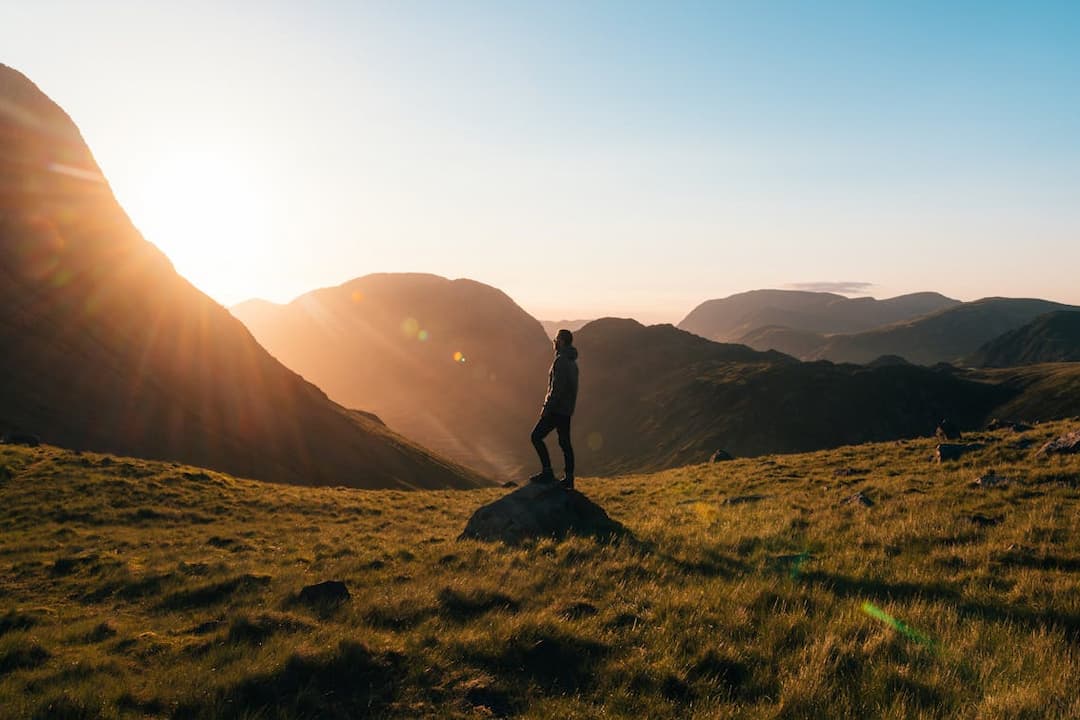
When you hike alone, you control the pace. You can stop as often as you like, without worrying about others’ schedules.
These pauses let you notice small details—like the sound of birds or the way sunlight filters through leaves.
Stopping helps you focus on the present moment, making your hike more peaceful and meaningful.
You begin to appreciate the natural world around you in a deeper, clearer way.
This freedom to stop creates space for calm and reflection you may not find in a group.
You learn to embrace being present in the moment
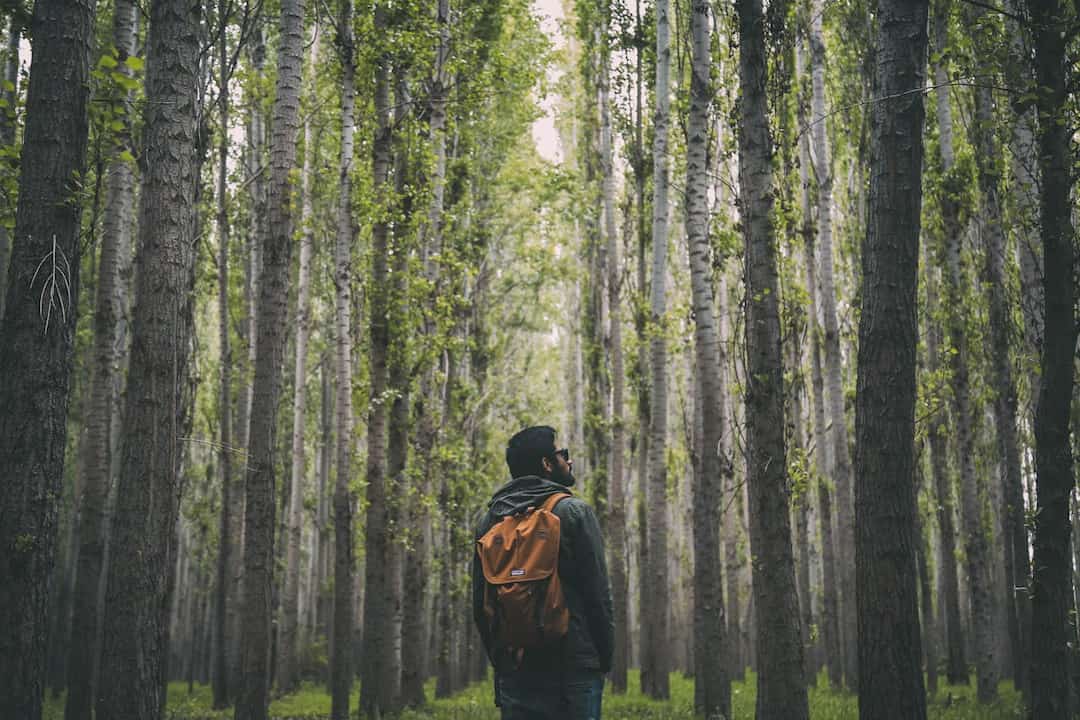
When you hike alone, distractions fade away, and you begin to notice the little details around you. The sound of leaves rustling or birds singing becomes clearer.
You start to focus on one step at a time and your breathing, which helps calm your mind. This mindfulness makes the experience more meaningful.
Being alone in nature encourages you to slow down and appreciate what is happening right now, rather than worrying about the past or future.
Overcoming fatigue teaches persistence and grit
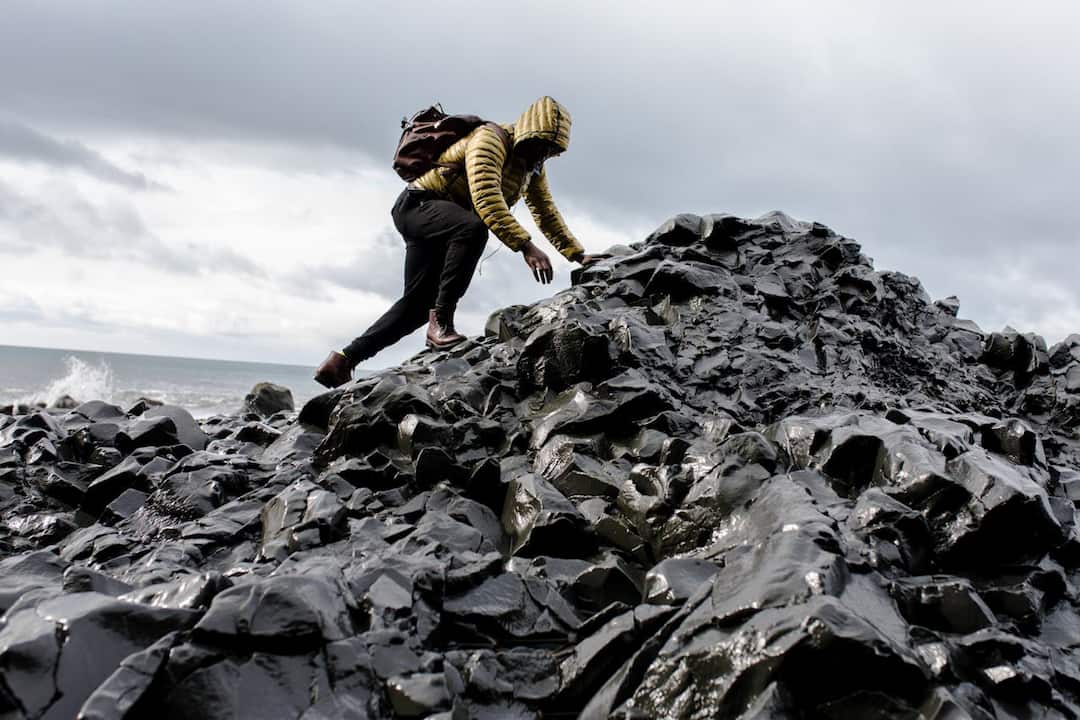
When you hike alone, fatigue is a natural part of the journey. You learn to listen to your body and push through moments when you feel tired.
This teaches you persistence, helping you keep going even when things get tough. It also builds grit—the ability to stay committed to your goal despite challenges.
Each step you take while tired is a small victory that strengthens your mental resilience and confidence.
You gain confidence in navigating unfamiliar paths
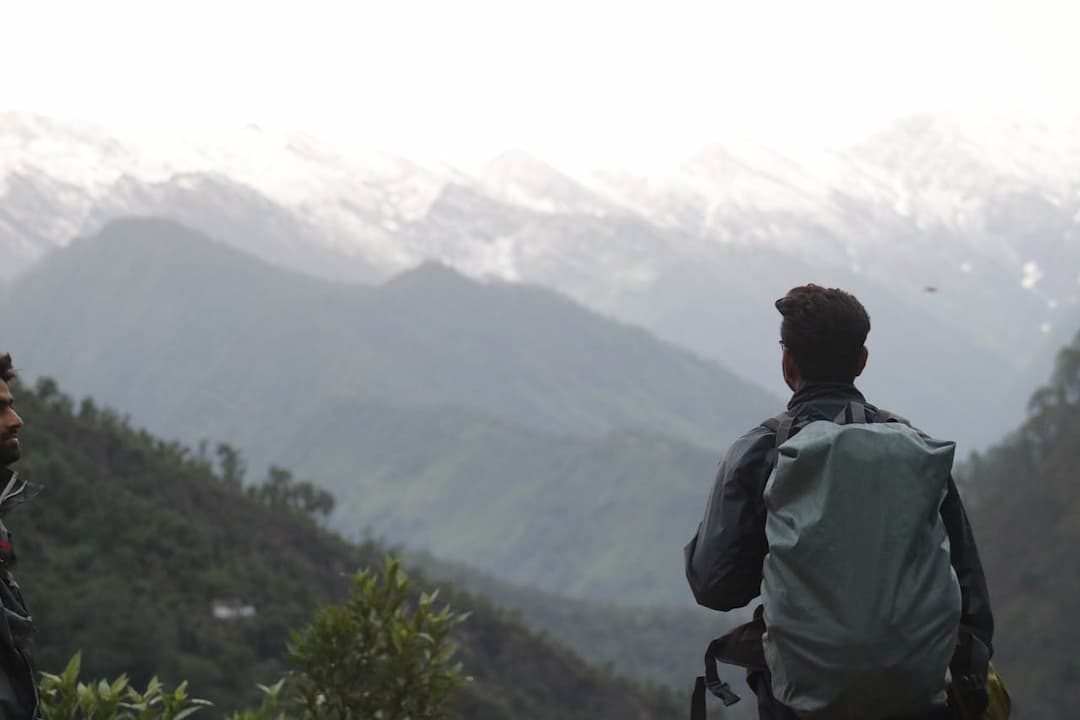
When you hike alone, you learn to trust your instincts more. Finding your way on new trails helps you build confidence in decision-making.
You start reading maps and signs with greater ease. Each successful step on an unknown path proves to you that you are capable.
Over time, you rely less on others and more on your own skills. This feeling of independence can be very empowering during solo hikes.
Hiking alone opens you up to meeting new people.
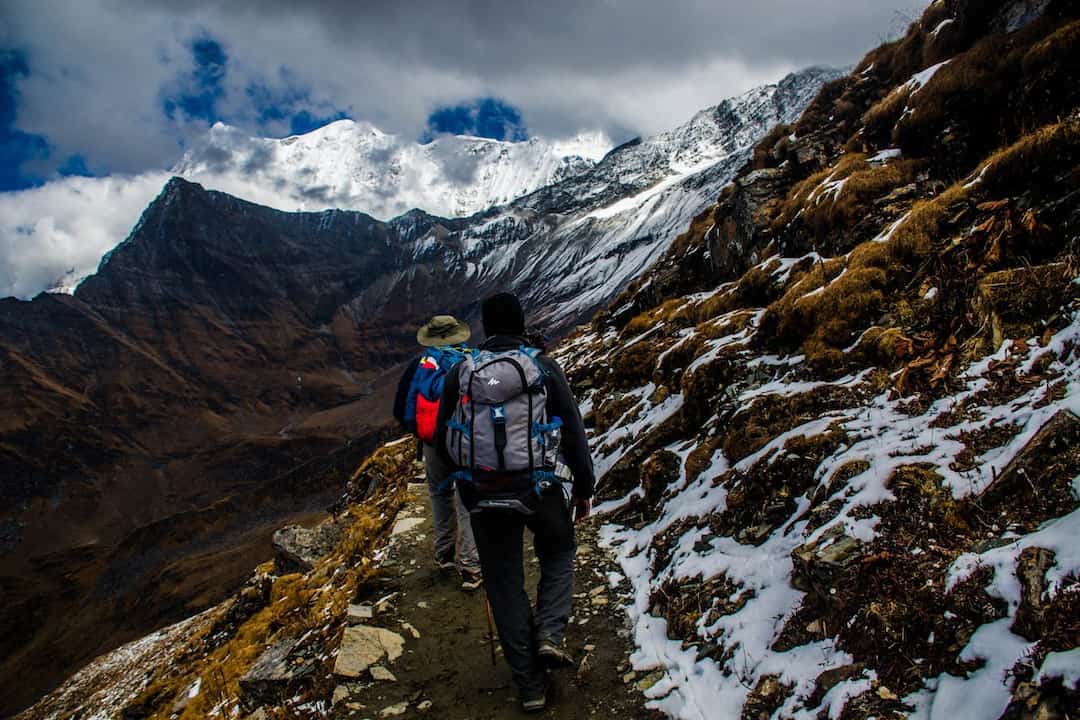
When you hike solo, you naturally encounter others moving at a similar pace. These moments at water stops or campsites create easy chances to start conversations.
You don’t have to plan to socialize, but casual chats often turn into meaningful connections. Hiking alone encourages you to be open and approachable without the comfort of familiar company.
It helps you reflect and clear your mind.
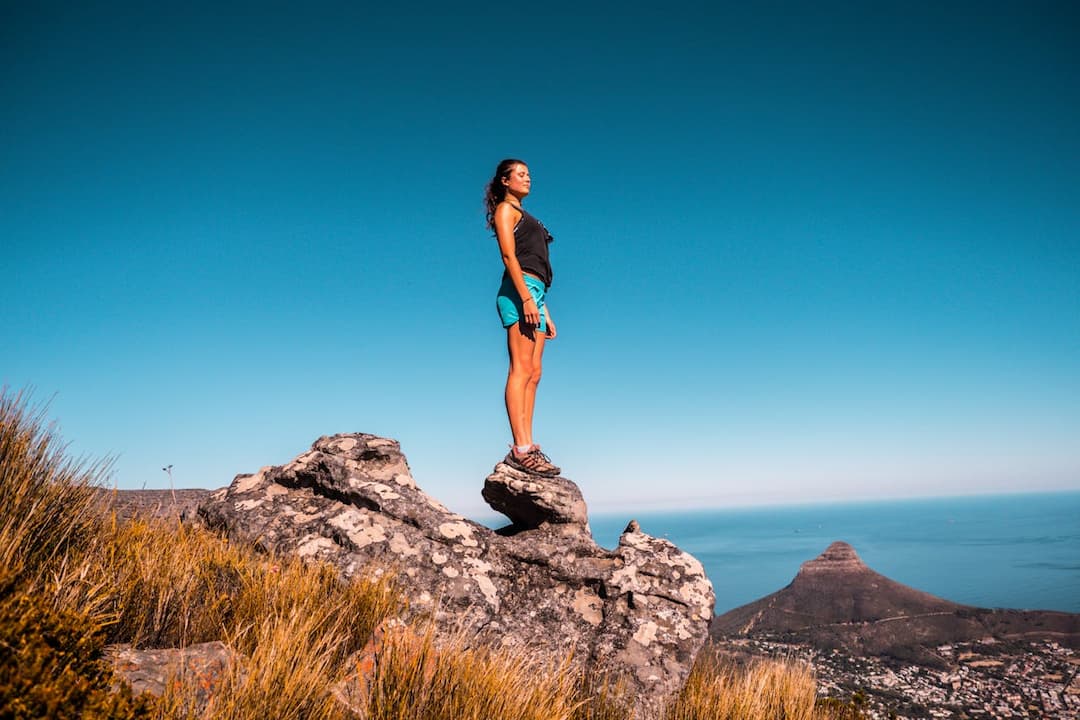
When you hike alone, your thoughts have space to breathe. You can let go of distractions and really focus on what’s on your mind.
Walking through nature slows down your busy brain. It offers a natural way to process feelings and organize your thoughts.
You may notice a calmness growing as you move. This quiet time helps you reset and find balance in your day.
You learn to manage risks calmly and thoughtfully.
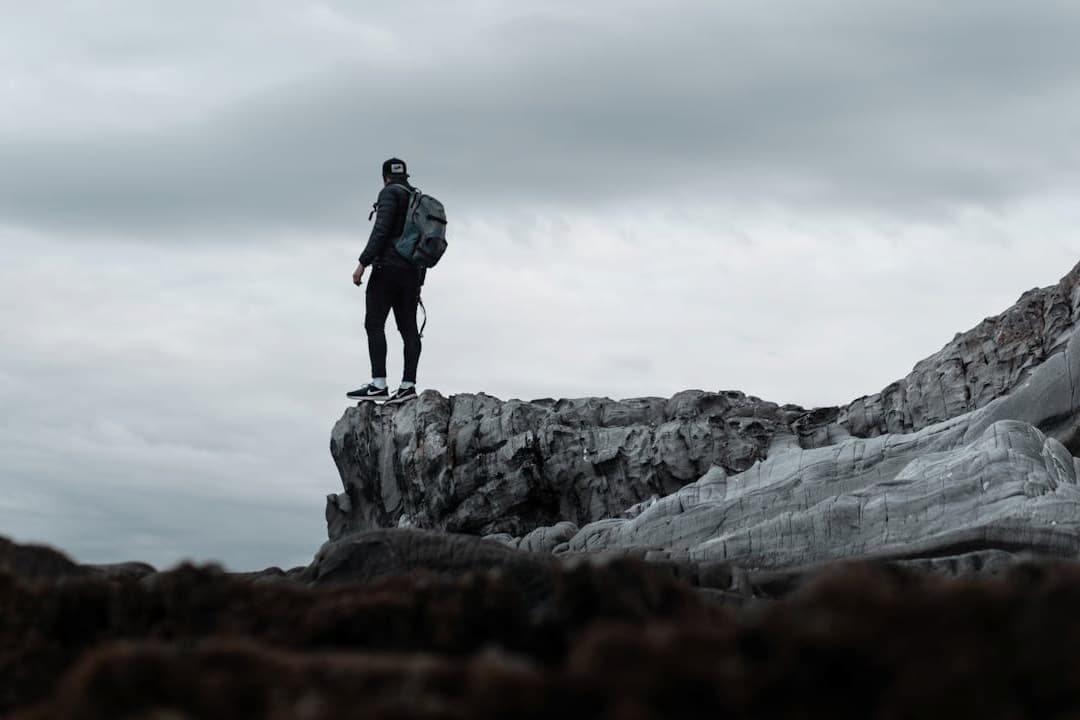
When you hike alone, you become more aware of potential dangers. You learn to evaluate the terrain carefully and recognize when to take precautions.
You plan your water, food, and gear wisely. If something goes wrong, you stay calm and figure out the best solution.
This thoughtful approach helps you build confidence in handling challenges without panic. It’s a skill that stays with you beyond the trail.
Leave a Reply