

When you head out for a hunting trip, having the right gear can make all the difference in your experience. Your hunting pack should be prepared to handle changing weather, unexpected situations, and the tasks you’ll face throughout the day.
Knowing what to bring ensures you stay safe, comfortable, and efficient while in the field. This guide will help you build a pack with all the essentials you’ll need, so you’re ready for whatever comes your way.
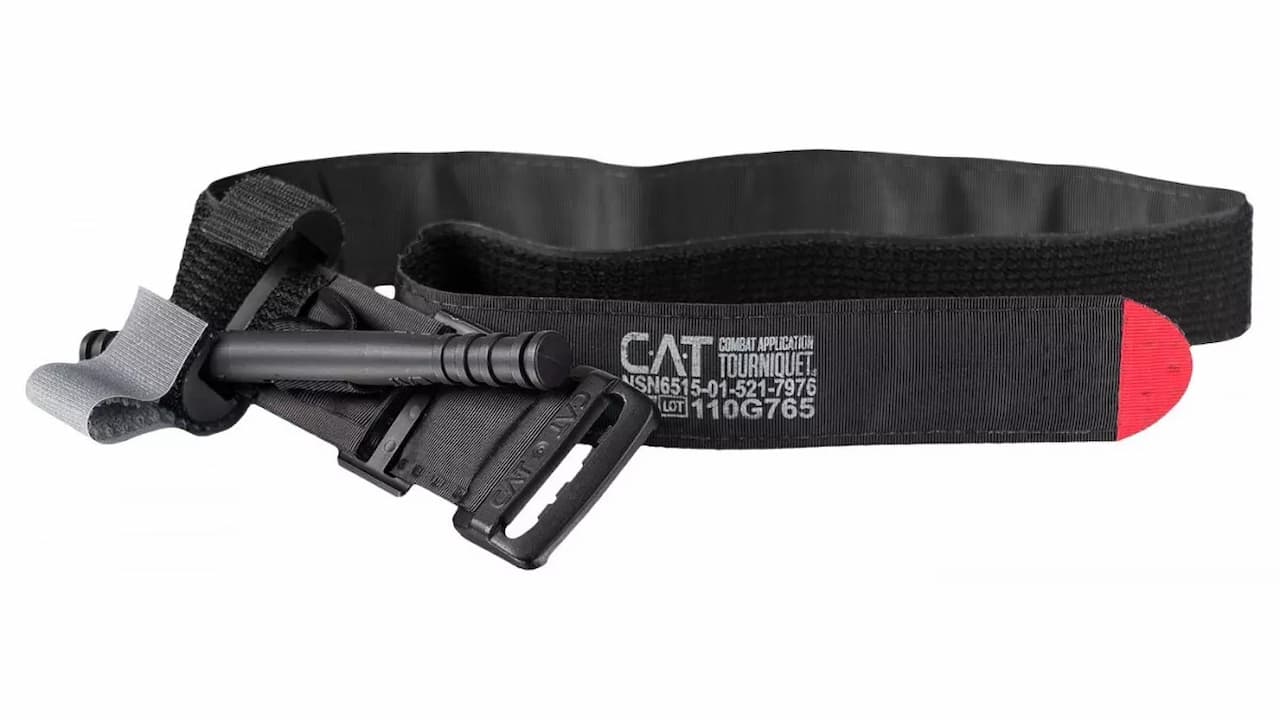
Tourniquet
/ebay.
You should always carry a tourniquet in your hunting pack. It helps control severe bleeding in case of serious injuries.
Look for a reliable, easy-to-use model like a CAT 7 tourniquet. Make sure you know how to apply it quickly and properly.
Having a tourniquet nearby can make a big difference if an emergency happens far from help. It’s a small item that can save a life.
Nitrile gloves
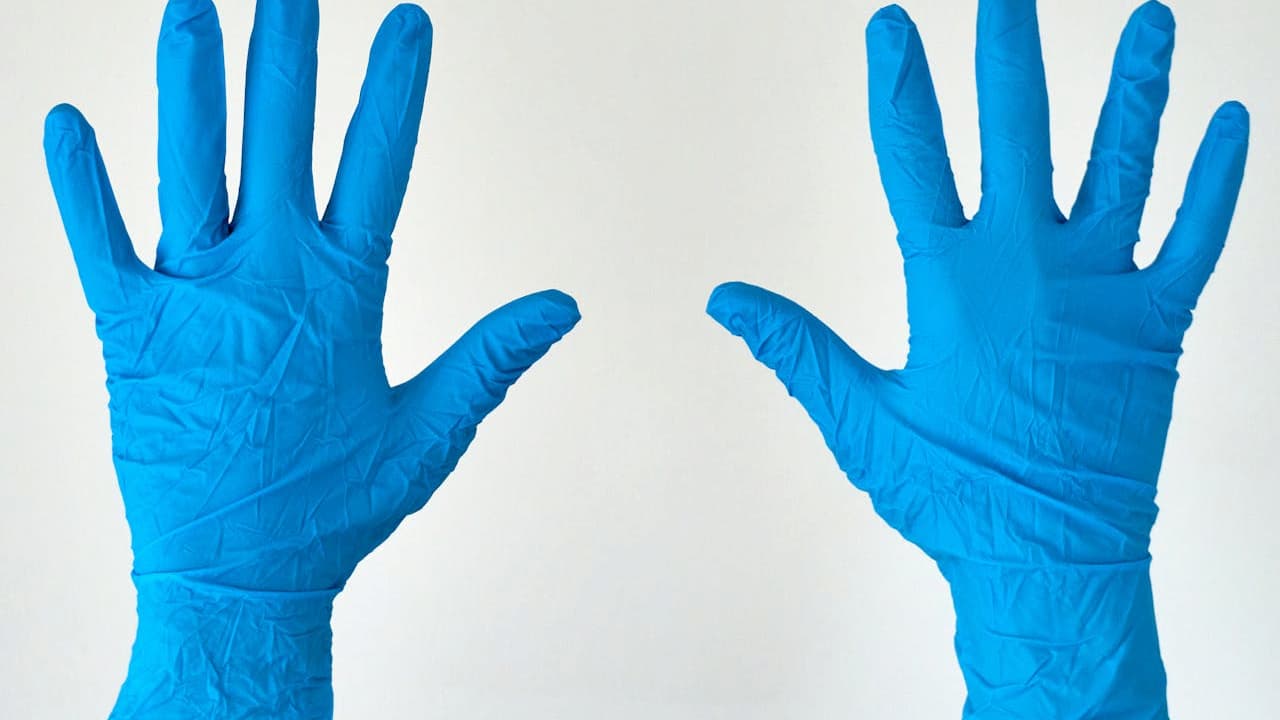
You should always carry nitrile gloves in your hunting pack. They protect your hands while field dressing or handling game.
Nitrile gloves are strong and resist tears better than regular latex. They also help keep your hands clean and reduce the risk of infections.
Having extra gloves ensures you can swap them out if one pair gets damaged or too dirty. They’re lightweight and don’t take up much space, making them easy to carry.
Multi-tool knife
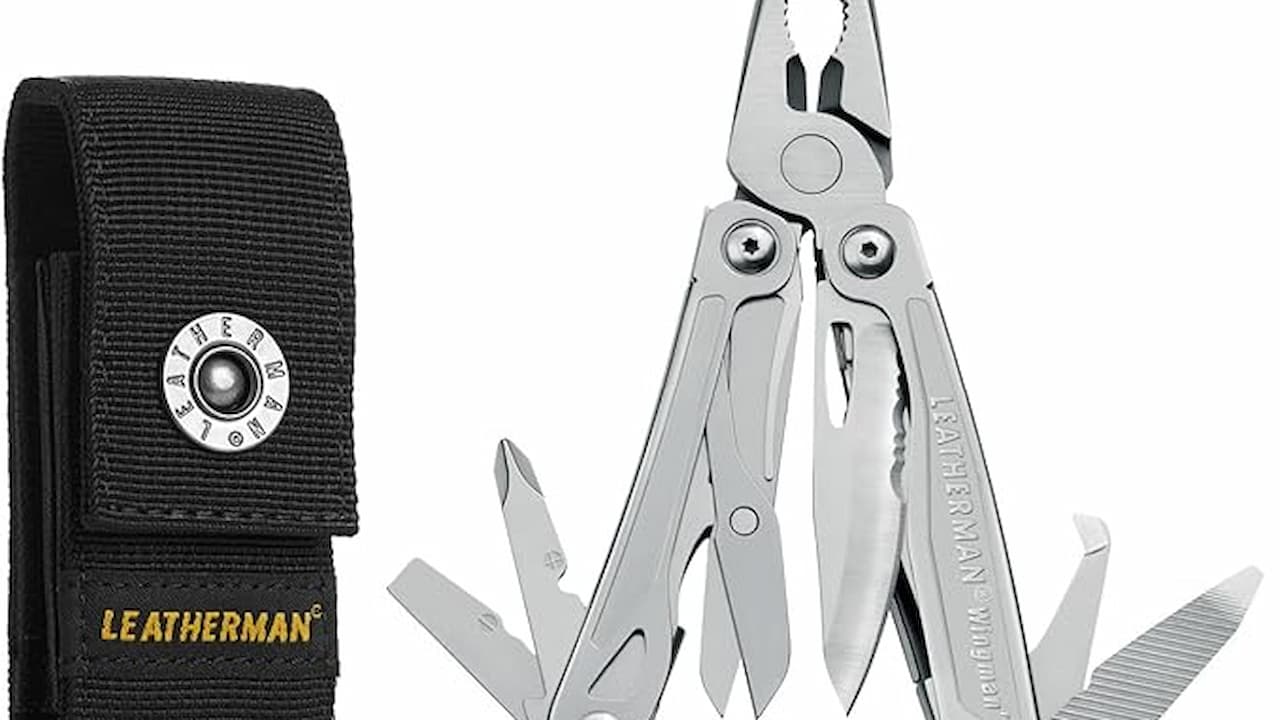
A multi-tool knife is one of the most versatile items you can carry. You’ll find it helpful for cutting, gripping, screwing, and more.
Having a reliable multi-tool saves space by combining several functions in one compact device. It’s handy for quick repairs and field tasks during your hunt.
Choose one with a sturdy blade and locking mechanisms to ensure safety. This tool is essential for handling unexpected situations with ease.
IFAK (Individual First Aid Kit)

You should always carry an Individual First Aid Kit (IFAK) while hunting. It includes essential items like bandages, gauze, tourniquets, and quick-clot dressings to handle injuries quickly.
Your IFAK should also have wound closure tools, antiseptic ointments, and allergy medication like Benadryl.
Having a way to call for help, such as a personal locator beacon, is important in emergencies. Keep your kit compact but well-stocked for practical use.
Hand warmers

Hand warmers are a simple way to keep your fingers nimble during cold hunts. Cold hands can slow you down and make tasks like handling gear or shooting harder.
You can carry disposable or reusable hand warmers in your pack. They’re lightweight and easy to activate when you need heat fast.
Having them on hand means you can stay comfortable longer. Just pop one in your gloves or pockets when the temperature drops.
Emergency blanket

An emergency blanket is a lightweight and compact item you should always carry in your hunting pack. It helps retain your body heat if the temperature drops suddenly.
You can use it to create a shelter or signal for help. This simple tool adds an extra layer of safety when you’re out in the wild.
100% DEET insect repellent

You want reliable bug protection when hunting, and 100% DEET insect repellent delivers just that. It repels mosquitoes, ticks, and other biting insects effectively, helping you stay comfortable outdoors.
Be careful to avoid contact with your gear, sunglasses, or car surfaces, as DEET can cause damage. Apply it to your skin and clothes, but wash it off when you’re done. This repellent gives you peace of mind during long hunting trips.
Headlamp with extra batteries
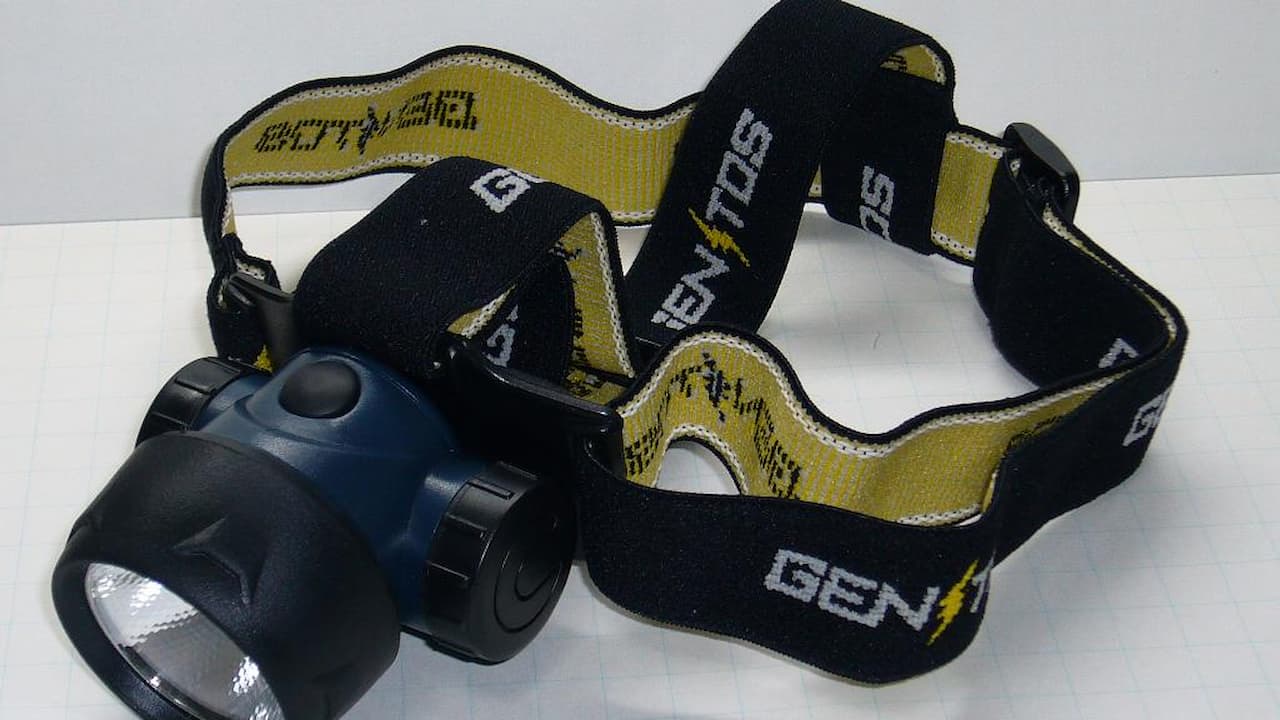
You’ll want a reliable headlamp to keep your hands free and your path visible. Choose one with a bright, adjustable beam and long battery life.
Bring extra batteries or carry a rechargeable headlamp with a backup power source. This keeps you prepared if your light runs out during early morning or late-night hunts.
Having both white and red light options can help maintain your night vision while not spooking game. Make sure your pack includes the extras to avoid being left in the dark.
Bone saw
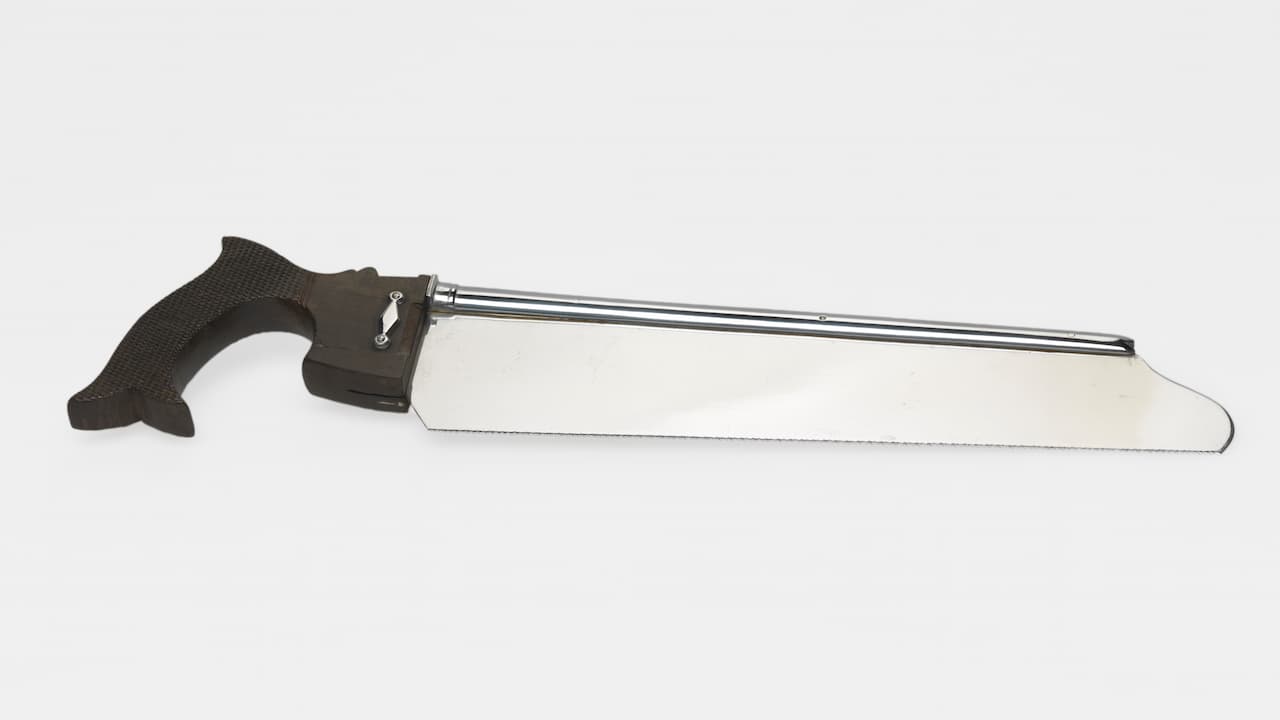
A bone saw is a handy tool to have in your hunting pack. It helps you cut through larger bones, making it easier to quarter your game.
Using a bone saw saves time and effort, especially when dealing with pelvis or rib bones. Choose a compact, foldable model for easy carrying.
Paracord (50 ft.)
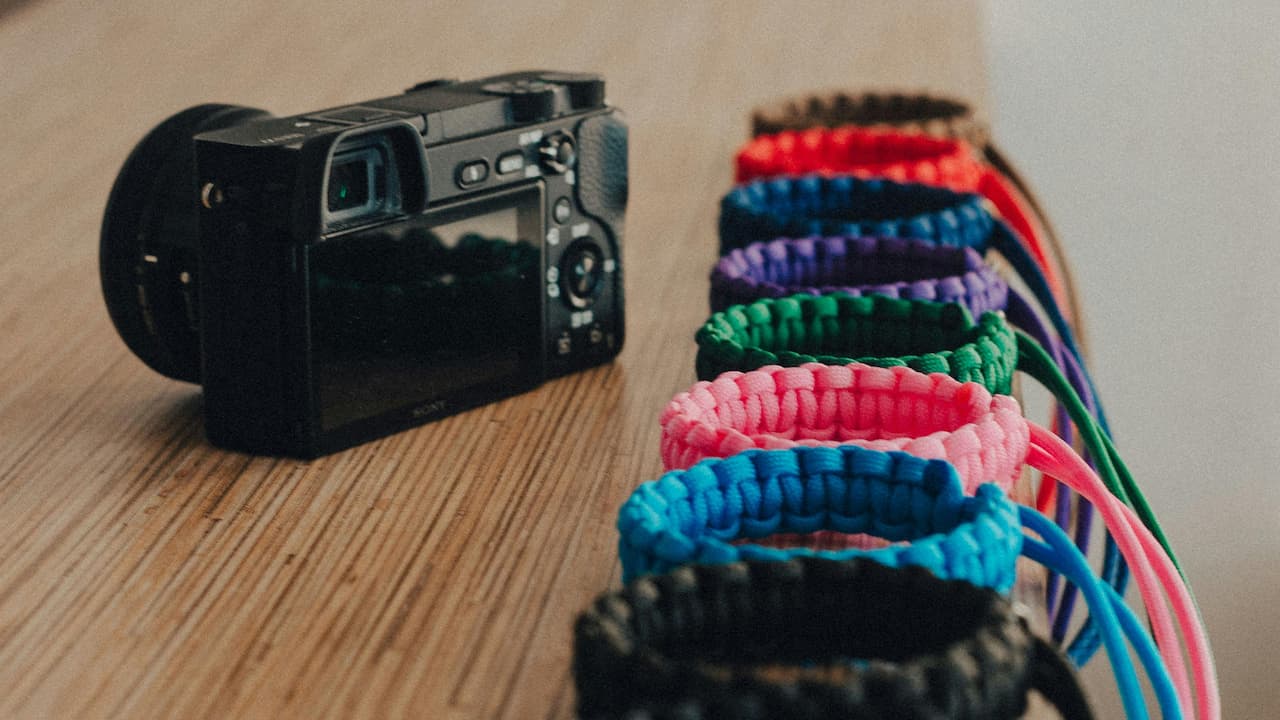
You should always carry at least 50 feet of paracord in your hunting pack. It’s lightweight but incredibly useful for many situations.
You can use it to hang food away from animals, build emergency shelters, or secure gear. It’s also handy for quick repairs or marking trails.
Having paracord gives you simple, versatile options when you’re out in the field. It’s a small item that can make a big difference.
Compass
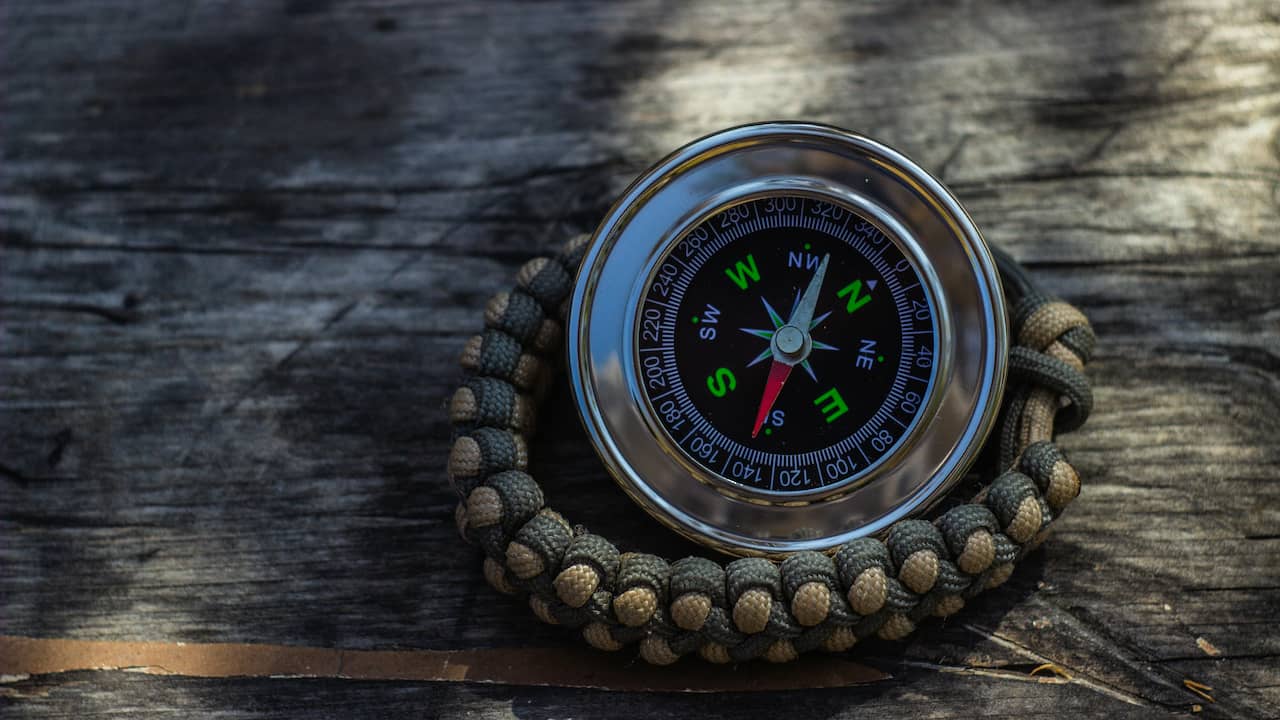
A compass is a simple but vital tool to help you stay oriented in the wild. You can use it to find your way back to your starting point or navigate to a specific location.
Even if you have a GPS device, a compass doesn’t rely on batteries or signals. It’s a reliable backup when electronics fail or lose power.
Make sure you know how to read a compass and practice using it before you head out. It can save you time and stress in unfamiliar terrain.
Deer calls
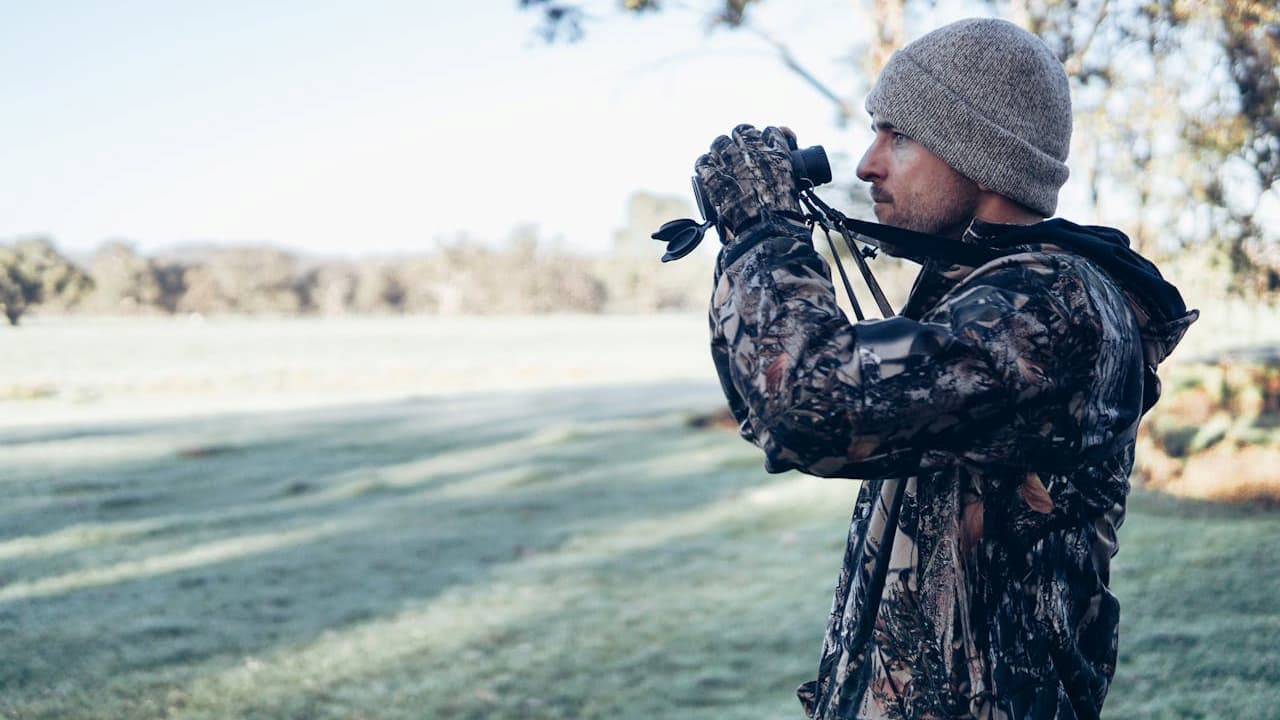
You should always carry deer calls in your hunting pack. They help you mimic deer sounds to attract or locate them.
There are several types, like grunt calls and doe bleats. Practice using them before heading out so you sound natural.
Having calls gives you more options when stalking or waiting quietly. They don’t take much space but can make a big difference.
ChapStick with SPF
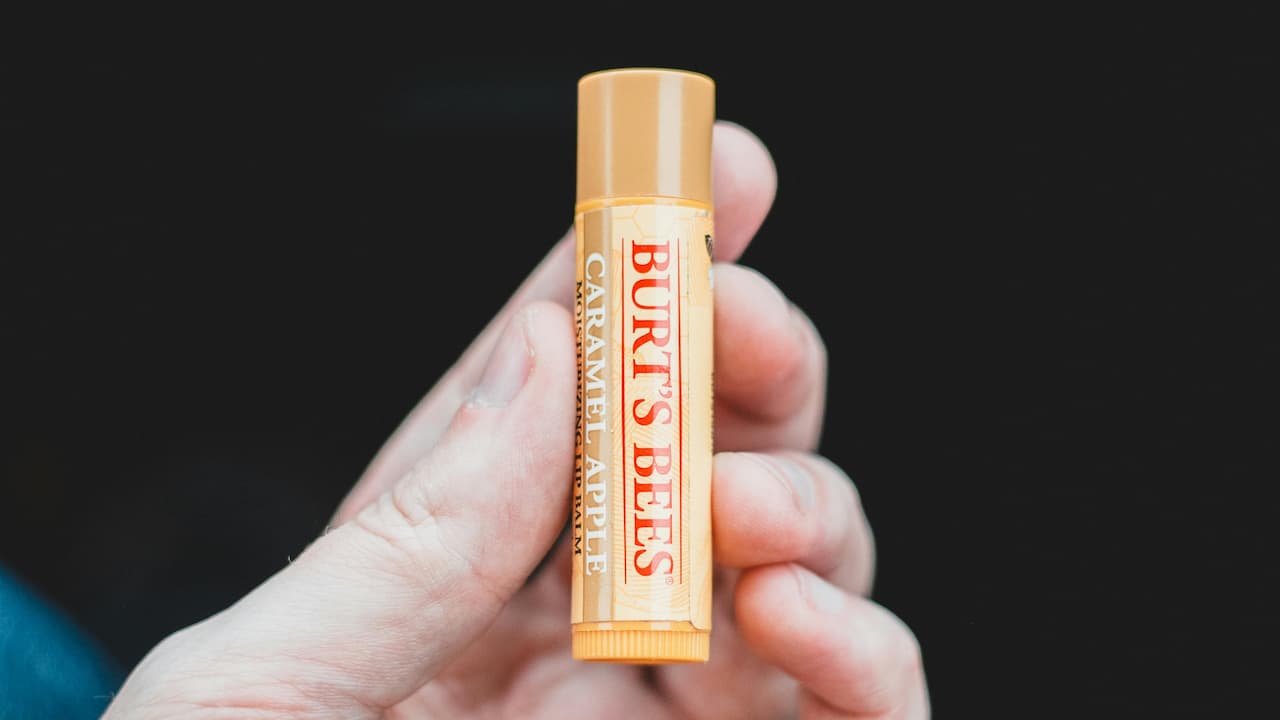
When you’re out hunting, your lips face sun, wind, and cold. Having ChapStick with SPF helps protect them from dryness and sunburn.
Choose a lip balm with at least SPF 30 for good sun protection. It keeps your lips moisturized and ready for long hours outside.
Applying it regularly, especially before and during your hunt, helps prevent chapped lips and discomfort. It’s a small item that makes a big difference.
Leave a Reply