

Hunting involves more than just skill; it requires a strong sense of responsibility and respect for nature. When you approach hunting ethically, you help preserve wildlife and ensure the activity remains sustainable for future generations.
Following clear ethical guidelines helps you hunt safely, respect animals, and maintain fairness. Understanding these simple rules makes your hunting experience better while supporting conservation efforts and respecting fellow hunters.
Know and follow all local and state hunting laws

You must learn and follow the hunting laws in your area. These rules are designed to protect wildlife and ensure everyone’s safety.
Check regulations about what species you can hunt, season dates, and required permits. Always carry your license and any needed tags.
Following the laws helps keep hunting legal and ensures good experiences for you and others. It shows respect for the land and the animals you pursue.
Always practice with your hunting weapon before the season

You should spend time practicing with your weapon regularly before hunting season. This helps you become familiar with how it handles and improves your accuracy.
Practicing also ensures you know how to use your weapon safely. Being confident with your equipment reduces the risk of accidents.
Taking this step shows respect for the animals and environment by aiming for clean, ethical shots. It benefits your safety and success in the field.
Respect wildlife by only taking ethical, clean shots
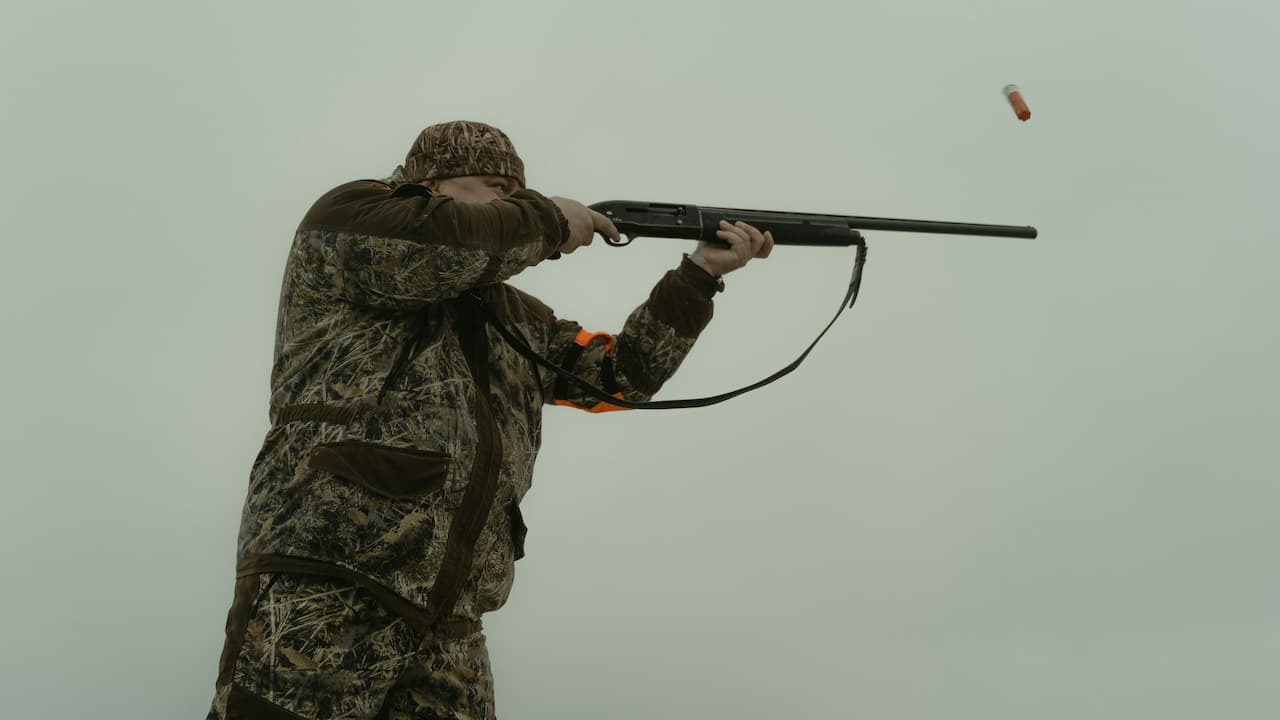
You should always wait for a clear, ethical shot that ensures a quick and humane kill. This means aiming carefully and avoiding risky or uncertain shots.
Using the right weapon and ammunition for your target is important. This helps prevent unnecessary suffering and respects the animal you are hunting.
Taking your time shows respect for the animal and the environment. A clean shot reflects your responsibility as a hunter and keeps hunting areas open for others.
Adhere to fair chase principles—don’t take unfair advantage

You should pursue game in a way that respects the animal’s ability to evade you. Fair chase means balancing your skills and equipment with the animal’s natural defenses.
Avoid using technology or methods that give you an overwhelming edge. This keeps hunting challenging and ethical.
By following fair chase principles, you honor both the animal and the spirit of hunting. It’s about respect and sportsmanship in the wild.
Respect private property and seek permission before hunting
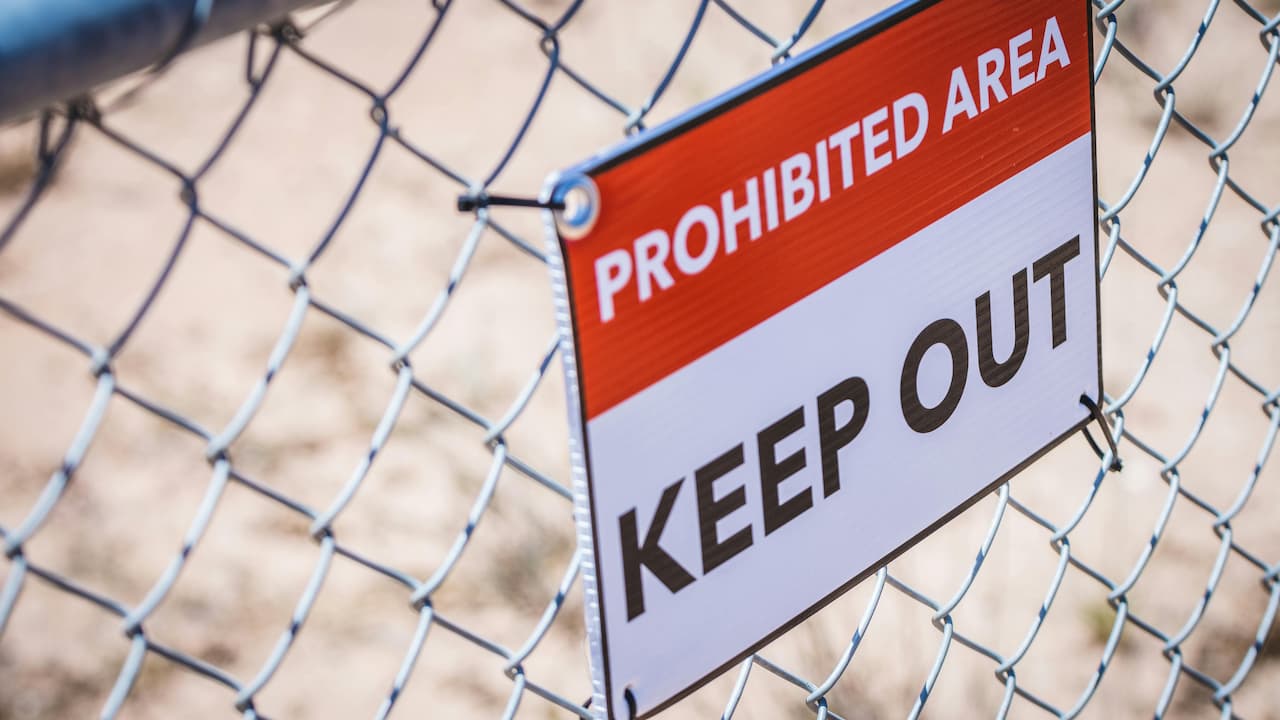
You should always ask landowners for permission before hunting on their property. This shows respect and helps maintain good relationships.
Follow any rules or restrictions the landowner sets, like where and when you can hunt. Treat crops and livestock as if they were your own.
Hunting without permission can lead to legal trouble and harm the reputation of hunters. Being courteous keeps hunting opportunities open for everyone.
Prioritize hunter and bystander safety at all times
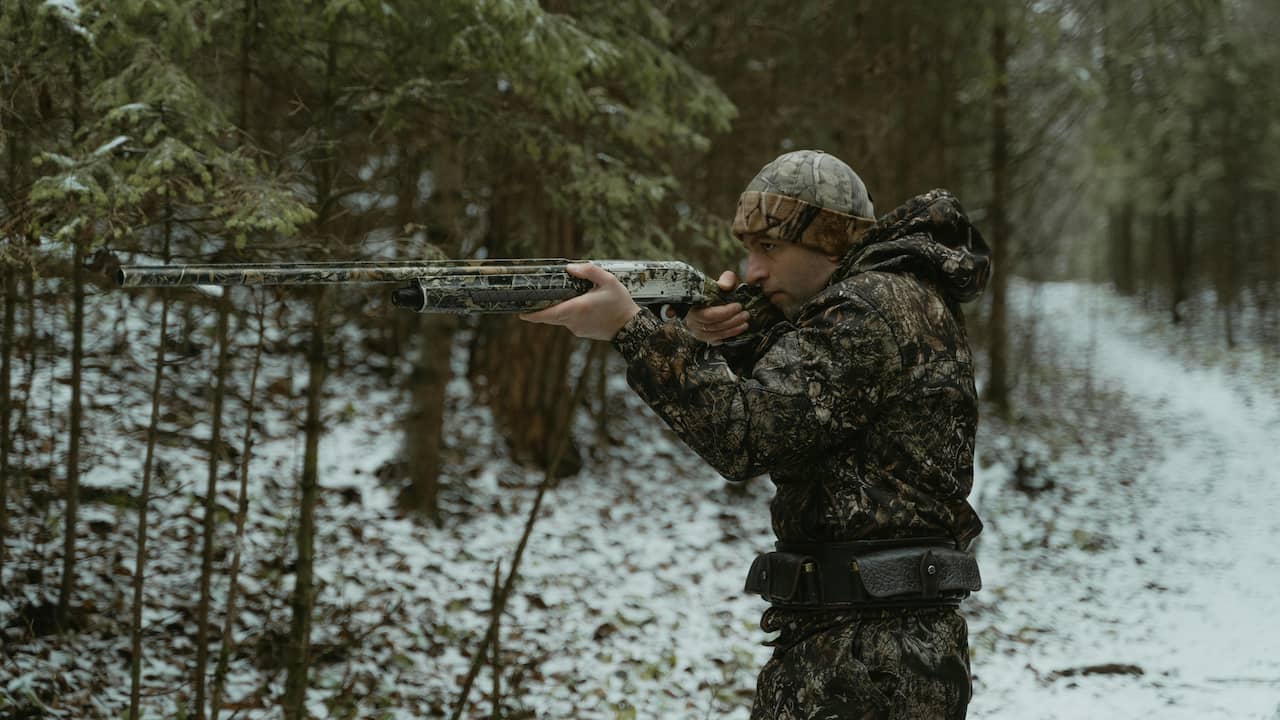
You should always treat every firearm as if it is loaded. This mindset helps prevent accidental injuries.
Keep your muzzle pointed in a safe direction, away from yourself and others. Be aware of people around you before moving or shooting.
Make sure you clearly identify your target and what lies beyond it. This reduces the risk of harming bystanders or property nearby.
Properly identify your target before shooting
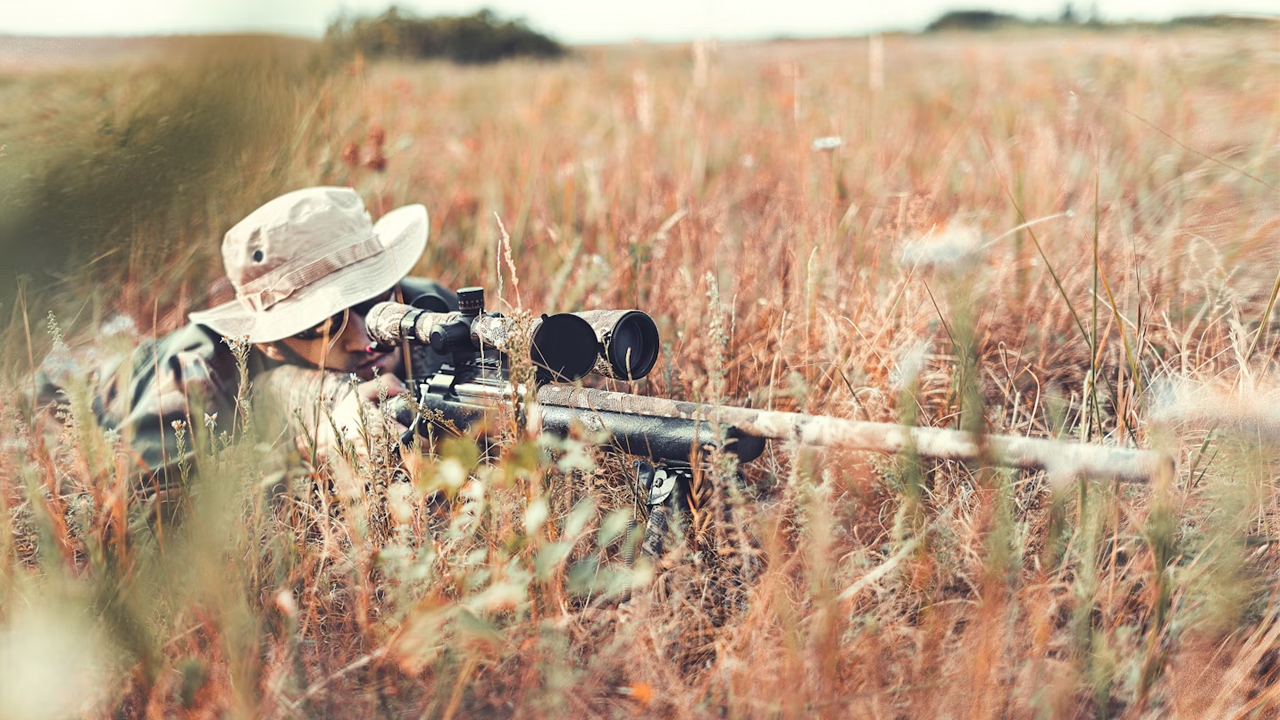
You should always be absolutely sure of what you are aiming at. Never shoot at sounds, movements, or colors alone.
Take the time to clearly see the animal and confirm it is legal game. This helps prevent accidents and protects other people and animals nearby.
Also, check what is beyond your target. Make sure your shot won’t hit anything unintended, like buildings or fellow hunters. Safety starts with proper identification.
Harvest only what you can ethically and legally use

You should always take only the animals you can properly use. Avoid taking more than you need or can responsibly handle. This helps respect wildlife populations and maintains balance in the ecosystem.
Follow all local laws regarding season, bag limits, and species. Ethical hunting means being mindful of regulations and ensuring your harvest is both legal and justifiable.
Respect other hunters and avoid disrupting their hunts
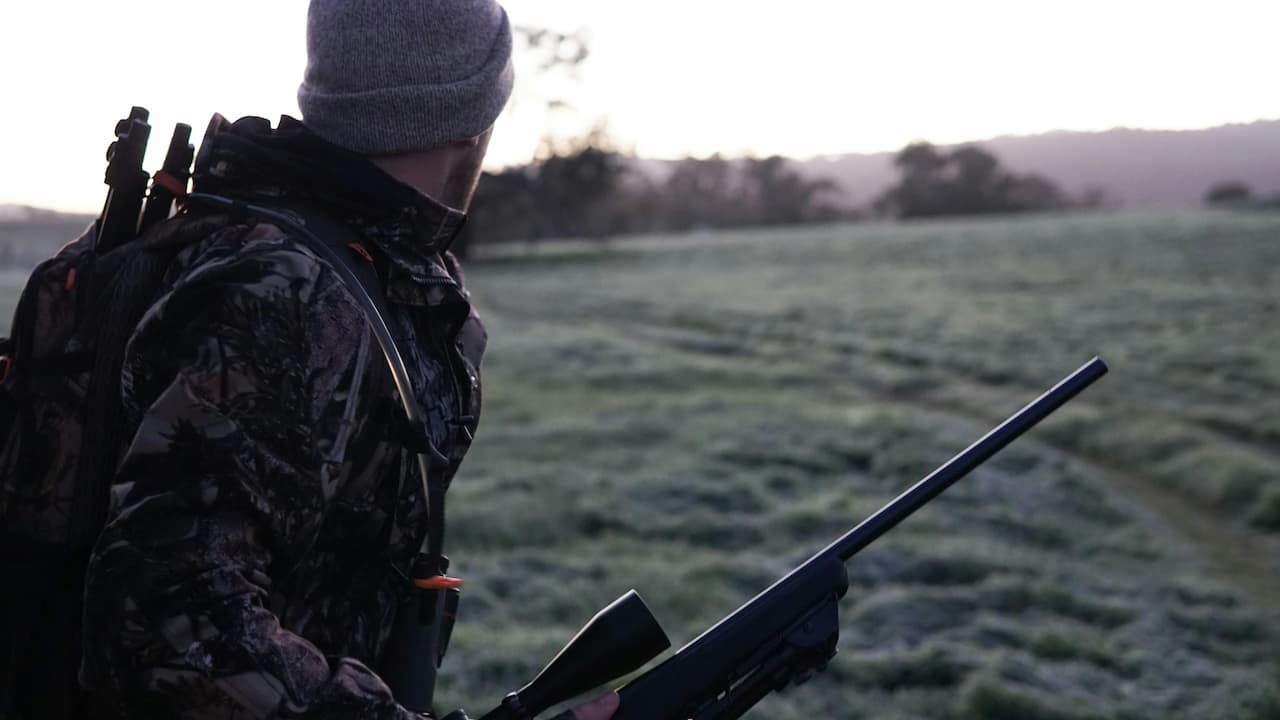
You should always keep a respectful distance from other hunters to avoid disturbing their activities. Interfering with someone else’s hunt is not only rude but can also be unsafe.
Make sure to follow safe firearm handling and encourage your companions to do the same. Avoid behaviors like loud noises or trespassing on others’ hunting spots.
Remember to retrieve all your gear and leave no trace. Being courteous helps maintain a positive hunting environment for everyone.
Leave no trace to protect natural habitats

You should always pack out everything you bring into the field, including trash. Leaving waste behind can harm wildlife and spoil the environment.
Stick to existing trails and campsites to avoid damaging plants and soil. Walking single file helps minimize your impact.
Avoid using natural materials like trees or rocks for blinds. Using manufactured blinds reduces harm to the habitat.
Leave a Reply