

Hunting can be a rewarding experience, but it requires more than just heading into the woods. Knowing the right strategies and tips can make your time outdoors more productive and enjoyable. Whether you’re new or looking to sharpen your skills, having dependable advice from seasoned hunters can guide you.
These tips cover important aspects like preparation, safety, and understanding animal behavior. By applying tried-and-true techniques, you can increase your chances of success while staying responsible and respectful to nature.
Scout Hunting Areas Early to Understand Deer Patterns

You should start scouting your hunting area well before the season begins. This helps you learn where deer move, feed, and rest.
Focus on key spots like bedding areas near water sources or food. Using maps or satellite images can help you pinpoint these locations.
Tracking deer signs like trails, droppings, and rubs during early scouting makes your hunting time more productive. Early observation lets you adjust plans based on real patterns you spot.
Use Mock Scrapes to Attract Early Season Deer
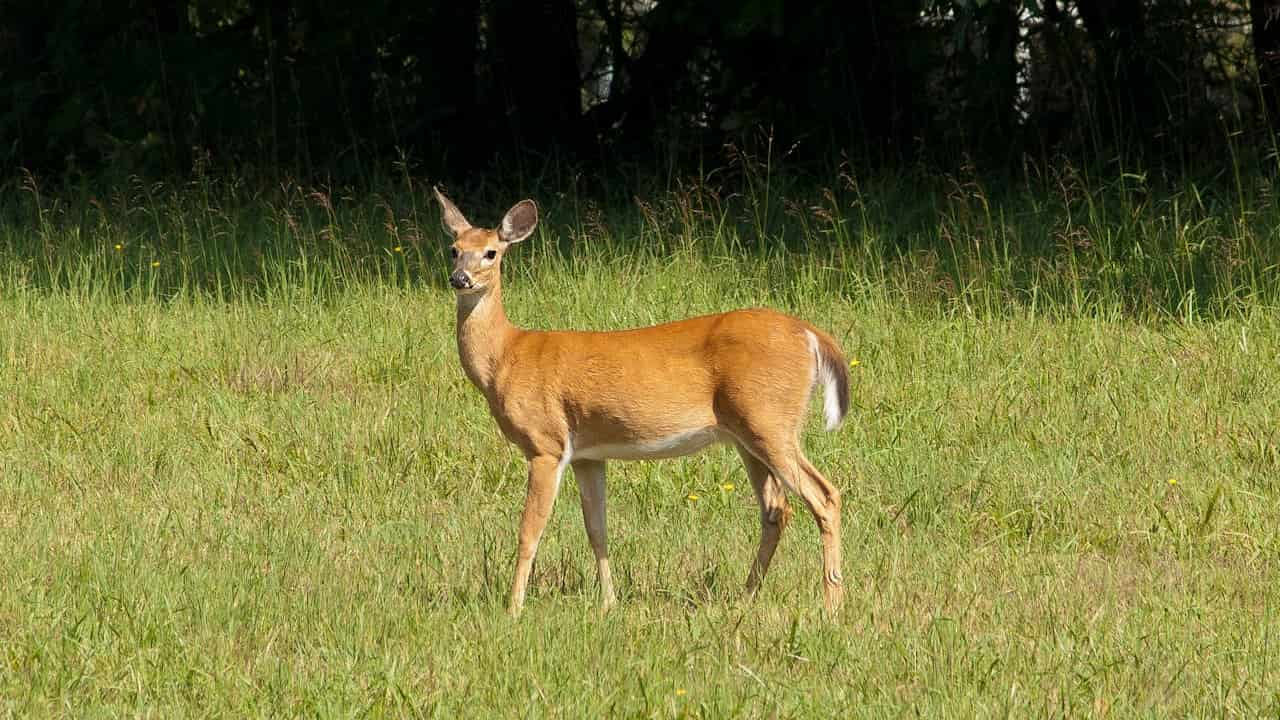
You can create mock scrapes to draw in bucks during the early season. These are small cleared areas with scent markings that signal deer activity.
Using buck urine and preorbital gland scent helps condition bucks to visit your scrapes. Adding a scent dripper increases the chances of attracting more deer.
Check and refresh your mock scrapes regularly to keep them active. This tactic can improve your odds of encountering deer early in the season.
Wear Blaze Orange for Visibility and Safety
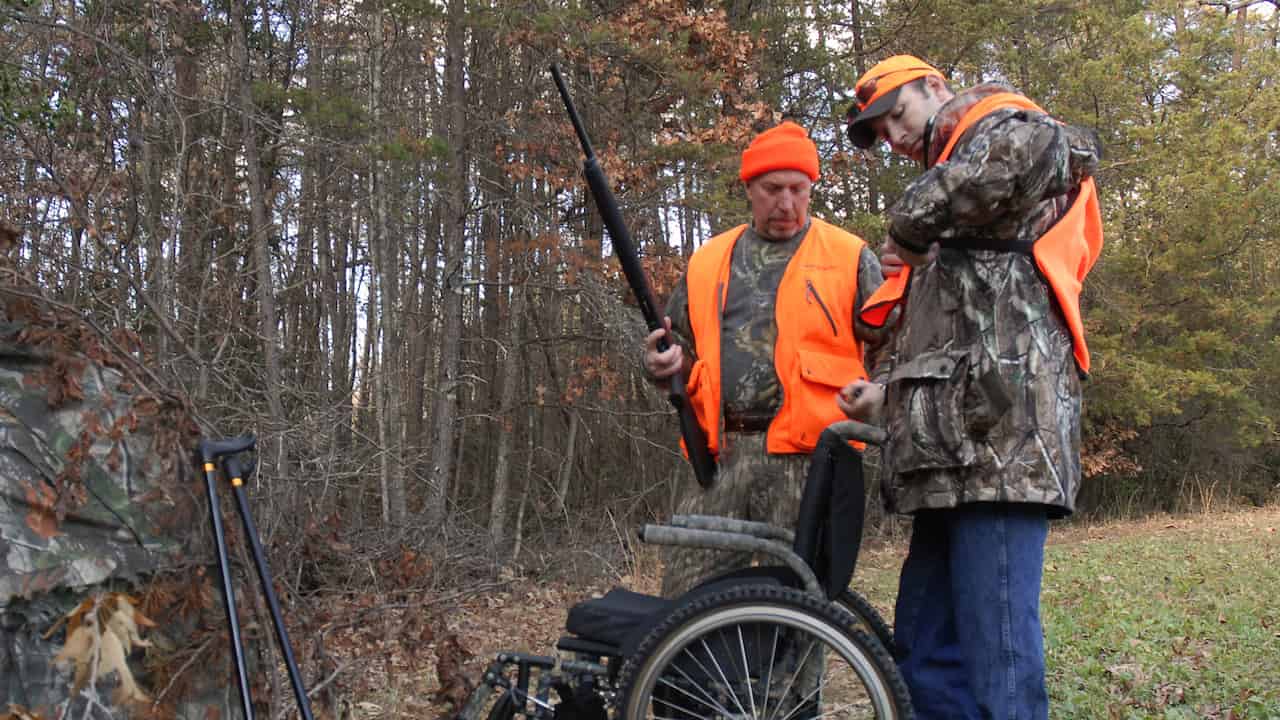
Wearing blaze orange makes it easier for other hunters to see you. This helps prevent accidents by clearly showing you are not game.
Many states require hunters to wear blaze orange during specific seasons. Make sure you follow local laws to stay safe and legal.
Putting on blaze orange is a simple way to protect yourself. It also shows respect for other people sharing the outdoors with you.
Check Weather Conditions Before Heading Out

You should always check the weather before your hunt. Knowing if it will be rainy, windy, or cold helps you prepare better.
Wind affects deer movement, so strong winds might mean less action for a day or two. Rain doesn’t bother deer much, but it can impact your comfort and scent control.
Dressing for the weather and planning around conditions can keep you dry and focused during your hunt.
Use Red LED Lights at Campsites to Avoid Accidents

You can reduce the risk of accidents by placing red LED lights around your campsite. Red light is gentle on the eyes and won’t disturb your night vision.
Keeping a subtle red glow on all night helps you and others see the area without startling nearby wildlife. It also makes it easier for everyone to spot your campsite in low light.
Using red LED lights is a simple way to stay safe and aware while camping or hunting.
Hunt During Mornings to Take Advantage of Cooler Temperatures

You’ll find mornings to be the best time for hunting, especially in warmer seasons. Cooler temperatures make deer and other game more active and visible.
Arrive early and settle into your spot before the sun rises. This gives you a better chance to spot movement without disturbing the area.
Moving slowly and focusing on edge areas helps you cover less ground while staying alert during these cooler hours. This approach keeps you comfortable and ready.
Choose Hunting Spots Near Edges and Cover

You want to focus on areas where different types of terrain meet, like the edge of a forest and a field. These edges attract deer because they offer easy access to food and shelter.
Cover such as brush piles, hedgerows, or thick vegetation provides safe spots for animals to rest and hide. Positioning yourself near these areas increases your chances of spotting wildlife moving between feeding and bedding zones.
Look for natural funnels or travel corridors that animals use to move through these edges. These spots often lead to better hunting opportunities.
Master Your Weapon Proficiency Through Regular Practice
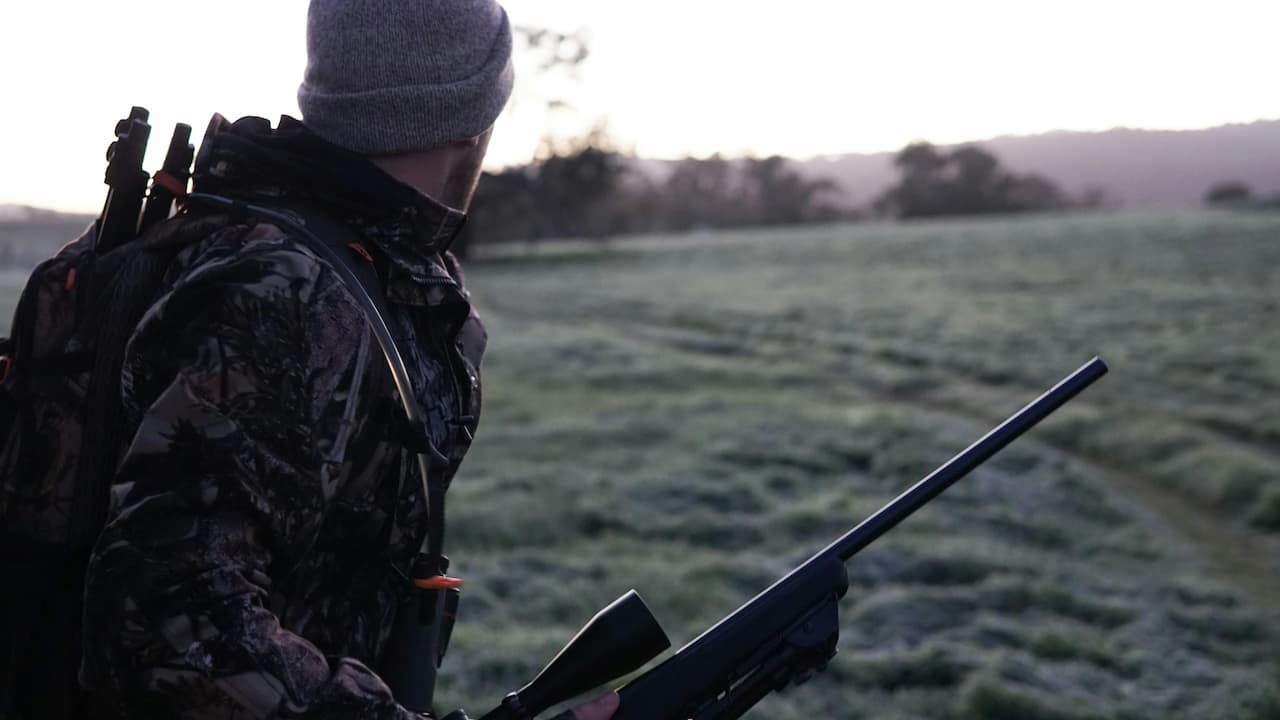
You need consistent practice to improve your accuracy and confidence with your hunting weapon. Whether you use a bow or rifle, spending time shooting regularly builds muscle memory.
Try practicing from different positions, like kneeling or prone, to prepare for real hunting situations. This helps you adapt when conditions change.
Focus on steady breathing and trigger control. Small improvements add up and make your shots more reliable in the field.
Track Your Location Using Natural Landmarks

You can use natural landmarks to keep track of where you are while hunting. Look for features like rivers, large trees, rock formations, or clearings. These help you identify your position without needing electronic devices.
Pay attention to how these landmarks relate to each other. For example, note if a stream runs parallel to a ridge or where a specific tree stands near a trail.
Using these markers makes it easier to navigate, especially in dense woods or unfamiliar areas. You’ll feel more confident moving through the terrain.
Bring Reflective Orange Armbands When Moving
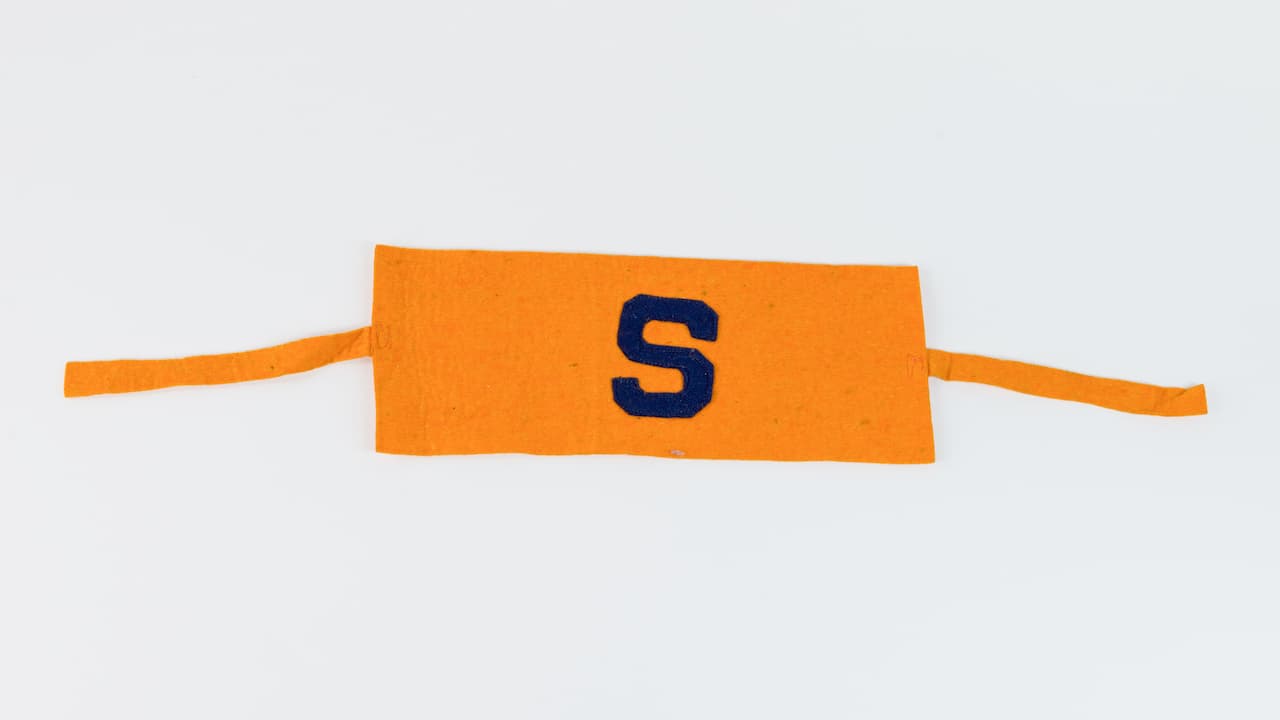
When you move through the woods, it’s important to stay visible to other hunters. Wearing reflective orange armbands helps signal your presence without relying on bulky clothing.
These armbands are lightweight and easy to add to your gear. They increase your safety, especially in low light or dense foliage.
Make sure your armbands are clearly visible from all angles. This simple step can reduce the risk of accidents while you’re on the move.
Be Patient and Remain Still to Avoid Spooking Game

When you’re on your stand, staying still is key. Any sudden movements can alert nearby animals and send them running.
You might feel tempted to move or make noise, but resisting that urge helps you blend into your surroundings. Even small gestures, like waving or coughing loudly, can spook game.
Patience is part of the hunt. Sitting quietly and waiting increases your chances of a successful encounter.
Always Inspect Your Equipment and Tree Stands Before Use
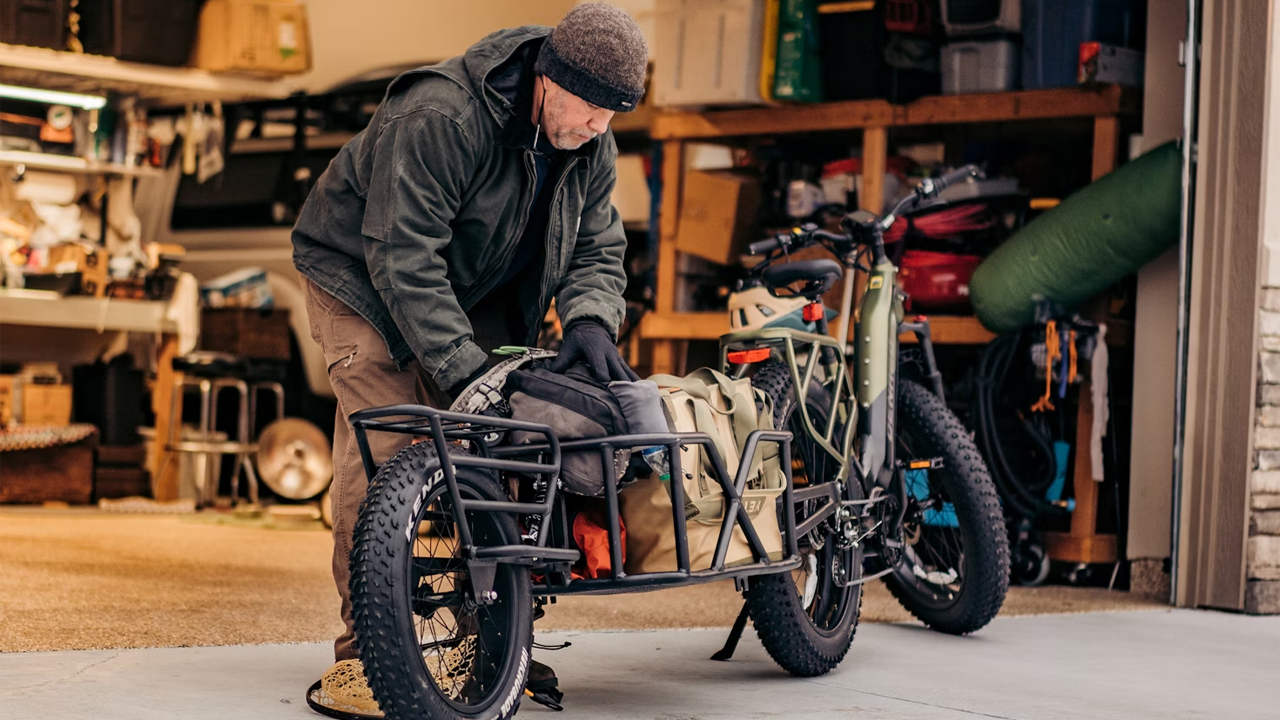
You should check your tree stand carefully before each hunt. Look for any signs of wear, rust, or damage that could affect its safety.
Make sure all straps, buckles, and fasteners are secure and in good condition. Never use a stand that has been left on a tree all year without inspection.
Inspect your harness and safety lines too. Using equipment in good shape helps keep you safe while hunting.
Hunt With a Group or at Least One Partner for Safety
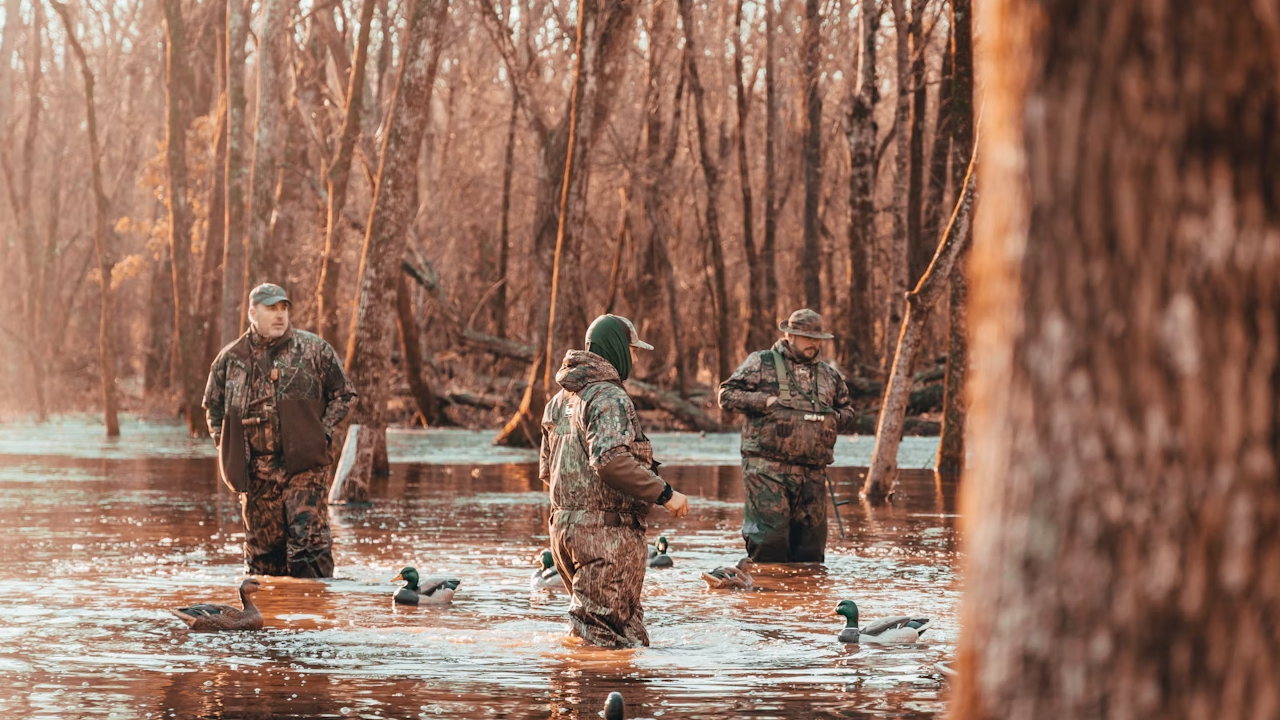
Hunting with a partner or group helps ensure someone is there if an accident happens. You can keep an eye on each other and share important information about your surroundings.
Working with others also makes tracking and retrieving game easier. You can cover more ground safely, especially in dense or unfamiliar terrain.
Make sure to communicate clearly and stay within sight or hearing distance. This helps avoid confusion and keeps everyone safe throughout your hunt.
Create Checkpoints to Navigate Safely in the Field
When you’re out hunting, it’s easy to lose your way, especially in dense terrain. Create checkpoints using natural landmarks like trees, rocks, or streams.
These features will help you track your path and find your way back without relying solely on technology. Mark your starting point and key spots as you move.
This simple habit keeps you oriented and reduces the risk of getting lost during your hunt.
Understand Animal Habits and Habitats Thoroughly
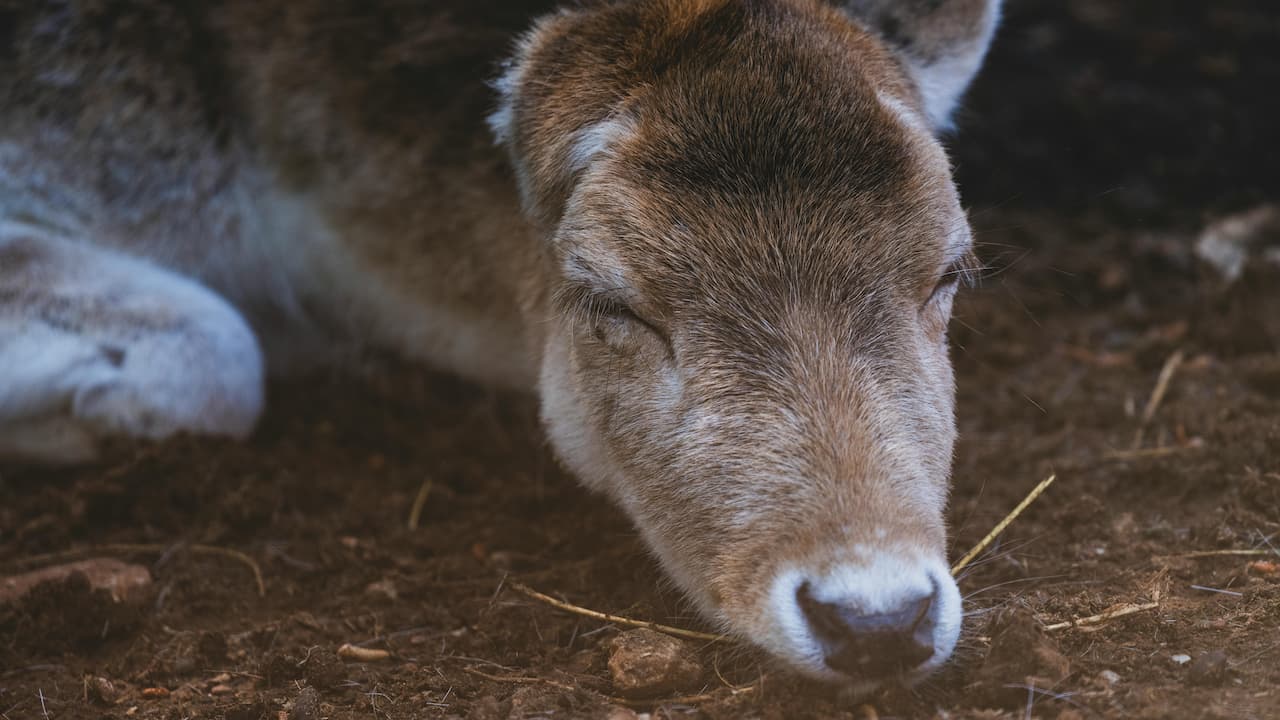
You need to learn about the animal’s daily routines and seasonal movements. Knowing when and where they eat or rest helps you predict their paths.
Pay attention to food sources in the area since animals follow them closely. Also, study the terrain and hiding spots they prefer for safety.
Understanding how hunting pressure affects behavior lets you adjust your strategy. Animals may change their habits if they sense danger, so stay observant and flexible.
Leave a Reply