

Hunting can be a rewarding experience, but small mistakes can quickly turn a good trip into a frustrating one. Whether you’re a beginner or have some experience, avoiding common errors is key to improving your success and enjoyment.
Knowing what to watch out for helps you stay prepared and focused, making your hunt more productive and less stressful. This article will guide you through some of the most frequent mistakes hunters make and how you can steer clear of them.
Not Properly Identifying Your Target – Always confirm what you’re aiming at to avoid accidents

Before you take a shot, always make sure you can clearly identify your target from tip to tail. Mistaking another hunter or an unintended animal can cause serious accidents.
Use tools like binoculars or scopes to help confirm exactly what you’re aiming at.
Also, be aware of what lies beyond your target. This will help prevent accidents from stray shots or missed targets.
Skipping Hunter Education Courses – Refresh your skills regularly to stay safe and legal.
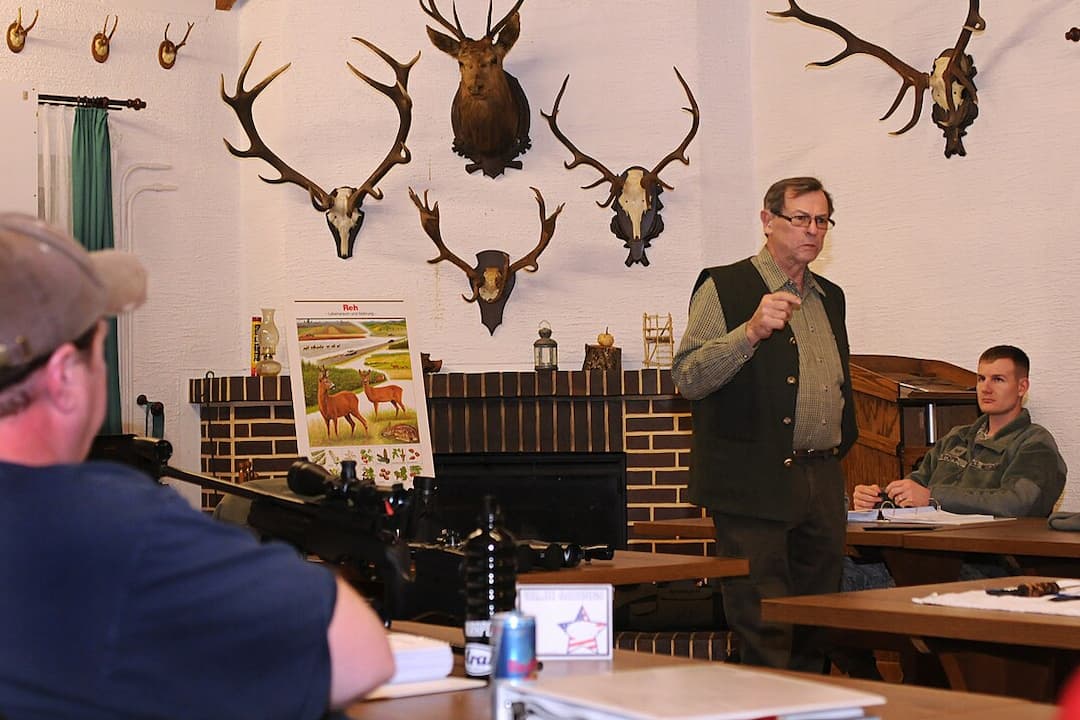
You might think you know everything after one course, but skills and regulations can change. Taking hunter education courses regularly helps you stay updated on safety practices and legal requirements.
These courses reduce mistakes by reinforcing important habits. They also boost your confidence, making your hunt safer and more enjoyable. Don’t skip this step—it’s a simple way to protect yourself and others.
Failing to Obtain the Right Licenses and Tags – Double-check before heading out to avoid fines
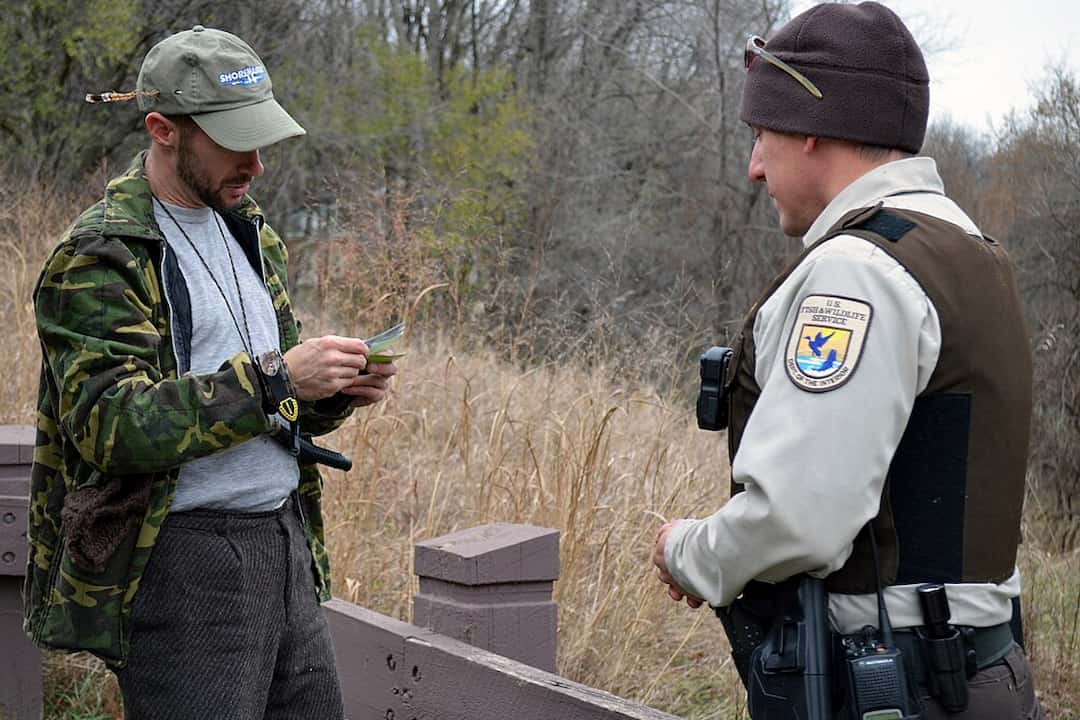
You must have the correct licenses and tags for the species you plan to hunt. These permits show you are following regulations and help protect wildlife populations.
Before you head out, double-check the requirements for your area and season. Carrying the wrong or no license can lead to fines or losing your hunting privileges.
Make it a habit to review the rules each season. It keeps you legal and lets you focus on enjoying your hunt.
Not Practicing Shooting Enough – Accuracy saves the hunt and ensures ethical shots

You need to practice shooting regularly to build confidence and consistency. Accuracy is key to making clean, ethical shots that respect the animal and avoid unnecessary suffering.
If your scope isn’t properly set or your technique is off, a missed shot could ruin your hunt. Taking time to practice will help you know your limits and improve your aim.
Resting your firearm on a steady object during practice helps you learn the most accurate shot placement. This preparation makes a big difference when it counts.
Ignoring Wind Direction – Use the wind to your advantage for scent control.
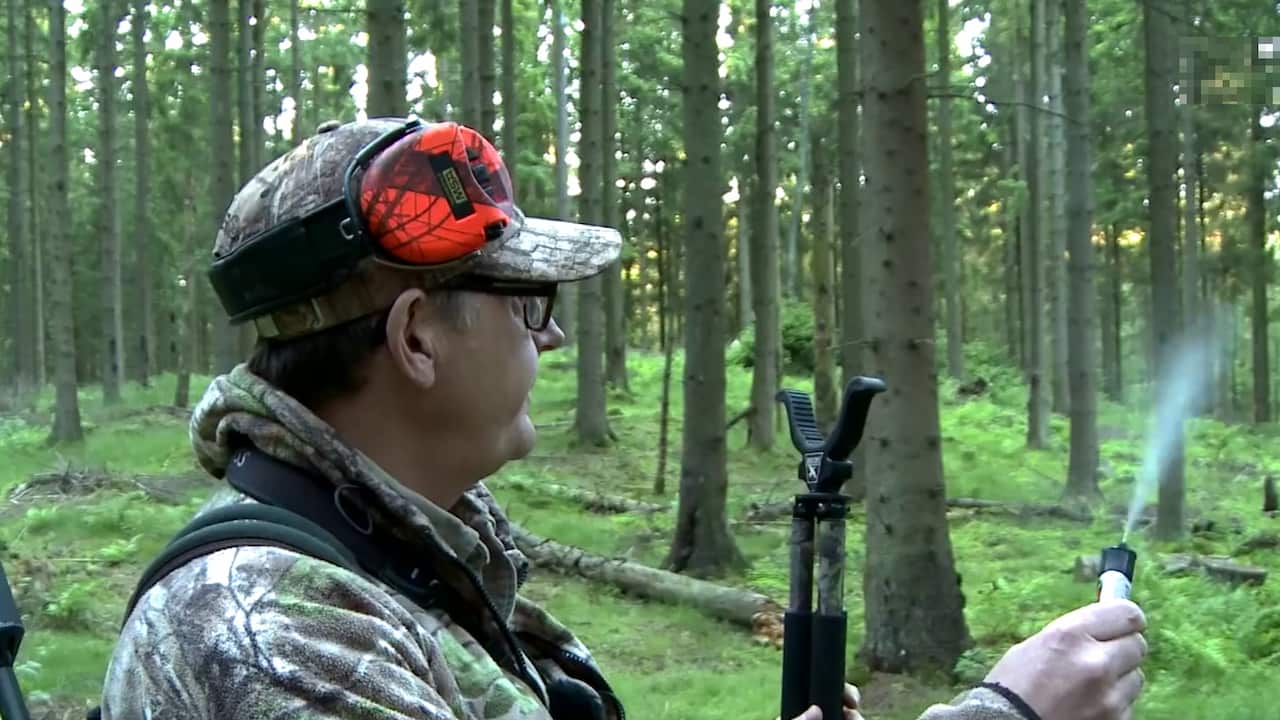
If you ignore wind direction, your scent can easily alert animals to your presence. Always position yourself downwind of the game to keep your smell from reaching them.
Even with scent blockers, wind plays a crucial role. Masking your scent isn’t enough if the wind carries it toward your prey.
Pay attention to changing wind patterns. Staying flexible and adjusting your position with the wind increases your chances of a successful hunt.
Lack of a Backup Plan – Have alternatives if your primary strategy doesn’t work
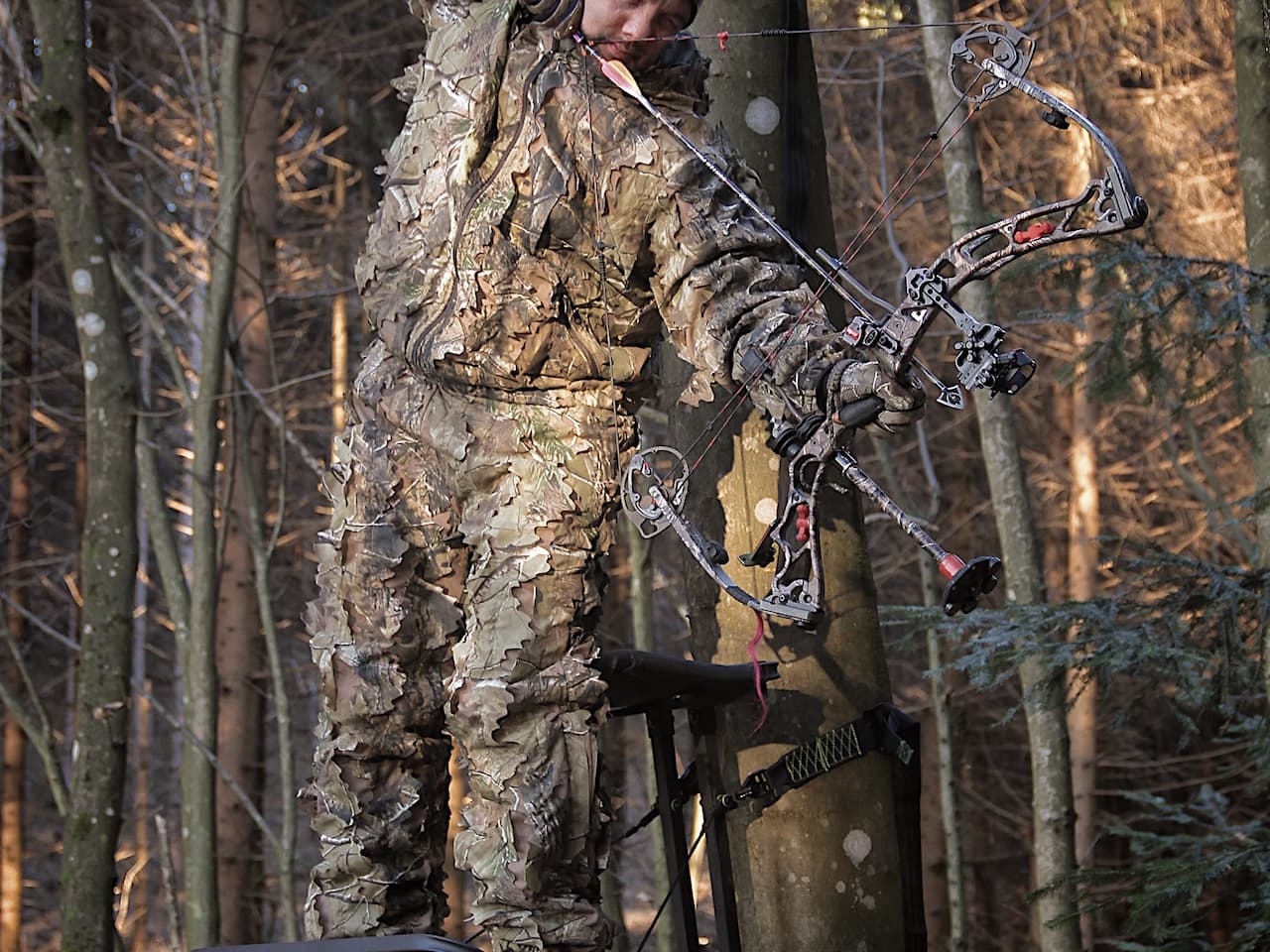
You should always have a backup plan when you’re out hunting. Things don’t always go as expected, so having an alternative can save your day.
If your main approach fails, switching to a second strategy keeps you flexible and increases your chances of success. A backup plan doesn’t mean you’re not committed—it means you’re prepared.
Taking Unethical Shots – Only shoot when confident of a clean, humane hit
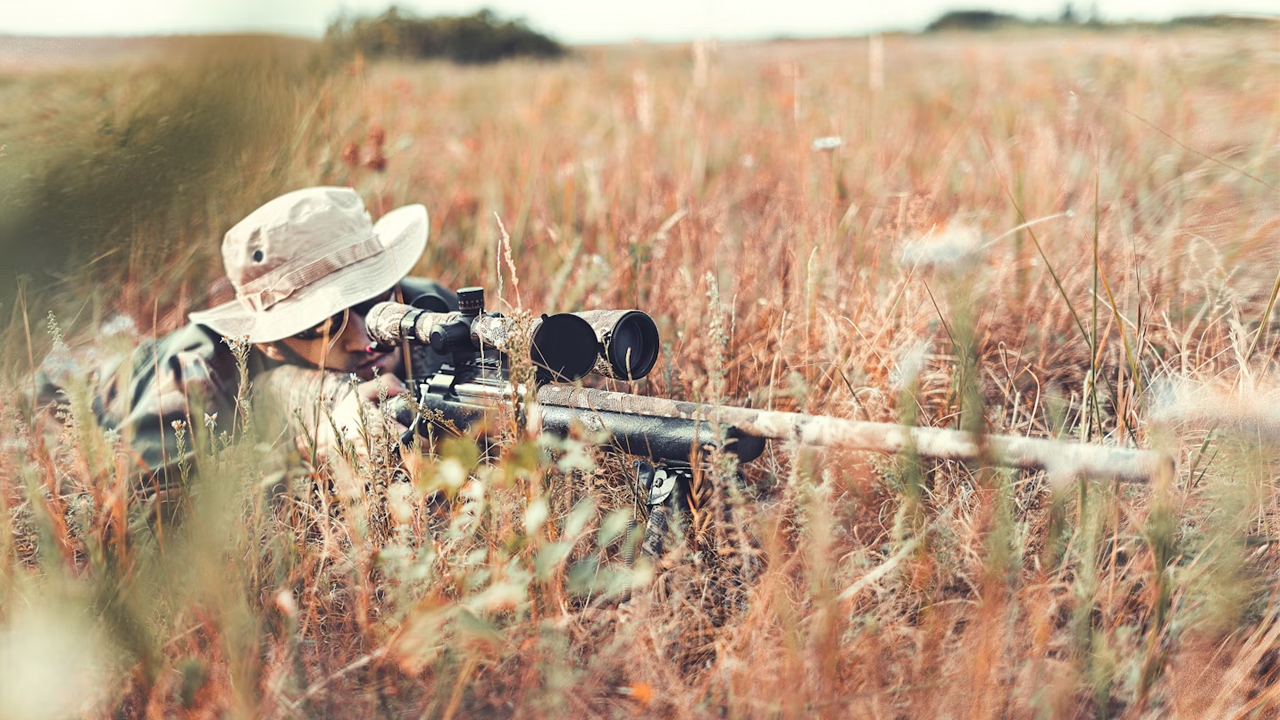
You should only take a shot when you are sure it will result in a quick, humane kill. Avoid risky angles that increase the chance of wounding the animal without a clean hit.
If you hesitate or doubt your shot, wait for a better opportunity. Taking unethical shots can cause unnecessary suffering and ruin your hunt.
Practicing your shooting skills and knowing your effective range will help you make more ethical decisions in the field.
Rushing the Shot – Stay calm to avoid missed opportunities and wasted tags
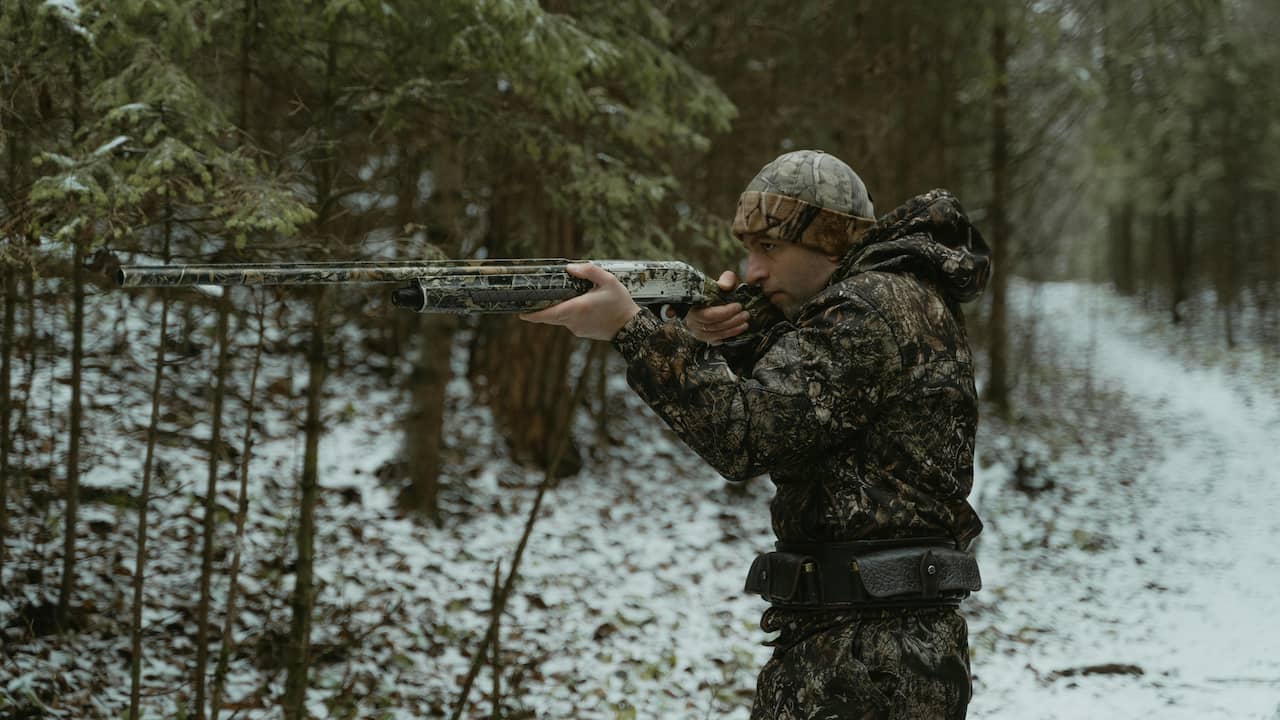
When you rush your shot, you often don’t realize it until the arrow or bullet is already gone. This can lead to poor accuracy and missed chances.
Take your time to steady your breath and focus on the target. Staying calm helps you make a clean, ethical shot.
Remember, patience beats haste in hunting. Your success improves when you avoid the pressure to shoot too quickly.
Not Dressing Appropriately for Weather – Comfort affects focus and stamina

You need to dress for the weather to stay comfortable and alert during your hunt. Wearing too many clothes at the start can cause overheating and sweating, which leads to chills later.
Layering is key. Start with a warm, breathable base layer that stays comfortable even if it gets damp. Add layers you can remove or add as the temperature changes.
Don’t forget safety gear like hunter orange. Proper clothing helps you stay focused and keeps your stamina up throughout the day.
Overhunting Without Breaks – Rest prevents fatigue and maintains sharpness

When you skip breaks during a hunt, fatigue can quickly set in. This reduces your focus and reaction time, making mistakes more likely.
Taking regular rest periods helps you stay alert and keeps your movements steady. Even short breaks let your body recover and your mind stay sharp.
Rest also helps you make better decisions, which is key for both safety and success in hunting. Don’t underestimate the power of a pause.
Neglecting Trail Camera Data – Use it to understand animal patterns better
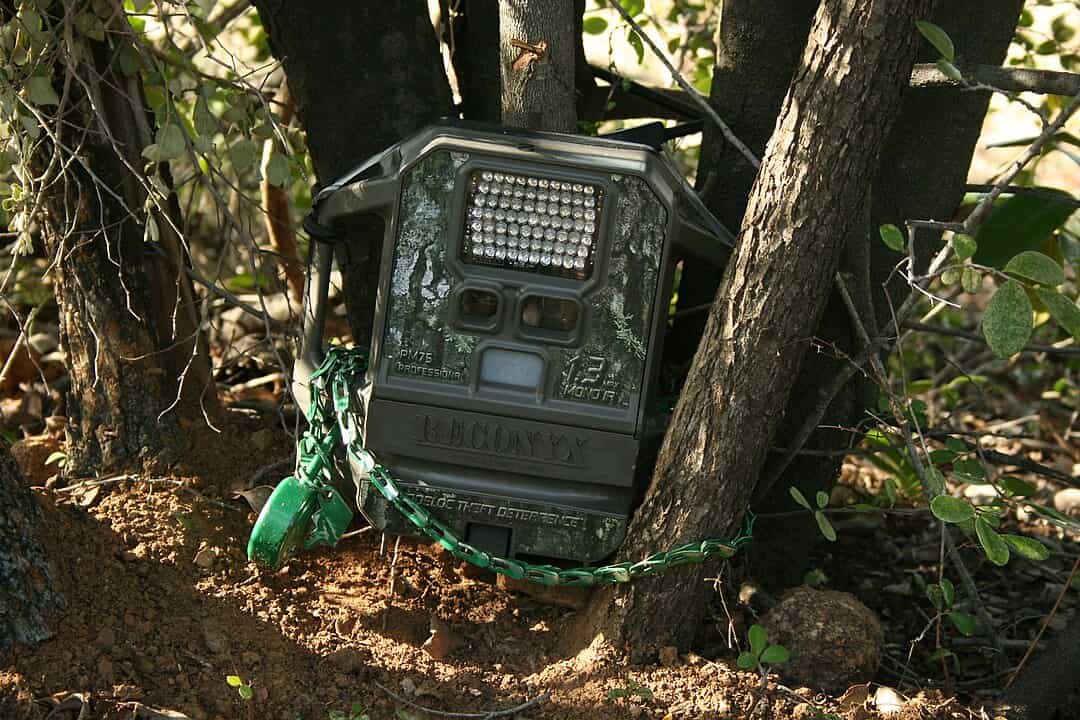
If you don’t review your trail camera data regularly, you miss valuable clues about animal behavior. Checking images and timestamps helps you see when and where animals are most active.
Use this information to adjust your hunting strategy and timing. It can show you which spots are busiest and when the animals pass through. Tracking patterns makes your hunt more informed, not just luck.
Not Knowing When to Call It a Day – Recognize when continuing won’t be productive
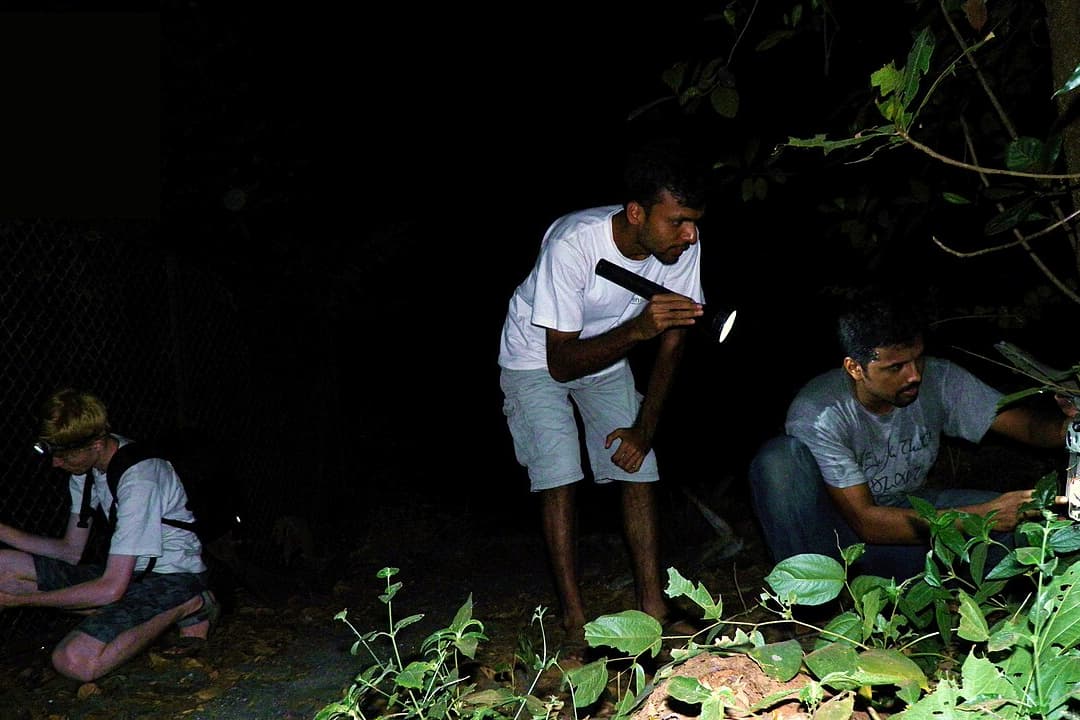
You might feel tempted to keep going, hoping for a big break. But sometimes, pushing on wastes energy and time without results.
Pay attention to signs like fatigue or poor visibility. These can reduce your chances of success.
Knowing when to stop helps you stay safe and keeps your focus sharp for the next hunt. Take a break or try again another day when conditions improve.
Leave a Reply