

Preparing for a multi-day backpacking trip takes more than just packing your gear. You’ll need to build your fitness, endurance, and strength to handle long days on uneven trails with a loaded backpack.
The best way to get ready is by training your body in ways that mimic real hiking conditions and challenges. This helps you avoid injury and enjoy your adventure more. With the right approach, you’ll feel confident and capable when you hit the trail.
Start with easy walks to build a base level of fitness

Begin your training with simple, easy walks to get your body moving. This helps your muscles adjust without overwhelming them.
Aim for consistent, short walks several times a week. Gradually increase the distance as your endurance improves.
Walking builds a foundation of cardio fitness and strength. It prepares your joints and muscles for more intense training later on.
Gradually increase hike duration and elevation gain

Start by hiking short distances at a comfortable pace. Aim to increase both the length and elevation gradually over several weeks.
Adding elevation slowly helps your body adjust to uphill strain without causing injury. Try to hike three times a week, avoiding back-to-back days to allow recovery.
This approach builds your endurance and prepares you for longer, more challenging multi-day trips. It also improves your ability to handle uneven terrain and elevation changes.
Carry a light daypack and slowly add weight

Start with a light daypack to get comfortable with carrying any load. This helps your body adjust to the feeling without overwhelming your muscles or joints.
Gradually add weight over time, using items like water bottles or clothing. This steady increase builds your strength and endurance safely.
It’s important that the weight doesn’t shift as you move. Keep adding weight until it matches what you expect on your trip.
Do squats, lunges, and step-ups for leg strength
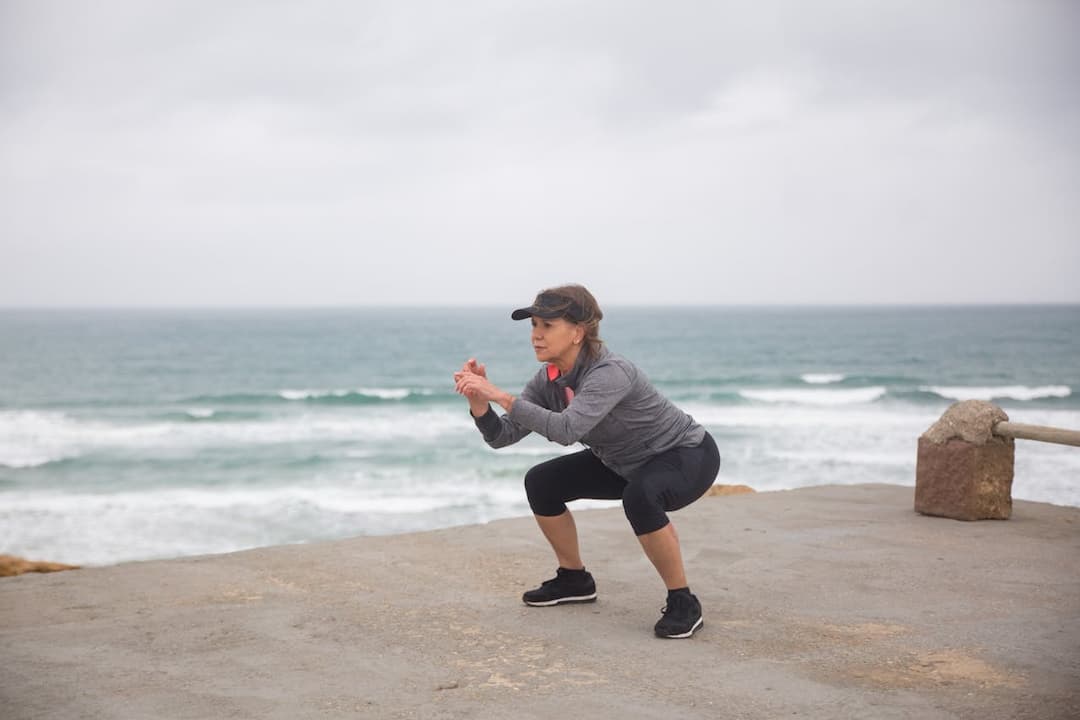
You’ll find squats, lunges, and step-ups really help build the leg muscles you’ll use on the trail. These moves target your quads, hamstrings, and glutes, which support your knees and hips while carrying a backpack.
Try doing them slow and controlled to improve strength and balance. Add weight gradually, like holding dumbbells or wearing a weighted backpack, to mimic hiking conditions. Simple exercises like these can make a big difference in your endurance and stability.
Include stair climbing sessions weekly

Adding stair climbing to your weekly routine is a simple way to build leg strength and endurance. It mimics the uphill effort you’ll face while hiking with a backpack.
You can increase difficulty by carrying a loaded backpack or adding extra steps. This helps prepare your body for variable terrain and elevation changes.
Even just 15-20 minutes per session can boost your cardiovascular fitness. Make stair climbing a regular habit to see steady progress.
Practice hiking on varied terrain for balance
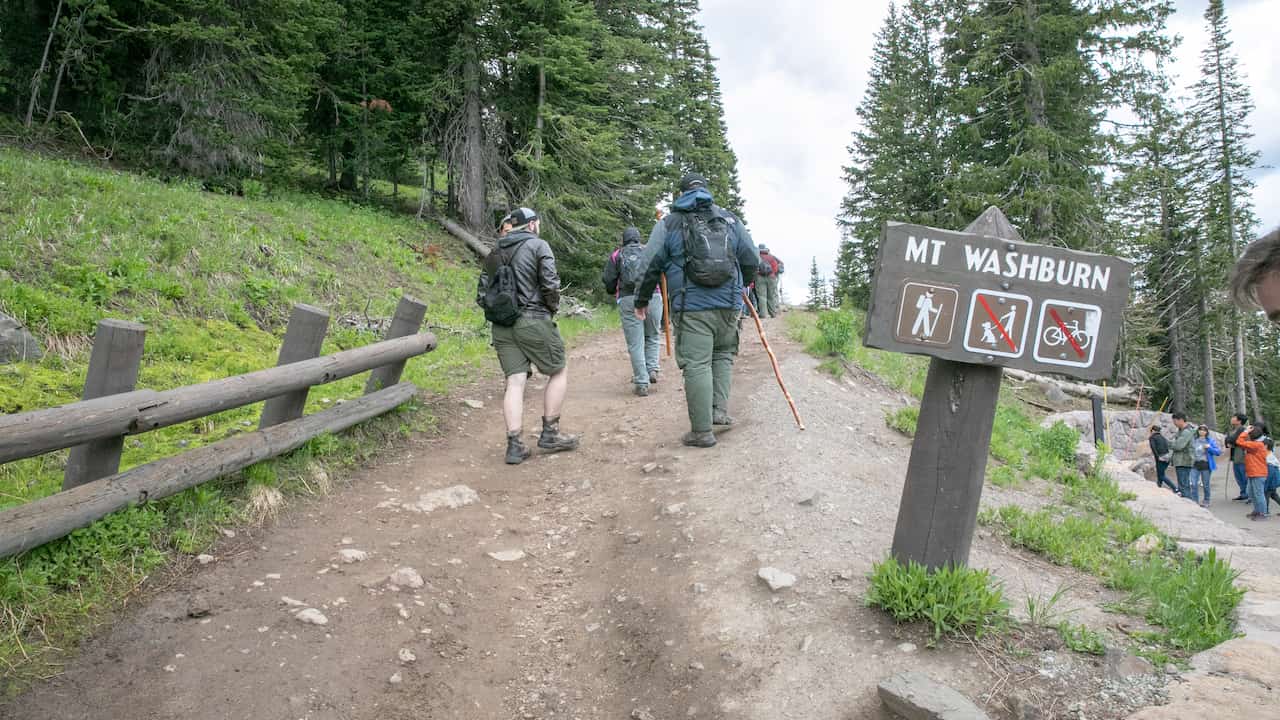
You should spend time hiking on different surfaces like rocks, dirt, and uneven trails. This helps improve your balance and stability, which are crucial for carrying a heavy backpack.
Walking on varied terrain trains your muscles to adapt to sudden changes, reducing the risk of falls. Try to include uphill, downhill, and side slopes in your practice hikes.
Adding balance exercises off the trail, like standing on one leg or using a balance board, can also support your hiking skills.
Train with single-leg deadlifts for stability

Single-leg deadlifts are great for improving your balance and strengthening key muscles like your hamstrings and glutes.
This exercise helps you stay steady on uneven trails and supports your joints during long hikes.
Try adding single-leg deadlifts to your routine a few times a week. Start with body weight, then add light weights as you get stronger.
Doing this will help your body handle the demands of carrying a backpack over rough terrain.
Incorporate short cardio like biking or running

Adding short sessions of biking or running to your training helps boost your cardiovascular fitness. These activities build endurance without overloading your joints.
You don’t have to run long distances—mix in low-intensity runs or gentle bike rides a few times a week. This variety keeps your workouts interesting and supports your hiking stamina.
Remember, consistent and moderate cardio sessions improve your heart and lung capacity, making long backpacking days easier to manage.
Use weighted backpack training sessions

Carrying a weighted backpack during training helps your body adjust to the load you’ll carry on the trail. Start with a light pack and gradually add weight as your strength and endurance improve.
Try walking on varied terrain while wearing your loaded pack. This builds muscle strength and improves balance, helping you handle real trail conditions more confidently.
Do hip roll exercises to improve mobility

You’ll carry most of your pack weight on your hips, so keeping them flexible is important. Hip roll exercises help strengthen the muscles around your hips and improve your range of motion.
Regularly doing hip rolls can reduce stiffness and make walking with a heavy pack easier. Aim for 15-20 controlled repetitions on each side to build better hip stability and support.
Include calf raises and heel-down drills
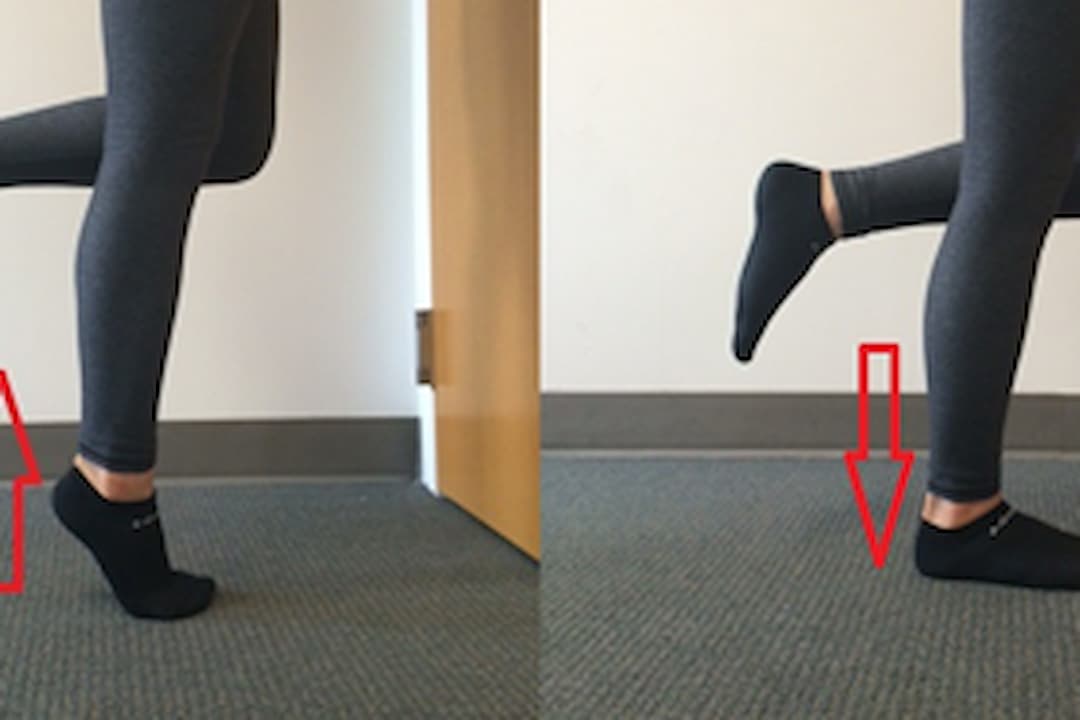
Calf raises are simple but effective for building strength in your lower legs. Strong calves help you handle uneven terrain and carry a heavy pack more comfortably.
Heel-down drills train your balance and control while hiking downhill. Practicing this movement reduces strain on your knees and improves your foot placement.
Add these exercises to your routine to boost stability and endurance for long days on the trail.
Stretch regularly to prevent injuries

You should make stretching a regular part of your training routine. It helps keep your muscles flexible and reduces the risk of strains on the trail.
Focus on key areas like your hips, hamstrings, calves, and lower back. Stretching before and after your hikes will prepare your body and help with recovery.
Even simple stretches can prevent discomfort and improve your overall mobility during long days of backpacking.
Train endurance with multi-hour hikes

You build the endurance needed for a multi-day backpacking trip by spending time on your feet. Aim for hikes that last several hours to mimic the demands of being out on the trail all day.
Start with routes that challenge you but are manageable, then gradually increase distance and elevation. This consistency helps strengthen legs and improves your stamina for long days ahead.
Carrying your pack during these hikes will better prepare your body for the extra weight you’ll carry on the trip.
Leave a Reply