

Hiking can be an enjoyable way to connect with nature and get some exercise, but small mistakes can quickly turn a great day outdoors into a frustrating experience. Knowing what to watch out for helps you avoid unnecessary problems on the trail.
Understanding common hiking mistakes will help you plan better and have a safer, more enjoyable trip. When you prepare with care, your hike is more likely to go smoothly, letting you focus on the beauty around you instead of avoidable setbacks.
Not packing enough water

You might underestimate how much water you need, especially on longer hikes. Dehydration can quickly sap your energy and slow you down.
Always carry more water than you think you’ll need. It’s better to have extra than to run out in the middle of the trail.
If you’re hiking in hot weather or at higher altitudes, your water needs increase. Plan ahead to stay properly hydrated throughout your hike.
Skipping sunscreen and a hat

You might think a little sun won’t hurt, but skipping sunscreen can lead to painful burns that spoil your hike. Applying sunscreen protects your skin from harmful UV rays, even on cloudy days.
Wearing a hat shields your face and neck, keeping you cooler and reducing sun exposure. Sunglasses also help protect your eyes from UV damage.
Bringing these simple items is easy and can make your hike much more comfortable and safe.
Wearing new shoes or boots

Wearing new shoes or boots on a hike often leads to discomfort. You need to break them in gradually before taking them on long trails.
Start by wearing them for short walks to soften the material and shape to your feet. This helps prevent blisters and hotspots.
New footwear may cause pain if worn straight from the box. Taking the time to prepare your shoes protects your feet and keeps the hike enjoyable.
Ignoring physical fitness

You might feel excited to tackle a challenging hike, but it’s important to be honest about your fitness level. Overestimating your endurance can lead to fatigue and increase the risk of injury.
Start with trails that match your current ability and gradually build up. Preparing physically helps you enjoy the hike more and finish safely without feeling overwhelmed.
Not carrying a map or navigation device
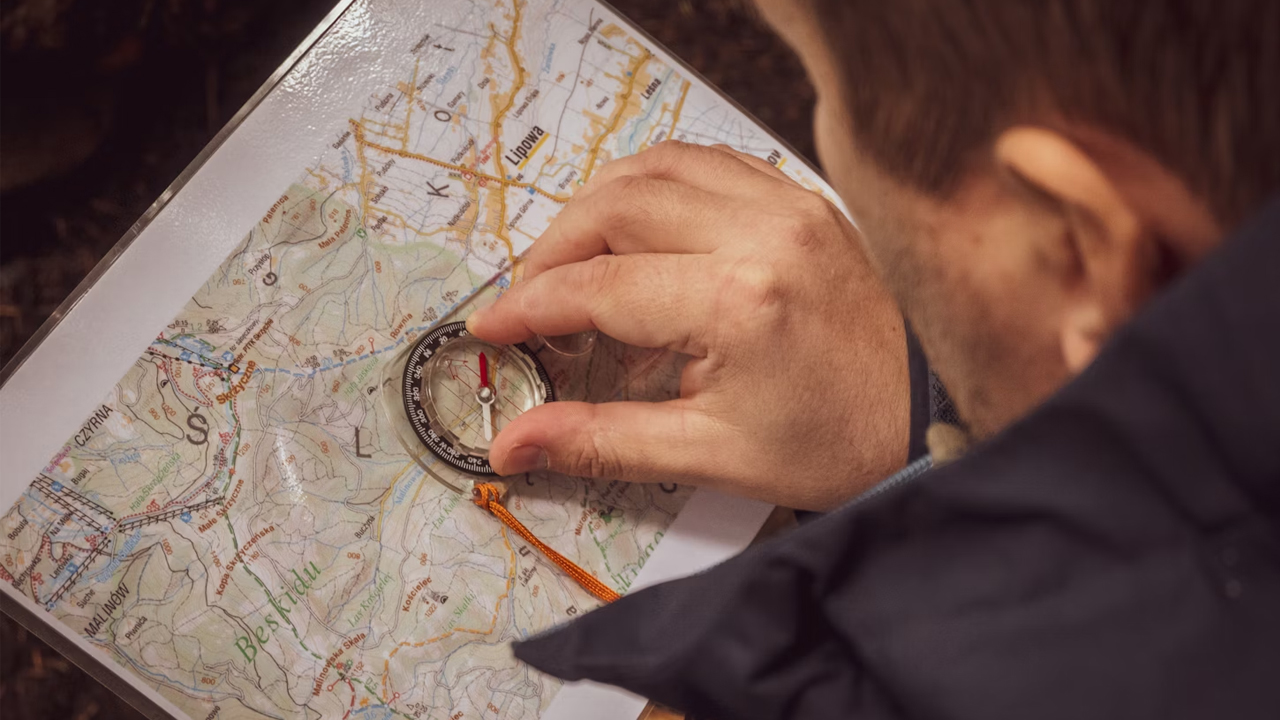
You might think your phone’s GPS is enough, but it can fail due to signal loss or battery drain. Carrying a physical map and compass ensures you can find your way, even when technology lets you down.
Knowing how to use these tools is just as important as having them. Practice before your hike so you feel confident navigating unfamiliar trails.
Forgetting a first aid kit

You never know when a small injury might happen on the trail. Having a basic first aid kit can help you quickly treat blisters, cuts, or insect bites.
Carrying a large, heavy kit isn’t necessary. A compact kit with essentials is enough to keep you safe without weighing you down.
If you forget it, minor issues can become bigger problems and spoil your hike. Bringing one shows you’re prepared for the unexpected.
Overestimating hiking abilities

You might feel excited to tackle a long trail, but overestimating your abilities can quickly turn your hike into a struggle. Pushing too hard can lead to exhaustion or injury, spoiling the fun.
It’s important to choose trails that match your fitness level. Start with shorter, easier hikes and gradually build up your stamina.
Listening to your body and knowing when to rest helps you enjoy the outdoors safely. Planning realistic goals makes your hike more rewarding.
Not dressing in layers
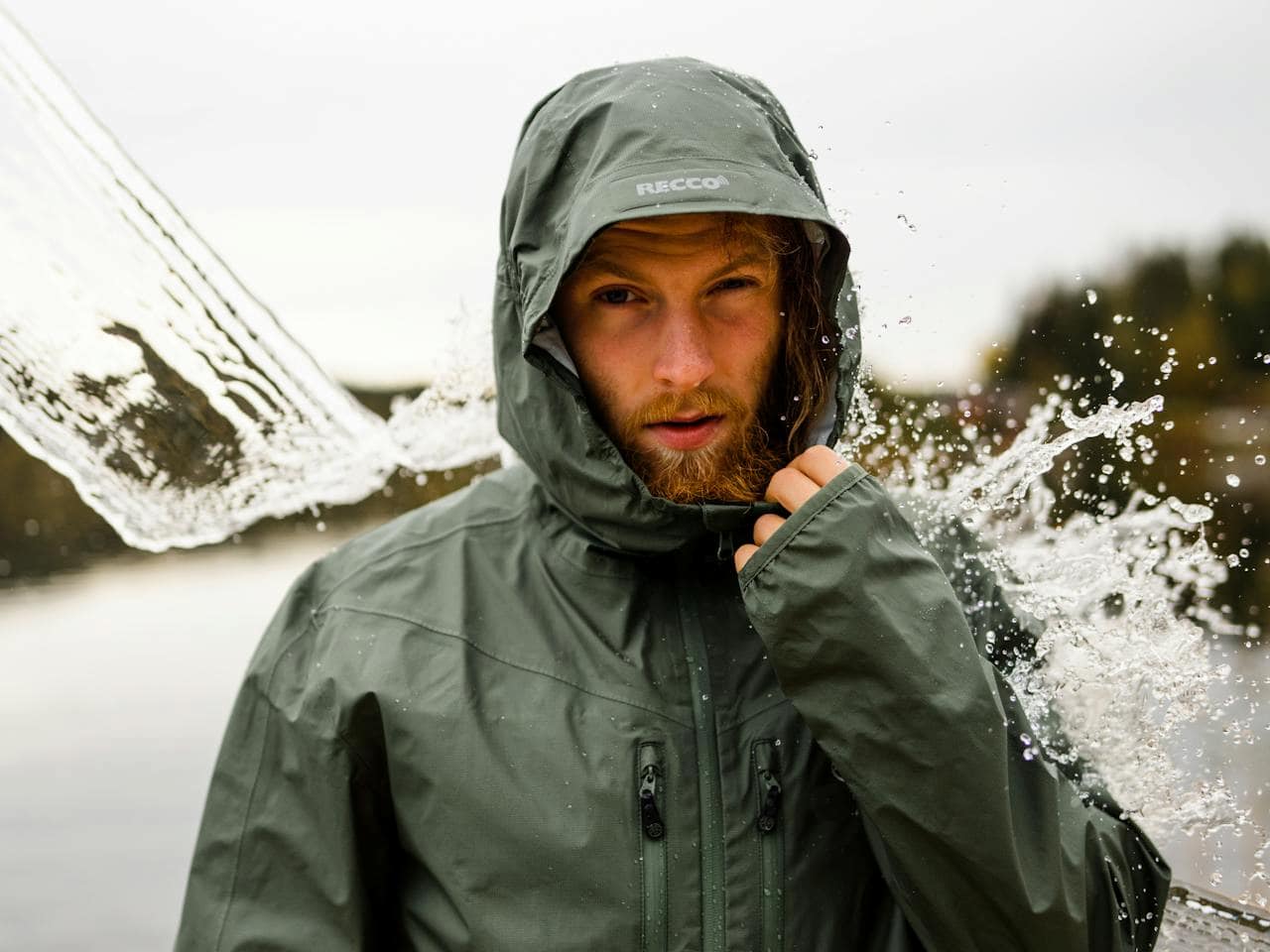
You might think dressing warmly means wearing all your clothes at once. But too many layers can make you overheat quickly and feel uncomfortable.
Instead, bring layers you can add or remove as needed. This helps you stay comfortable when the weather changes or your activity level shifts.
Make sure to have a lightweight base layer, an insulating layer, and a waterproof outer layer. Being prepared with layers helps you enjoy your hike without getting too hot or cold.
Starting too fast without warming up
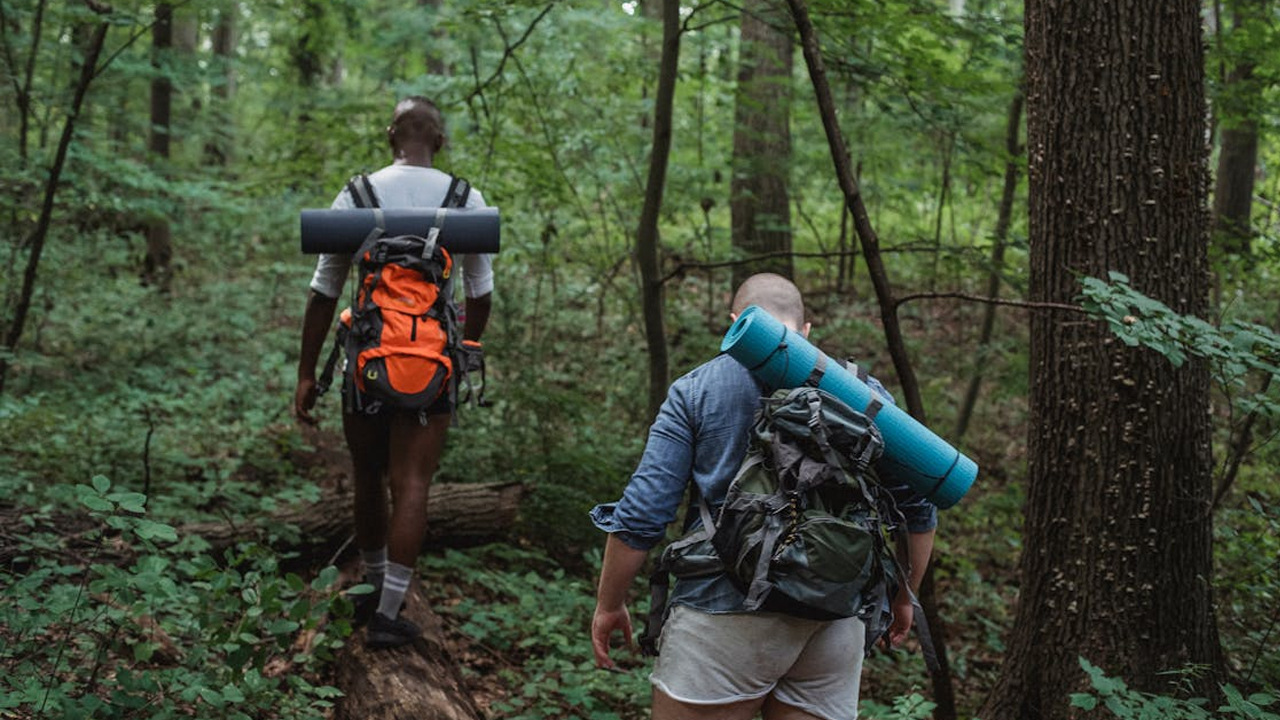
If you start hiking too quickly without warming up, your body might feel stiff or sore early on. Your muscles and joints need a few minutes to get ready for the activity ahead.
Taking a gentle pace at the beginning helps your heart adjust and lowers the risk of injury. Stretch lightly before you start and ease into your hike to keep energy steady and enjoy your time outdoors.
Ignoring weather changes

You might start your hike with clear skies, but weather can shift quickly. If you don’t check the forecast or watch for signs of a storm, you could get caught unprepared.
Always pack layers and rain gear, even if the sun is shining. Staying aware of changing conditions helps keep you safe and comfortable on the trail.
Leave a Reply