

When you’re new to fishing, there’s a lot to learn beyond just casting a line. Experienced anglers have developed habits and techniques through time that make their outings more successful and enjoyable.
Understanding what seasoned fishermen do differently can help you improve your skills faster and catch more fish. These subtle differences often come from paying attention to details many beginners overlook.
Letting the lure work naturally without constant reeling
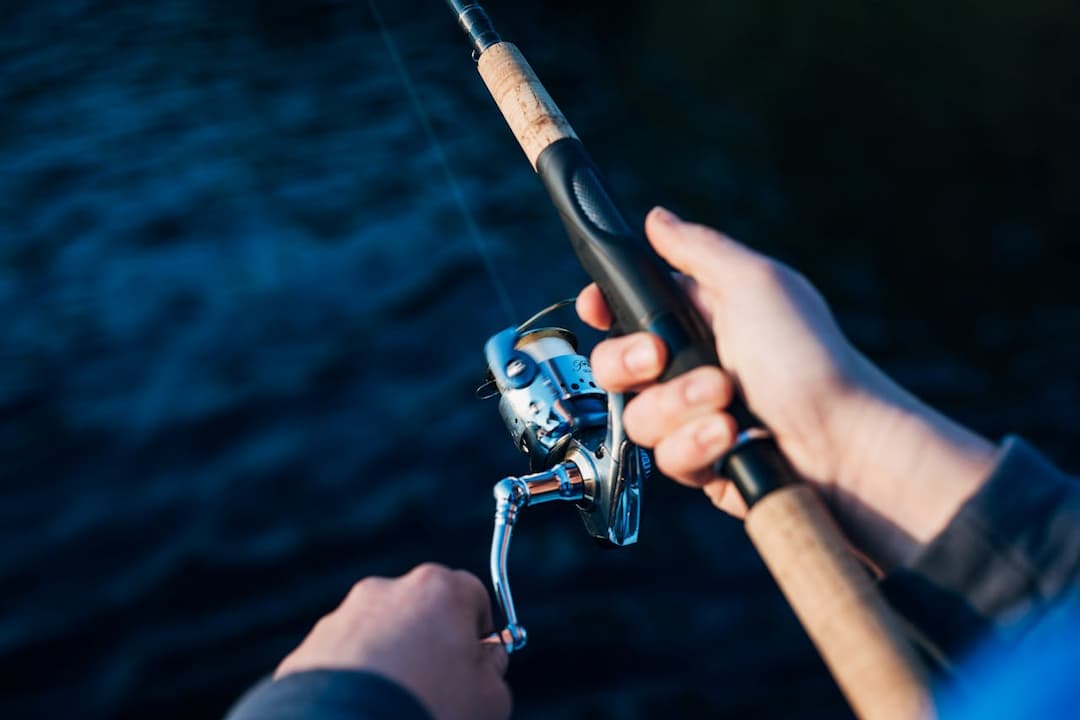
You don’t always need to reel in your lure constantly. Experienced anglers often let the lure sink or drift to the right depth, allowing fish to come to it naturally.
Instead of reeling as you move, try letting the lure stay still or move slowly. This makes your bait look more like real prey, giving you better chances to catch fish.
Patience helps here. Give your lure time to attract attention before you start reeling again.
Using subtle, natural bait presentations matching local prey
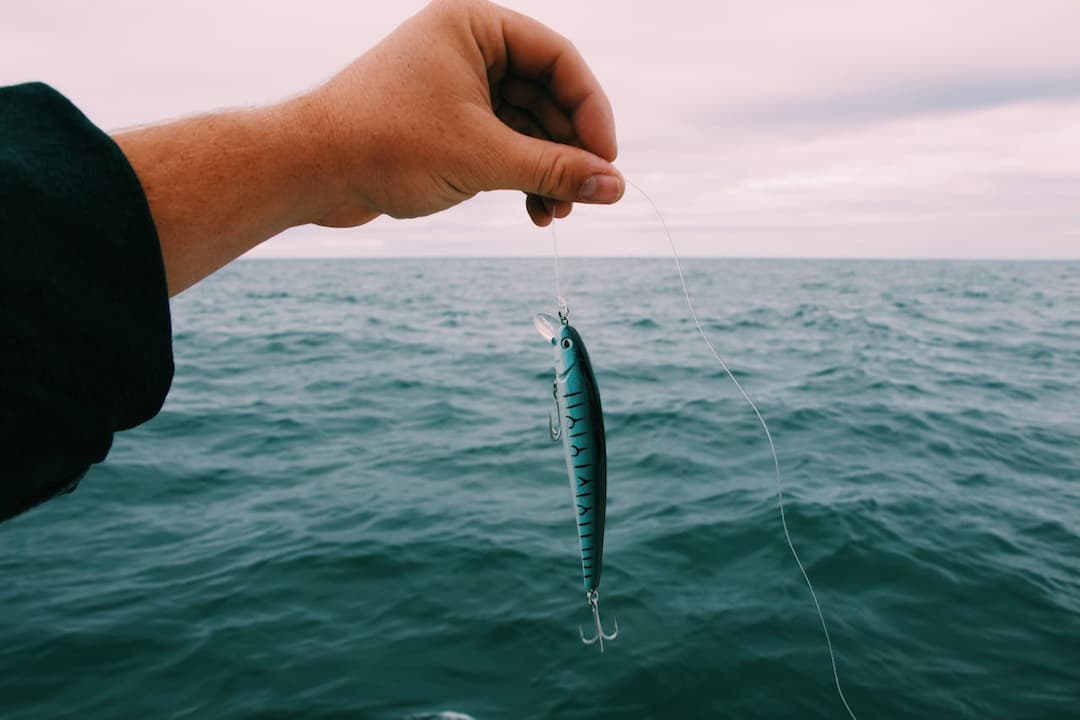
You’ll notice experienced anglers carefully choose bait that closely resembles the insects or small fish in the area. This technique, often called “matching the hatch,” helps you present a natural meal to the fish.
Instead of flashy lures, you can try using live bait or small, subtle plastics. Keeping your bait’s size and color natural makes your presentation less suspicious to fish.
By observing what the local fish are feeding on, you can adjust your approach and improve your chances of catching them. It’s a simple but effective way to make your fishing more successful.
Avoiding fishing immediately downstream of other anglers without permission
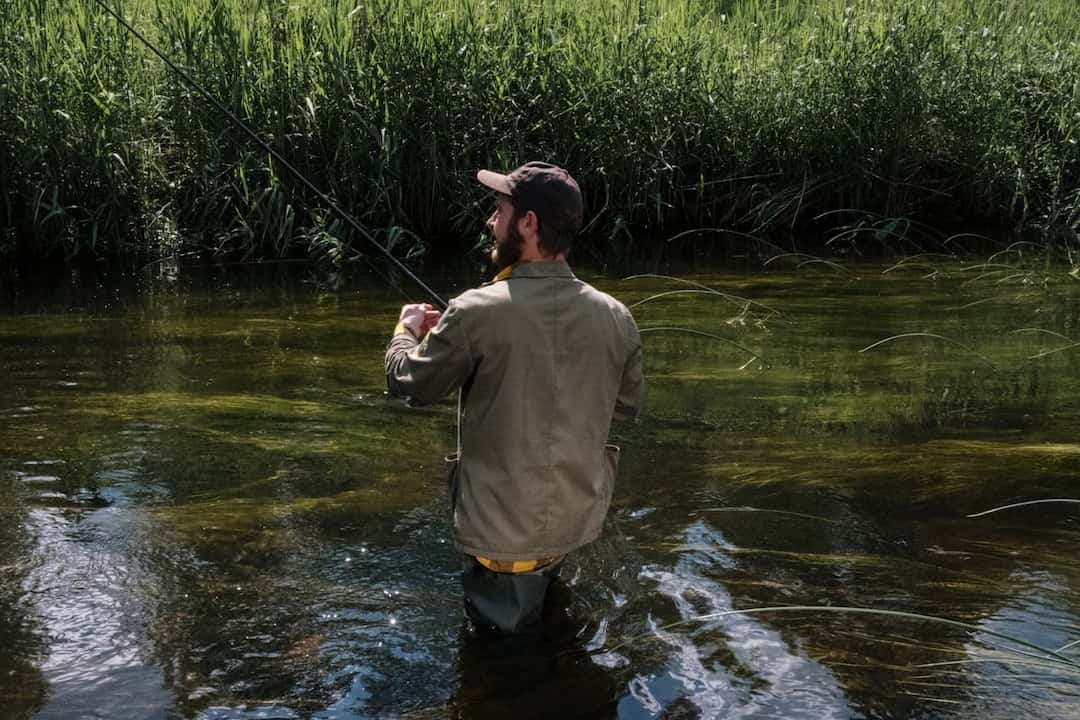
When you fish right downstream of someone else, you risk spooking their fish. Fish are sensitive to movement and shadows, so being too close can ruin their chances.
Always ask permission before casting below another angler. It shows respect and helps avoid conflicts on the water.
Waiting your turn or finding a different spot makes the experience better for everyone. It keeps the fish cautious and the atmosphere friendly.
Casting with awareness to avoid hooking nearby people
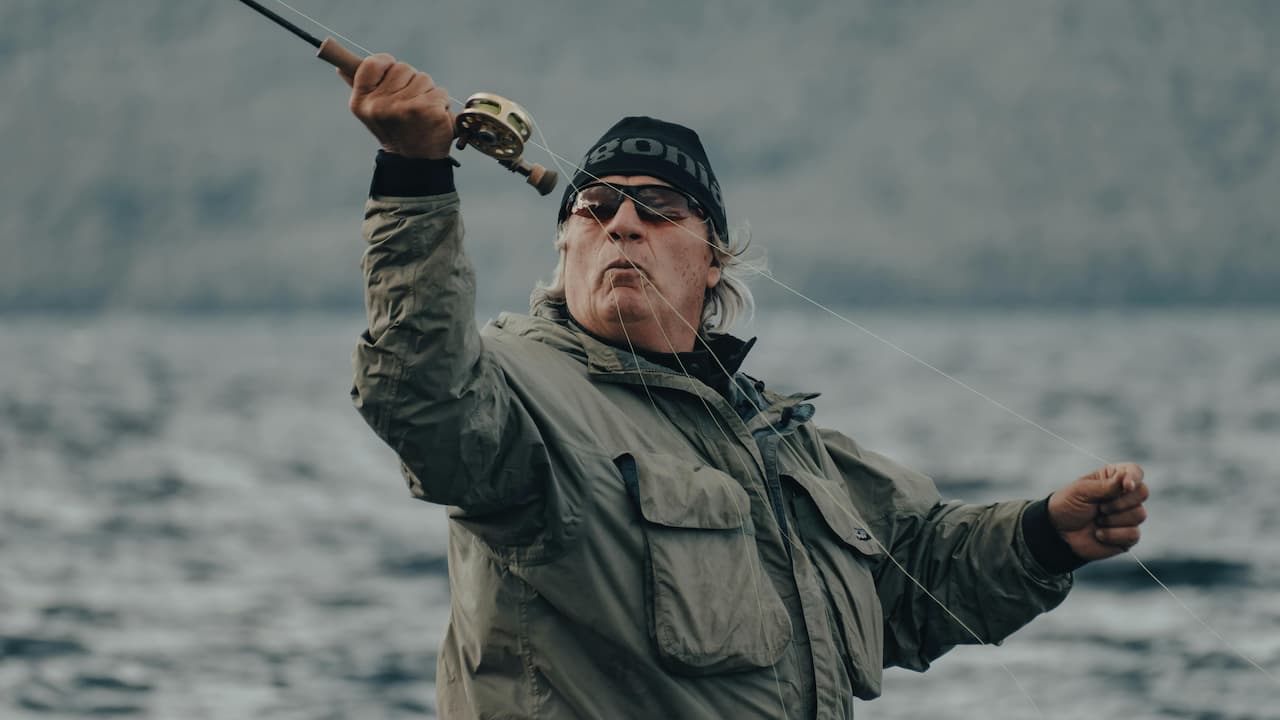
When you cast, always look around to make sure no one is too close behind or beside you. Being aware of your surroundings helps prevent accidents and keeps everyone safe.
Use controlled, smooth motions instead of sudden, fast flicks. This gives you better control over your line and reduces the chance of hooking someone nearby.
If your spot is crowded, wait for a clear moment before casting. Respecting others’ space shows good angling etiquette and keeps the experience enjoyable for all.
Telling someone your fishing location and expected return time

You should always tell a friend or family member where you are going fishing. Sharing your exact spot and the time you plan to return makes it easier for others to check on you if needed.
This habit is especially important if you’re fishing alone or in remote areas. It helps keep you safe and gives peace of mind to those who care about you.
Practicing patience instead of cranking the reel aggressively

When you fish, rushing the reel can often scare fish away. Experienced anglers know that patience helps you wait for the right moment to set the hook.
You learn to feel the subtle bites and changes in the line, rather than forcing action. Taking your time lets you read the water and adjust your technique.
Remember, fishing isn’t a race. Patience lets you stay calm and persistent, which increases your chances of catching fish.
Choosing spinning or spincast combos suited to specific conditions
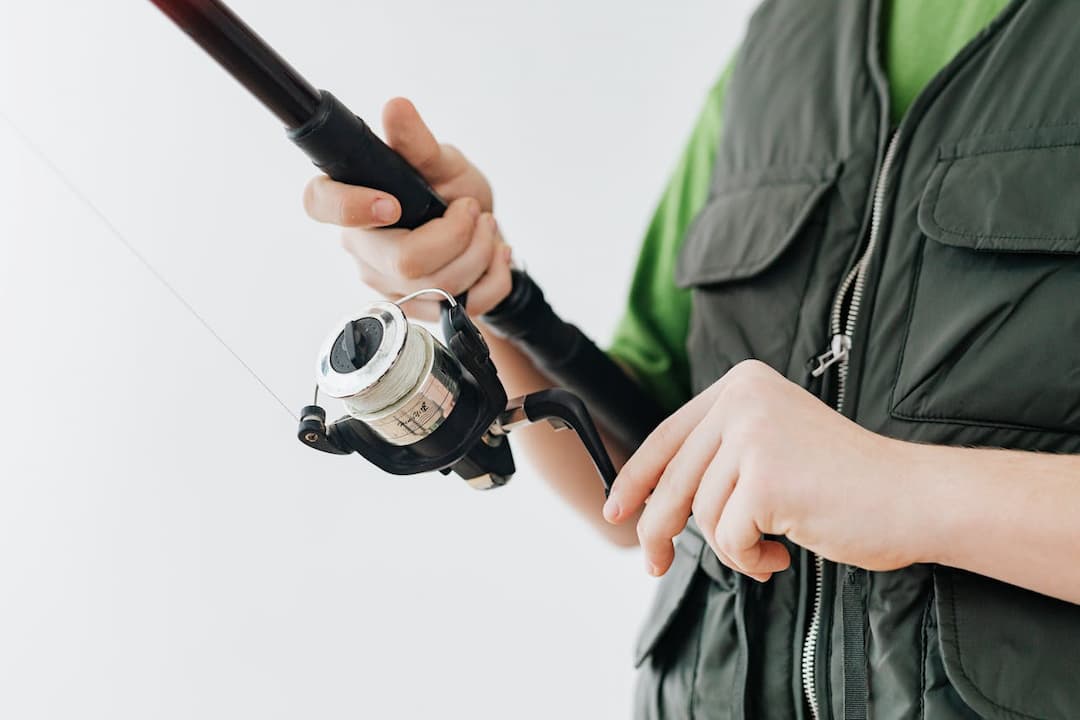
You’ll want to pick a spinning combo for finesse and lightweight lures. It works well in clear water or when you need precise casts. Spinning reels offer more control and versatility, especially for different fish species.
Spincast combos are easier to use and great when you want quick engagement. They’re good for beginners or casual fishing with lighter tackle. Use spincast reels in situations where simplicity and ease matter most.
Observing water currents and adjusting tactics accordingly
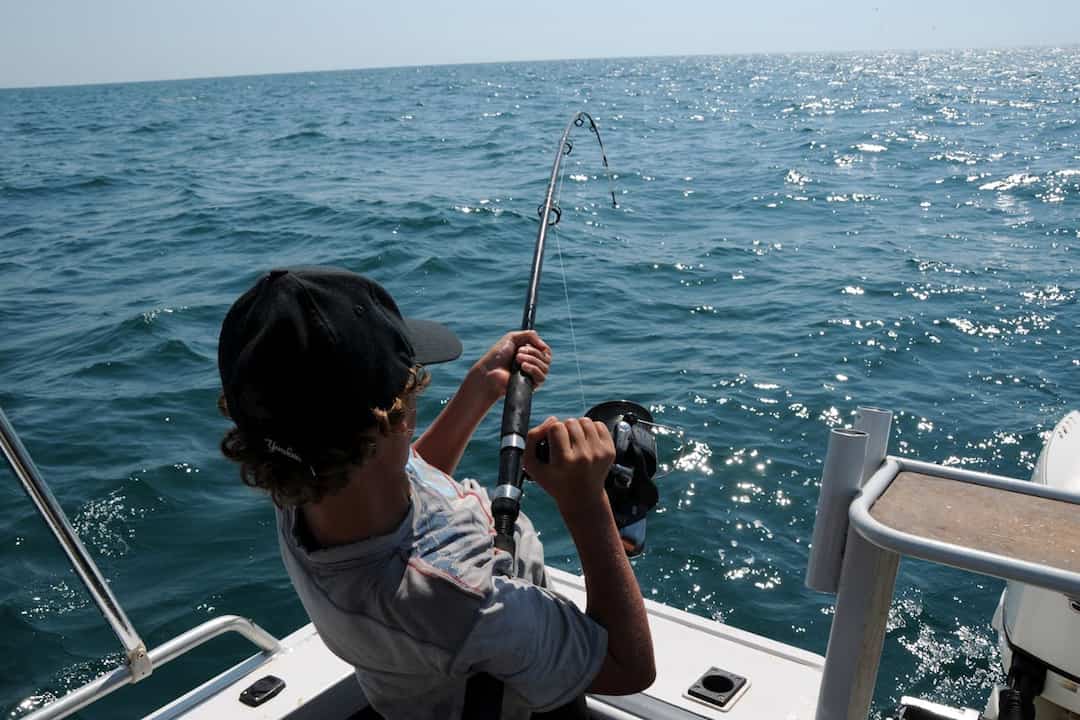
You’ll notice experienced anglers pay close attention to how water moves. Currents can affect where fish gather and when they feed.
When the water flows, many fish become more active, so casting near moving water often increases your chances. You should also watch for changes in tide or current, as fish respond differently during these shifts.
Adjust your bait and casting techniques based on the current. Staying aware helps you fish smarter, not harder.
Not fishing ocean rocks alone for safety reasons
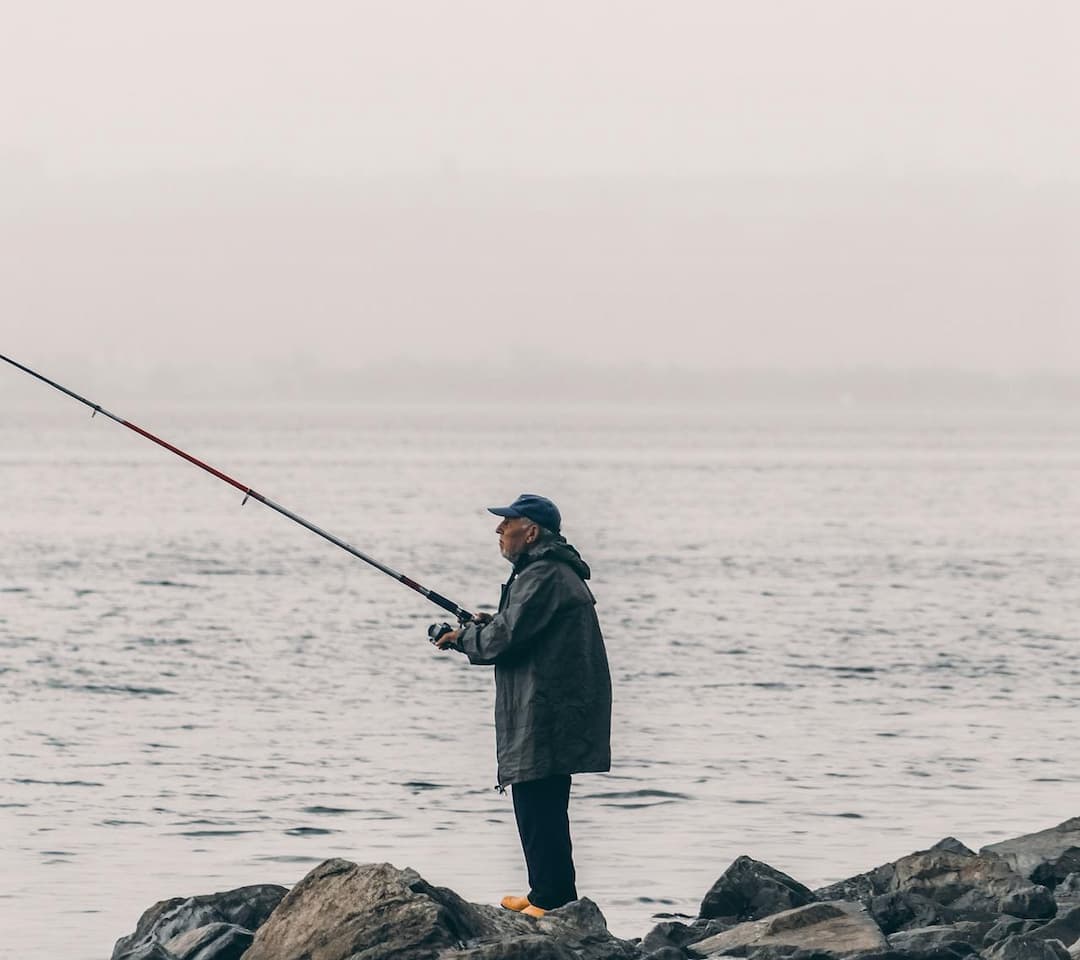
When you fish on ocean rocks, it’s safer to go with others. Waves and slippery surfaces can be unpredictable, increasing the risk of falls or accidents.
Experienced anglers choose spots where others fish and avoid going alone. Having company means help is close if something goes wrong.
Take your time to learn the area and never rush your moves. Fishing with friends or fellow anglers keeps your day safer and more enjoyable.
Being careful handling sharp hooks to prevent injury

You should always cover or remove hooks when you’re not using them. This helps avoid accidental pricks and keeps you safe while moving around.
Using corks or hook safety covers on your rods is a simple way to protect yourself and others. Always handle hooks gently and stay focused when baiting or removing them.
Keeping your hooks sharp is important, but be extra cautious. Sharp hooks can cause serious injuries if you’re careless.
Respecting low holing etiquette on shore and boats
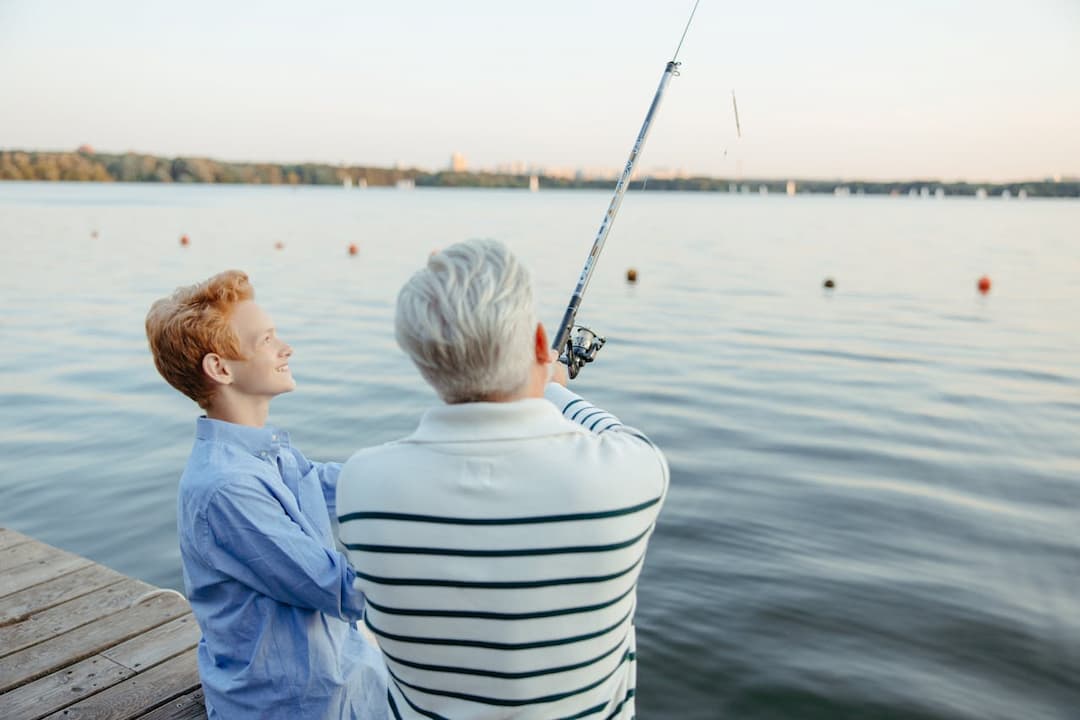
When fishing, avoid “low holing” other anglers by positioning yourself downstream or below them without permission. This blocks their chance to cast first and is considered poor manners.
If you want to fish below someone, ask first. This applies whether you’re on shore or in a boat.
Respecting this rule helps keep the fishing experience enjoyable for everyone. It shows consideration and helps maintain good relationships on the water.
Leave a Reply