

Fishing from the shore can be a rewarding experience, but landing big fish requires proper technique and patience. Whether you’re a beginner or looking to improve your skills, it helps to understand how to manage your line, control the fish, and use the right gear.
This article will walk you through 12 practical tactics for successfully reeling in larger fish while fishing from the shore. With these tips, you can increase your chances of making a strong catch and enjoy your time on the water more.
Use a high-quality spinning reel with adjustable drag
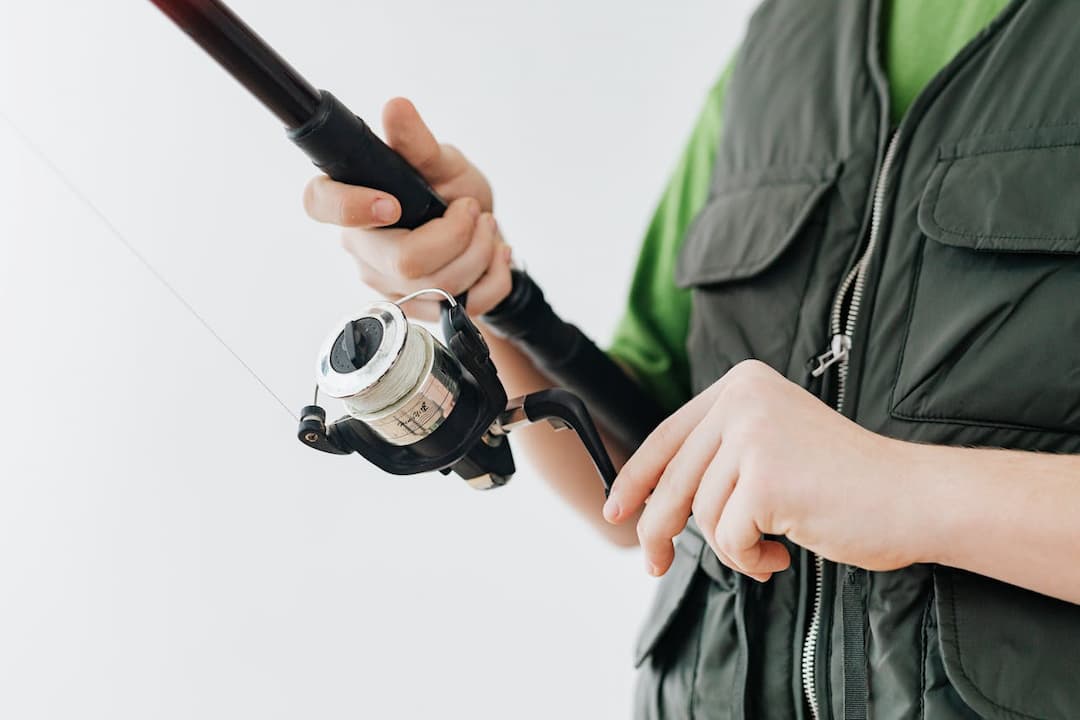
You want a spinning reel that feels smooth and reliable. A quality reel helps you manage the fight without worrying about equipment failure.
Adjustable drag is key. Setting your drag to about 20-30% of your line’s strength gives you control over how much resistance the fish feels.
This balance helps prevent line breaks and saves your gear. Practice adjusting the drag so you can respond quickly when a big fish pulls hard.
Set your drag properly to prevent line breakage under strain

You want to set your drag at about 20-30% of your line’s breaking strength. This helps the line give a little when a big fish pulls hard.
If the drag is too tight, your line might snap. Too loose, and you could lose control of the fish.
A simple way to test is to pull the line by hand. Adjust the drag until it just starts to slip without causing too much resistance.
Keep tension on the line by letting the fish pull drag instead of reeling against it.
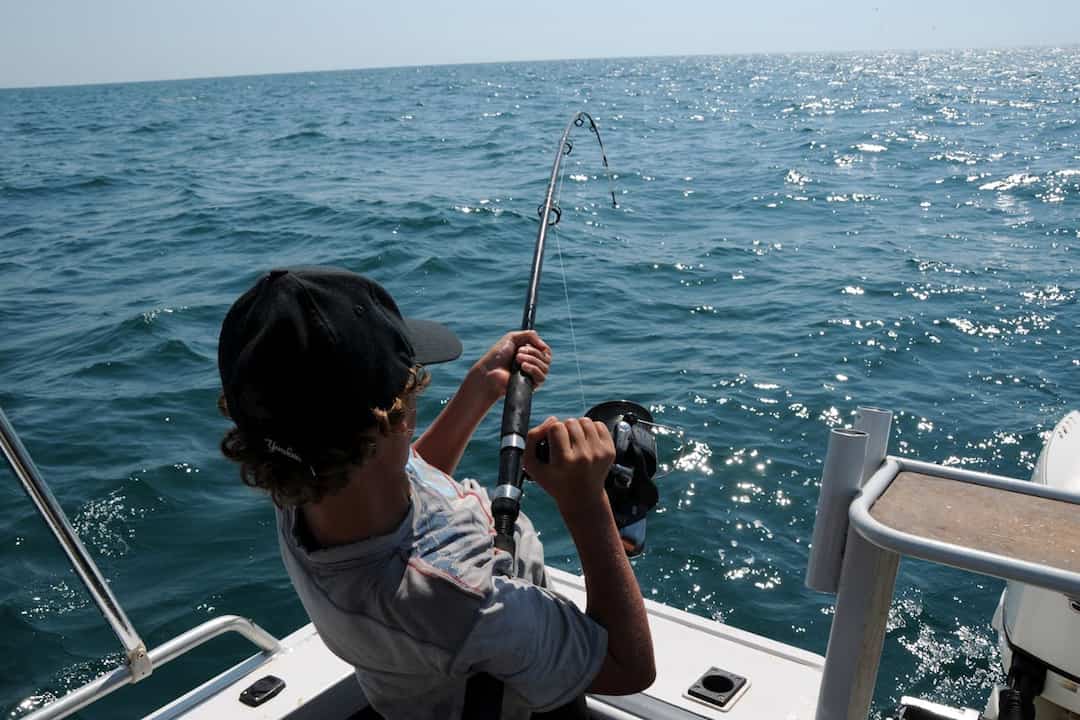
When a big fish runs, don’t fight it by reeling hard. Instead, allow the fish to pull line through your drag system. This keeps constant tension without risking a snapped line.
Set your drag just below the breaking point of your line. That way, the fish can run, but you still maintain control.
Use your hand to gently pinch the line for added feel and to keep steady tension during the fight.
Pump the rod to gain line, then reel in when the fish tires

You’ll want to gently lift the rod tip to pull the fish closer. This action gains you line and puts pressure on the fish without slackening.
When the rod tip drops, quickly reel in the slack you created. Repeat this pumping and reeling to slowly bring the fish toward you.
Avoid pumping too hard or too fast, or you may lose tension and let the fish escape. Patience helps tire the fish and makes reeling easier.
Avoid guiding the fish toward structures like rocks or logs to prevent tangles
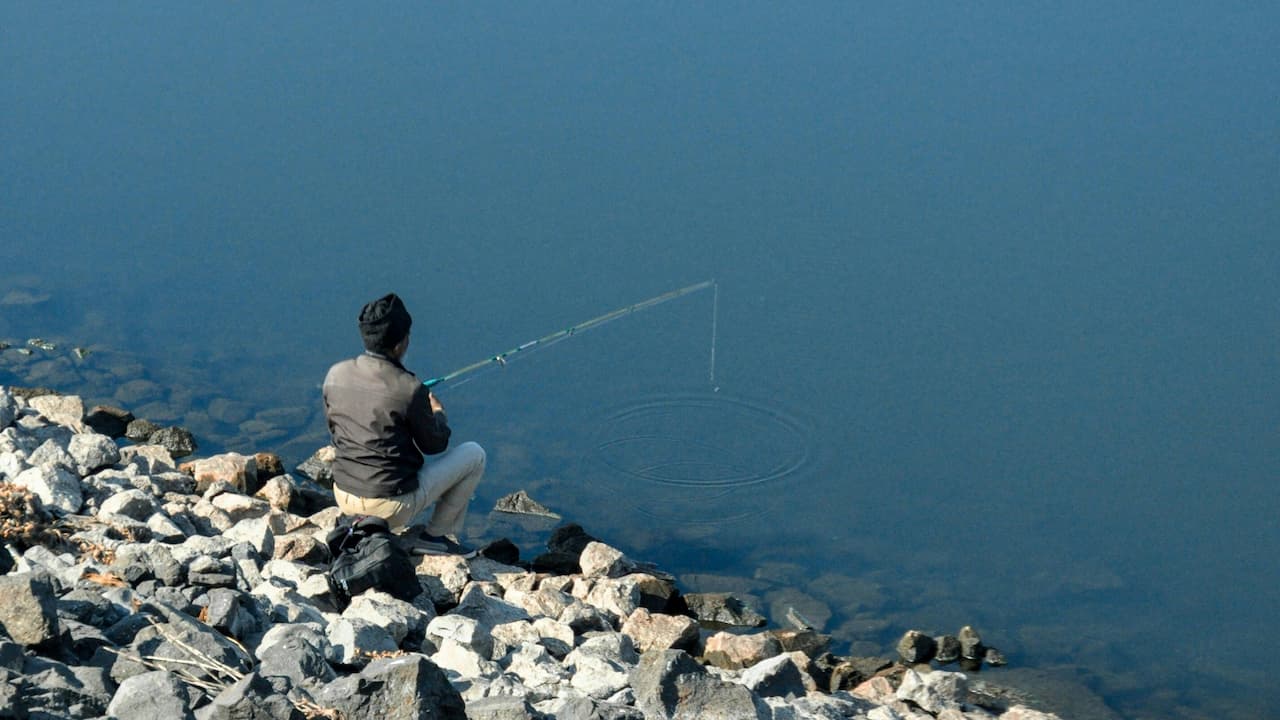
When fishing from the shore, you want to keep your catch away from rocks, logs, and other underwater structures. These areas can easily tangle your line or cause it to snap.
If the fish heads toward these spots, gently steer it in open water by applying steady pressure. Avoid letting the fish run freely near structures to reduce the risk of losing it.
Staying vigilant about your fish’s direction helps you maintain control and brings your catch in smoothly.
Use rod holders to maintain control and reduce fatigue
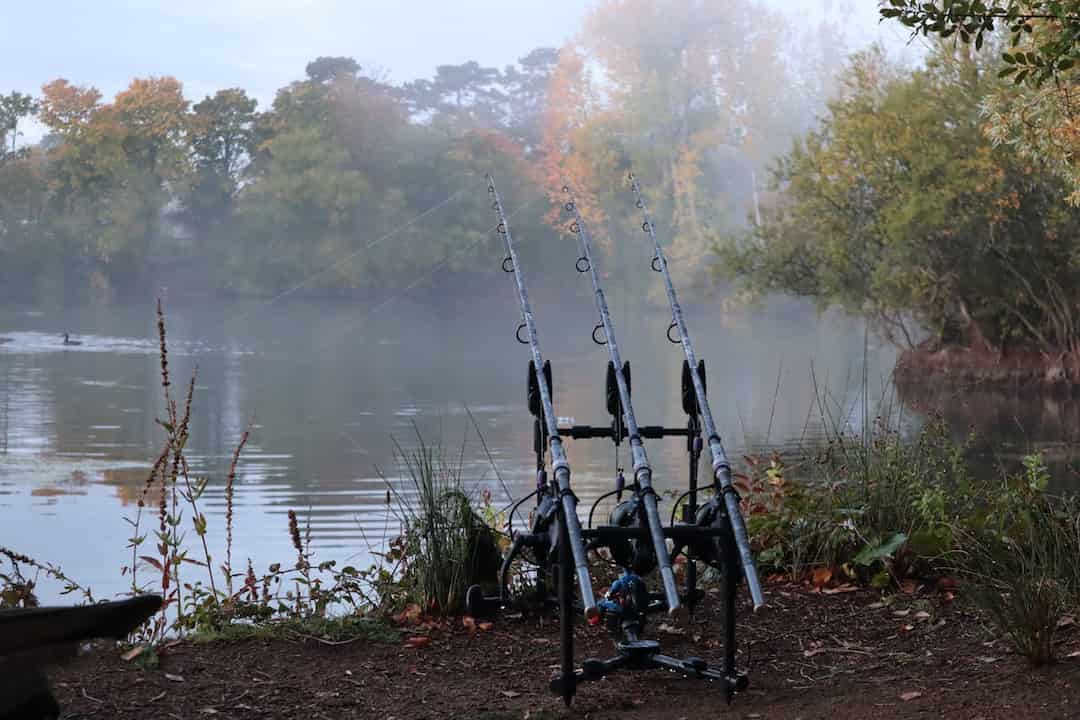
Using a rod holder lets you keep your hands free while still holding your fishing rod steady. This helps you maintain control without tiring your arms quickly.
You can adjust the rod holder to the right angle, which keeps the rod in position when a big fish pulls.
This way, you avoid holding the rod the entire time and can focus on managing the fight without burning out too fast.
Keep the fish in front of you to maintain pressure and control.
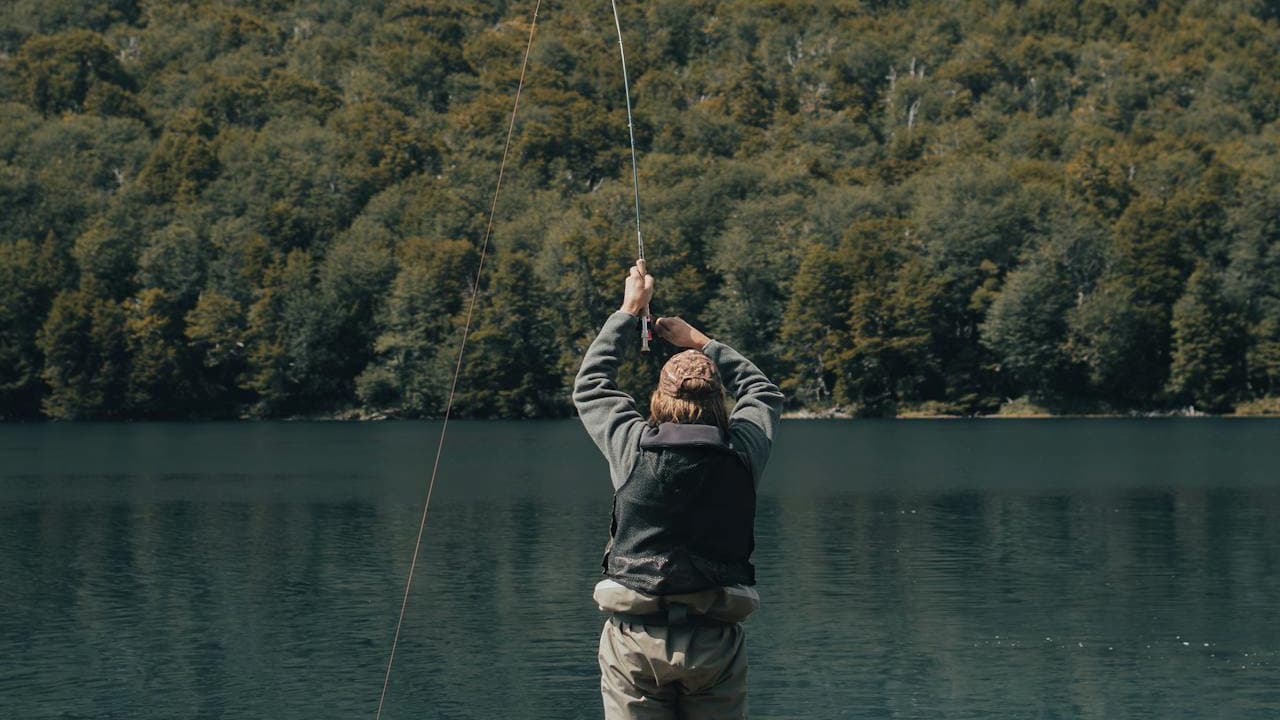
You want to keep the fish positioned in front of you while reeling it in. This helps you apply consistent pressure and reduces the chance of the line slackening.
If the fish swims too far to the side or behind, you could lose control and risk it breaking free. Keep reeling steadily and adjust your rod so the fish stays visible and manageable.
This technique lets you tire the fish out more efficiently, making the landing smoother.
Add thumb pressure on the spool finger to increase drag temporarily
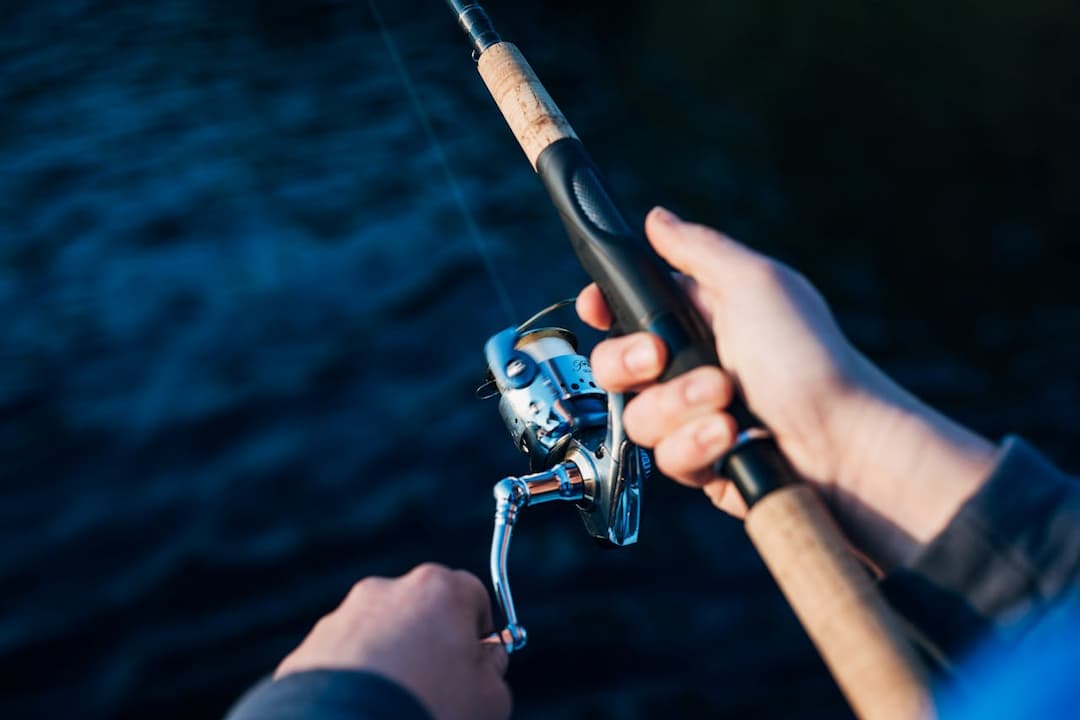
When a big fish bolts, you can use your thumb to apply pressure directly on the spool. This adds drag without adjusting the reel settings.
Pressing your thumb lightly helps control the line and slows the fish down when it makes a strong run.
This technique is useful for quick bursts of added resistance, giving you more control without having to stop reeling.
Use a strong braided line combined with a shock leader for big fish
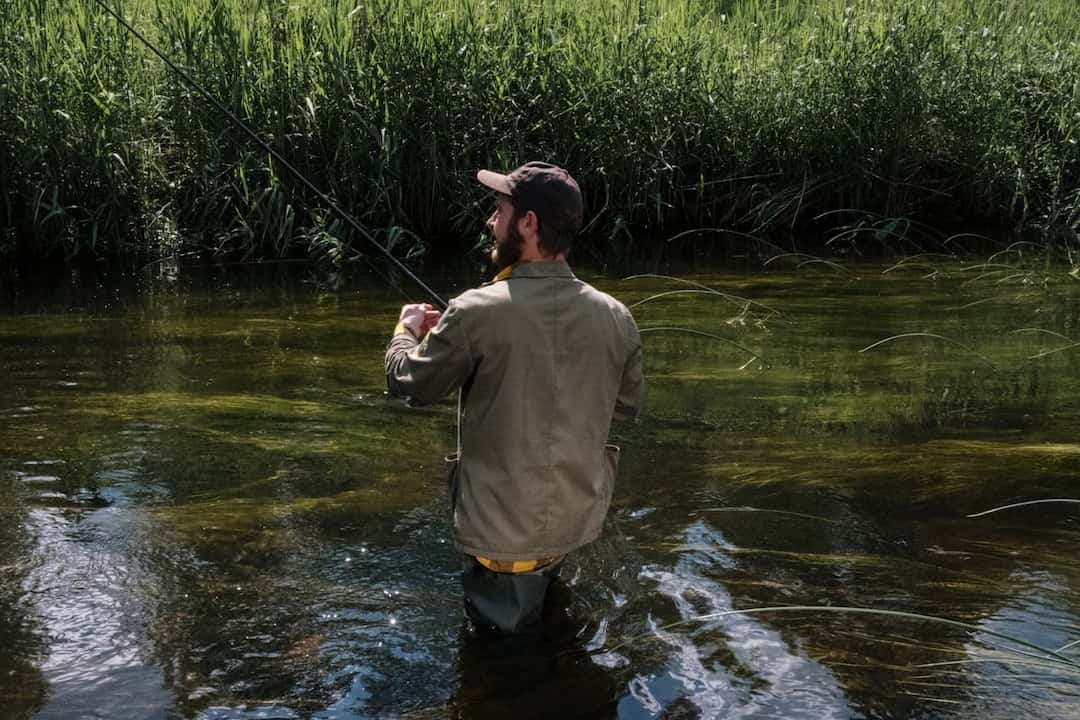
When fishing for big shore fish, using a strong braided line helps you maintain sensitivity and strength without added stretch.
You pair it with a shock leader, which is a tougher, thicker line that absorbs the impact of heavy casts and powerful runs.
This combo protects your main line from sudden stress and abrasion. It also lets you apply extra pressure during the fight without risking a break.
Choosing the right strength for both lines ensures a balanced setup, making your chances of landing big fish better.
Play big fish by timing your reeling to when they stop running
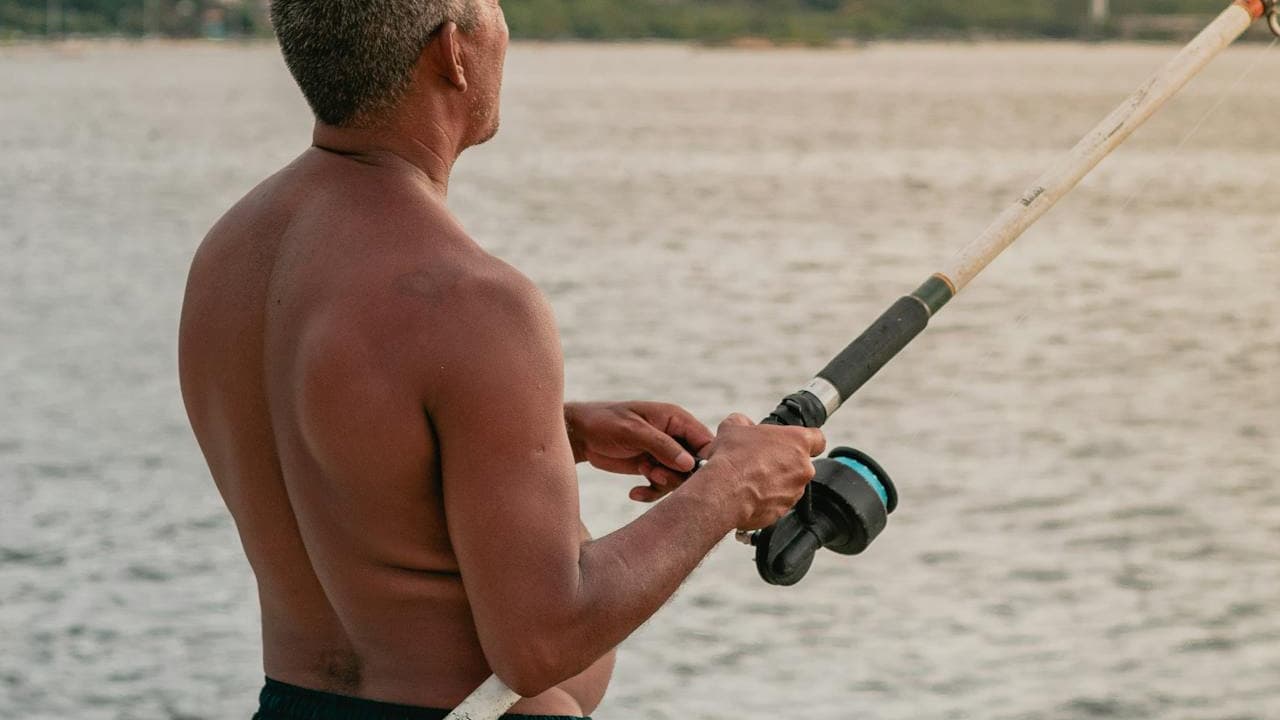
When a big fish takes off, don’t reel immediately. Let the fish run and pull the drag to tire it out.
Once the fish pauses or slows down, that’s your moment to reel in steadily. This helps you maintain tension without risking the line breaking.
Pumping the rod and reeling during these pauses brings the fish closer bit by bit. Patience and timing are key to landing big fish.
Watch the fish’s behavior to anticipate runs and adjust drag accordingly
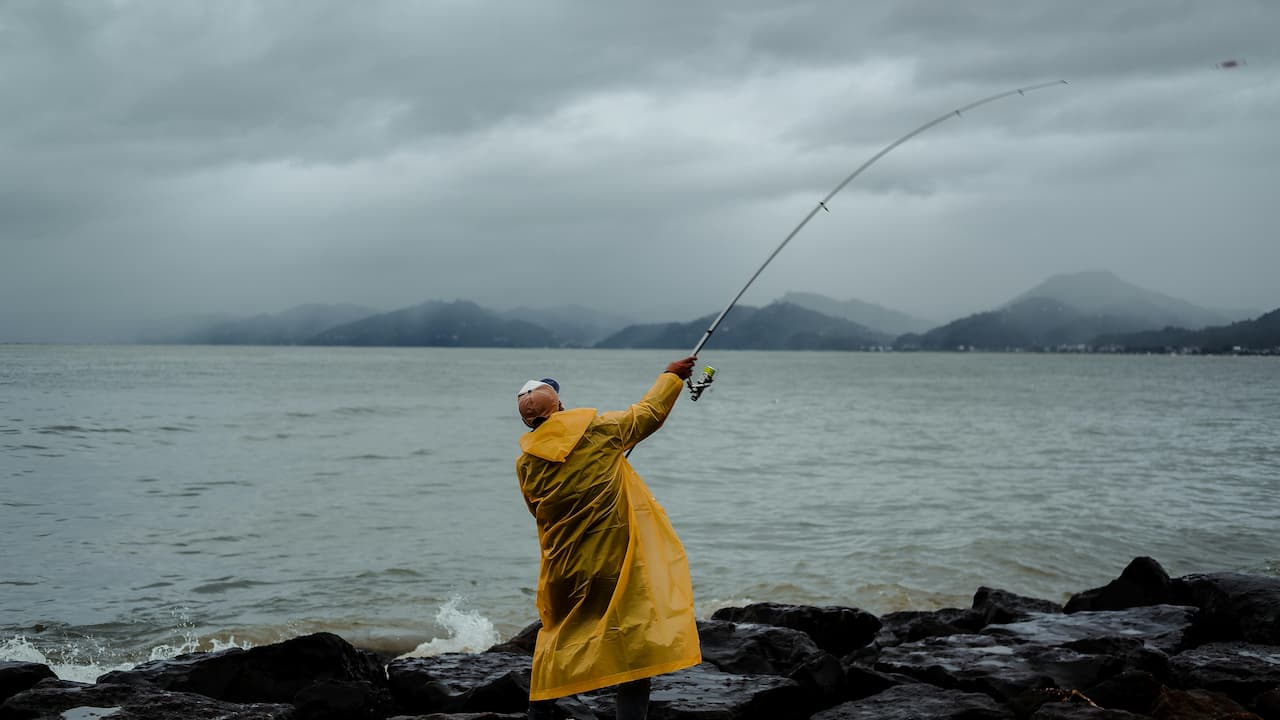
Pay close attention to how the fish moves. When it starts to make sudden runs, you’ll feel the tension change on your line.
If the fish pulls hard, loosen your drag slightly to let it run without breaking your line. When it slows down or tires, tighten your drag again to gain control.
This back-and-forth helps keep the fight smooth and prevents line snaps. Watching the fish helps you react faster and makes landing big catches easier.
Gradually increase drag setting as the fight progresses
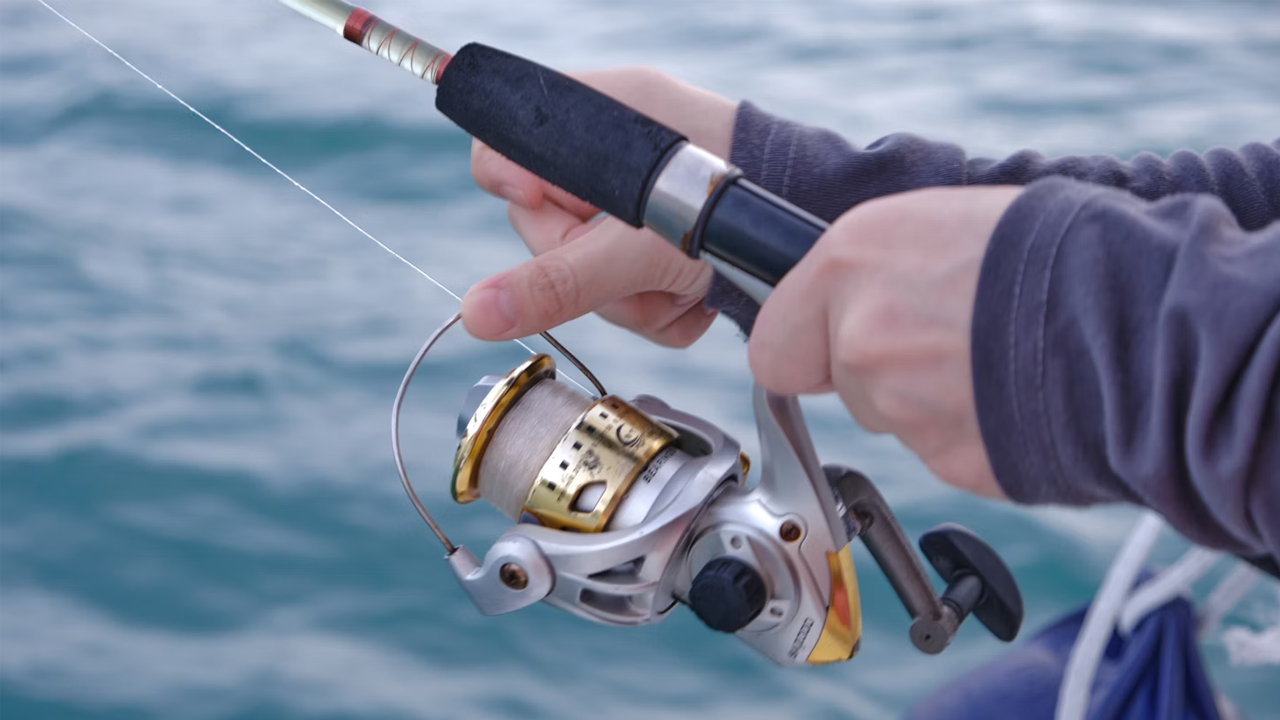
When you hook a big fish, start with a loose drag setting to avoid breaking your line. This lets the fish make initial runs without snapping your gear.
As the fight goes on, slowly tighten the drag. Increasing resistance helps tire the fish, giving you more control.
Adjusting drag bit by bit reduces the shock on your line and reel. It also prevents sudden breaks during powerful runs. Keep an eye on the fight and respond accordingly.
Leave a Reply