

Fly fishing can be both relaxing and challenging, especially when you want to improve your casting skills. Whether you’re fishing in small streams or larger rivers, mastering your cast can make a big difference in your success and enjoyment.
These 12 tips will help you improve your fly casting technique to fish more effectively and confidently. You don’t need to be an expert to see better results; a few simple adjustments can change how you approach your next fishing trip.
Keep your casting thumb in peripheral vision for better control

Keep your casting thumb visible in your peripheral vision while you cast. This simple habit helps you maintain better control of your rod and line.
When you watch your thumb, you’re more aware of the rod’s movement and can avoid common mistakes. It also helps you load the rod properly, creating smooth, tight loops.
Try to develop this habit early in your casting practice. It makes a noticeable difference in your accuracy and efficiency.
Shorten arm motion on backcast to avoid tangling the fly
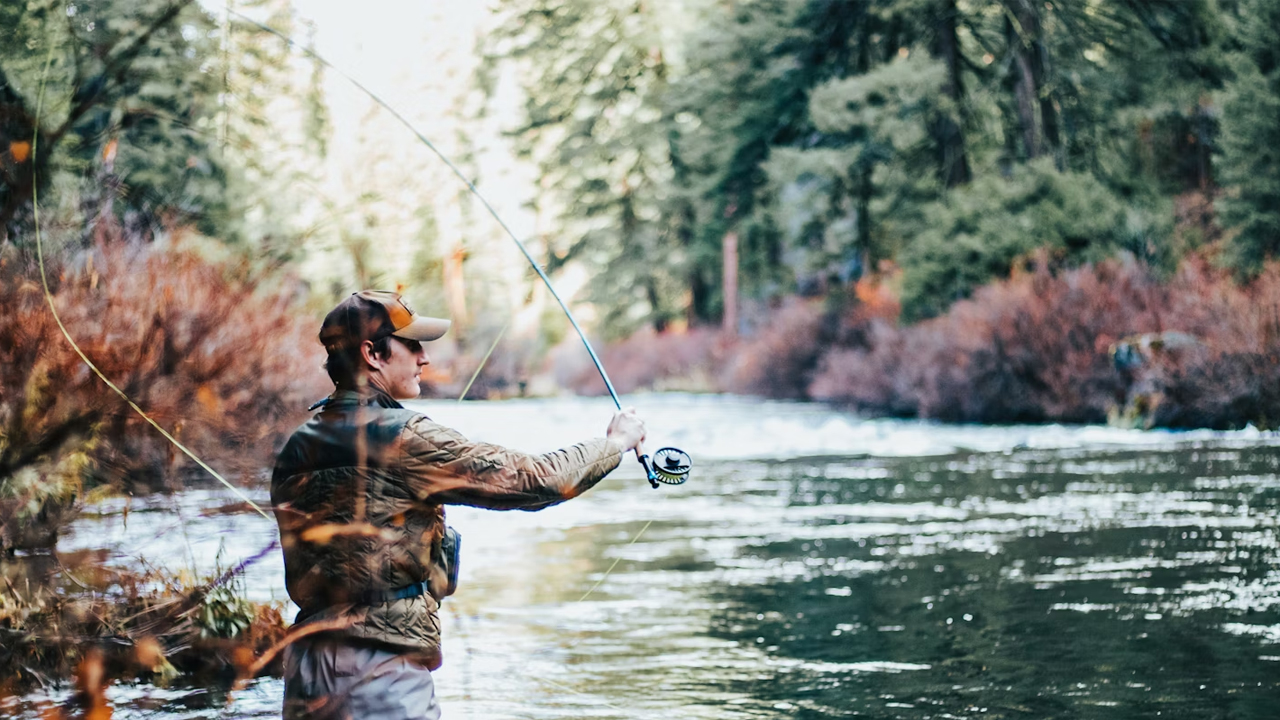
You want to keep your backcast smooth and controlled. Shortening the arm motion helps by stopping your arm near the top, which reduces the chance of your fly or leader tangling.
This controlled stop creates a clean line and keeps your fly from looping around the rod tip. Try it slow at first and feel how the line moves without swinging wildly behind you.
Use the setup cast to reposition line before final cast
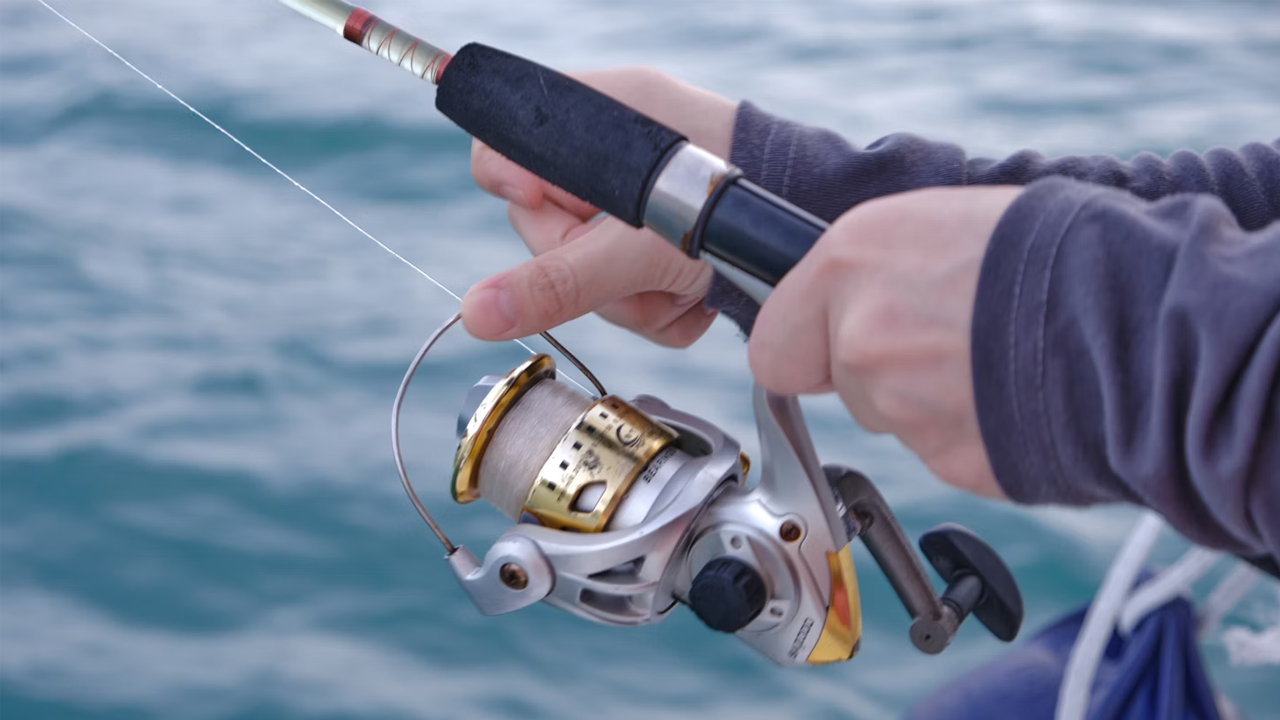
When you use the setup cast, you gain control over your line and fly placement. It helps you reposition the line, leader, and fly without spooking fish.
This cast allows you to gently redirect your line to a better target before making your final cast. By doing this, you increase your chances of a precise and natural presentation.
Practice bringing your rod tip up and guiding the line calmly. This simple step can improve your accuracy and reduce wasted casts.
Practice false casting parallel to water before forward cast

Start by false casting with your line moving parallel to the water’s surface. This helps you control the line and build momentum without tangling.
Keeping your false casts low and smooth allows you to feel the rhythm of your stroke. Once you’ve settled into a steady pace, transition into the forward cast.
This method reduces the chance of the line hitting the water prematurely, improving your accuracy and distance. Practicing this will make your final cast cleaner and more effective.
Stop the rod sharply at the top of the backcast
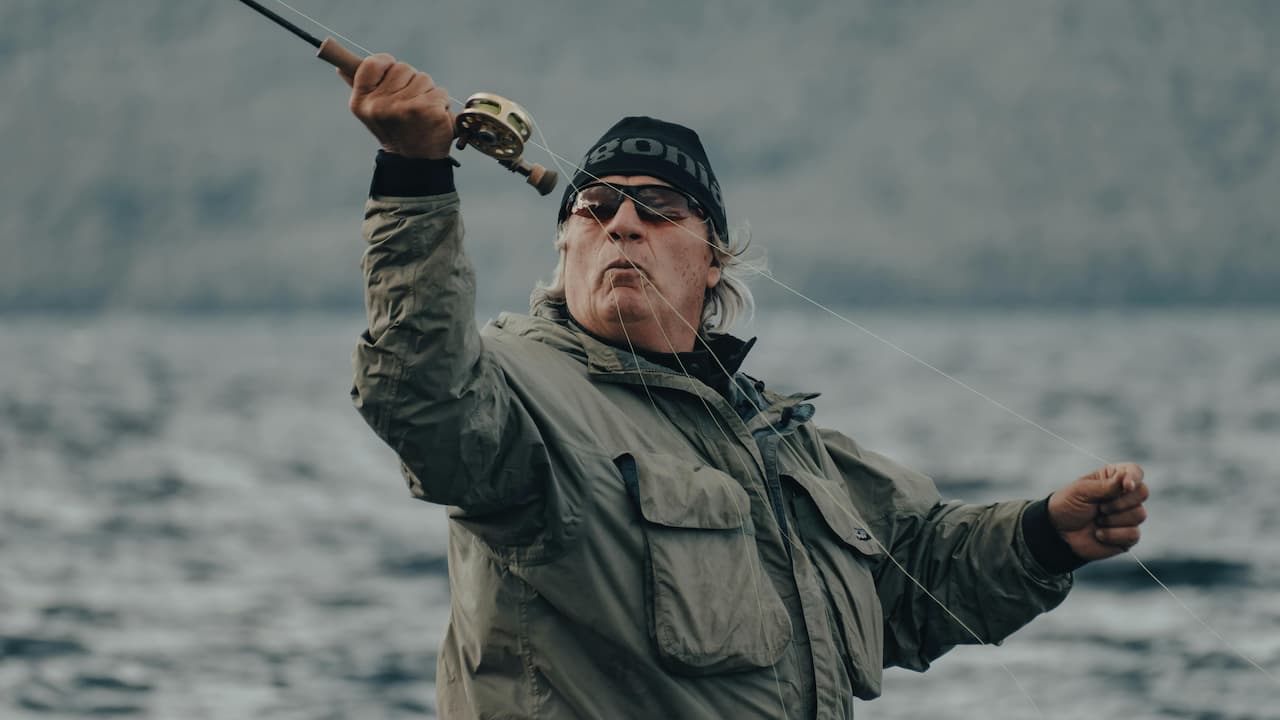
You want to halt the rod cleanly at the highest point of your backcast. This sharp stop lets the line fully straighten and load the rod for a better forward cast.
Think of it like tapping a nail with a hammer—firm but controlled. If you stop smoothly, your forward cast will have more power and accuracy.
Avoid letting the rod tip creep forward before your forward cast starts. Stopping sharply sets up a more efficient and confident cast every time.
Be ambidextrous—practice casting with both hands

Try casting with your off-hand to improve your overall fly fishing skills. It might feel awkward at first, but practice helps you become more versatile on the water.
Being able to cast with both hands lets you fish with two rods if needed. It also helps when your dominant side gets tired or you face tricky casting angles.
Focus on mimicking your regular casting motion with your other hand. Opening your elbow and turning your body slightly can make this easier.
Load the rod with an aggressive flick for short casts
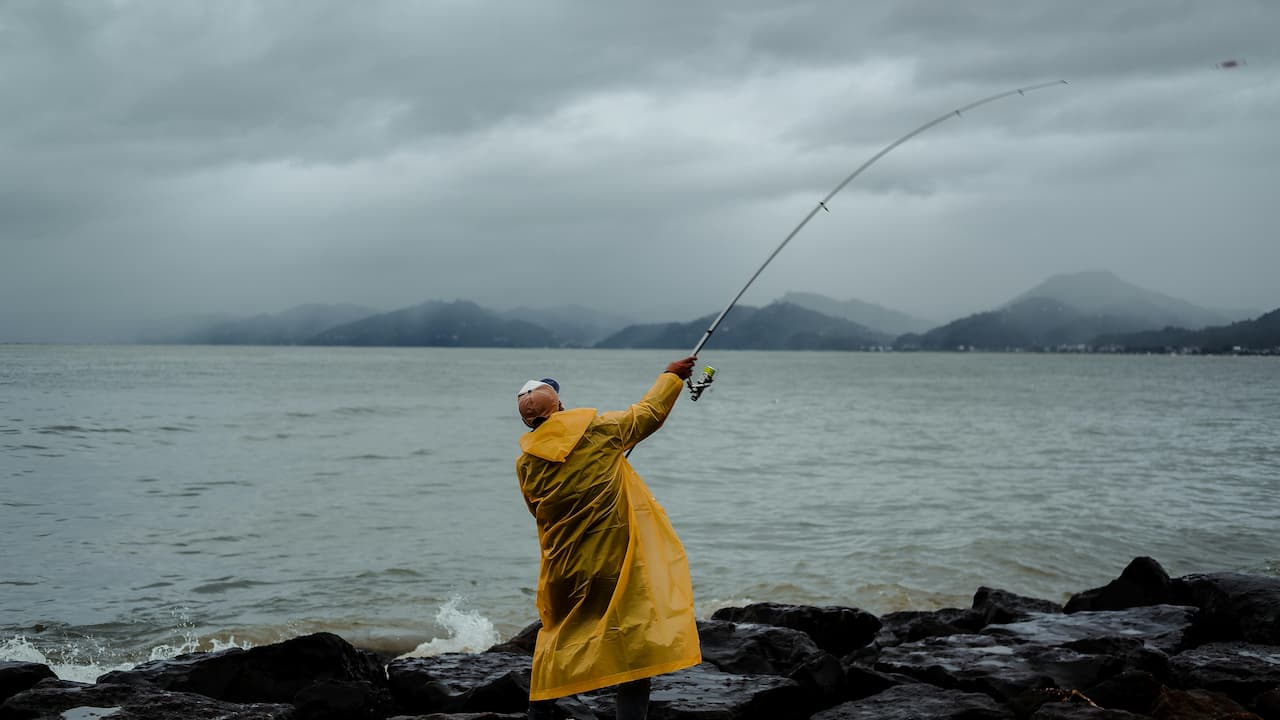
When making short casts, you need to load the rod with a sharper flick than usual. This quick, slightly aggressive motion helps the rod bend enough to store energy.
By giving your rod a little pop or flick, you create the tension needed to shoot the line forward accurately. It might feel different at first, but practicing this will improve your control on short distances.
Change rod tip angle to manipulate cast path
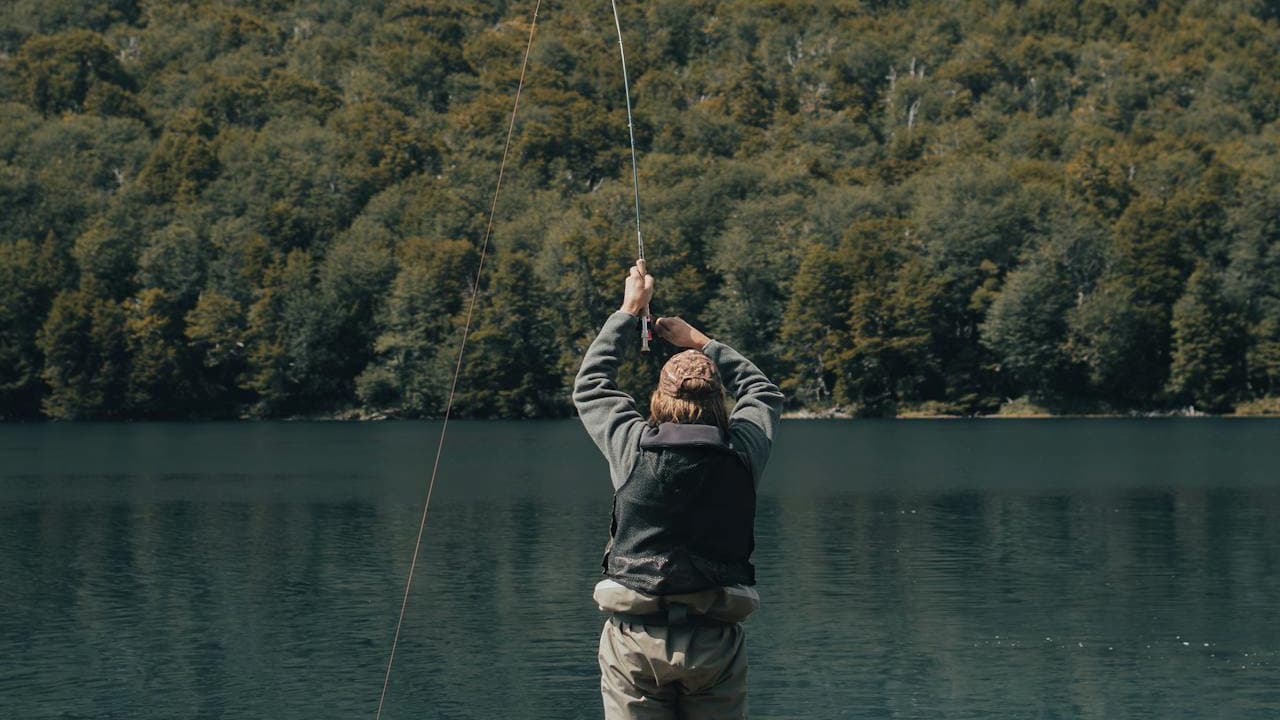
You can control the path of your cast by adjusting the angle of your rod tip. Lowering the tip steers the line closer to the water, while raising it sends the line higher or longer.
Try experimenting with different angles during your cast. Small changes can improve accuracy and help you navigate tight fishing spots more easily.
This simple adjustment gives you more control without overthinking your whole casting technique. It’s an easy way to make your cast more effective.
Don’t feel forced to make backcast 180 degrees from forward cast
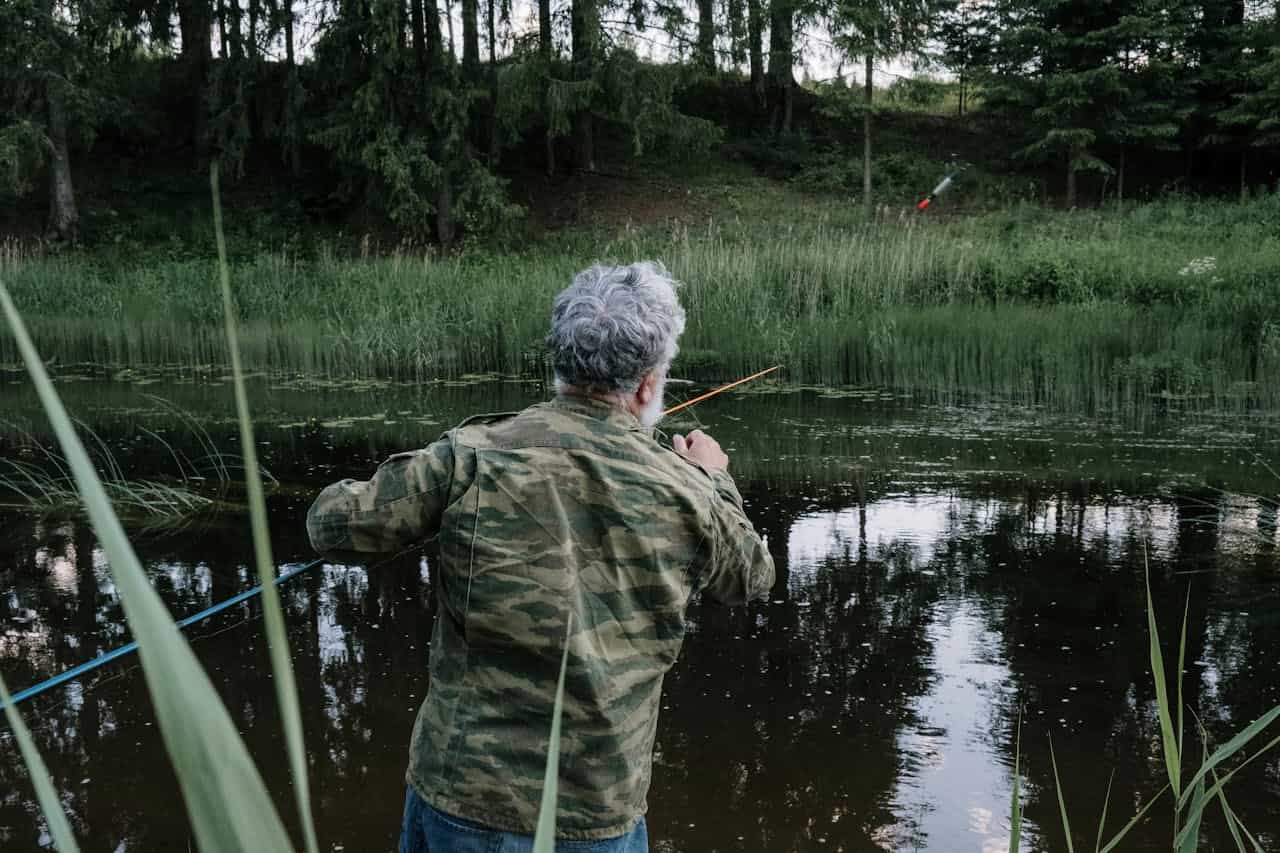
You don’t have to make your backcast a full 180 degrees from the forward cast. Shortening your backcast can actually help when space is limited or when you need more control.
Try stopping your backcast near the top to keep the line and fly from dragging on objects behind you. This also helps you feel the rod load better, making your cast smoother and more accurate.
Focus on smooth acceleration rather than speed
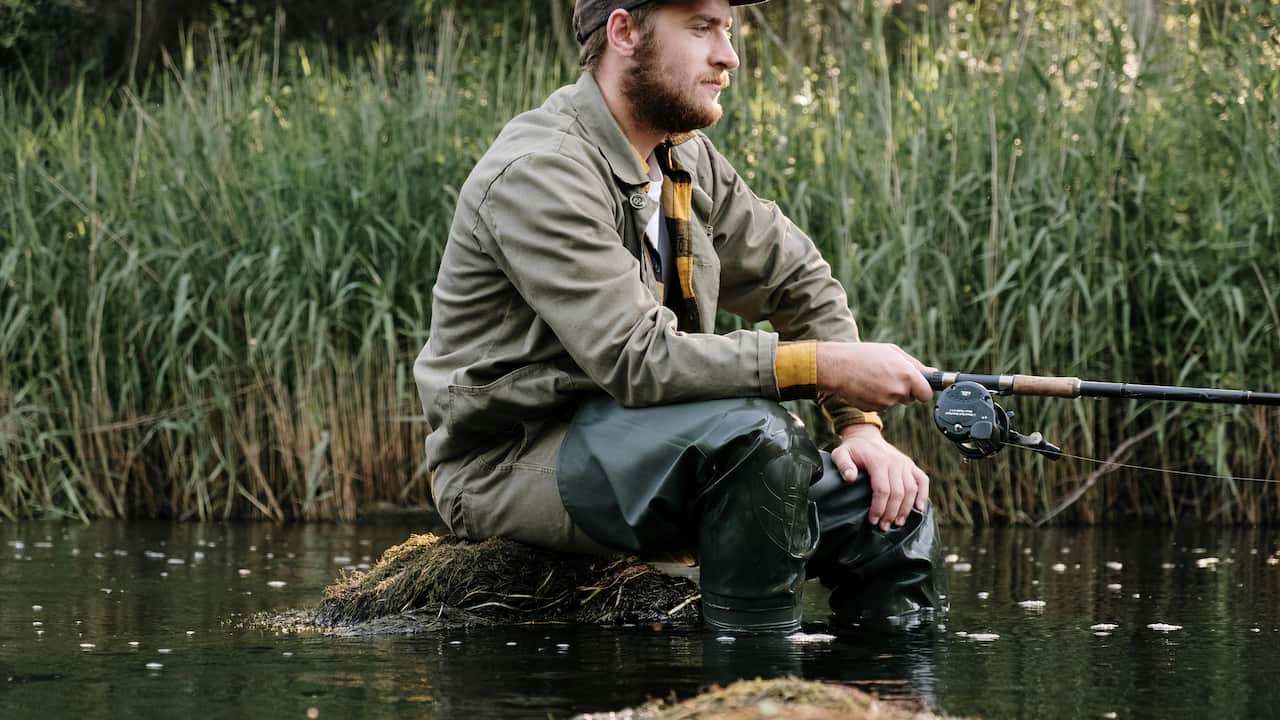
When you cast, try to accelerate the rod tip smoothly instead of rushing it. A steady, consistent acceleration helps you control the line better and load the rod more efficiently.
Rushing the cast can cause unwanted slack and reduce accuracy. Focus on a gradual increase in speed that finishes with a firm, controlled stop.
This approach helps your cast stay straight and fly farther with less effort. Smooth acceleration also makes it easier to adjust your cast for different distances.
Use the forward cast to direct line out in front of you
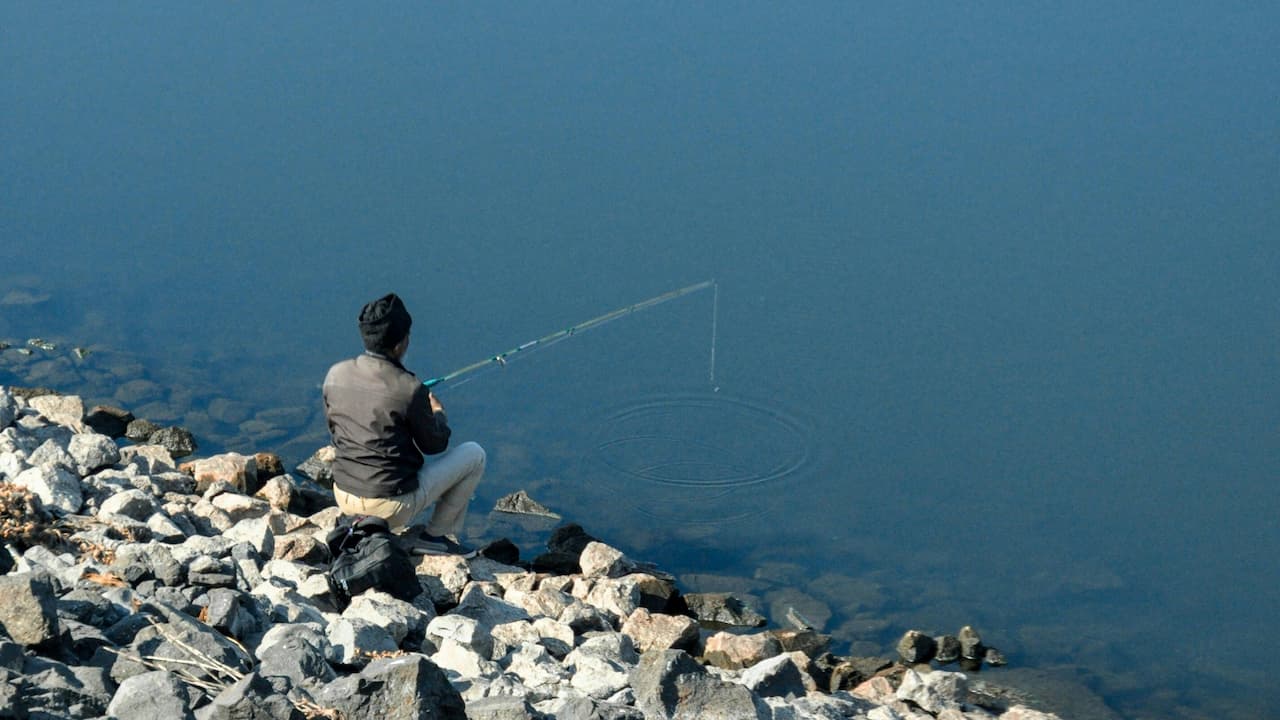
When you make the forward cast, aim to send the line straight out in front of you. This helps position the fly where you want it, making your presentation more natural.
Avoid pointing the rod tip too far down, especially on longer casts, as it can cause the line to fall short. Instead, focus on a smooth, controlled motion that guides the line forward.
Practice keeping your rod tip level or slightly above the target to improve accuracy and distance on your casts.
Keep your wrist relaxed to improve line flow
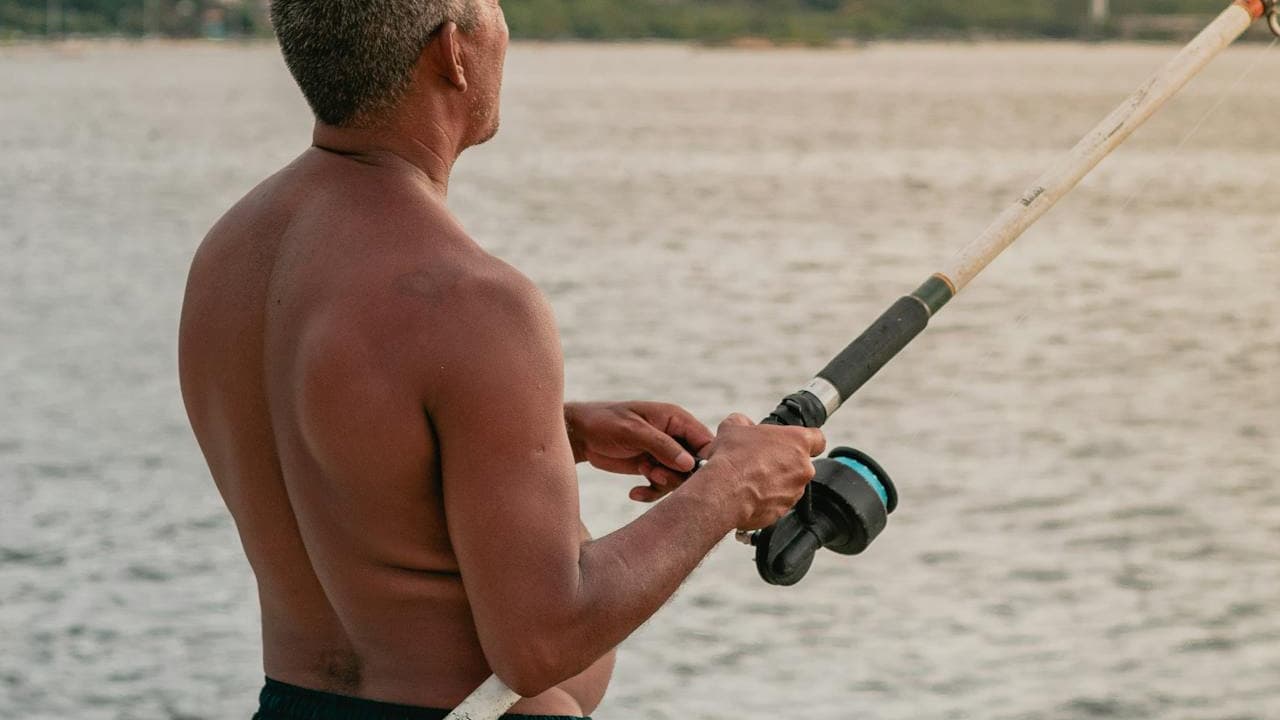
When you fish, keeping your wrist relaxed helps your fly line move smoothly. A stiff wrist can cause the line to jerk or lose control, making casting less accurate.
Avoid breaking your wrist too much. Instead, focus on gentle, fluid motions that let the rod do most of the work.
Relaxing your wrist also reduces tension in your arm, helping you cast longer without fatigue. Practice this to find a natural rhythm that improves your overall casting.
Leave a Reply