

Fishing in freshwater offers a wide variety of species, each with unique habits and challenges. Knowing which fish to target can improve your chances of success and make your time on the water more rewarding.
Learning to catch the right freshwater fish helps you enjoy diverse fishing experiences and develop skills that work in different environments. Whether you’re fishing for sport or food, understanding key species can make your outings more enjoyable and productive.
Largemouth Bass
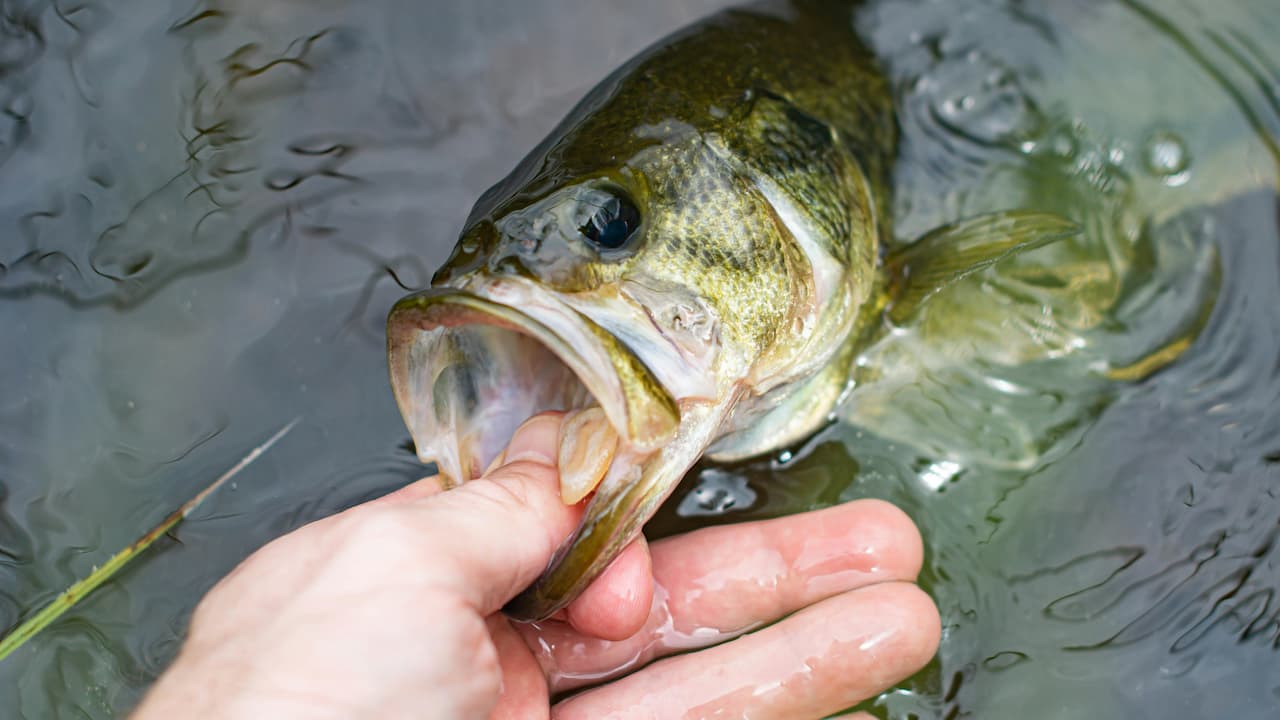
Largemouth bass are a popular freshwater fish that many anglers enjoy catching. You’ll find them near vegetation and shallow waters where they like to hide.
Using simple lures like spinnerbaits can be effective when fishing for largemouth bass. Just cast out and reel in steadily to attract their attention.
These bass are strong fighters, making your catch exciting. Learning their habits will help you improve your fishing skills and enjoy your time on the water.
Smallmouth Bass
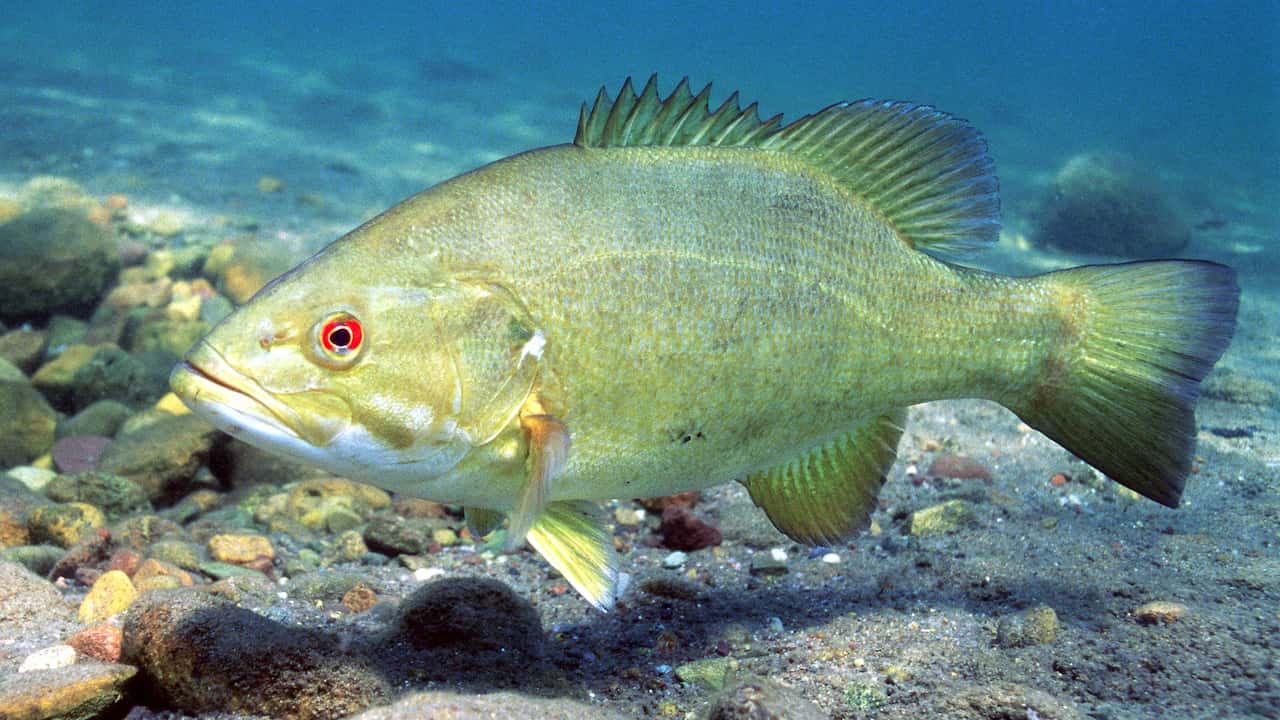
When you fish for smallmouth bass, expect a strong fight despite their smaller size. They are known for their aggressive behavior and make your fishing experience exciting.
Using a tube bait is a reliable choice for catching smallmouth bass. You can also try spinners, crankbaits, or soft plastics like senkos to increase your chances.
Smallmouth often like rocky areas and clear water, so focus your efforts there for the best results.
Rainbow Trout
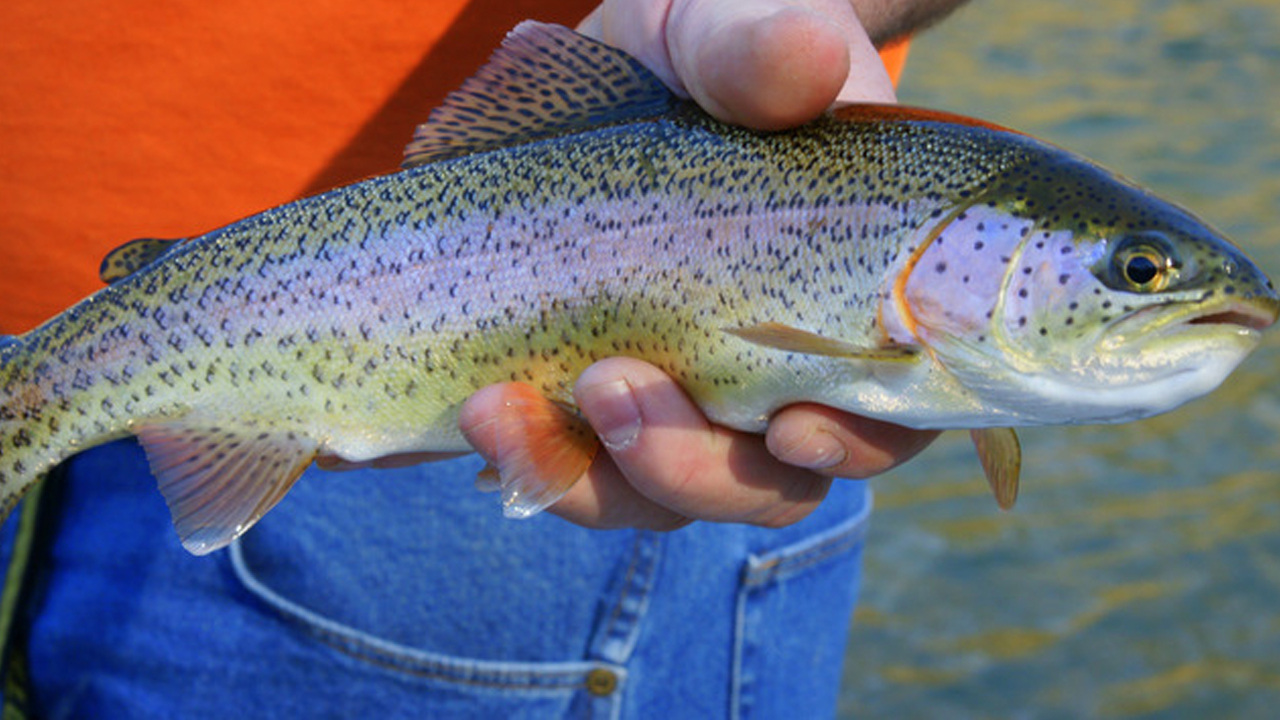
Rainbow trout are a popular freshwater catch because of their fight and vibrant colors. You’ll find them in rivers, lakes, and stocked ponds, making them accessible for many anglers.
They can be a bit picky, so timing and bait choice matter. Using natural baits like worms or small insects usually works best, especially during early morning or late evening.
Catching a 14-inch rainbow trout is a great goal for beginners. It takes patience, but it’s rewarding when you get that bite.
Lake Trout
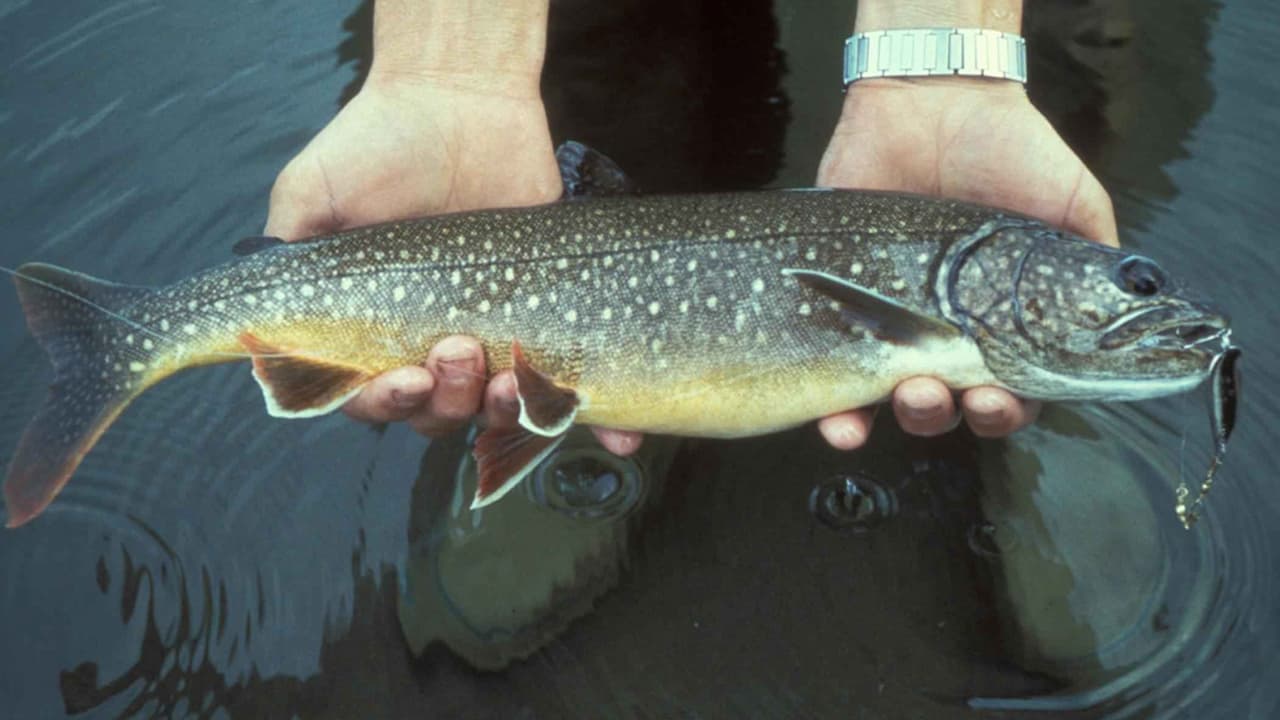
Lake trout are a popular target in freshwater fishing. You’ll find them in deep, cold lakes where they prefer cooler water.
To catch lake trout, try using spoons, spinners, or Powerbait, especially if you’re fishing for recently stocked fish.
Pay attention to their habitat; they often stay in deeper waters but can move to shallow areas depending on the season. Your patience and gear choice will make a difference.
Brook Trout
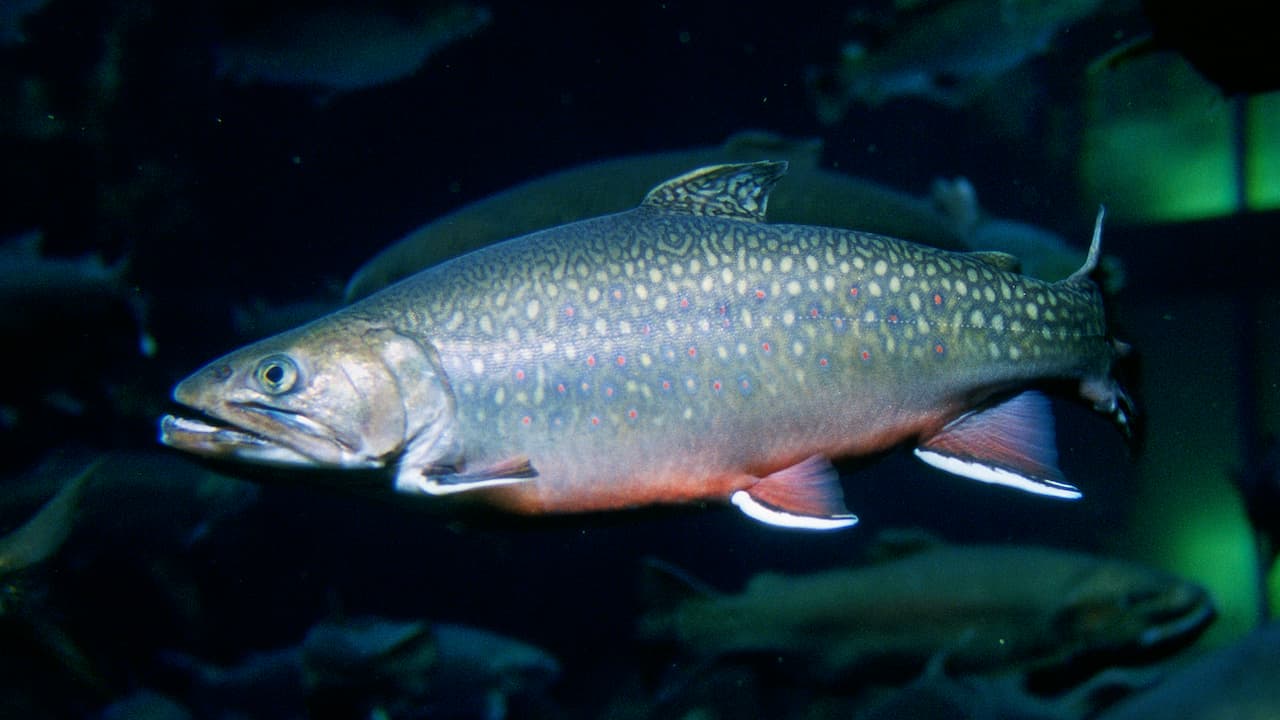
When you go after brook trout, you’re targeting a vibrant and resilient species. These fish are often found in cool, clear streams and lakes.
Brook trout can grow to impressive sizes, sometimes over 18 inches, making them a rewarding catch.
You’ll find success using small lures, flies, or bait since brook trout are opportunistic feeders. Light tackle and a small net will make your fishing experience easier.
Walleye
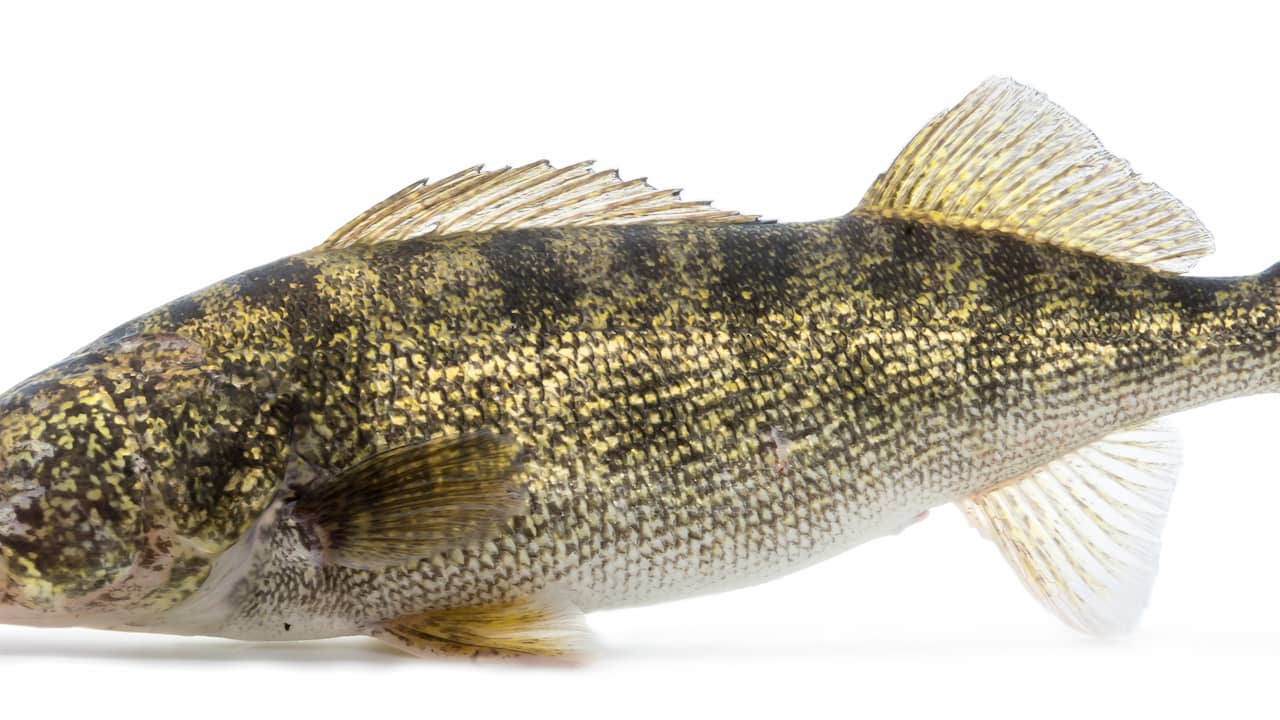
Walleye are popular freshwater fish known for their tasty meat and challenging fight. You’ll often find them in deeper, cooler waters near structures like rocks or weed beds.
To catch walleye, try fishing during low light periods like dawn or dusk when they’re most active. Using live bait or jigs near the bottom can improve your chances.
Walleye can be tricky because they sometimes stop biting for short periods. Patience and changing your location or technique will help you catch more.
Northern Pike
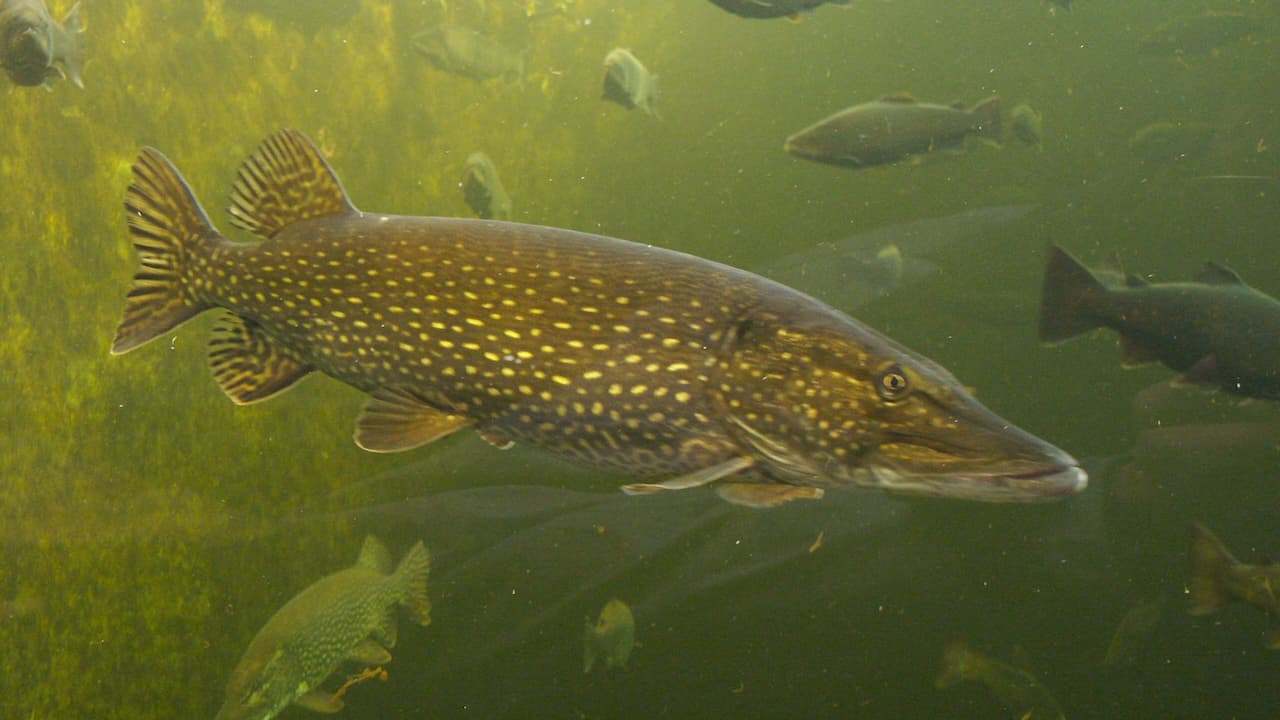
When you fish for northern pike, you’ll want sturdy gear since they are strong fighters. These fish often hang around weeds and shallow waters.
Using large lures like spoons or spinnerbaits works well, especially in spring. Pike are opportunistic feeders, so bait that mimics fish or frogs can attract them.
Try fishing during low light hours, such as early morning or evening, for better chances. Handling them carefully is important because of their sharp teeth.
Muskellunge (Muskie)
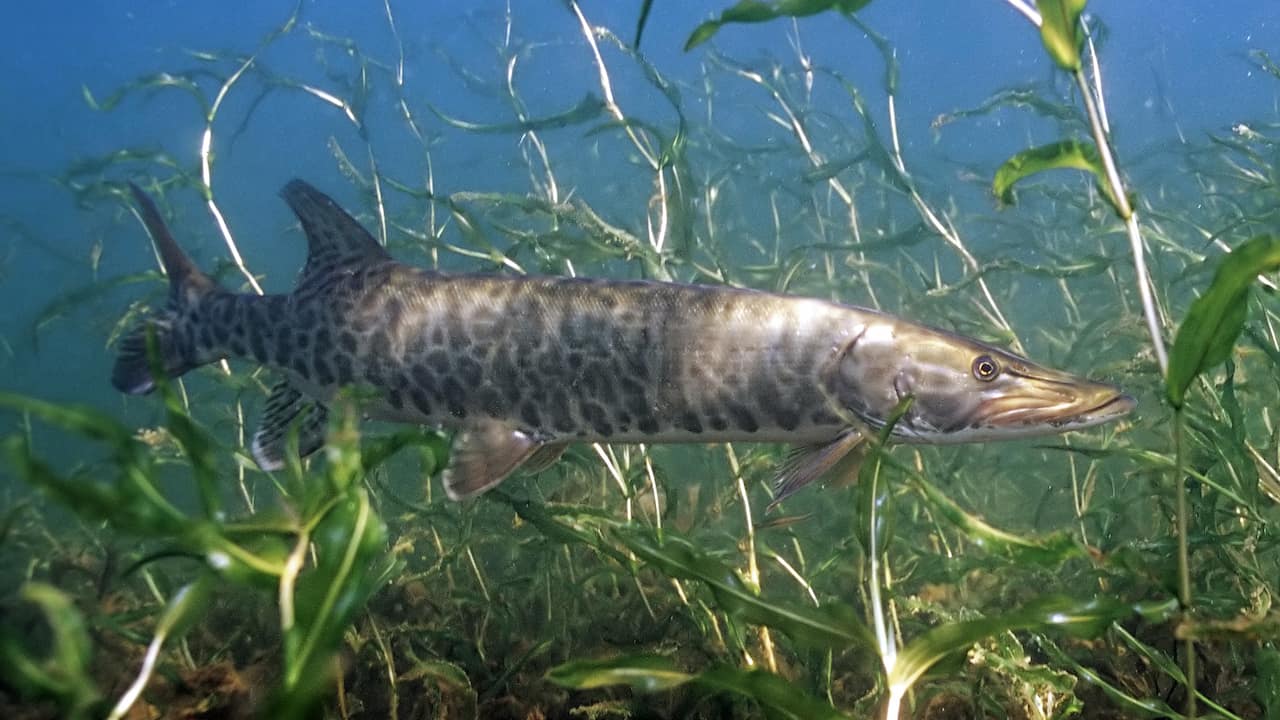
If you’re up for a challenge, muskie fishing is rewarding. Muskies are large freshwater predators known for their size and strength.
You’ll want to use slow-moving lures like glide baits, especially in cooler water. Jerkbaits and figure 8 retrieves can also increase your chances.
Muskies can eat prey up to two-thirds their body length, so expect a strong fight when one bites. Patience and proper technique are key.
Bluegill
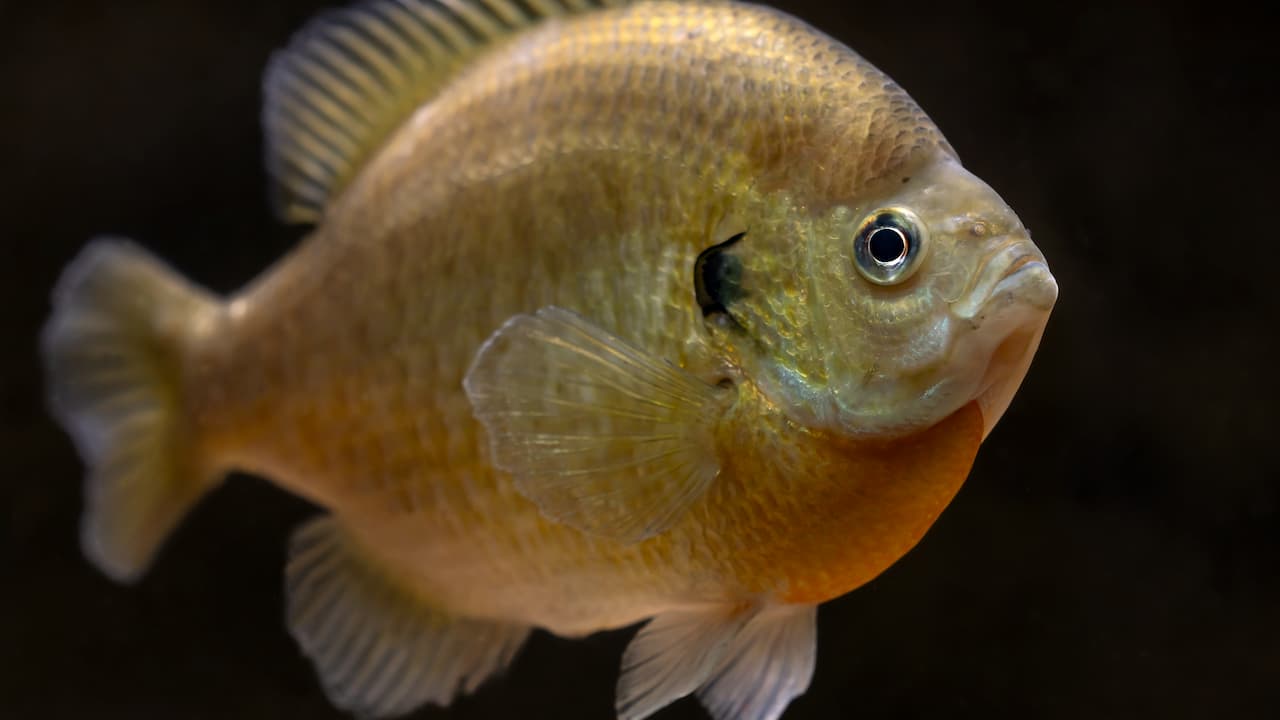
Bluegill are a popular freshwater fish you’ll find in lakes, ponds, and slow-moving rivers. They often travel in schools, making them easier to locate.
When fishing for bluegill, small baits like crickets or worms work best. Using ultralight tackle can make the experience more enjoyable and increase your chances of success.
Focus on catching larger bull bluegills, which are often over 9 inches and have distinct humps on their heads. They put up a better fight and are more rewarding to catch.
Pumpkinseed Sunfish
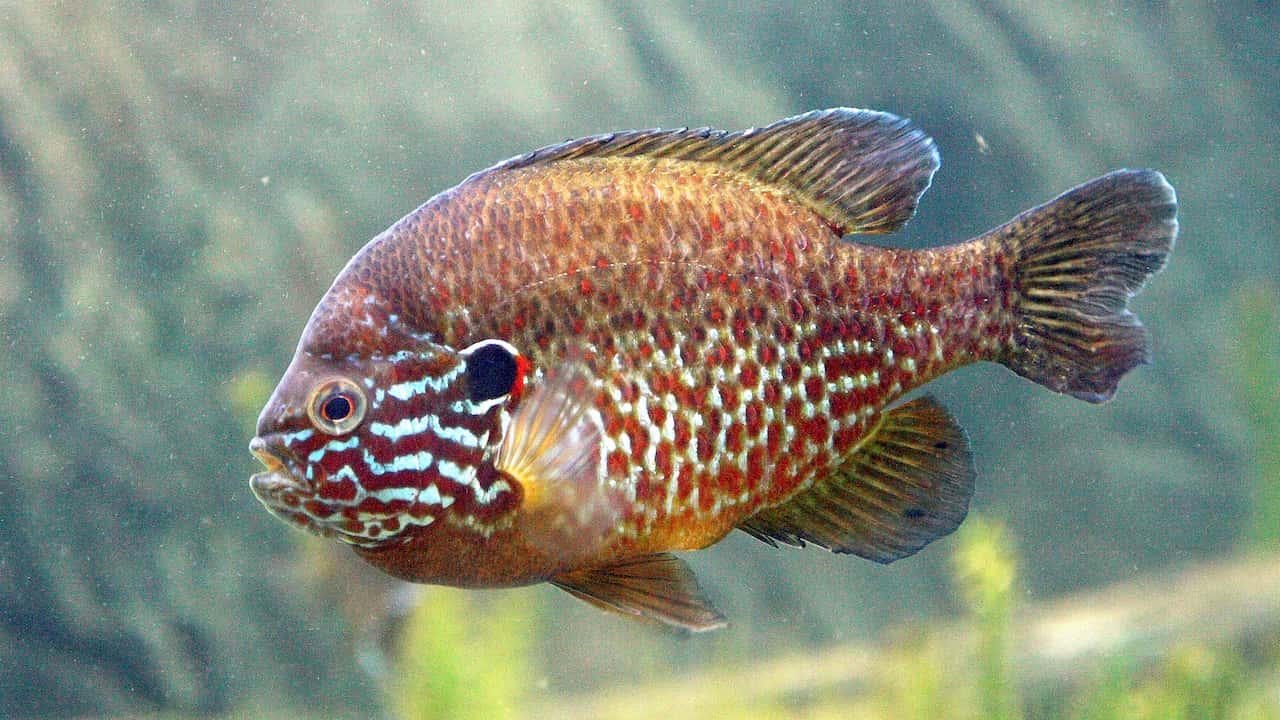
You’ll recognize pumpkinseed sunfish by their bright, pumpkin-like colors and distinctive spots. They are smaller but offer a lively fight when hooked.
To catch them, use light fishing gear with small live bait like worms or tiny jigs. They feed actively throughout the day, so you have a good chance anytime.
Try fishing near shallow, weedy areas or places with plenty of cover. Watching for their spawning times can also improve your catch rate.
Crappie
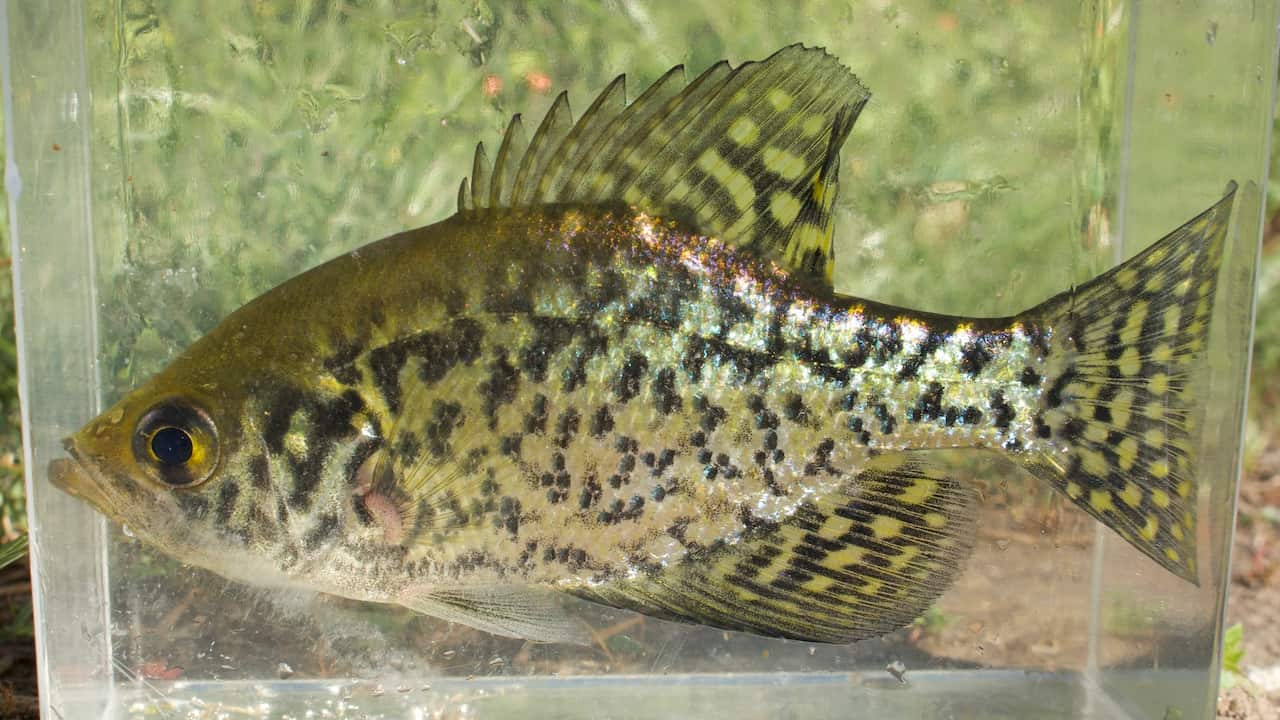
Crappie are popular freshwater fish that you’ll enjoy catching. They often stay near structures like submerged trees or brush piles.
Using live minnows or small jigs will increase your chances of a bite.
You’ll find crappie moving into shallow waters in early spring as they prepare to spawn. Keep your presentation quiet to avoid spooking them.
They can grow quite large, with some catches reaching 14 inches or more.
Catfish
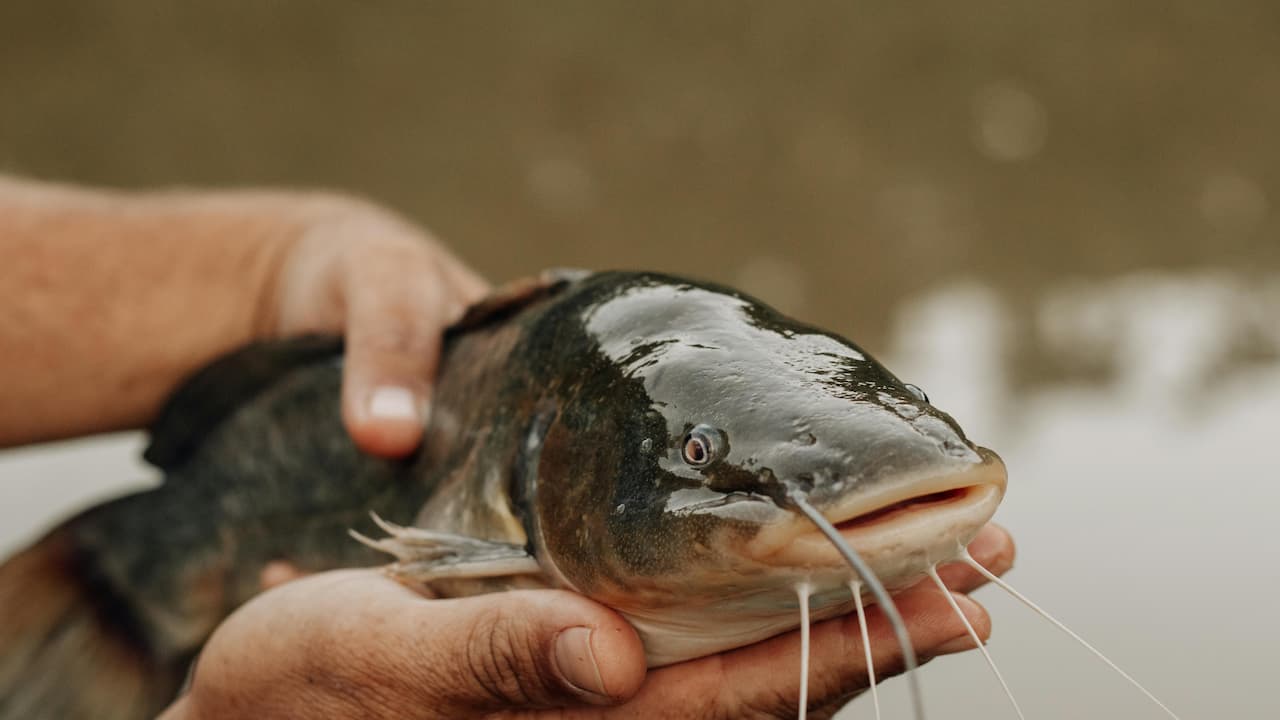
Catfish are bottom dwellers that respond well to strong-smelling baits like cut bait or liver. You’ll have better luck fishing near structures where they hide, such as submerged logs or deep holes.
Try fishing at night or during stable weather for improved chances. Using multiple lines with different baits can help you discover what the catfish prefer that day. Pay attention to water temperature and currents to locate their feeding spots.
Yellow Perch
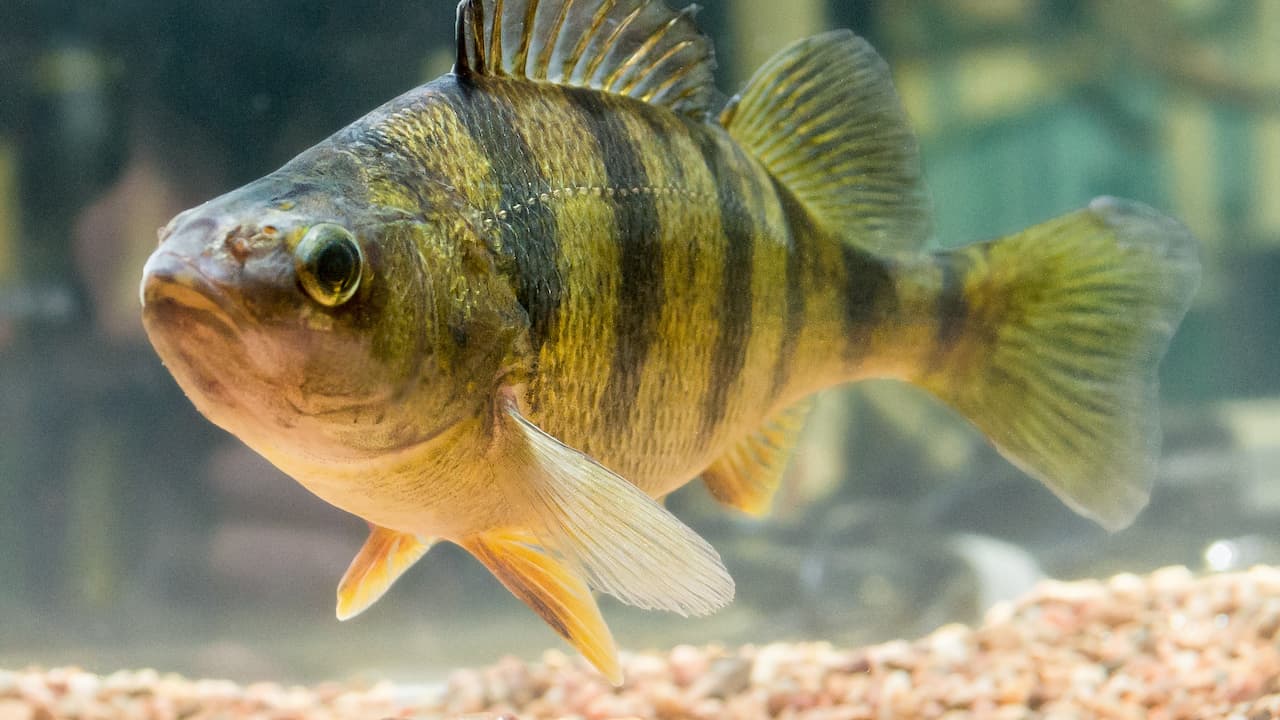
If you’re new to freshwater fishing, yellow perch is a great fish to learn. They’re common across the US and Canada and easy to catch. You’ll find them in lakes and slow-moving rivers.
Yellow perch are known for their tasty flesh, making them popular for meals. Using simple rigs with a small lure or bait works best. You can try a dropper weight or a 3-way swivel to improve your chances. They often bite during chilly spring or fall days.
Carp
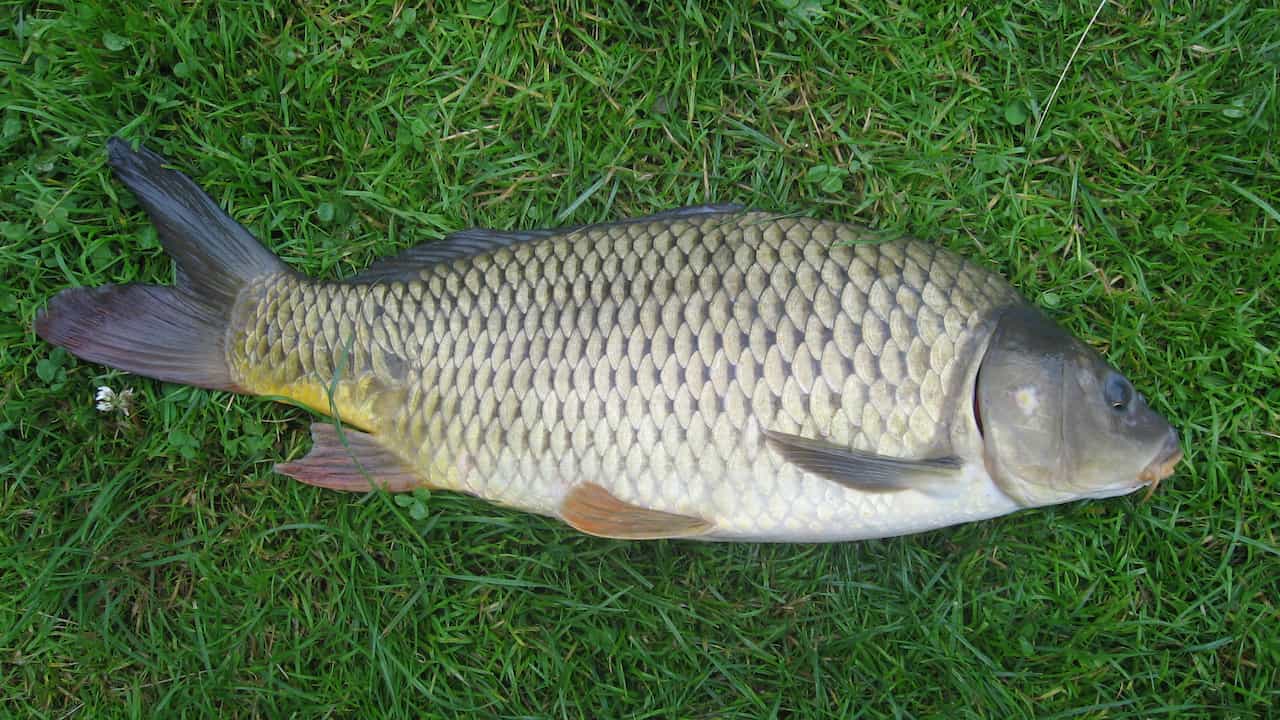
Carp are a popular freshwater fish that provide a fun challenge. You’ll find them in lakes, rivers, and ponds.
To catch carp, try using bread or corn as bait. Corn works well because it stays on the hook better. You can also use dough or mixed bait to attract them.
Carp can grow quite large, so be ready for a strong fight when you hook one. They’re also edible if you want to cook your catch.
Leave a Reply