

Starting out in hunting can be exciting, but it’s easy to make mistakes that can cost you time, effort, and success. Many beginners face challenges that slow down their progress or reduce their chances of a good hunt.
Knowing the common pitfalls helps you avoid costly errors and improves your experience in the field. By understanding what to watch out for, you can build better habits and enjoy hunting more confidently.
Not practicing shooting enough before the season
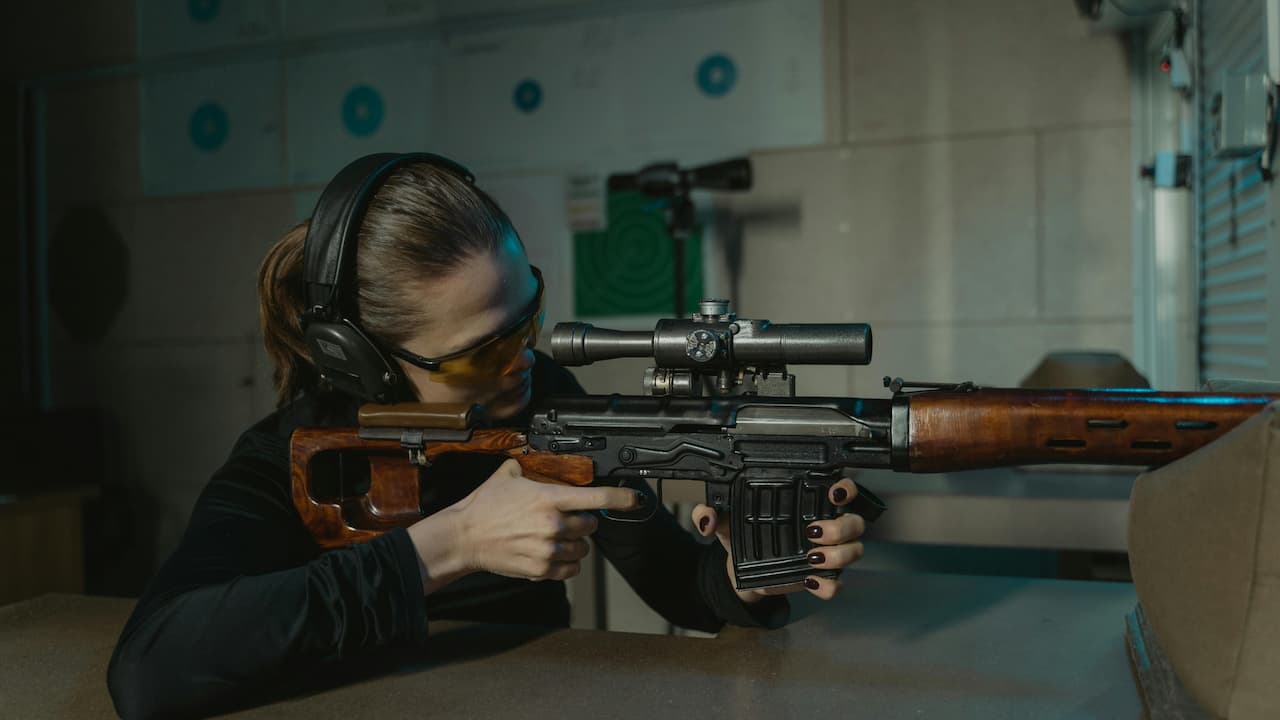
You might think occasional shooting is enough, but consistent practice helps you become accurate and confident. Without it, you risk missing crucial shots when it counts.
Spend time regularly at the range or practice field. This will train your muscle memory and improve your focus under pressure.
Remember, practicing with the exact equipment you’ll use during the season is important. It helps you understand your gear’s feel and limitations.
Being noisy and not moving quietly in the woods

When you move loudly, animals hear you long before you see them. Twigs snap, leaves crunch, and your footsteps carry, scaring game away.
To avoid this, focus on placing your feet gently and watch where you step. Move slowly and try to keep your balance low.
Pause often to listen and let the forest settle. Moving quietly means you blend in, making your presence less noticeable to animals nearby.
Checking trail cameras too often and stressing animals
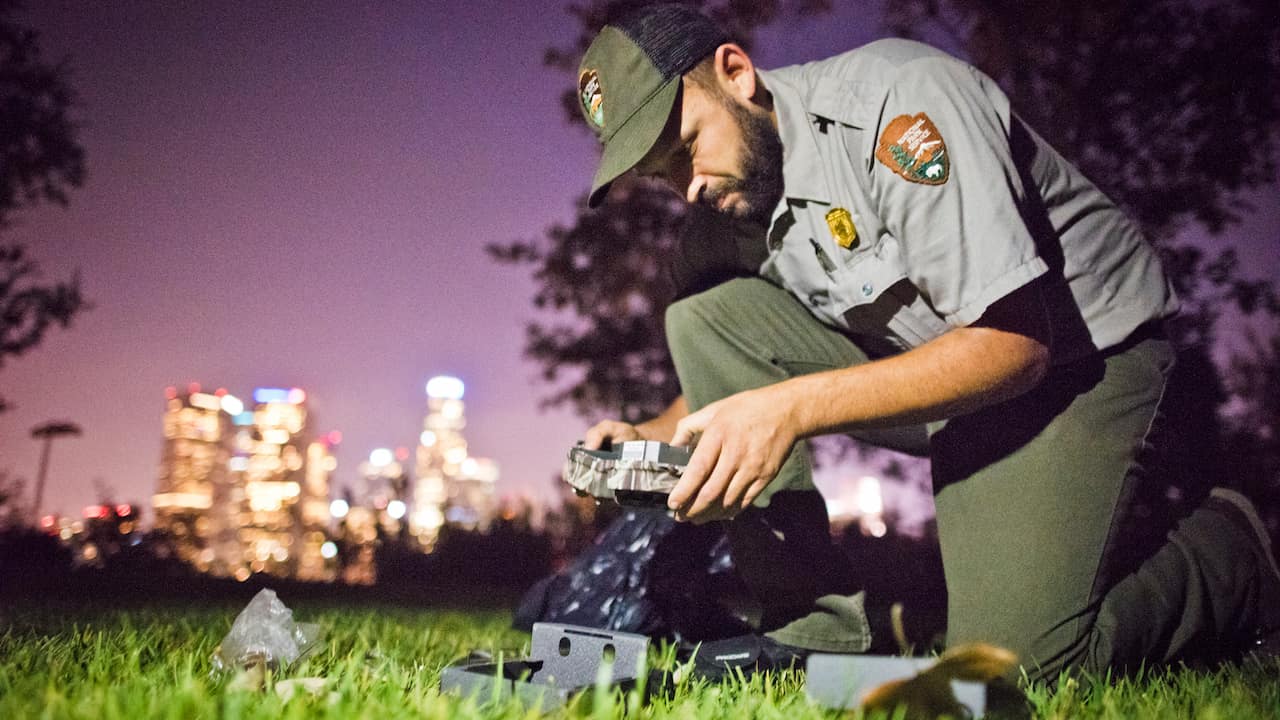
You might feel tempted to check your trail cameras frequently. But visiting your cameras too often can disturb the animals and make them avoid the area.
In remote spots, it’s best to check cameras every couple of weeks. During hunting season, only check them when you plan to hunt nearby.
This approach helps keep deer and other wildlife calm, giving you better chances to spot mature animals on camera.
Failing to scout and know the hunting area well

If you don’t spend time scouting, you miss key signs of deer activity. Knowing where deer travel and feed makes your hunt more effective.
Take time to observe trails, bedding spots, and feeding areas before hunting.
Not understanding access routes can lead to noisy or visible approaches, scaring deer away.
Talking to landowners can also give you useful information and permission to hunt wisely.
Ignoring wind direction and scent control
/ ebay.
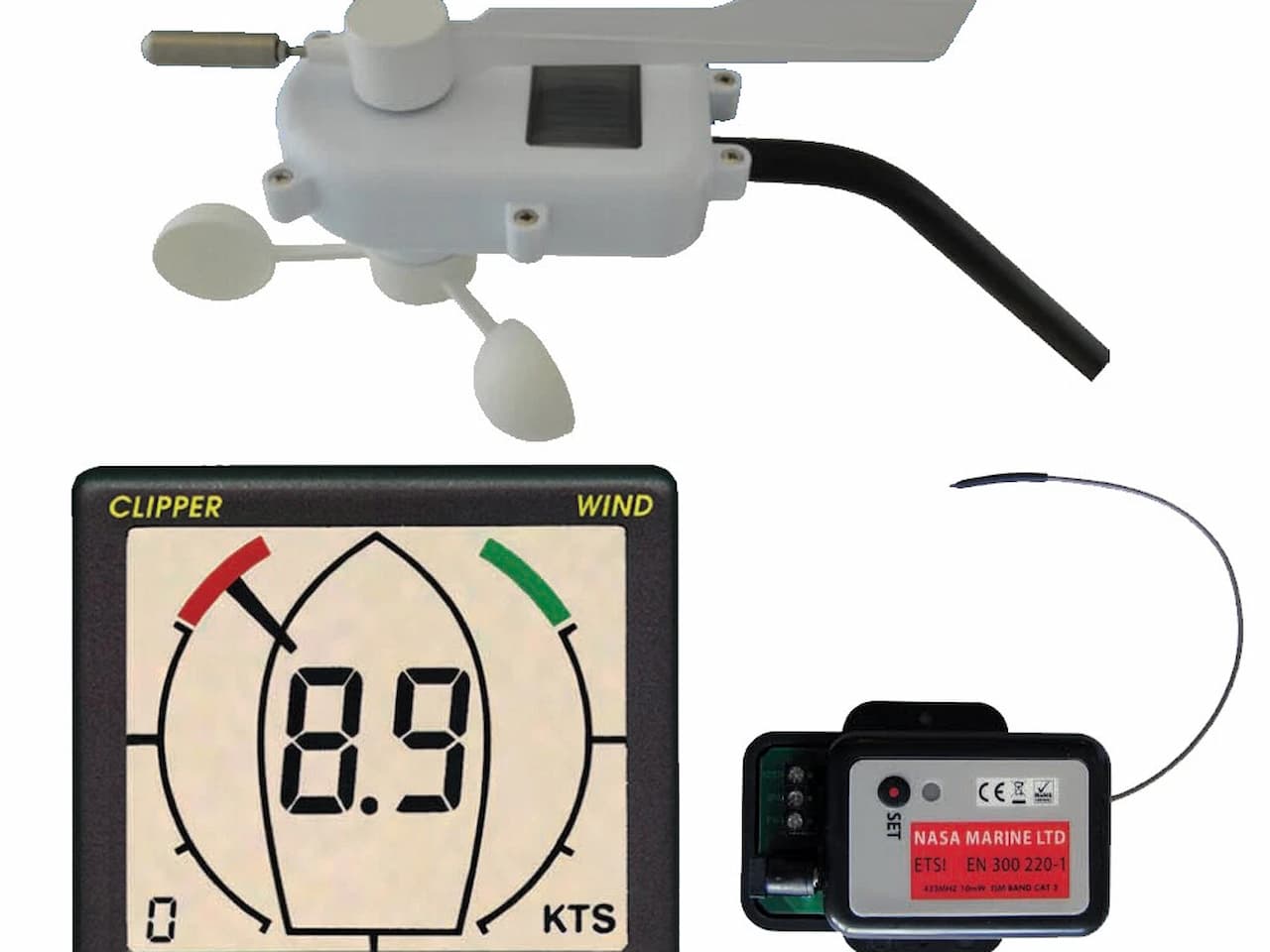
If you overlook wind direction, deer can easily catch your scent and avoid your area. You need to know which way the wind is blowing before you set up.
Scent control is just as important. Wearing clean clothes and minimizing odors helps keep you undetected.
Even if your scent is covered, poor wind awareness can still give you away. Paying attention to both keeps your chances higher.
Moving too fast and spooking game
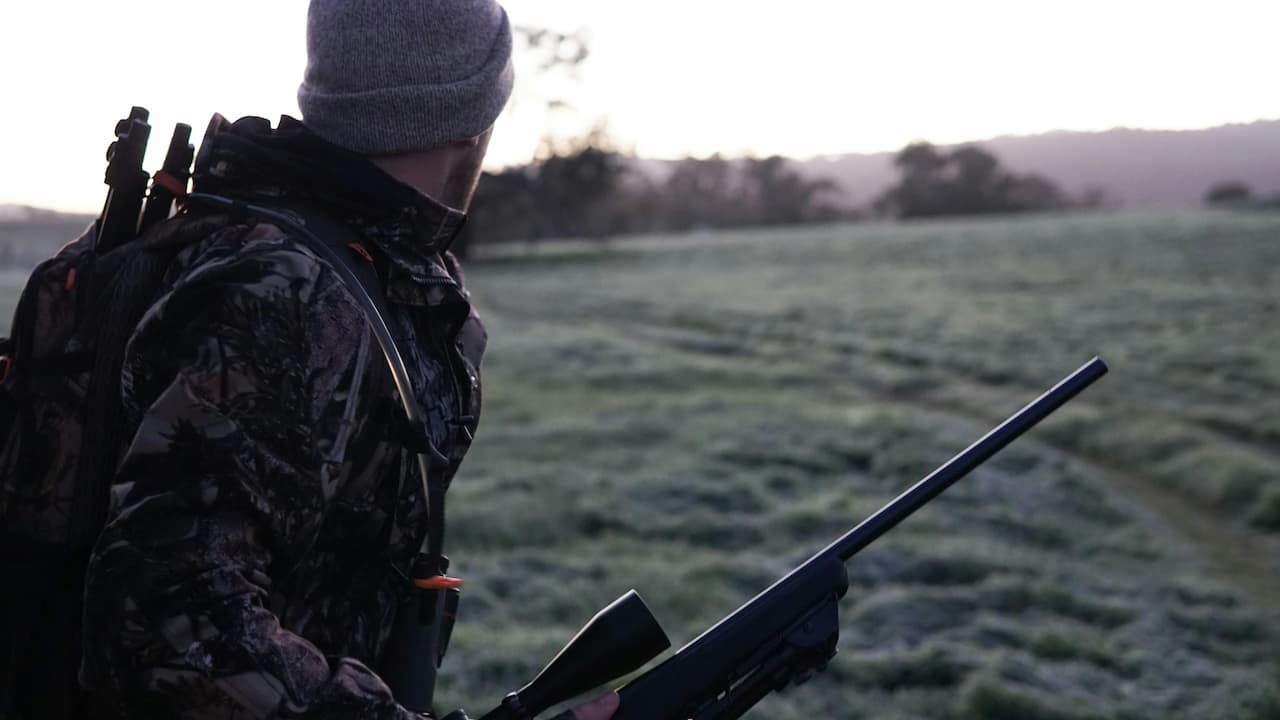
When you move too quickly, you risk alarming the deer. Wildlife is very sensitive to sudden movements, so slow and deliberate steps are best.
It’s easy to get excited and rush, but patience is your friend. Take your time to reduce noise and avoid drawing attention.
Remember, even small rustles can spook animals. Stay calm and move carefully to increase your chances of a successful hunt.
Underestimating the importance of patience
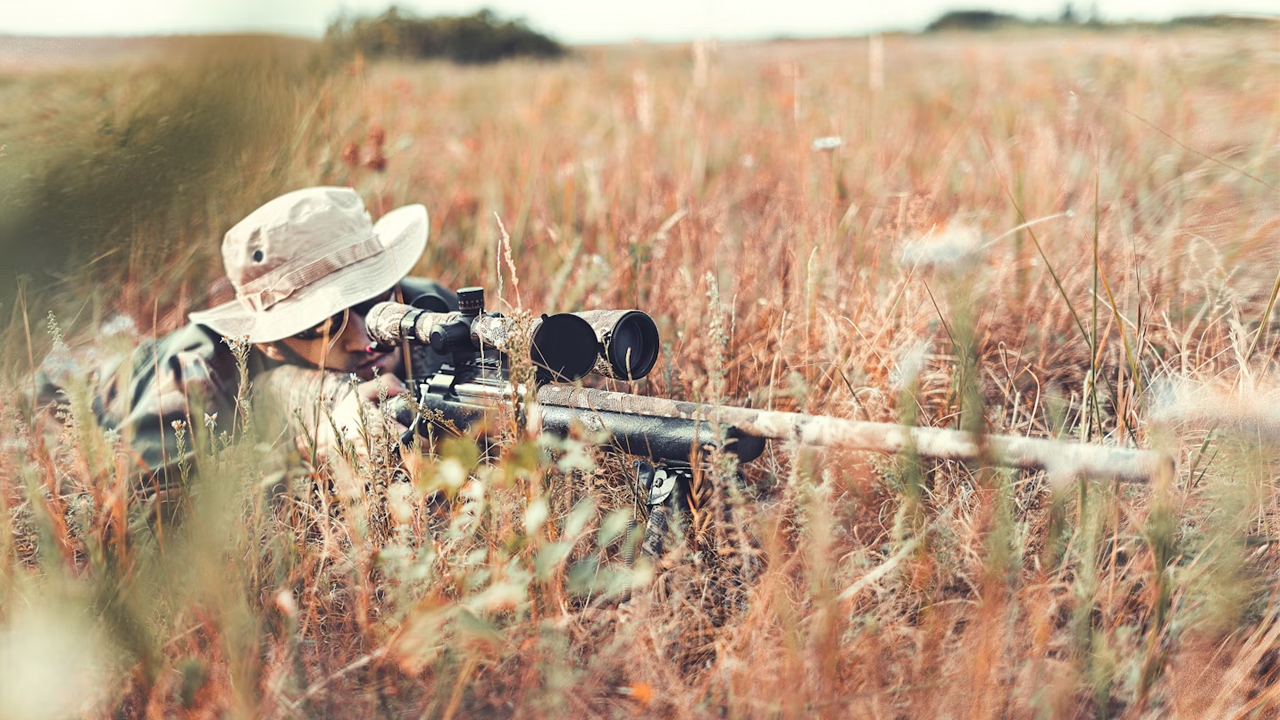
When you rush, you often miss crucial details in your surroundings. Patience helps you observe animal behavior and terrain more clearly.
Waiting quietly can increase your chances of success. Many hunters give up too soon, losing out on opportunities that come with time.
Remember, patience isn’t just about waiting; it’s about staying focused and calm. This skill will improve your experience and results significantly.
Not planning or knowing access routes properly

You might think getting to your hunting spot is simple, but not knowing the best access routes can cost you valuable time and energy.
Before you head out, take time to research roads, trails, and possible closures. This helps avoid unexpected obstacles and saves frustration.
Scouting in advance lets you find multiple ways in and out. That way, if one path is blocked, you have backup options ready.
Wearing ineffective camouflage or bright colors
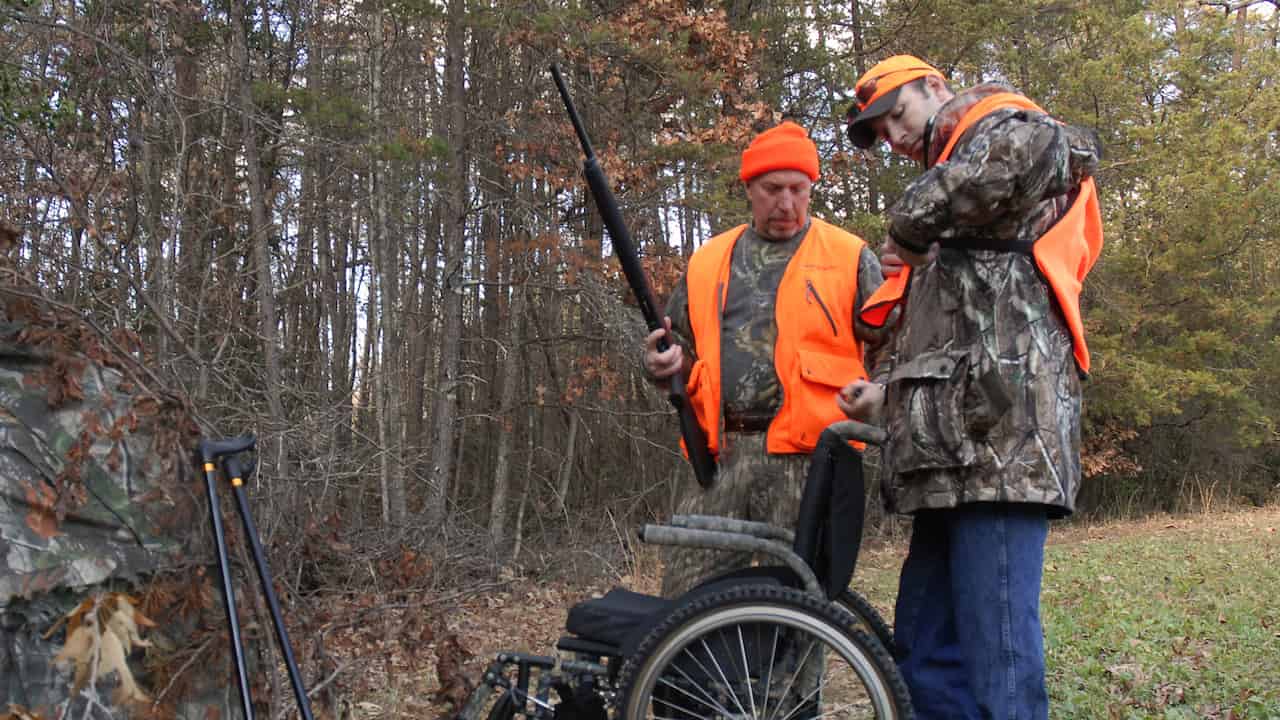
You might think any camouflage will help you blend in, but not all patterns work in every environment. Using the wrong colors or patterns can actually make you stand out more to animals.
Wearing bright colors, like red or orange, can alert game to your presence, even if the colors are pixelated or seem safe. Always match your camo to the surroundings.
Remember, how you use natural cover and terrain is often more important than the pattern on your clothes. Effective concealment relies on both your gear and smart positioning.
Hanging stands or blinds in the wrong locations
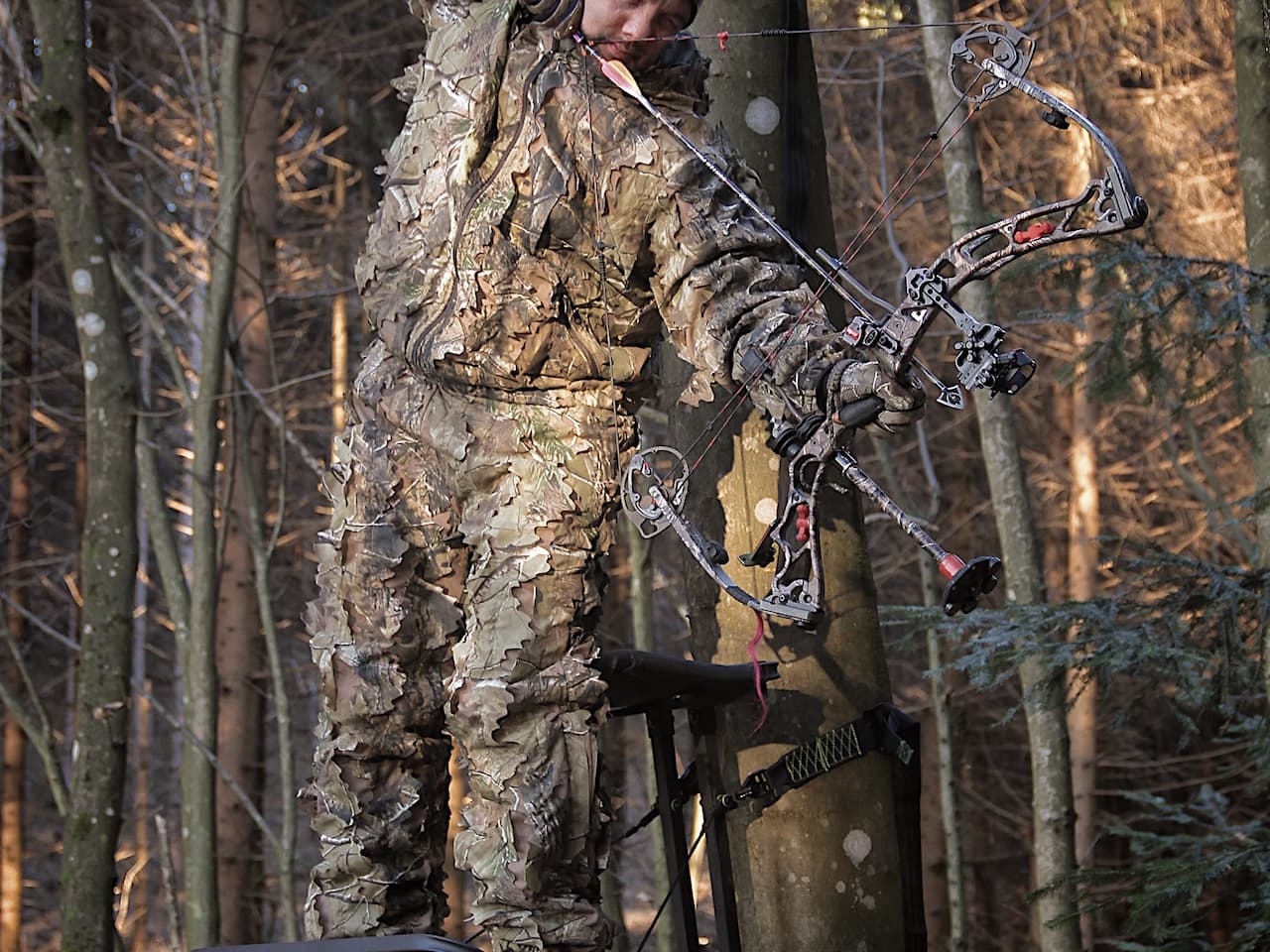
You need to choose a spot where deer naturally travel. Hanging your stand or setting up your blind too far from these paths lowers your chances of seeing deer.
Avoid areas with poor visibility or limited shooting lanes. Proper placement improves your comfort and effectiveness during the hunt.
Scouting ahead helps you find the best access routes. Don’t rush; a well-placed stand or blind can make all the difference.
Neglecting to consider seasonal food sources
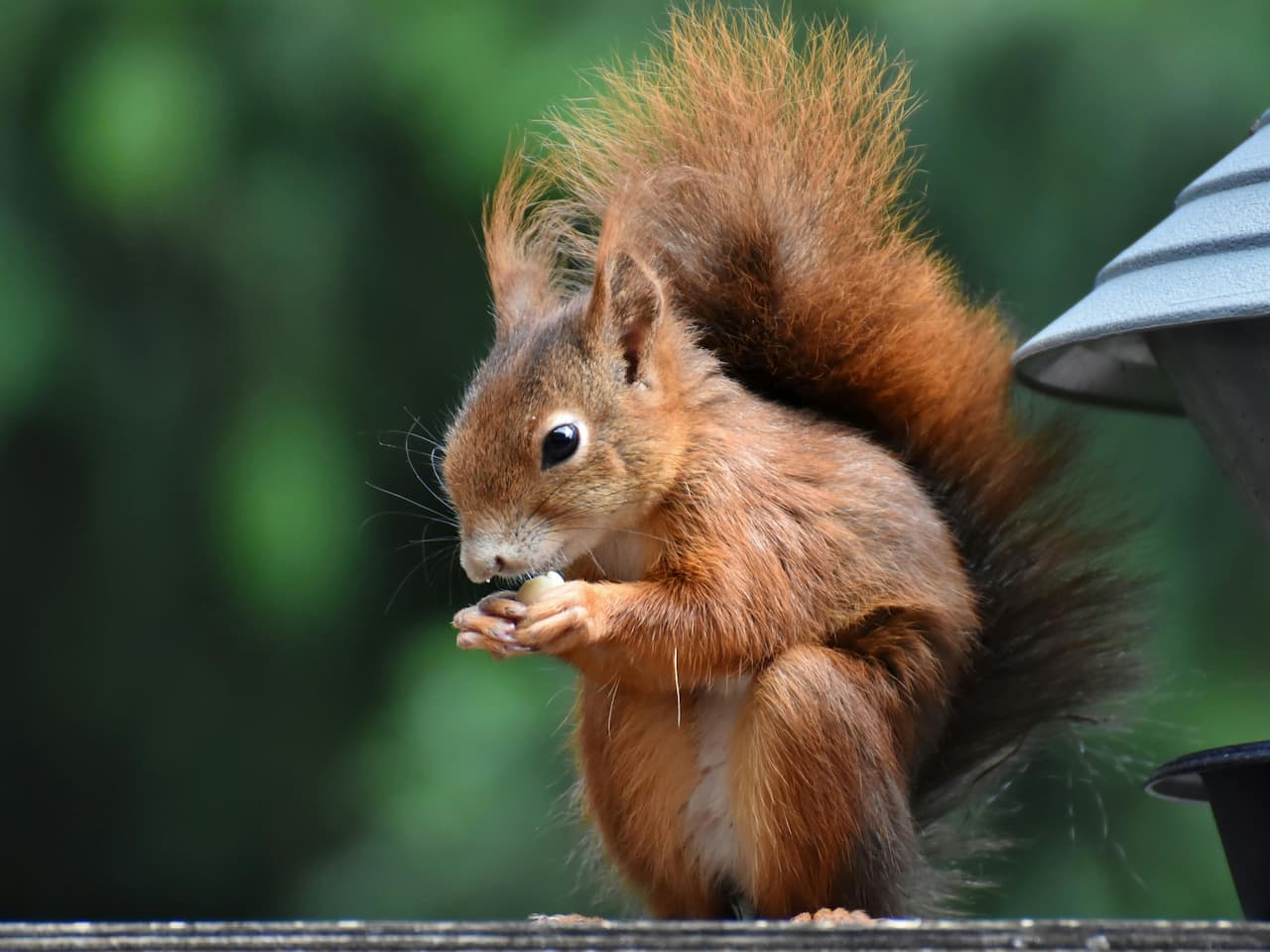
You might miss out if you don’t pay attention to what’s in season around your hunting area. Wildlife often shifts to local seasonal foods as their main sustenance changes with the time of year.
By knowing which plants or crops are available, you can better predict where animals will gather. Ignoring seasonality can mean less success and more wasted effort tracking wildlife in the wrong spots.
Misjudging temperature changes affecting animal behavior
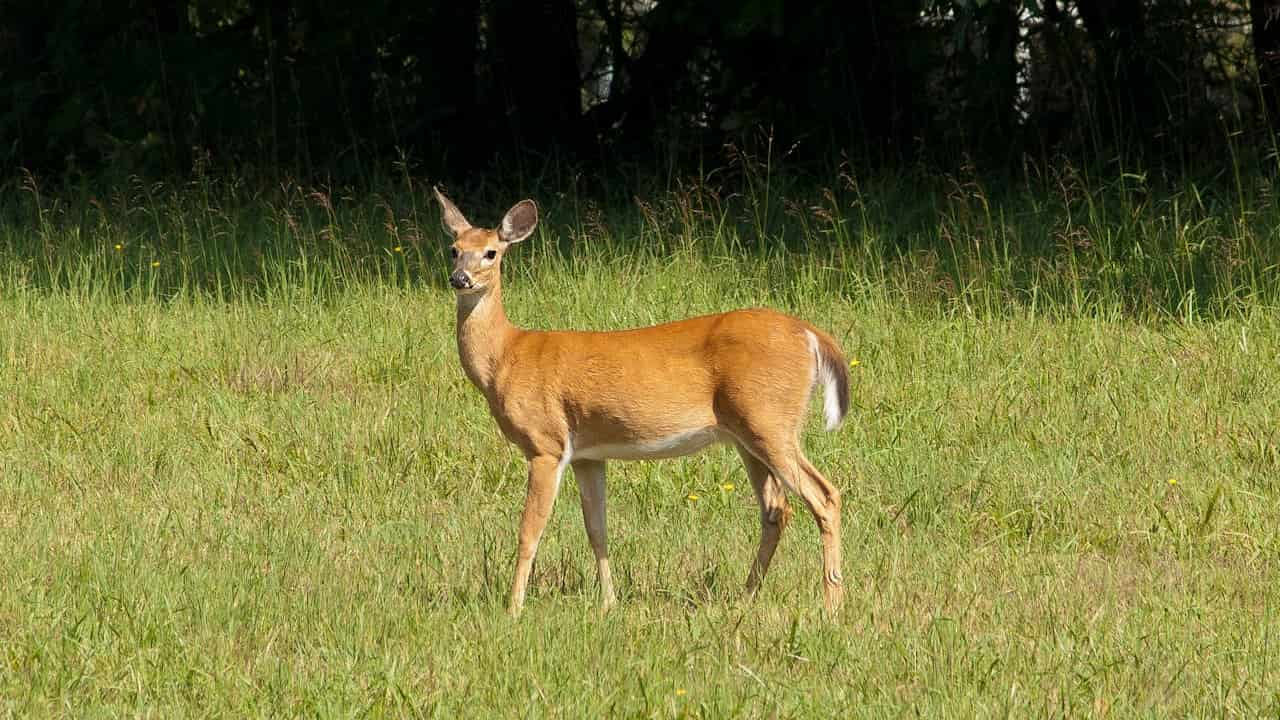
You might not realize how much temperature shifts influence animal activity. Animals often adjust their movement to stay comfortable or find food.
If you ignore these changes, you could miss key hunting windows. For example, animals may be less active during sudden heat or cold spells.
Pay attention to temperature patterns. It helps you predict when animals will be feeding or resting, improving your chances.
Over-calling or over-communicating to attract game
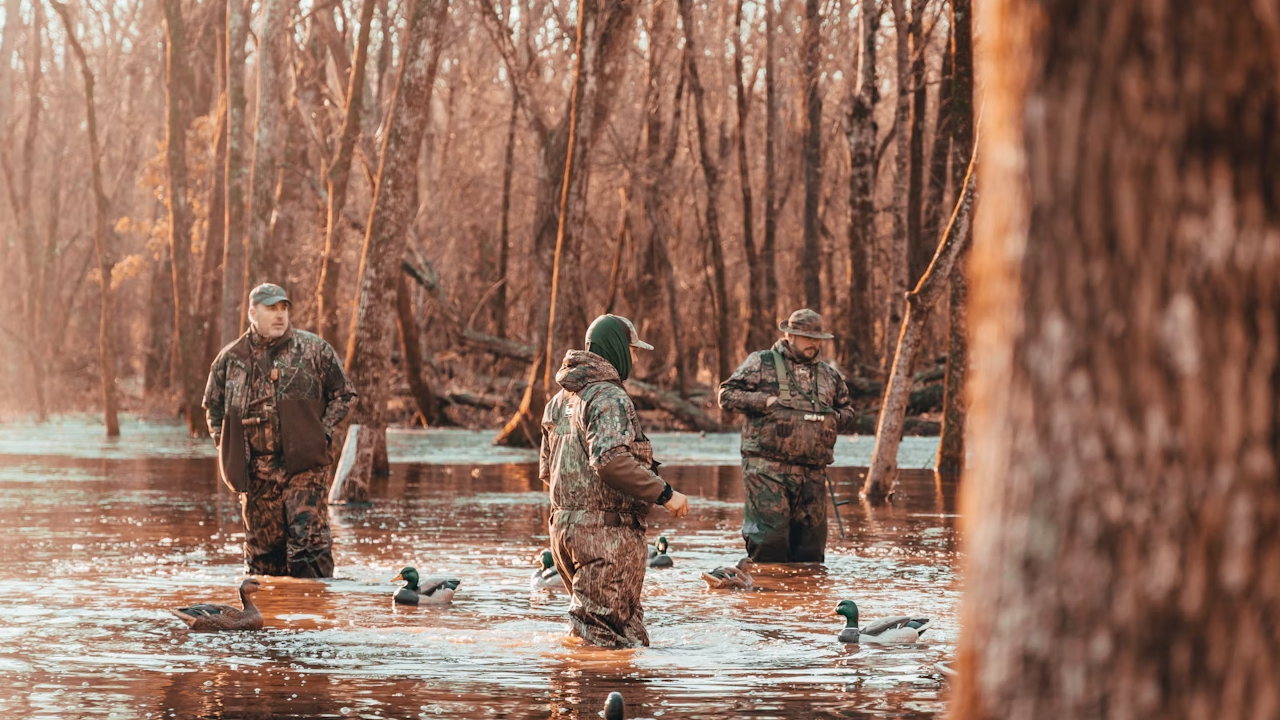
You might think more calling means more chances, but over-calling can actually push animals away. Use your calls sparingly and pay attention to how the game is responding.
If you call too often or too loudly, animals may become suspicious or irritated. It’s better to let some quiet moments build interest.
Watching how animals react can help you adjust your calling. Sometimes silence is the best way to attract game.
Burning out early by hunting too many hours at once

Spending too many hours hunting in a row can wear you out quickly. When you burn out, your focus and patience drop, and you’re more likely to make mistakes.
It’s better to take breaks or split your time into shorter sessions. This keeps you sharp and helps you enjoy the hunt without getting tired too fast.
Remember, hunting is about quality, not just quantity. Giving yourself time to rest improves your chances of success.
Poor range estimation leading to missed shots

You might think a shot is easy until your range estimate is off. Even small misjudgments in distance can cause your bullet to drop short or overshoot the target.
Using a rangefinder or practicing distance judging regularly helps you get better. Remember, gravity affects your bullet’s path more at longer ranges, so guessing too far or too close often means a missed shot.
Taking time to estimate range accurately can save you frustration and improve your success in the field.
Leave a Reply