

Living in a cabin off the grid offers a unique way to simplify your life and reconnect with nature. It means stepping away from many modern conveniences and learning new skills to manage daily living in a self-sufficient way.
You learn a lot about resourcefulness, patience, and adapting to your environment when you live off the grid. This lifestyle challenges you to rethink how you get your food, energy, and water, and it often changes your perspective on what truly matters.
Building skills without power tools
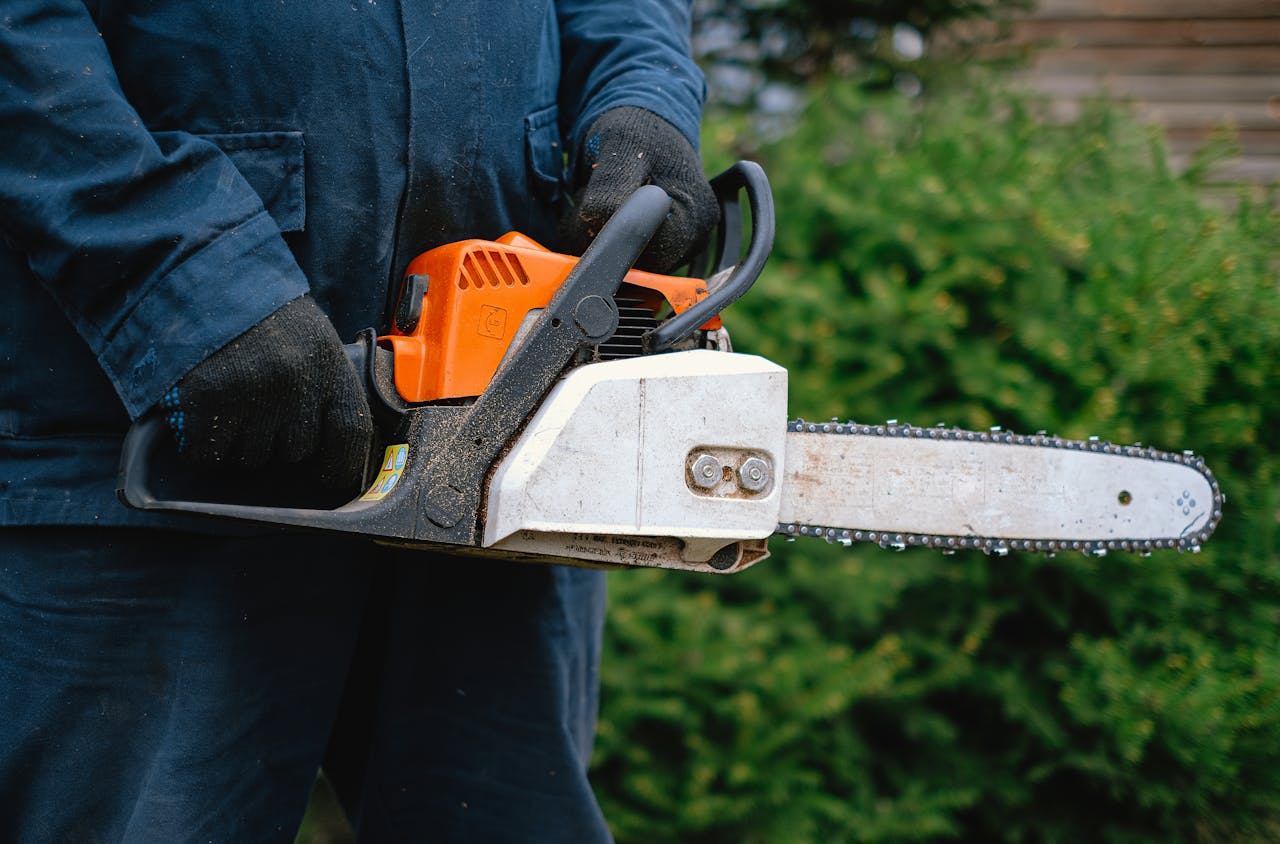
You’ll quickly learn how to use hand tools like saws, chisels, and hammers. These tools require patience and practice but give you greater control.
Without power tools, framing and shaping wood takes longer, so you develop better planning skills.
You also become creative with natural materials, finding new ways to build and repair your cabin. This hands-on approach increases your confidence in your construction abilities.
Using passive solar heating and cooling
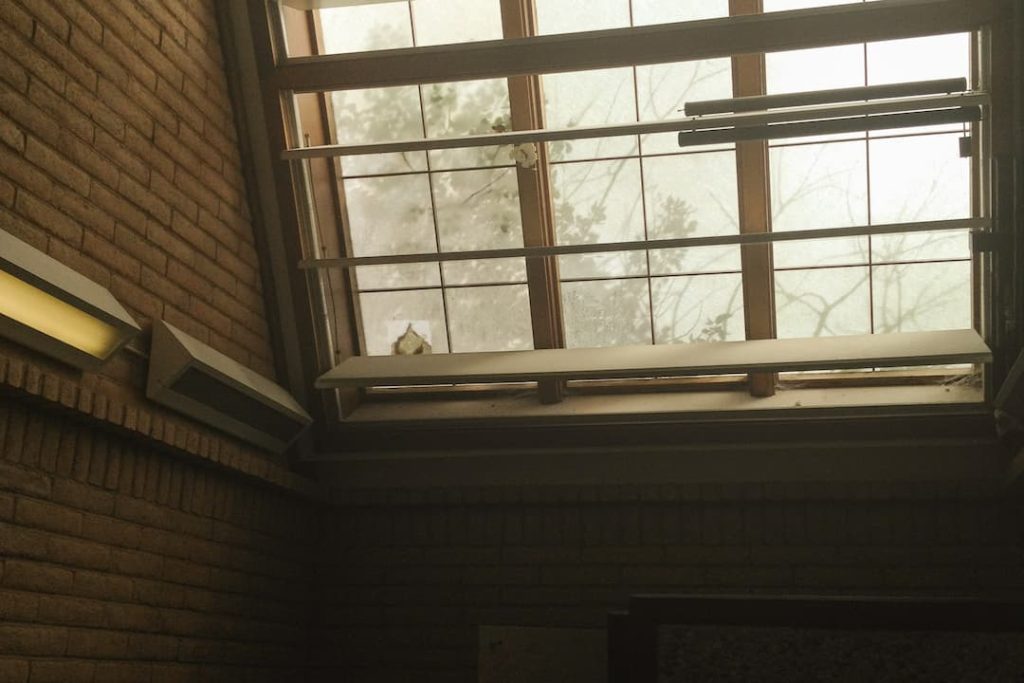
You learn to use your cabin’s windows and materials to capture the sun’s heat during the day. Properly placed windows let sunlight warm your living space naturally.
At night, you rely on ventilation and shaded areas to keep your cabin cool. Opening windows or using vents helps air flow and reduces indoor heat.
Passive solar design cuts down on your need for extra energy. It’s all about working with the sun and nature rather than fighting them.
Installing off-grid solar power systems
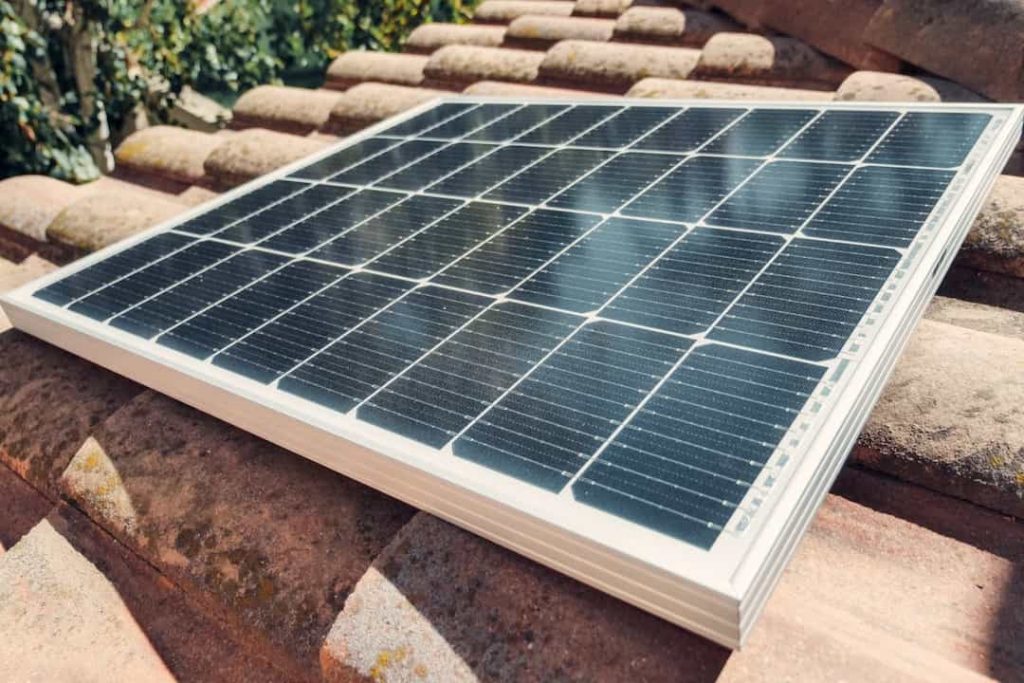
When you install a solar power system, start with quality panels placed where they get the most direct sunlight. Positioning them at the right angle is key to maximizing your energy capture.
You’ll need a battery bank to store the energy, so you have power even when the sun isn’t shining. A simple setup is enough for basic needs and can be expanded as you learn what works best for you.
Mounting your panels securely will keep them safe from weather. Consider a mount that tracks the sun to boost efficiency if you want more power.
Collecting and treating water
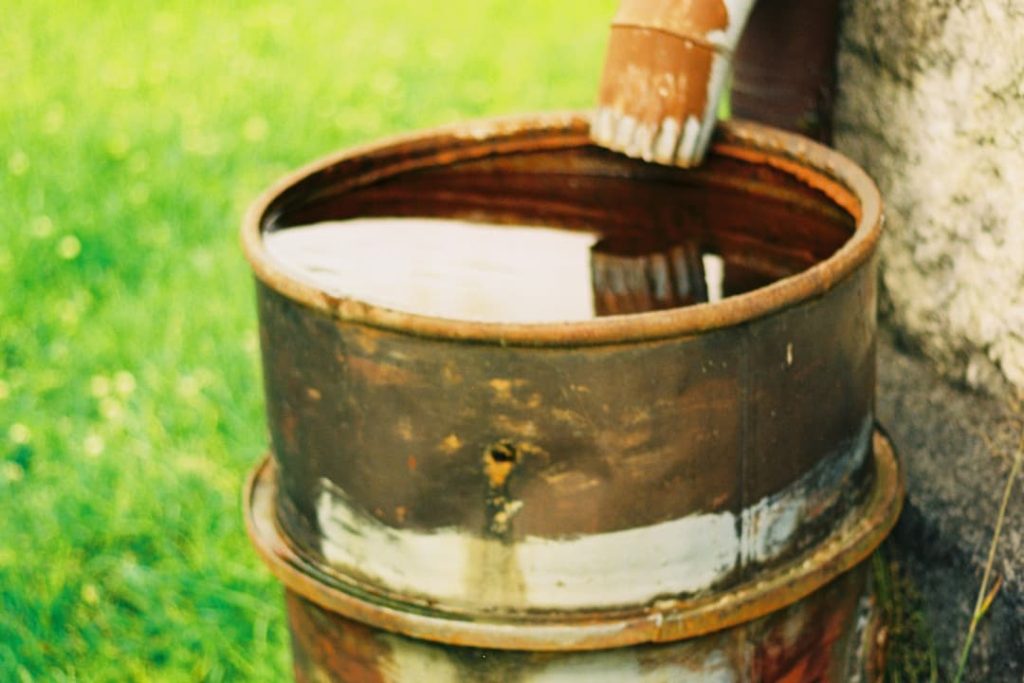
When living off the grid, collecting rainwater is one of the simplest ways to get water. You’ll need gutters and a storage tank to catch and hold the water from your roof.
You also have to treat the water before using it for drinking or cooking. Filtration and boiling are common methods that help keep your water safe.
Conservation is important too. Plan for at least a couple of gallons per person per day, depending on your needs.
Growing your own food year-round
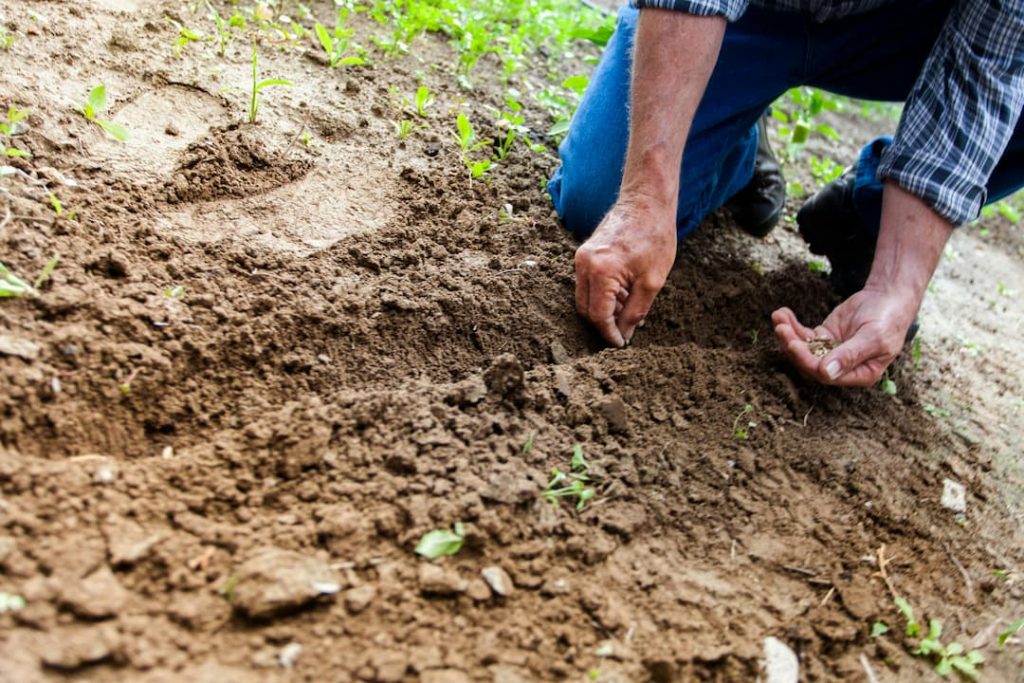
You’ll quickly learn that growing food all year takes planning. Focus on the crops you eat the most and are good at preserving.
If growing isn’t possible in winter, preserving food becomes key. Canning, freezing, and drying help extend your harvest.
Start small and build up your garden with a mix of fruits, vegetables, and root crops. This variety helps keep your meals balanced throughout the year.
Preserving food without refrigeration
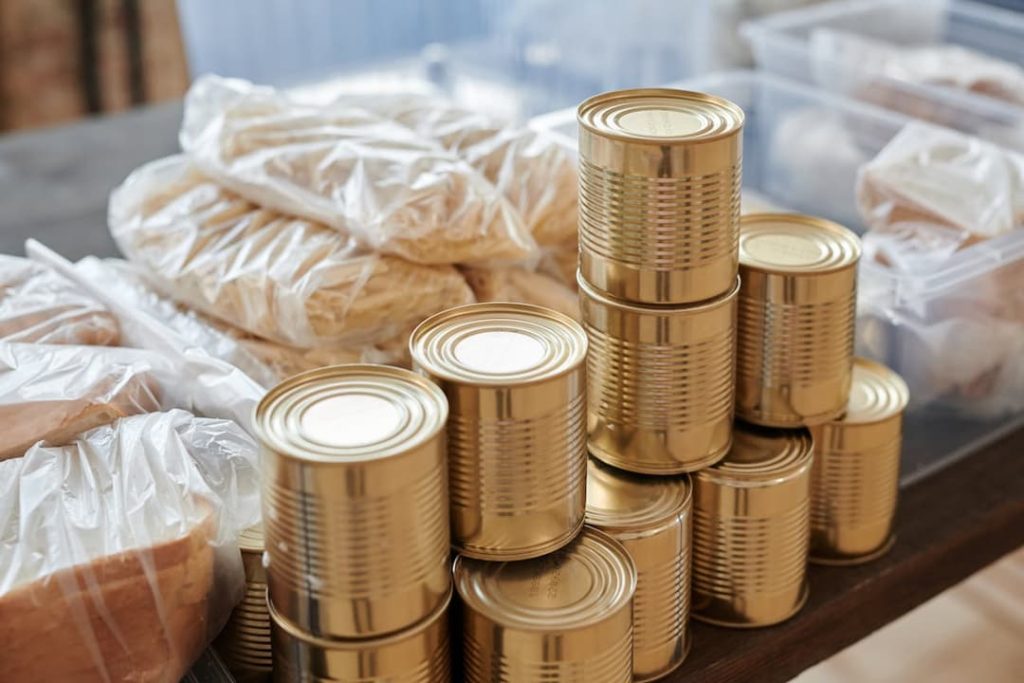
When you live off the grid, you quickly learn the importance of food preservation methods that don’t rely on electricity. Canning and drying are two reliable techniques you can use to keep fruits, vegetables, and meats safe for longer periods.
You might also use root cellars or cool, shaded spots to store certain foods like potatoes or apples. Fermenting is another great option—it not only preserves but adds flavor to your food. Learning these methods helps you make the most of your harvest and avoid waste.
Hunting, fishing, and trapping basics
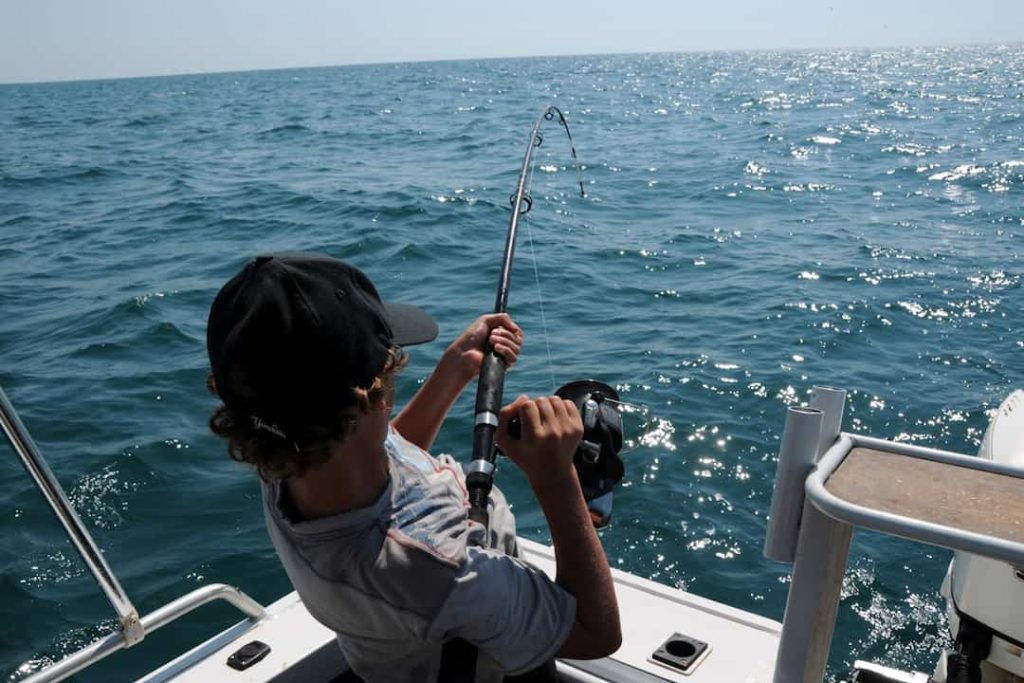
You’ll need to learn how to catch and hunt for food to sustain yourself. Fishing involves knowing where to find fish and how to use the right bait and gear. Hunting requires skill in tracking animals and using tools safely.
Trapping can be useful for smaller game, but you must understand how to set traps properly to avoid wasted effort. You’ll also need basic butchering skills to prepare your catch for cooking and storage.
Erecting emergency shelters
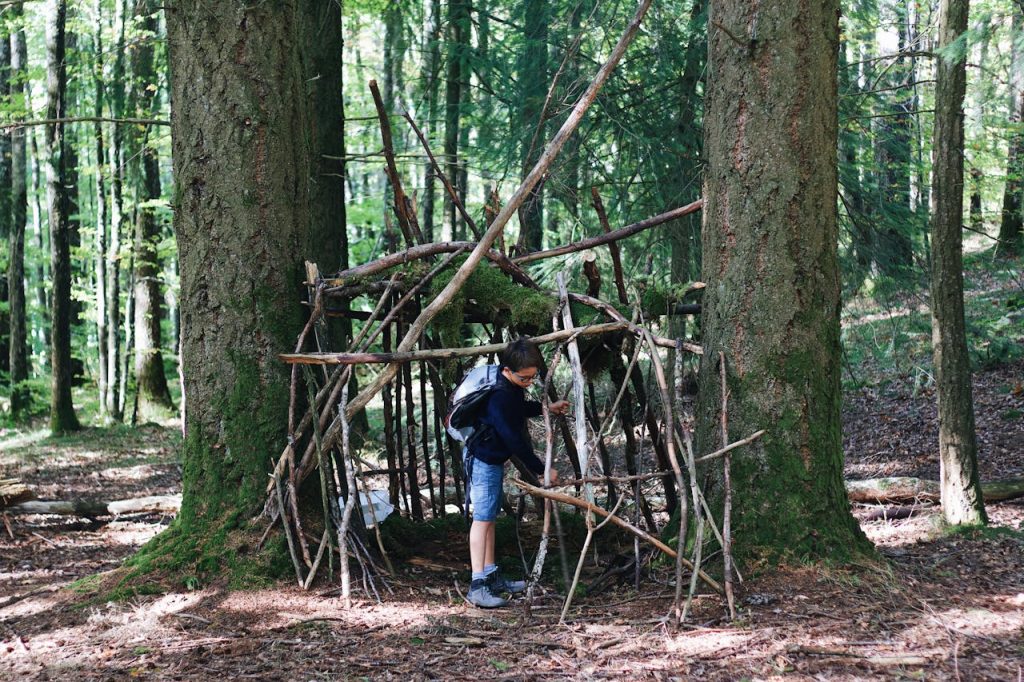
You’ll quickly learn the importance of having a simple, reliable shelter plan. Emergency shelters can often be built with basic tools and natural materials around you.
Knowing how to set up a quick, sturdy cover can protect you from rain, wind, and cold. Practice makes it easier to build shelters fast, which is useful if weather changes unexpectedly.
Using portable or pop-up options can save time if you need shelter in minutes. Always keep essential materials handy to make your process smooth and efficient.
Tanning animal hides
You’ll learn that tanning hides takes patience and care. Removing all flesh and fat is essential before you start softening the skin.
Using natural materials like animal brains or oak leaves is common. Brains help soften the hide, but it requires gentle rubbing and time.
Sun drying and stretching the hide afterward keeps it flexible. It’s a hands-on process that connects you to traditional skills and self-reliance.
Cooking on a wood stove
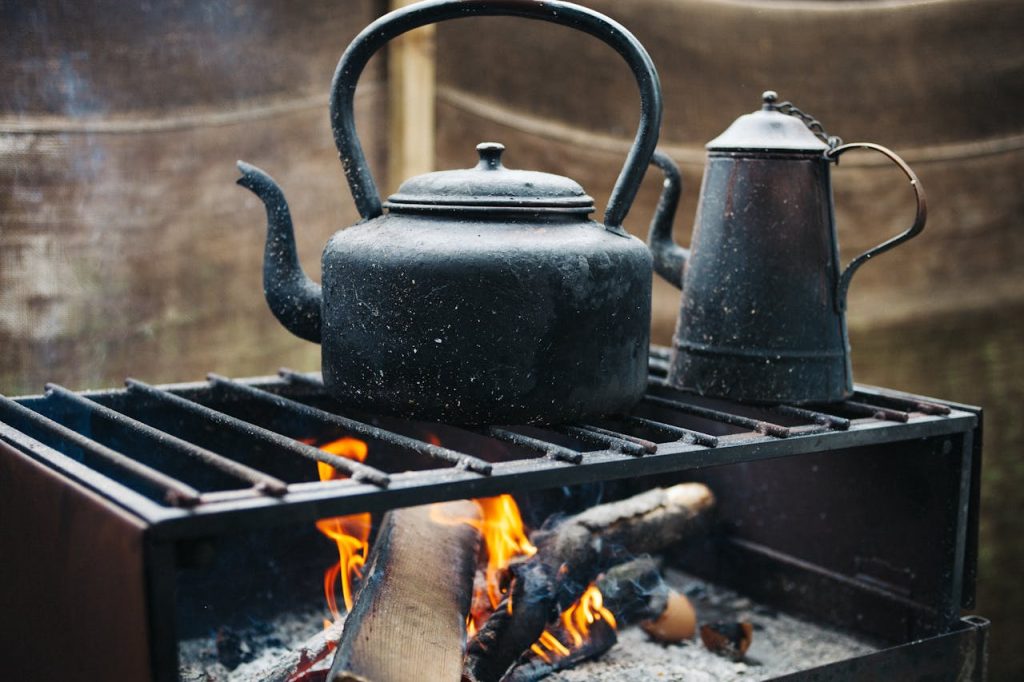
Cooking on a wood stove takes some patience and practice. You’ll learn to manage the fire’s heat for simmering, boiling, or baking.
Because the stove warms your cabin too, it creates a cozy cooking environment. You’ll become skilled at using different parts of the stove for cooking tasks.
It’s helpful to plan meals around maintaining the fire. With time, you’ll appreciate the self-reliance this method offers when power isn’t available.
Repairing and making your own tools
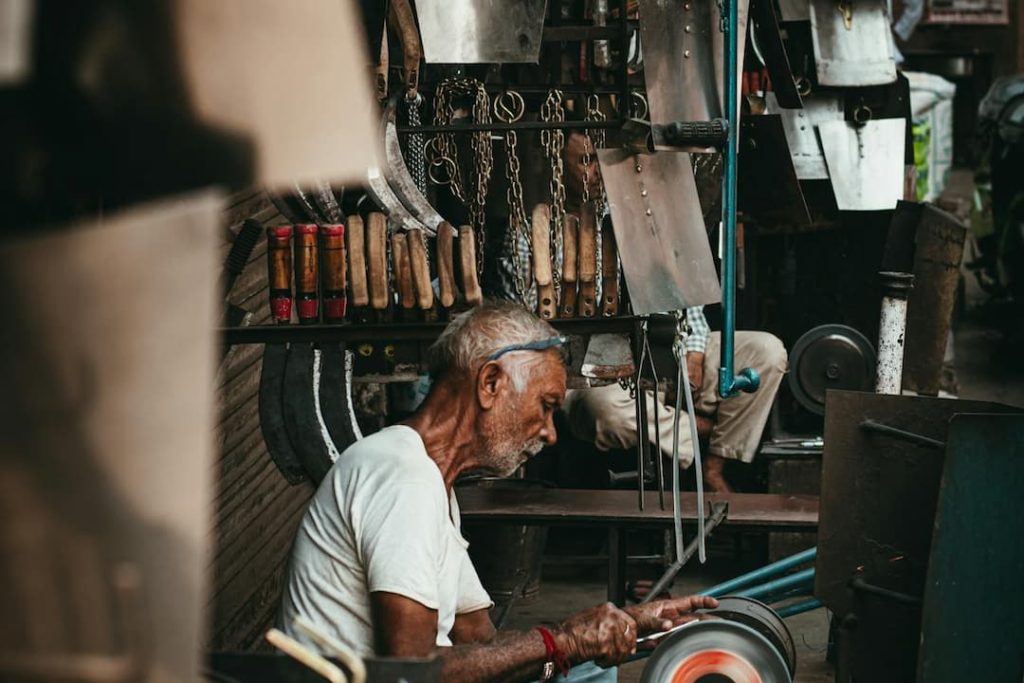
When you live off the grid, you learn quickly that waiting for replacement tools isn’t an option. You’ll need basic skills to fix what breaks.
Making your own tools or adapting old ones becomes part of daily life. It saves time and money.
Having a small workshop space helps. Simple things like sharpening blades or tightening handles keep your tools working longer. You’ll gain confidence in handling repairs yourself.
Managing waste sustainably
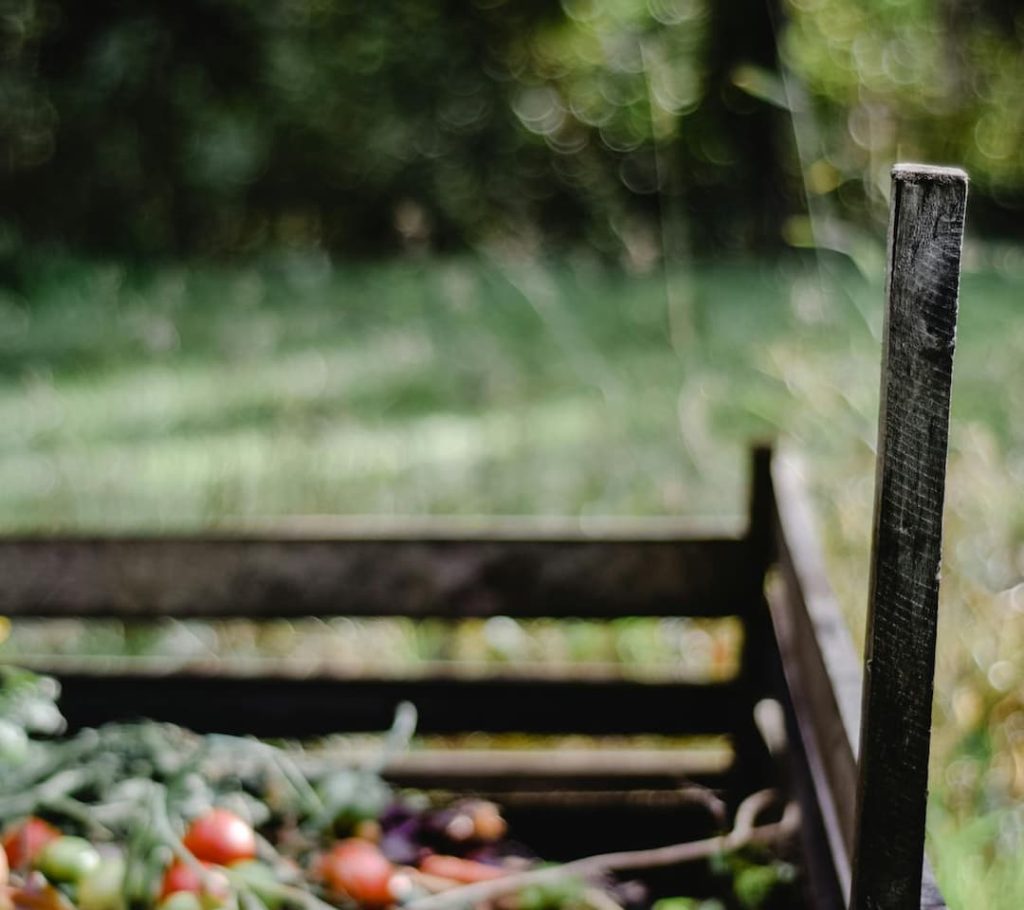
When living off the grid, you quickly learn to manage your waste carefully. Setting up compost bins helps turn food scraps into valuable soil for your garden.
You’ll also want to separate recyclables and burnable waste where possible. Avoiding plastic and reducing trash means less impact on your surroundings.
If you don’t have animals to feed scraps to, burying compostable waste is a simple option. This helps keep your cabin and land clean and healthy.
Tracking weather changes naturally
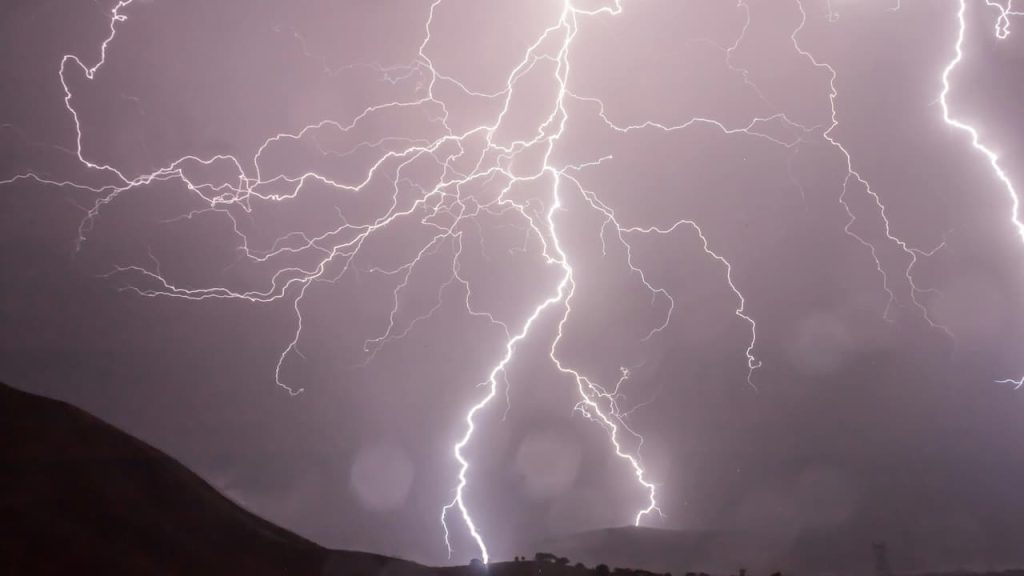
When living off the grid, you learn to read the sky for signs of weather. Clouds, wind direction, and smells all give you clues about upcoming conditions.
You might notice how animals behave before a storm. Birds getting quiet or insects becoming active can signal changes on the way.
Pay attention to temperature shifts and humidity. Your body and senses become tools to predict rain or cold snaps, helping you prepare without relying on technology.
Leave a Reply