

Bushcraft skills have been valued for centuries because they help you connect with nature and improve your ability to handle outdoor challenges. Whether you’re planning a camping trip or want to be more self-reliant, these skills can make your time outdoors safer and more enjoyable.
These 10 bushcraft skills are still incredibly useful because they teach you how to use simple tools and natural resources to meet basic needs like shelter, fire, and food. Learning these abilities gives you confidence and prepares you for unexpected situations whenever you are in the wild.
Knife and Axe Handling
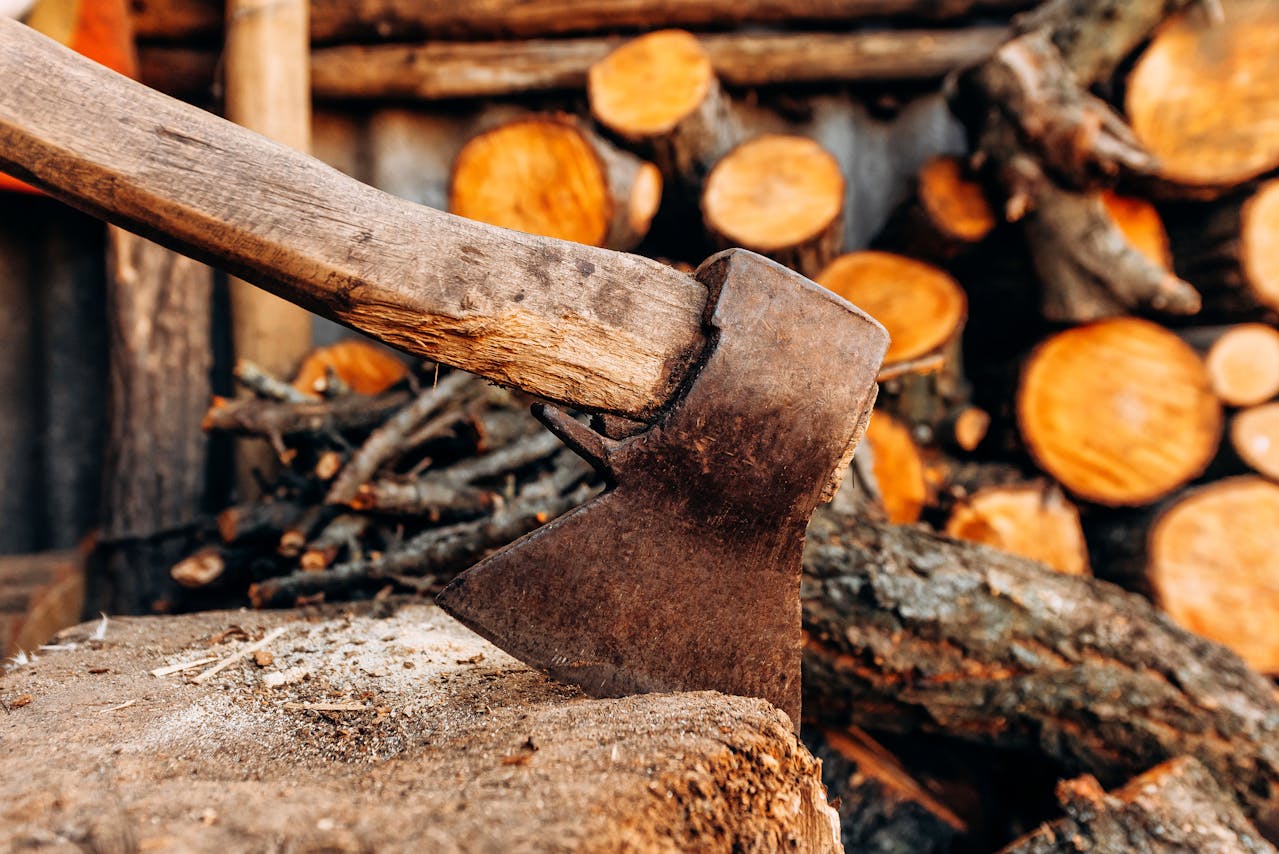
You should start by learning how to hold and control both your knife and axe safely. Proper grip and stance help prevent accidents.
Using your knife for carving, cutting, and preparing materials is a key bushcraft skill. Keep your blade sharp for better control.
Your axe is useful for chopping wood and shaping tools. Practice swinging with precision rather than force to make your work easier and safer.
Fire Starting with Ferro Rod
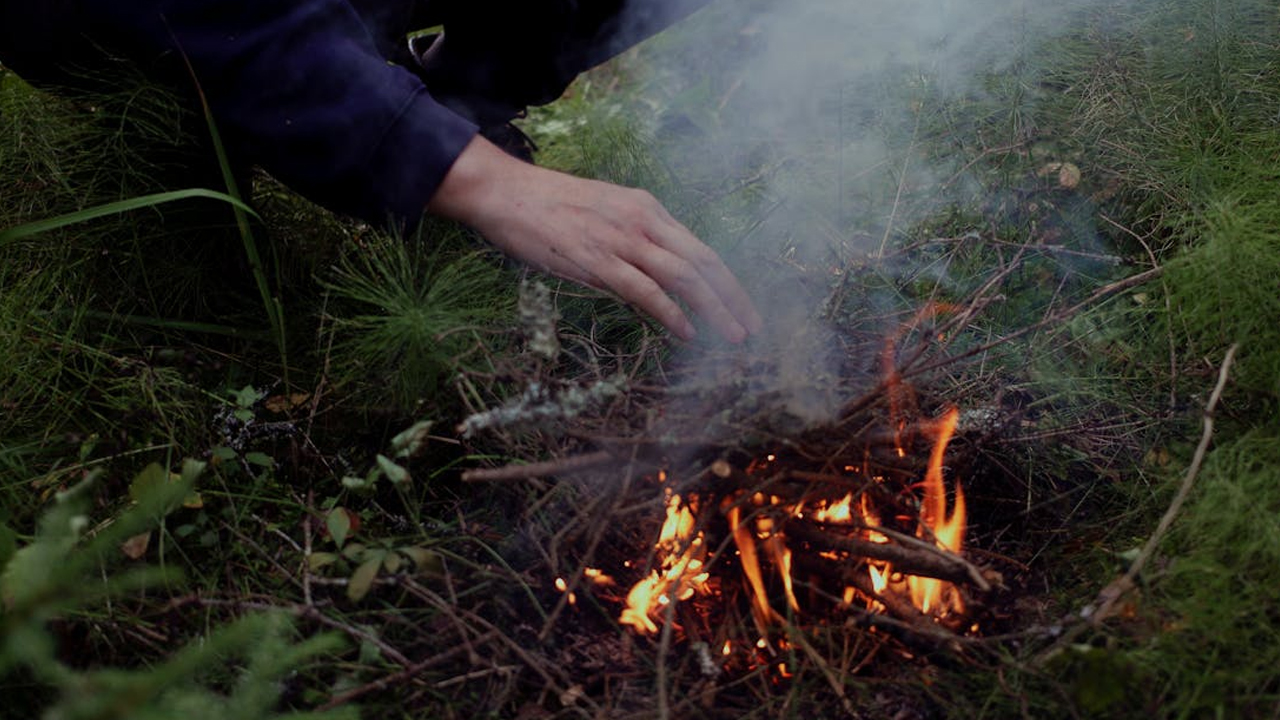
Using a ferro rod is a reliable fire-starting skill you can count on. You hold the rod close to your tinder and strike it with a metal striker or knife.
Control your movements to send sparks directly into the tinder. Make sure you have plenty of dry tinder and kindling ready before you start.
Practicing this skill helps you build fires in various weather conditions, making it a valuable tool for any bushcraft enthusiast.
Building a Leaf Hut Shelter
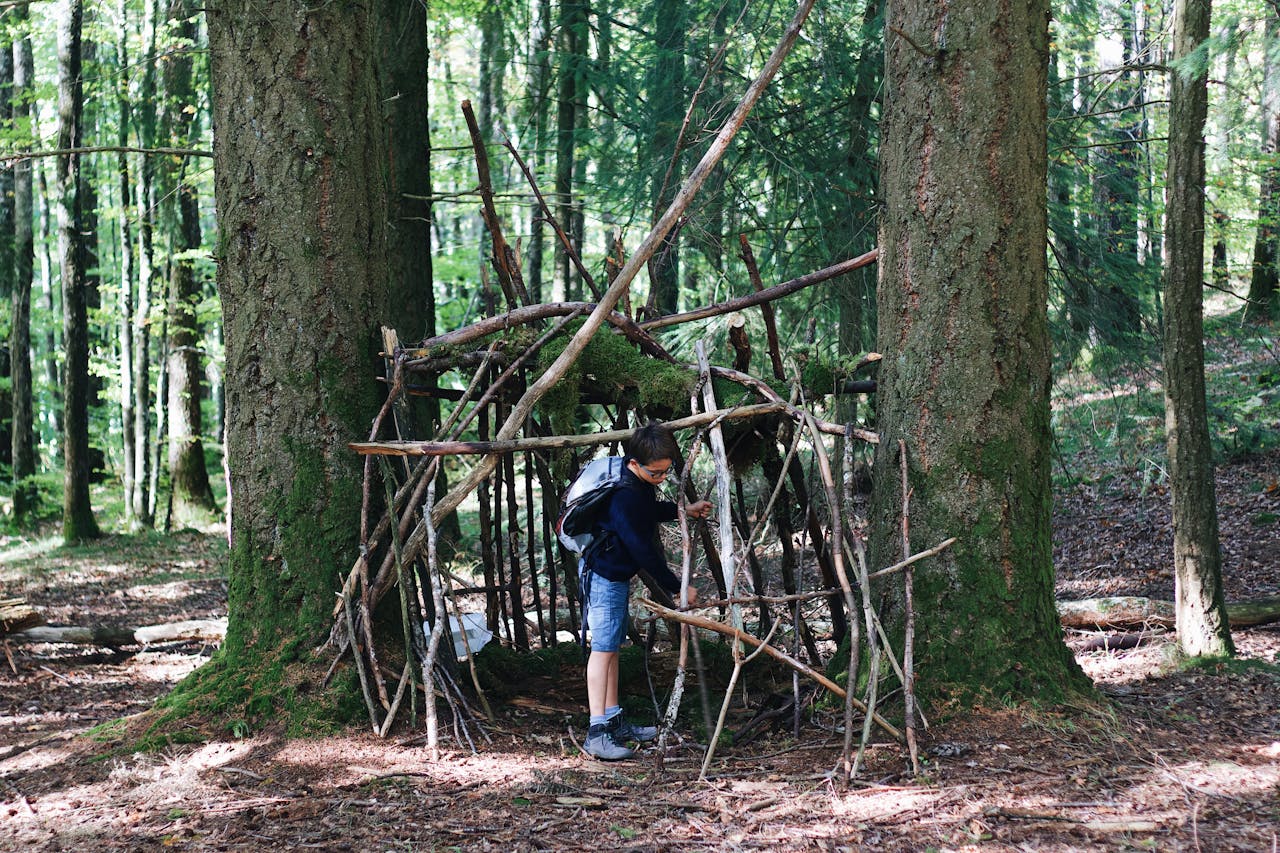
You can create a simple leaf hut to protect yourself from cold, wind, and rain. Start by building a sturdy wood frame as the base.
Next, cover the frame with large, overlapping leaves or branches to block out moisture and hold in heat.
Using both dry and wet leaves works, but make sure the structure is tight enough to keep you warm. This shelter is practical and uses natural materials you can find around you.
Making Feather Sticks for Kindling
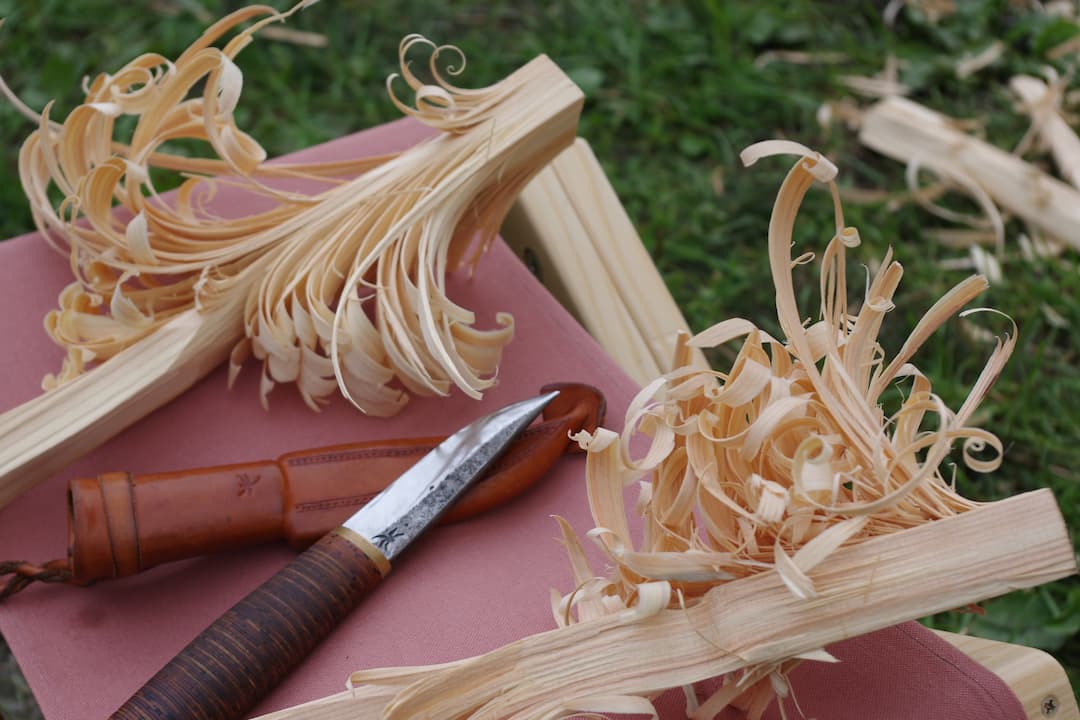
To make feather sticks, you’ll need a dry stick and a sharp knife. Carefully shave thin curls or shavings along one side of the stick, leaving them attached at the base.
These curls increase the surface area, making it easier to catch a spark and start a fire. Feather sticks are great when you don’t have dry tinder handy.
Practice this skill when conditions are good. It will be much more useful when you’re in tougher situations and need reliable kindling quickly.
Using the Figure 4 Deadfall Trap
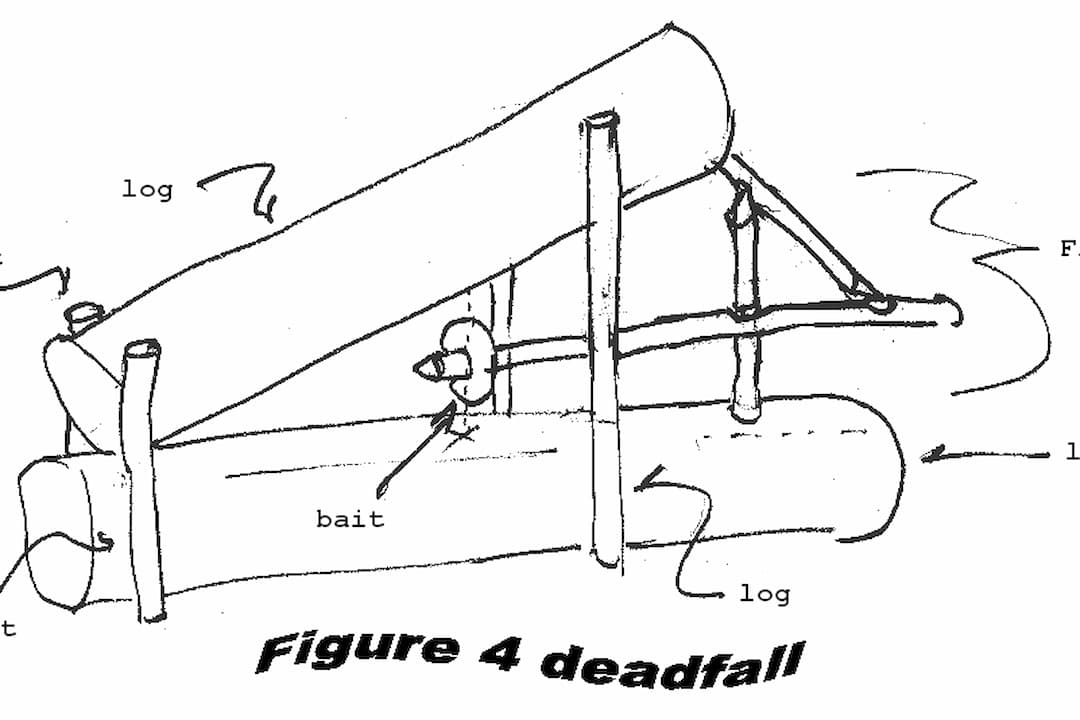
You can make a Figure 4 Deadfall trap using just three sticks, a sharp knife, and some bait. It works by setting a trigger mechanism that holds a heavy rock or log above your target.
When an animal disturbs the bait, the sticks collapse, dropping the weight to catch it. It’s a simple, effective skill to practice for basic survival situations.
Navigating with a Compass and Map
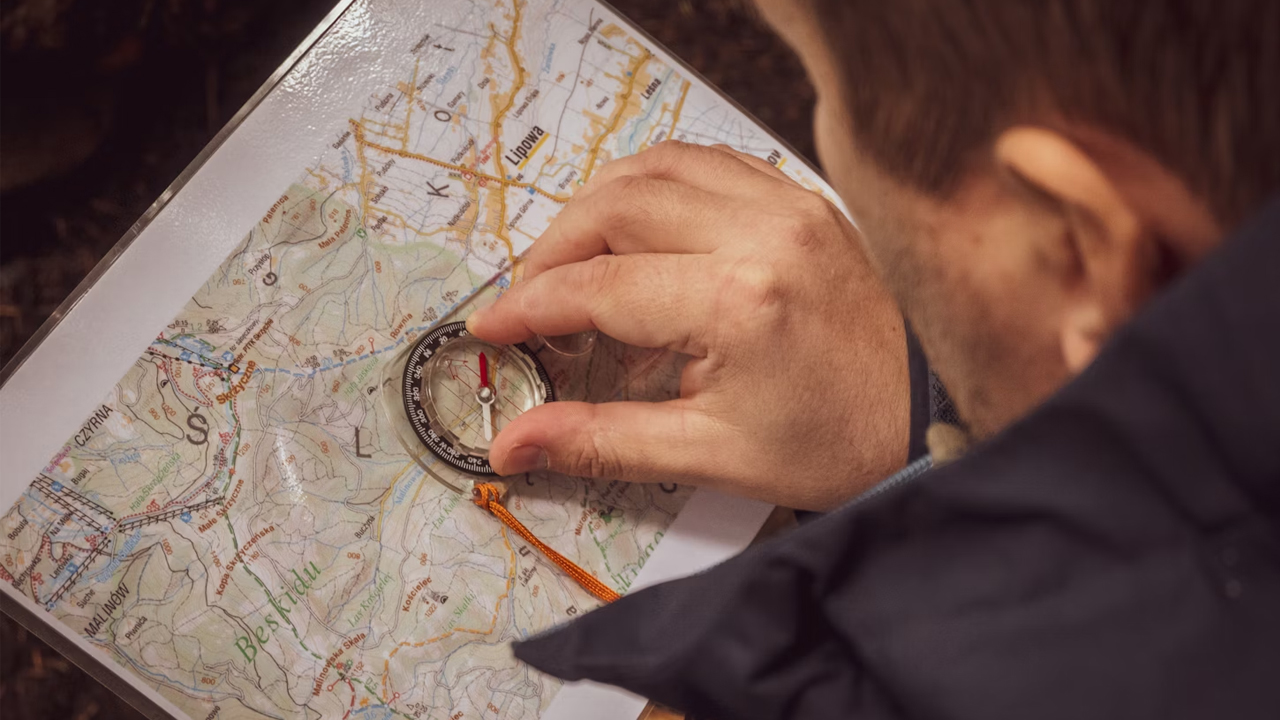
You can rely on a compass and map to find your way when technology fails. Start by orienting your map using a compass, matching the north on the map with magnetic north in the field.
Taking a bearing helps you move confidently toward your destination. Use landmarks and terrain features to double-check your path.
Understanding declination, or the difference between magnetic and true north, is key for accuracy. Practicing these skills builds your confidence in the wild.
Identifying Edible Wild Plants
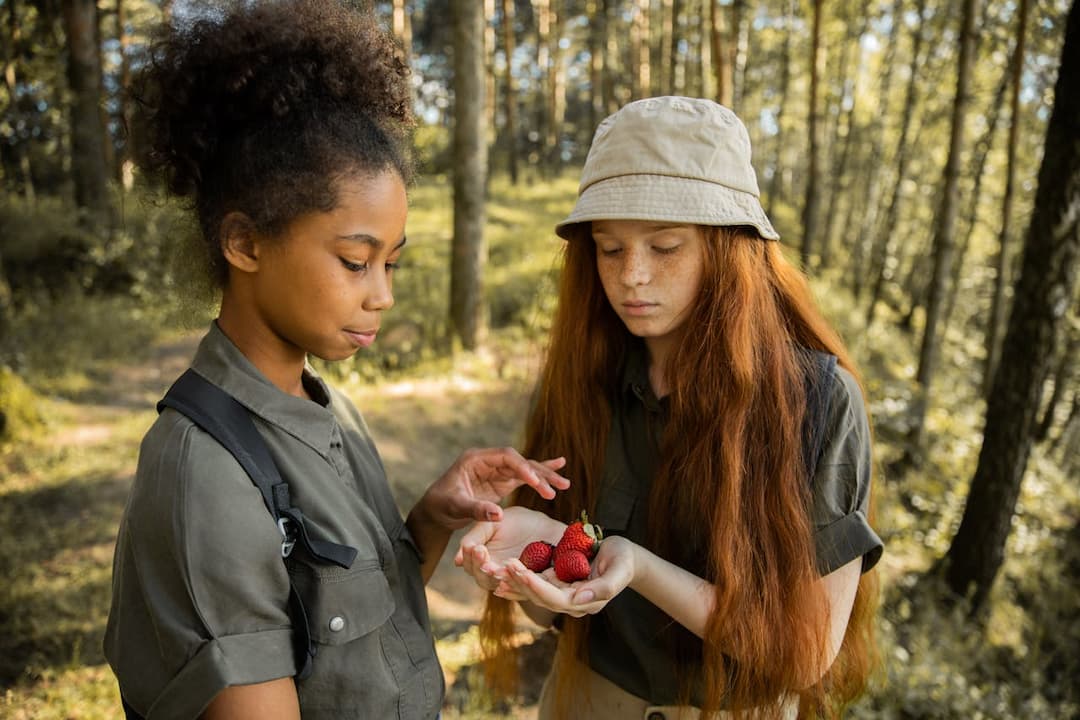
Knowing how to spot edible wild plants is a useful bushcraft skill. You can find food sources like berries, leaves, and roots if you know what to look for.
Start by learning common local plants and their safe parts. Always cross-check with a reliable guide or app before eating anything.
Remember, some plants look similar but can be harmful. When in doubt, don’t eat it. Practice makes it easier to recognize safe options on your adventures.
Cordage Making from Natural Fibers
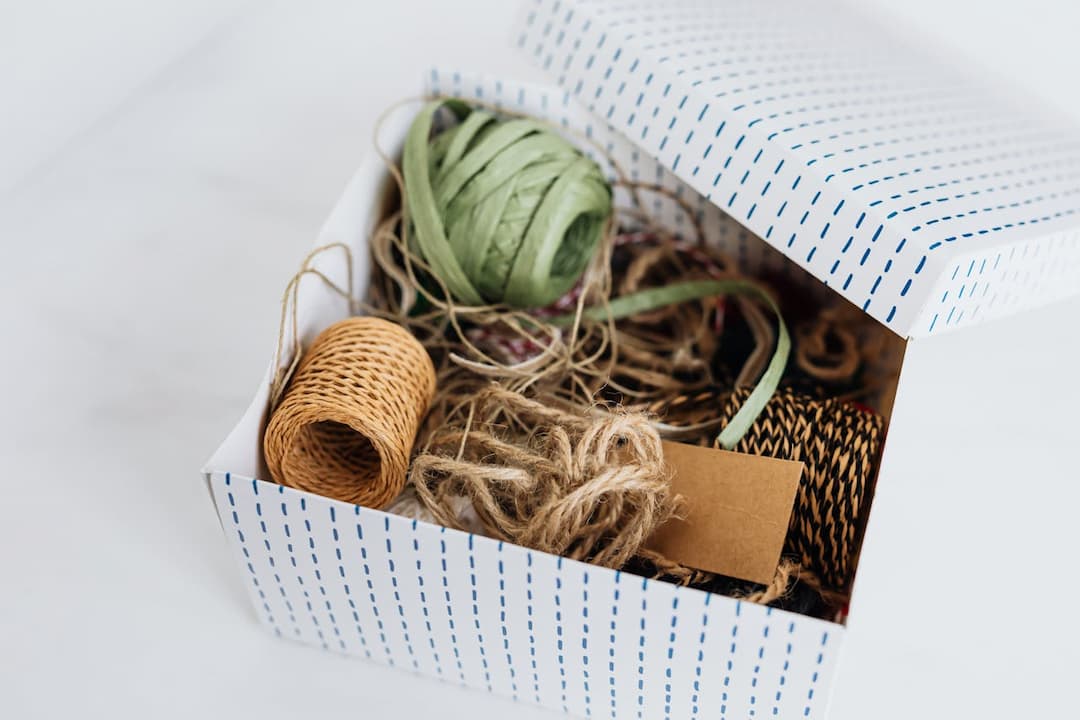
Knowing how to make cordage from natural fibers is a handy bushcraft skill. You can use materials like yucca leaves, basswood bark, or stinging nettle to create strong, flexible rope.
With some twisting or braiding, your natural cordage can help with shelter building, traps, or even fire-making tools. It’s a simple skill that adds a lot of versatility to your outdoor toolkit. Practice with different plants to find what works best for you.
Setting Snares for Small Game
Setting snares is a practical skill that can help you catch small game quietly and efficiently. You’ll need strong cord or wire and a good spot where animals often travel, like near burrows or along trails.
Carefully shape the snare loop to fit the size of the animal you want to catch. Secure it to a sturdy anchor, and position it so the animal will trigger it as it moves through. Once set, the snare works on its own, letting you focus on other tasks.
Water Purification with a Solar Still
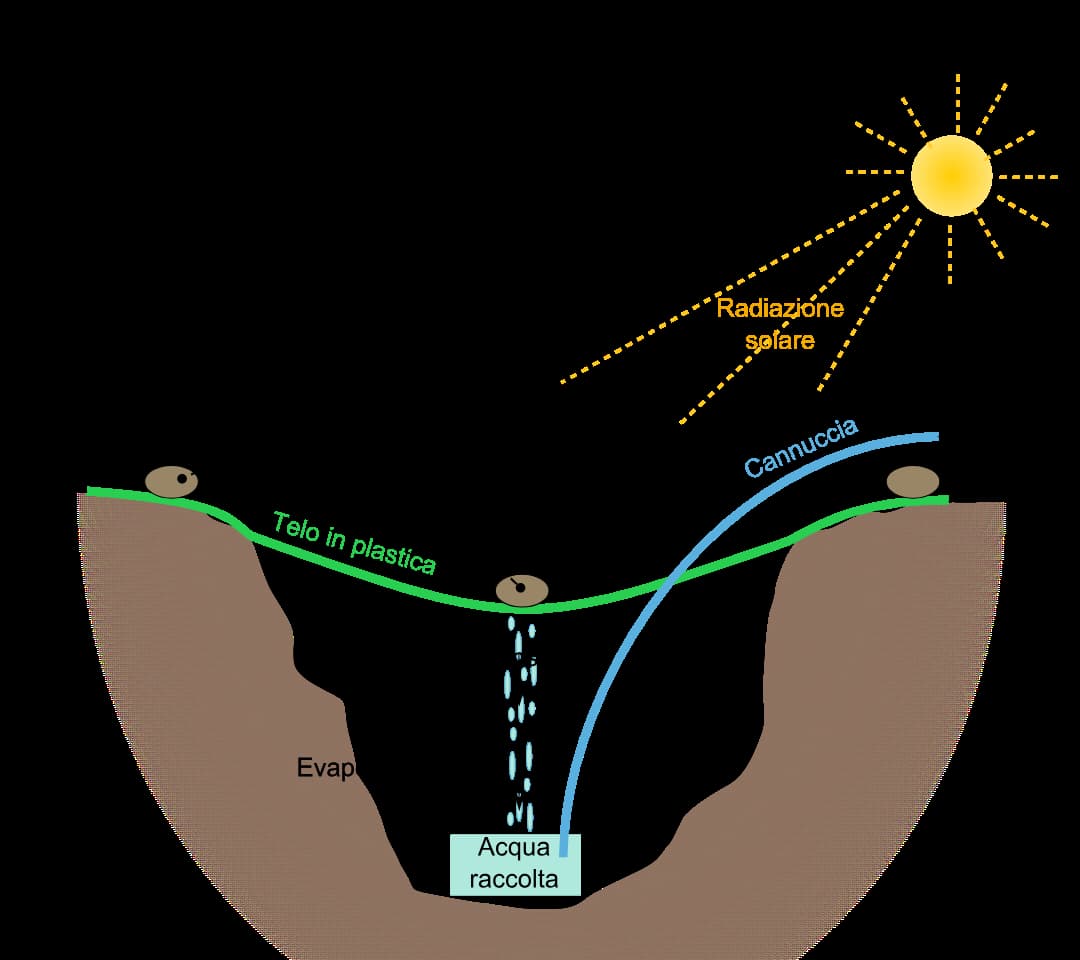
You can purify water using a solar still, a simple tool that uses the sun’s heat to distill water. Dig a shallow hole and place a container in the center to catch water.
Cover the hole with plastic sheeting and secure the edges. Put a small weight in the center so condensation drips into your container.
This method works best with moist soil or vegetation nearby. It’s a useful skill when you have limited supplies but need safe drinking water.
Leave a Reply