
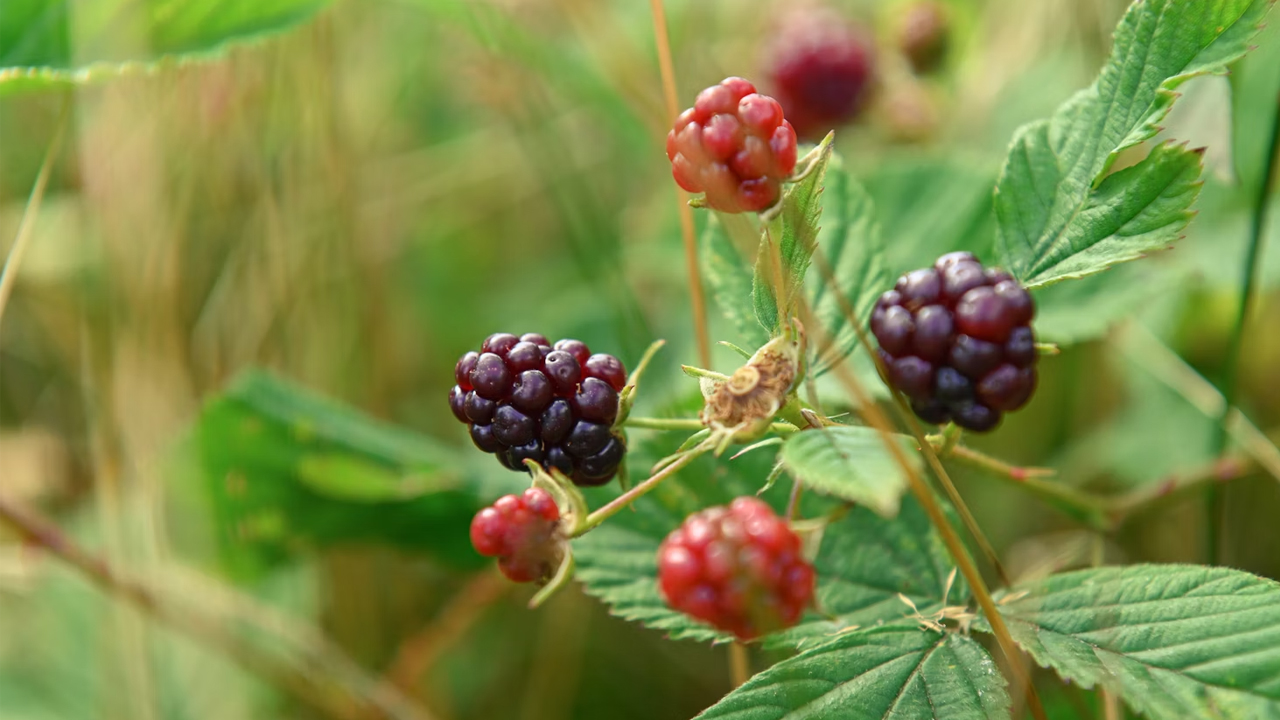
Foraging wild plants can be a rewarding way to connect with nature and find fresh, natural food. However, knowing which plants are safe to eat is crucial to avoid harmful mistakes.
This article will show you 12 simple ways to identify edible plants in the wild, helping you make safer choices during your outdoor adventures. With a little practice, you can become more confident in recognizing plants that are both safe and beneficial.
Use the Universal Edibility Test carefully before eating any wild plant
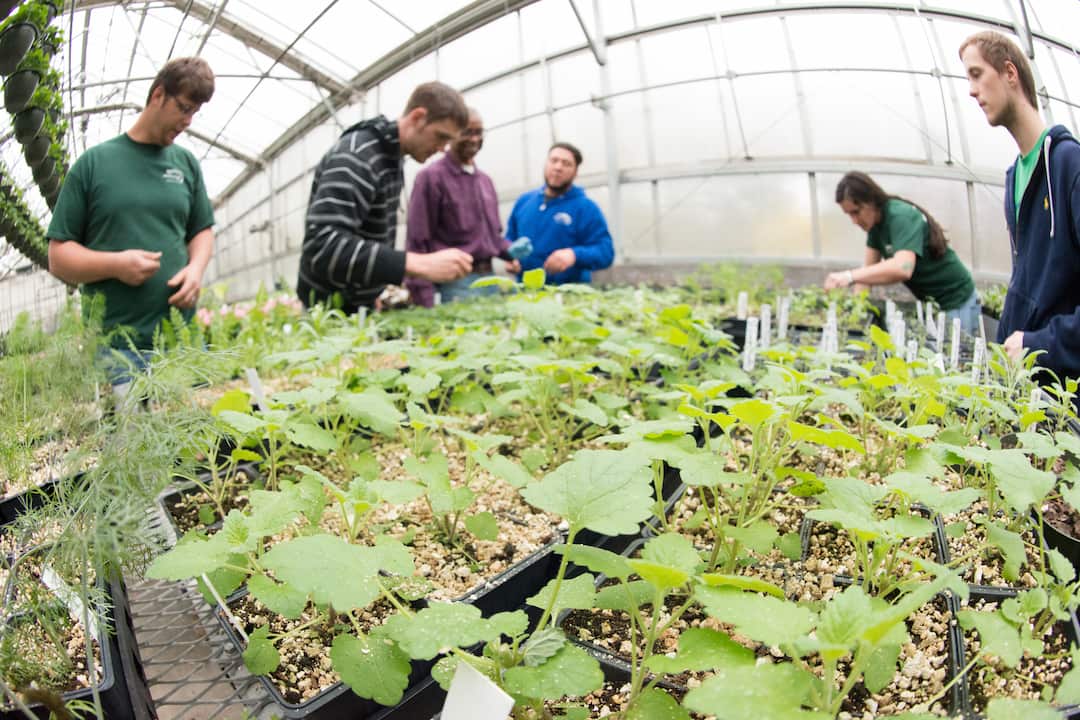
Before you eat a wild plant, the Universal Edibility Test helps reduce risk but doesn’t guarantee safety. Start by separating the plant into parts like leaves, stems, and roots. Test each part one at a time.
Touch a small bit to your lips first. Wait 15 minutes for any reaction. If none appears, try a tiny bite and hold it in your mouth without swallowing. After several minutes without discomfort, swallow and wait a few hours.
Always do this on an empty stomach and drink plenty of water. If you feel any burning, itching, or illness, stop immediately and discard the plant.
Look for plants with garlic or onion smell as a sign of edibility

If you find a plant that smells like garlic or onion when you crush its leaves, it’s often a good sign it’s safe to eat. The scent is strong, distinct, and easy to notice.
Wild garlic and wild onions have this unique aroma. Using your nose can help you confidently identify these edible plants in the wild.
Just be sure to avoid plants that look similar but don’t have that characteristic smell, like lily of the valley, which isn’t edible.
Identify berries with a crown, like blueberries, to spot edible fruit
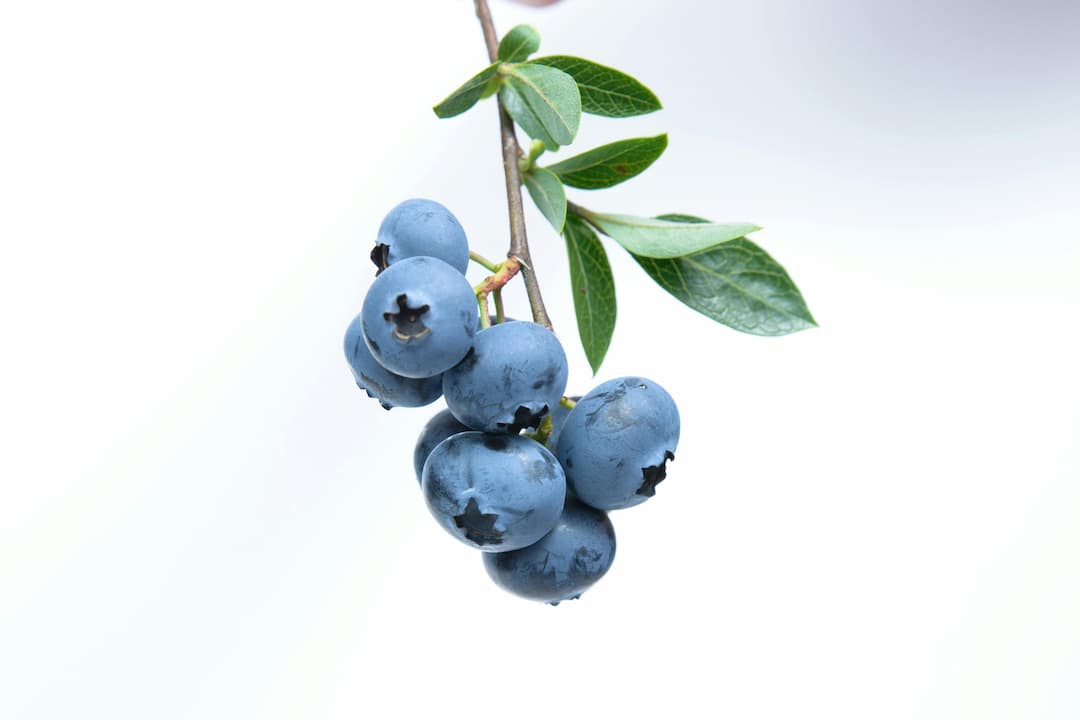
When you find berries with a small crown at their base, like blueberries, you’re likely looking at an edible fruit. These crowns often have about five points and help distinguish safe berries from harmful ones.
Look closely at the berry’s shape and stem. If it has the crown and is round, blue, or dark-colored, it’s probably safe to eat. This is a simple, useful tip for berry identification in the wild.
Carry a local wild edible plant guidebook for reference

Having a guidebook focused on your local area makes identifying edible plants much easier. You can quickly check leaf shape, flower color, and other details to avoid mistakes.
A good guidebook often includes tips on harvesting and preparation, which can be very helpful. It’s a handy tool to carry while exploring, especially if you’re new to foraging.
Use the SEEK app by iNaturalist to identify plants with your phone

You can use the SEEK app by iNaturalist to identify plants quickly. Just take a photo of the plant, and the app uses image recognition to suggest possible matches.
It’s easy to use while you’re out in nature, helping you learn about plants nearby. The app works offline once you download needed data, which is handy for remote areas.
You can also earn badges for spotting different kinds of plants. Keep in mind, the camera quality may affect identification accuracy, especially when zoomed in.
Observe growth patterns and leaf shapes to match edible species

When identifying wild plants, pay close attention to how they grow. For example, some edible plants grow in clusters, while others appear singly. Recognizing these patterns helps you avoid mistaking harmful plants for safe ones.
Look closely at leaf shapes and arrangements. A rosette of leaves, where leaves form a circular pattern near the base, is common in many edible plants. Matching both growth and leaf features increases your chances of identifying edible species accurately.
Touch plant to lips and wait 15 minutes for any irritation

Start by gently touching the plant to your lips. This area is sensitive and can quickly show signs of a reaction.
Wait for about 15 minutes after contact. If you notice burning, itching, or redness, the plant might not be safe to eat.
This simple step helps you avoid harmful plants without swallowing anything. It’s a cautious way to test edibility when you forage.
Harvest leafy greens such as nettle, dandelion, and chickweed
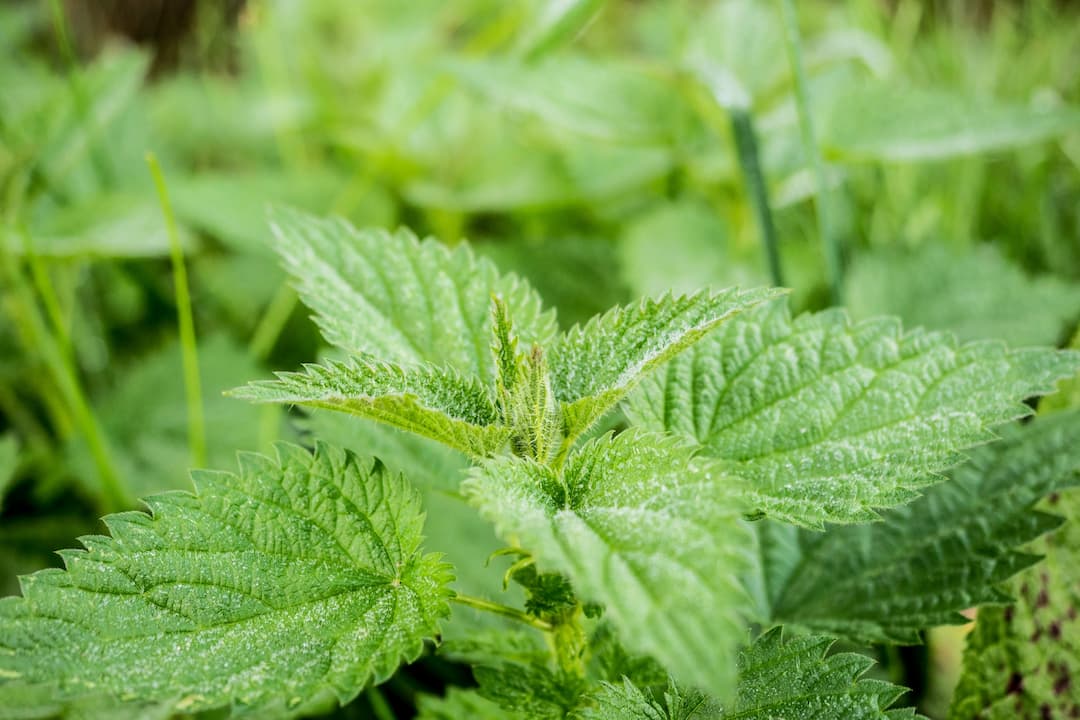
You can start by looking for common edible greens like nettle, dandelion, and chickweed. Nettle may sting at first, so wear gloves when you pick it.
Dandelion leaves are easy to identify and have a slightly bitter taste. They work well in salads or cooked dishes.
Chickweed is mild and tender, growing low to the ground. Try a small amount to confirm you like the flavor before harvesting more.
Avoid plants with white or milky sap as they can be toxic
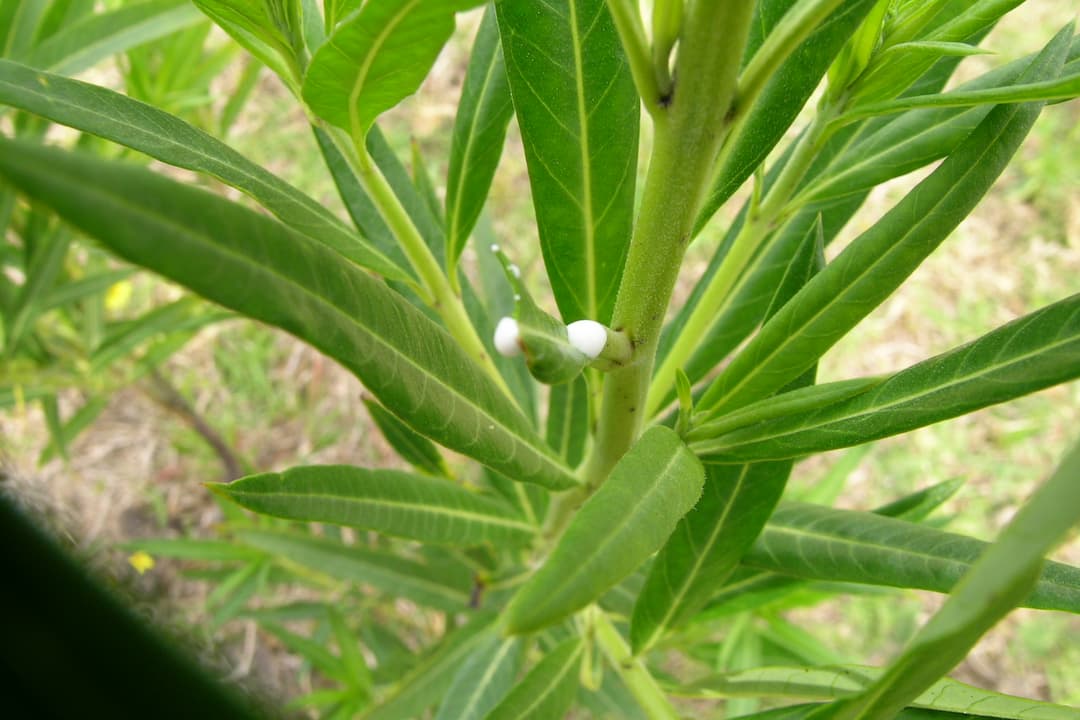
If you see a plant with white or milky sap, it’s best to avoid eating it. This sap often contains substances that can irritate your skin or upset your stomach.
Even if the plant looks harmless, the sap may hide toxins you can’t see. When foraging, trust this as a warning sign to stay safe.
Scan water edges for emergent aquatic plants like cattails
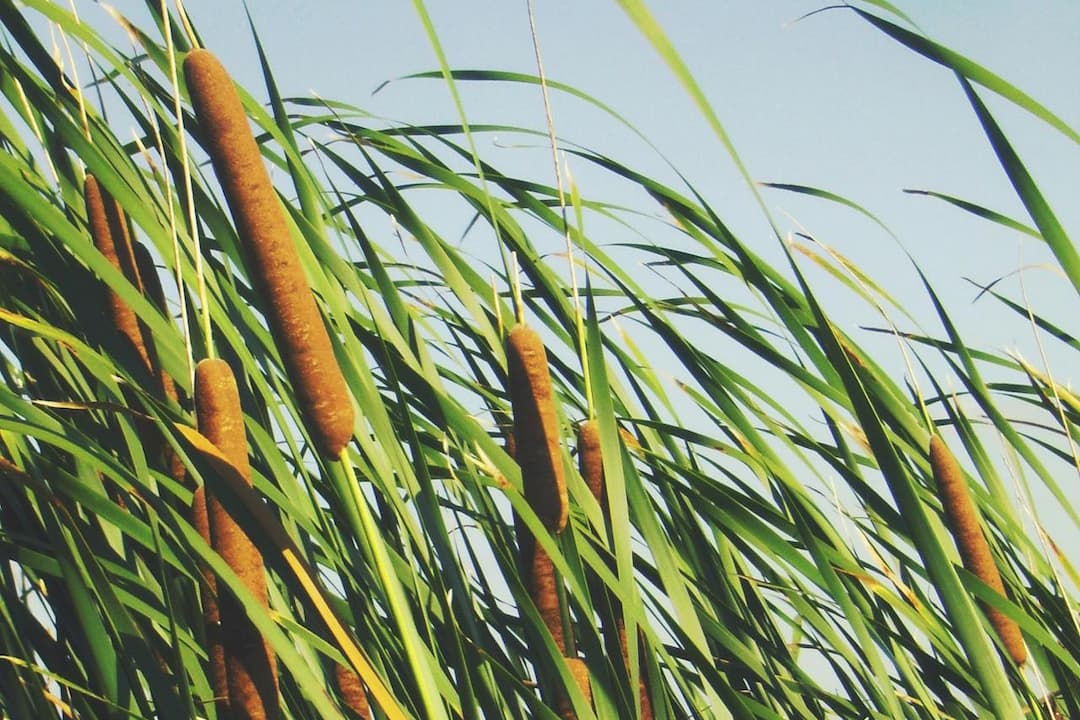
When you explore near water, look closely at the edges where plants grow partly in and partly out of the water. Emergent plants like cattails have stiff stems that stand above the surface.
You can often spot their long, slender leaves and brown, sausage-shaped flower spikes. These plants are common and have edible parts, especially the roots and young shoots.
Checking water edges for these plants can add valuable sources of food while you’re outdoors.
Be cautious of mushrooms; always identify poisonous varieties first
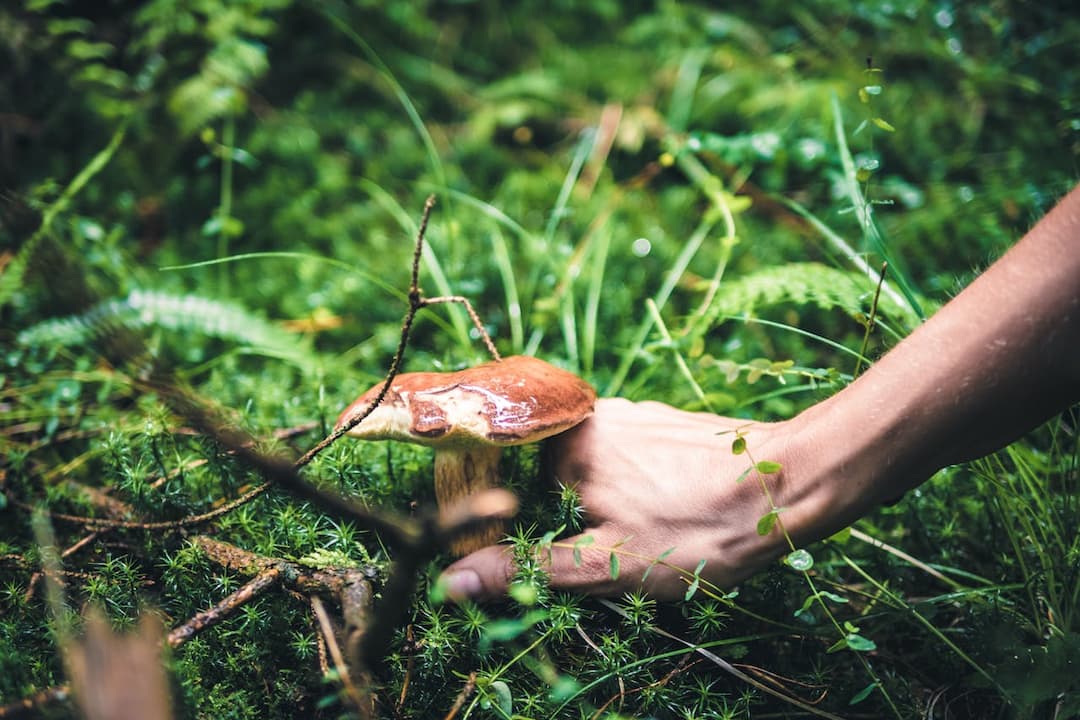
When foraging mushrooms, always focus on identifying poisonous types before picking any. Some toxic mushrooms look very similar to edible ones.
You should never eat a mushroom unless you are certain about its species. Mistakes can cause serious illness.
Look closely at features like cap color, texture, and any spots or scales. If unsure, it’s safest to avoid it altogether.
Look for nuts and starches like acorns or cattail roots

When you’re foraging, nuts like acorns are great because they store well and offer good calories. You’ll often find acorns under oak trees, but they need to be leached to remove bitterness before eating.
Cattail roots are another useful starch source. You can find them in wet areas, and they can be boiled or roasted for a mild, nutty flavor. These plants provide reliable nutrition if you know where and how to gather them safely.
Leave a Reply