
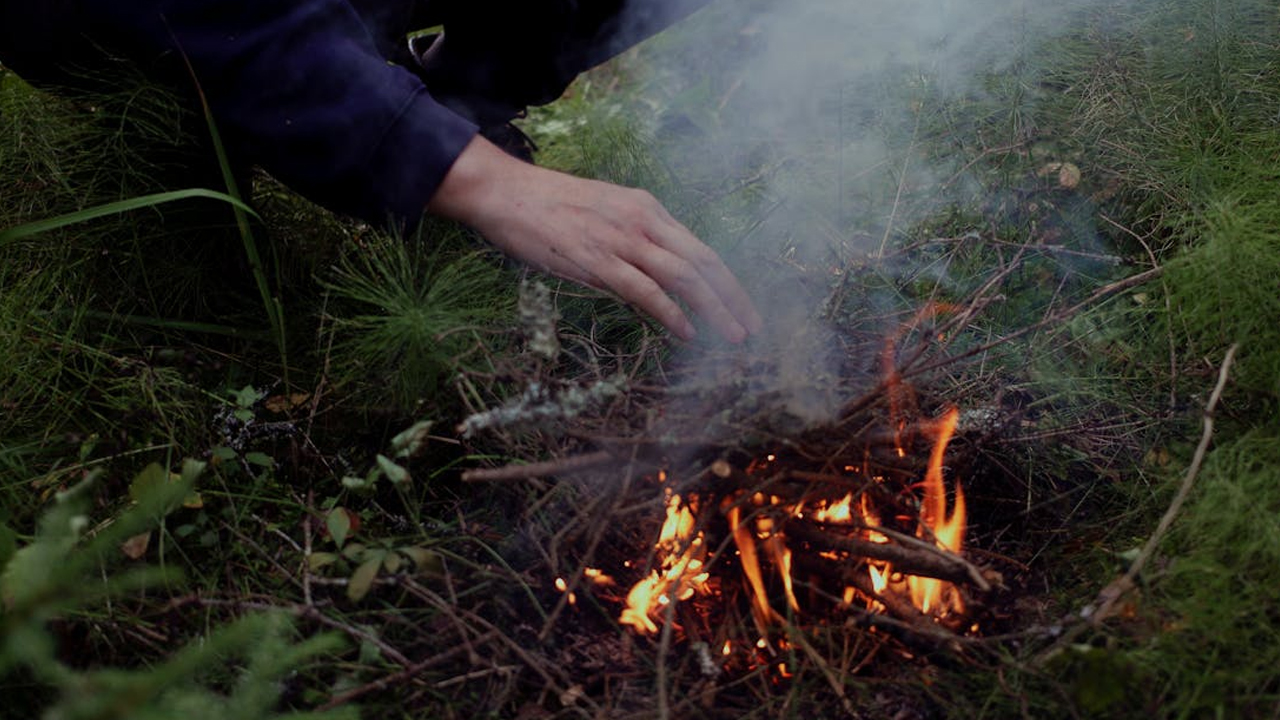
Heading into the woods can be a great way to connect with nature and enjoy some peace away from daily life. However, being prepared with the right survival skills is important to stay safe and handle unexpected situations.
Knowing a few essential survival skills can make a significant difference in how you manage challenges and protect yourself in the wilderness. These skills help you find food and water, build shelter, and stay calm until help arrives.
How to build a sturdy shelter using natural materials

You can make a reliable shelter using branches, leaves, and other natural items around you. Start with a strong framework by leaning sturdy sticks against a central support, like a tree or large branch.
Cover the frame with layers of leaves, pine needles, or grass to block wind and rain. Make sure the base is insulated by piling up dry leaves or moss to keep you warm and dry.
Keep your shelter compact to hold heat better, and build it quickly to stay protected as soon as possible.
Identify and safely forage edible wild plants
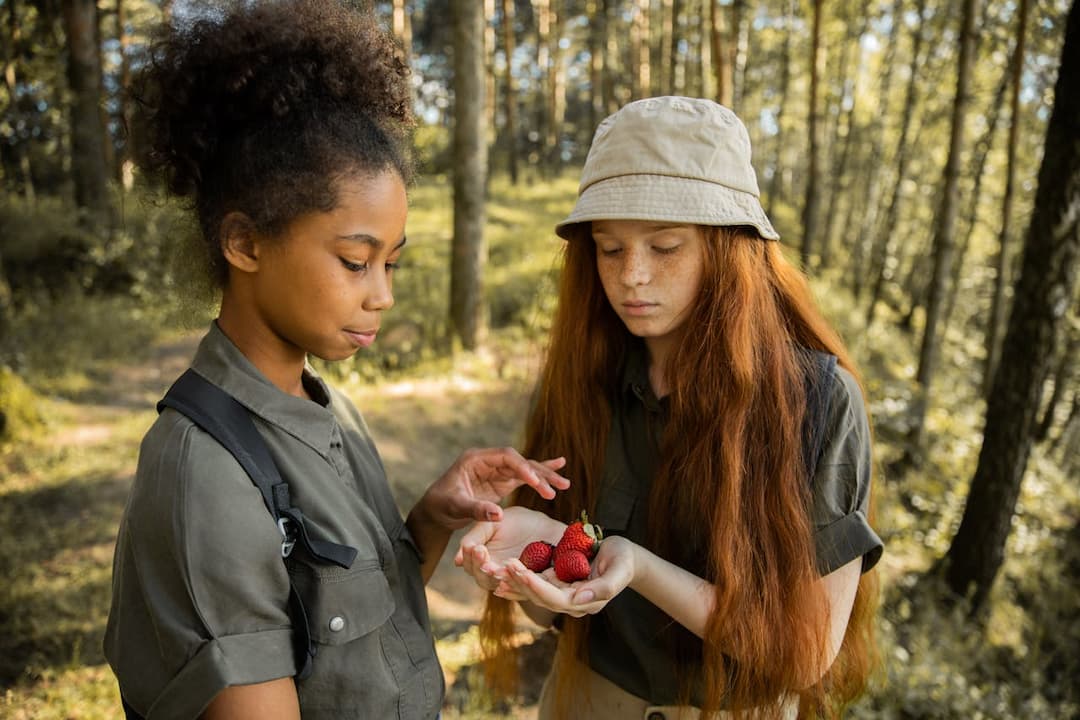
Before you start foraging, learn to recognize a few common edible plants in your area. Only a small percentage of wild plants are safe to eat, so careful identification is key.
Avoid plants that look similar to toxic ones. When in doubt, don’t eat it.
Start with easily identifiable plants like dandelions or wild berries. Always wash what you gather, and cook if necessary to reduce risks.
Master fire-starting techniques, even with wet wood

You can start a fire even if the wood outside is wet. Begin by splitting a log to reach the dry wood inside. Thin strips from the core catch fire more easily than the damp surface.
Using fatwood, which is naturally resinous, helps ignite your fire quickly. Focus on preparing your wood carefully by sawing, batoning, or feathering to create small, dry shavings.
A good lighter or matches matter, but skill in wood processing makes all the difference. With practice, you’ll build a fire in tougher conditions.
Navigate using a compass and natural landmarks
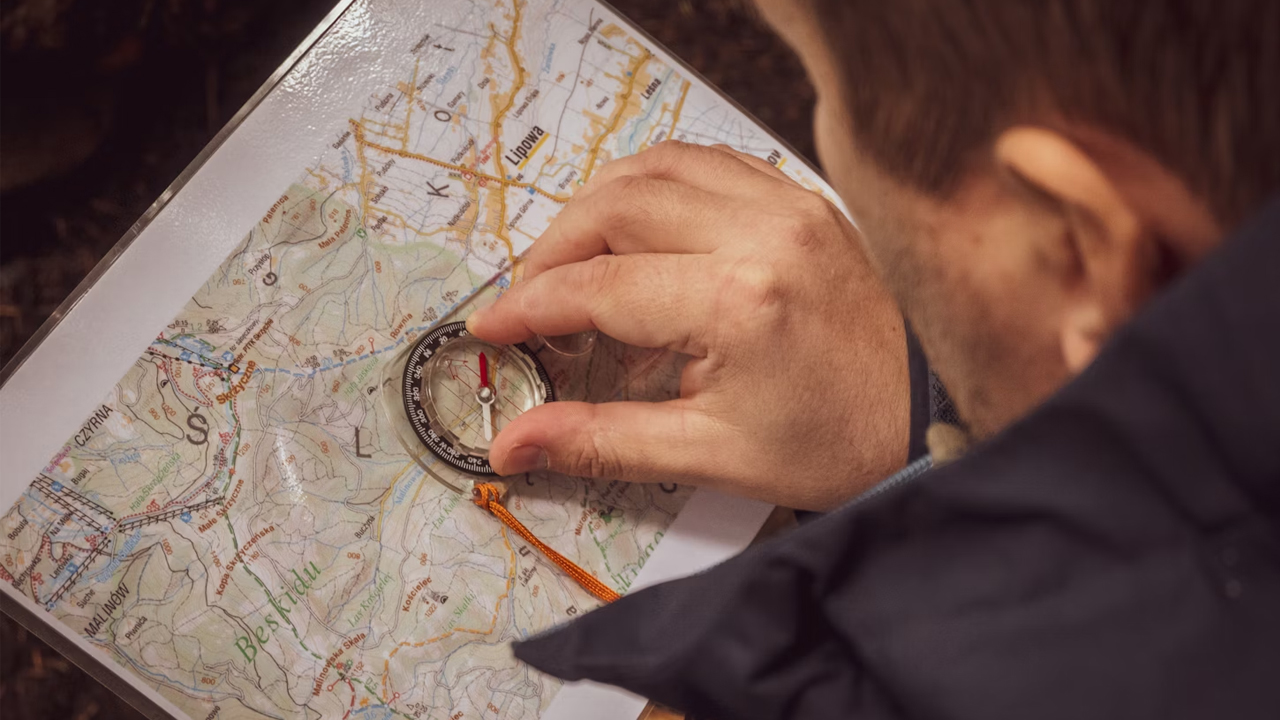
You should learn how to use a compass alongside a map. This skill helps you find directions even when your GPS fails.
Look for natural landmarks like rivers, mountains, or unique trees to guide your way. They are reliable reference points.
Practice taking bearings with your compass and compare them to landmarks. This will build your confidence in navigating the wild safely.
Locate and purify water from natural sources

You should first look for signs of water like green vegetation, animal tracks, or low areas where water might collect. Freshwater streams, rivers, and rainwater are good sources.
To make water safe, boil it for at least one minute to kill germs. If boiling isn’t possible, use water purification tablets or portable filters.
Collect condensation from leaves or dig a small hole to find moist soil, then use evaporation methods. Clean water is essential, so take time to purify before drinking.
Practice basic wilderness first aid skills

You should know how to treat common injuries like cuts, blisters, and burns. Carrying a small first aid kit is important to handle minor wounds and prevent infection.
Learning how to properly clean and dress wounds can reduce pain and speed healing. It also helps avoid complications, especially far from medical help.
Familiarize yourself with basic techniques such as splinting a broken bone or managing shock. These skills can make a big difference if someone in your group needs urgent care.
Understand proper hygiene to prevent illness
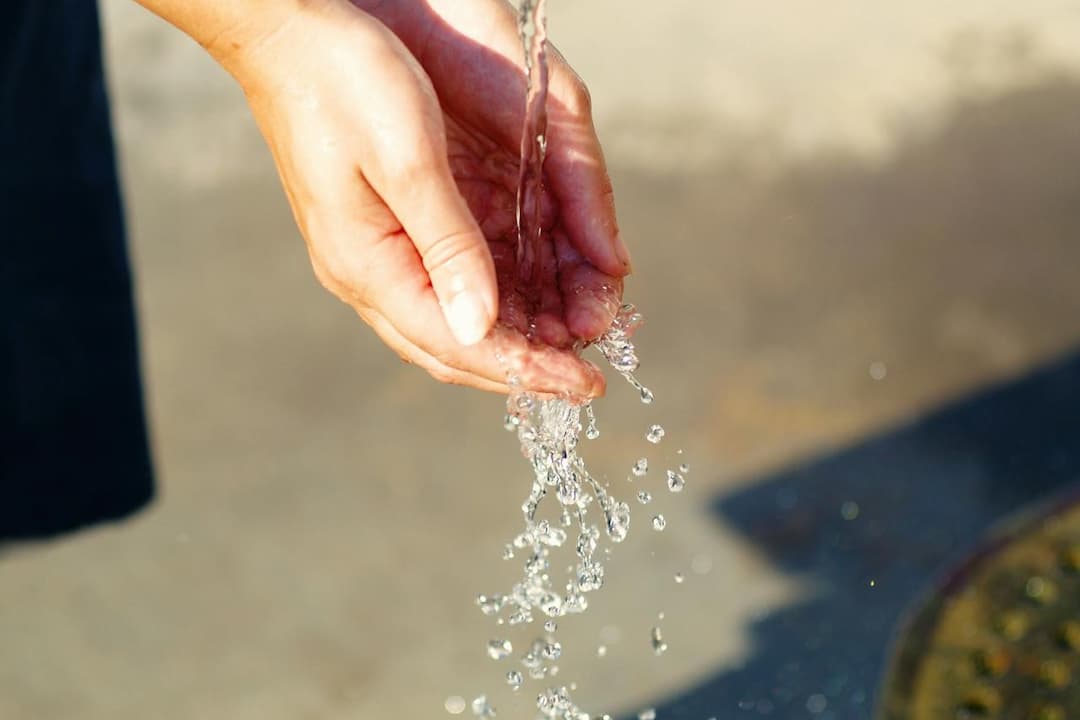
When you’re in the woods, keeping clean helps you avoid sickness. Wash your hands regularly, especially before eating or handling food.
Be careful with food storage and cooking. Protect your meals from insects and animals, and always cook food thoroughly.
Proper toilet habits are important too. Follow group protocols and keep waste away from water sources to stop germs from spreading.
Signal for help using mirrors, whistles, or fires
You can use a mirror to flash sunlight toward rescuers. Aim your flashes in groups of three, the international distress signal.
A whistle is a simple tool that carries sound farther than your voice. Blow three short blasts to attract attention.
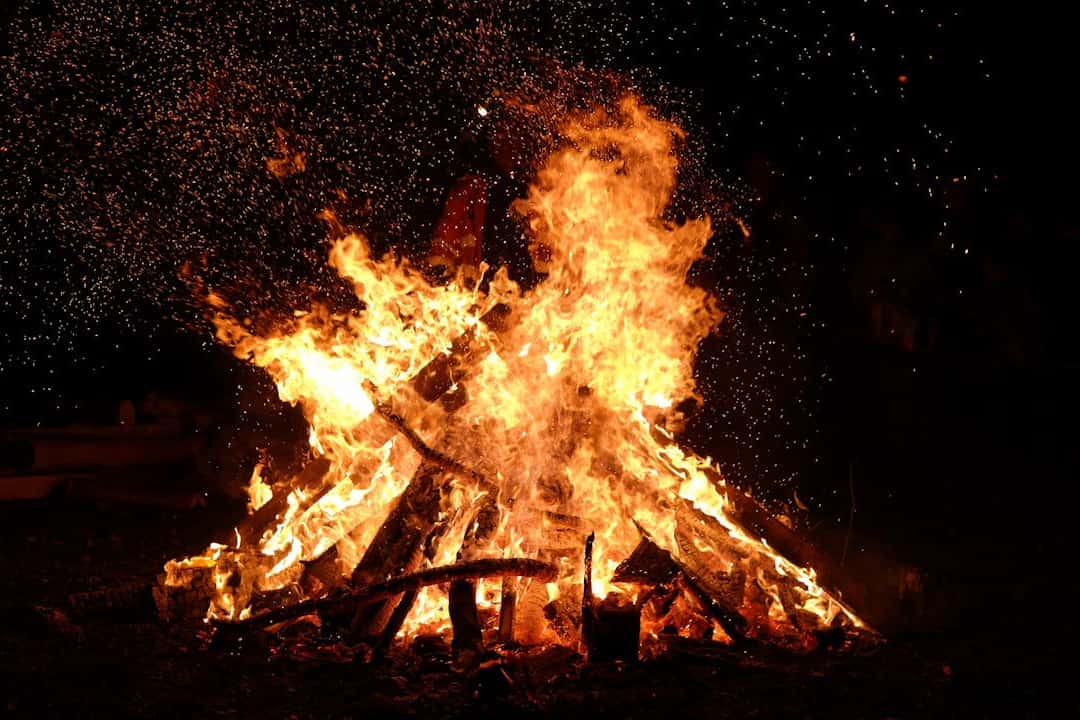
If you build a fire, use green leaves to create thick smoke. Three separate fires in a triangle shape also signal for help effectively.
Conserve energy by resting and staying warm

When you’re lost or stranded, resting is one of the best ways to save your strength. Avoid unnecessary movement to keep your energy for essential tasks.
Keeping warm is equally important. Use whatever you have—like an emergency blanket or extra clothing—to maintain body heat.
Staying warm helps prevent hypothermia and keeps you alert. Finding or creating shelter can also protect you from wind and rain, conserving your warmth.
Set up animal-proof food storage
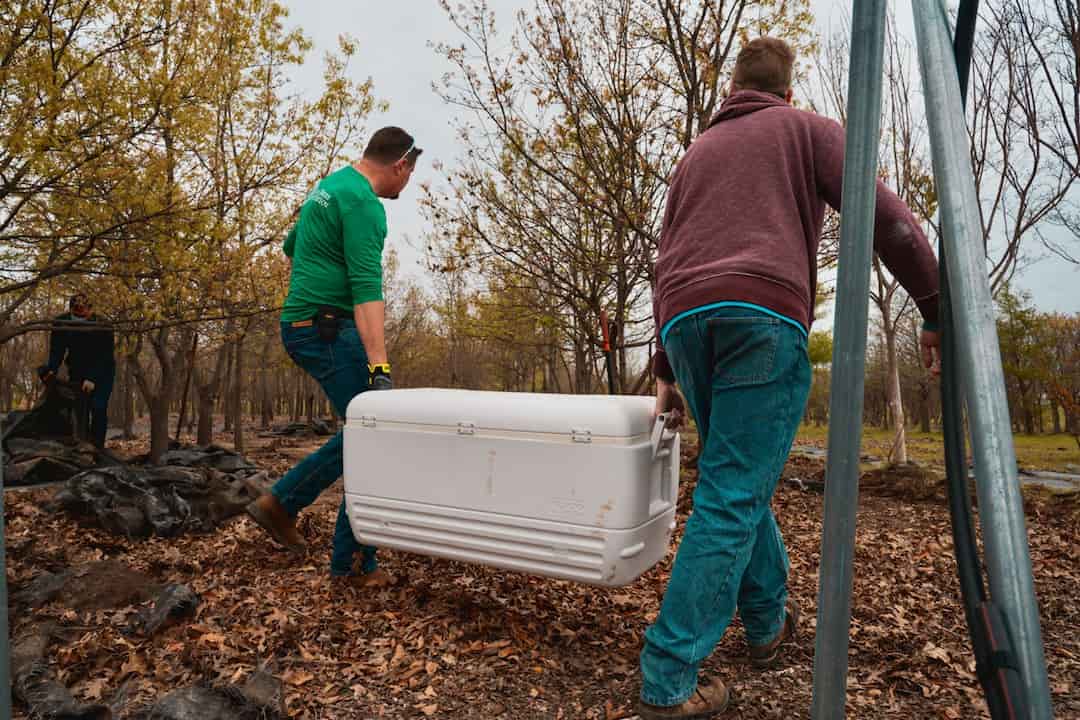
You need to store your food safely to keep animals away from your campsite. Use bear canisters or hang your food high in a tree, at least 10 feet off the ground and 4 feet from the trunk.
Make sure your storage container is sealed tightly to prevent smells from attracting wildlife. Check your setup often to ensure it stays secure during your trip.
Leave a Reply