

When you hit the trails, knowing how to behave helps everyone enjoy the outdoors safely and respectfully. Trail etiquette isn’t just about being polite—it’s about protecting nature and making sure everyone has a good experience.
These 13 trail etiquette rules will guide you on how to act responsibly and respectfully while hiking. Following them helps keep trails clean, wildlife safe, and fellow hikers happy.
Leave no trace—pack out all trash and waste

When you’re on the trail, make sure to carry out everything you bring in. This includes trash, leftover food, and even items like empty fuel canisters.
If you spot trash left by others, consider picking it up. It helps keep the trail clean and enjoyable for everyone.
Leaving the area as you found it protects nature and wildlife. Your small effort makes a big difference over time.
Keep to the trail—avoid creating new paths

You should always stick to the established trail when hiking. Wandering off the path can damage plants and disturb wildlife habitats.
Creating new paths leads to erosion and soil degradation. It also makes the area harder to navigate for other hikers.
By staying on the trail, you help preserve the natural environment and keep the hiking experience enjoyable for everyone. Your small effort makes a big difference.
Yield uphill to hikers going up
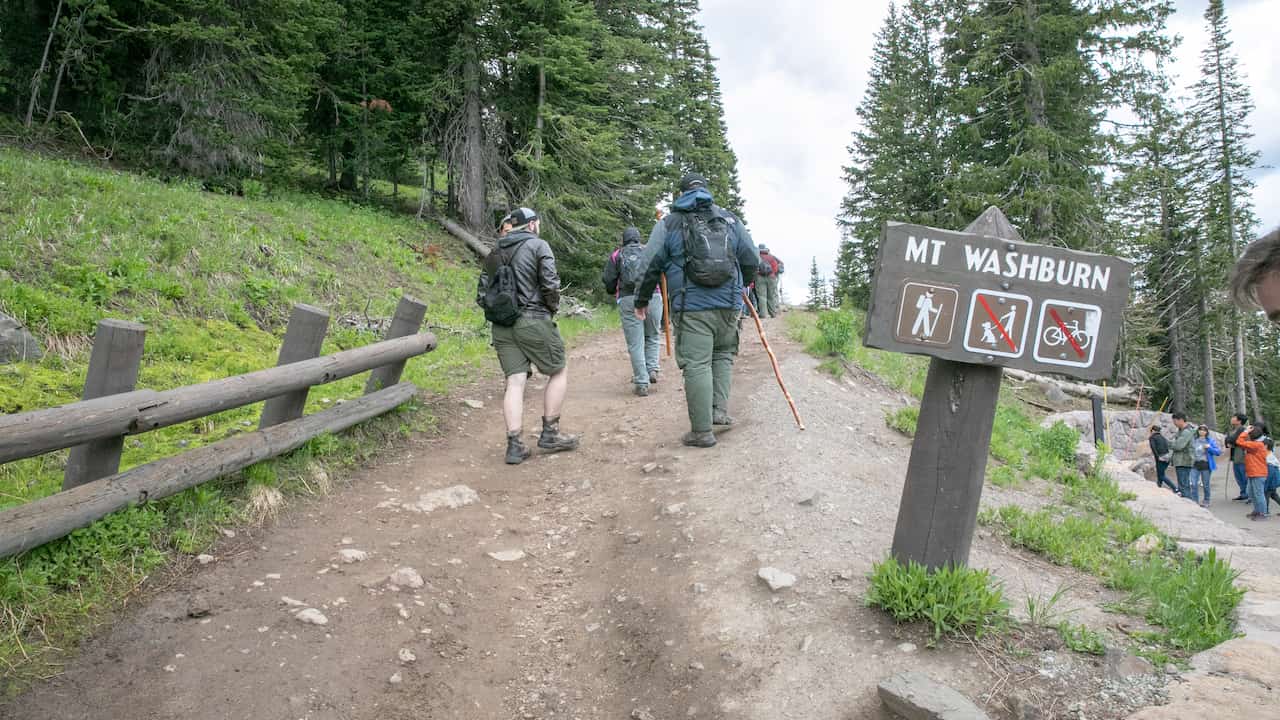
When you meet someone hiking uphill, it’s courteous to step aside and let them pass first. Going uphill takes more effort and momentum, so stopping can be tough for them.
If you’re heading downhill, try to find a wide spot to pause and give space. This small act helps keep everyone moving smoothly and safely.
Step aside on slopes to let others pass
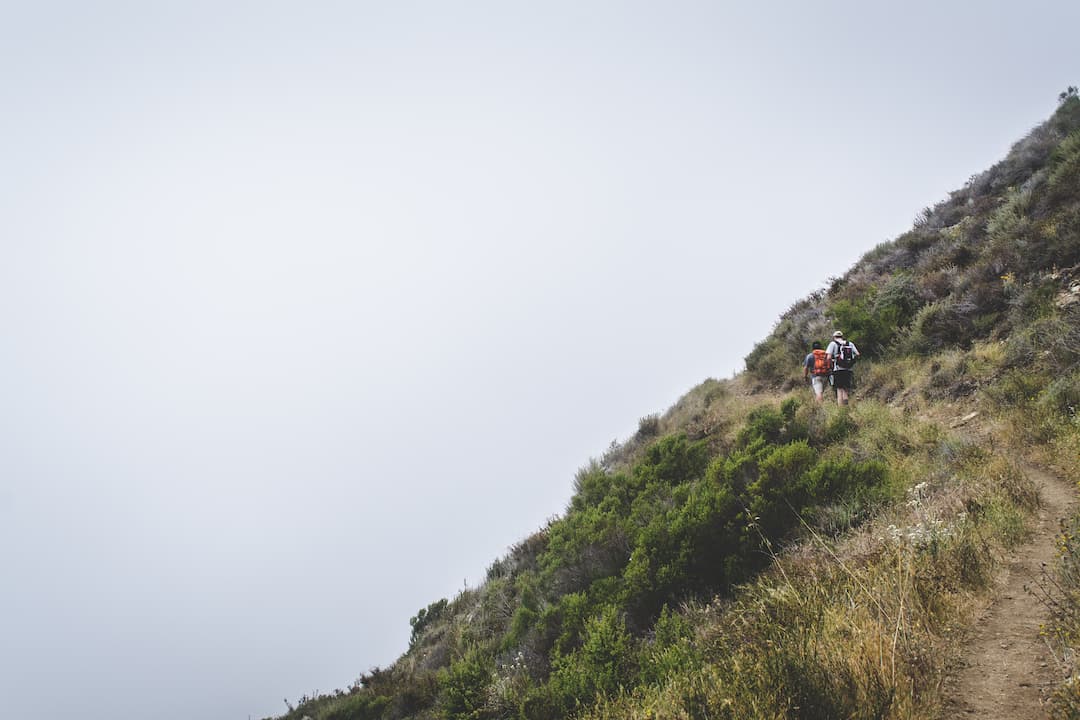
When you’re hiking on a slope, it’s best to step aside and give others room to pass safely. Slopes can be tricky, so making space helps prevent accidents.
If someone is coming uphill, try to move to a wider or flatter spot if you can. Being courteous in these moments keeps the trail safe and enjoyable for everyone.
Don’t block the trail—walk single file when crowded
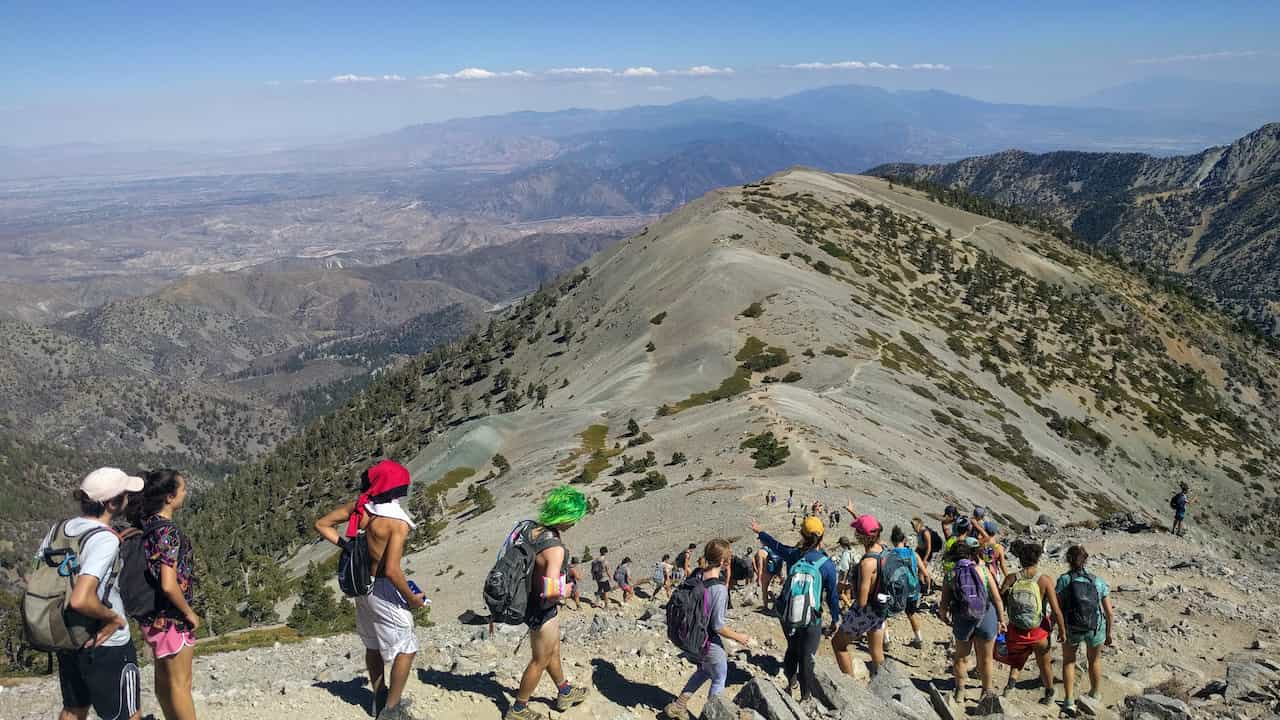
When the trail gets busy, make sure you walk single file. This keeps the path clear and allows others to pass easily.
Try to stay on one side of the trail and avoid taking up more than half the space. It helps everyone move smoothly without stepping off the trail.
If you’re in a group, keep close together in a line to minimize your impact and create space for others.
Respect wildlife—observe from a distance

When you’re on the trail, it’s important to give animals plenty of space. Watching wildlife from afar helps keep both you and them safe.
Avoid approaching or feeding animals. Feeding can harm their health and change their natural behavior.
Keep your pets controlled or leave them at home to prevent disturbing wildlife. Remember, the best way to enjoy nature is respectfully.
Let cairns be—don’t move trail markers
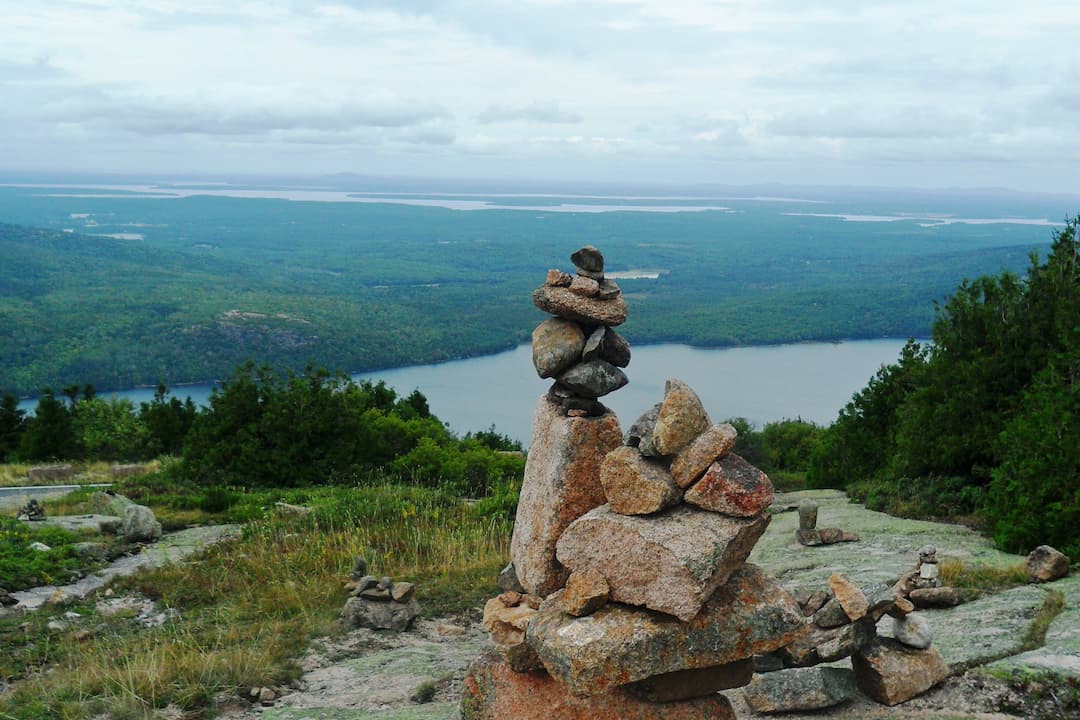
When you see cairns on the trail, it’s best to leave them exactly as they are. These rock piles help hikers find their way in tricky spots.
Moving or building new cairns can confuse others and damage the natural environment. Trust the markers you find, and avoid adding or rearranging them during your hike.
Keep noise low to preserve nature’s peace

When you’re on the trail, try to keep your voice and sounds quiet. This helps everyone enjoy the natural calm and hear the wildlife around them.
If you want to listen to music, use headphones instead of speakers. Let nature’s sounds be the main background during your hike.
Respect others by avoiding loud talking or noises, especially when passing by. Quiet trails make for a better experience for everyone.
Clean up after pets and keep them leashed
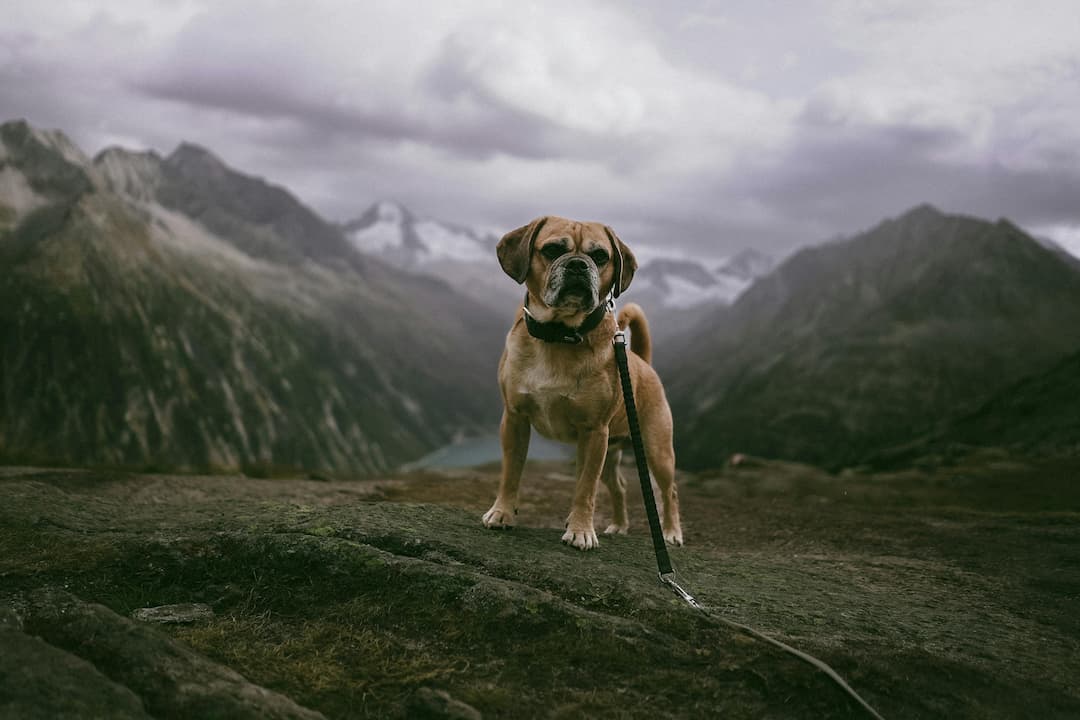
Always keep your dog on a leash while hiking. This helps control your pet and respects other hikers who may be uncomfortable or distracted by unleashed dogs.
Make sure to clean up after your pet. Carry waste bags and dispose of them properly to keep the trail clean and safe for everyone. Being responsible helps preserve the natural environment.
Avoid taking breaks in narrow trail sections
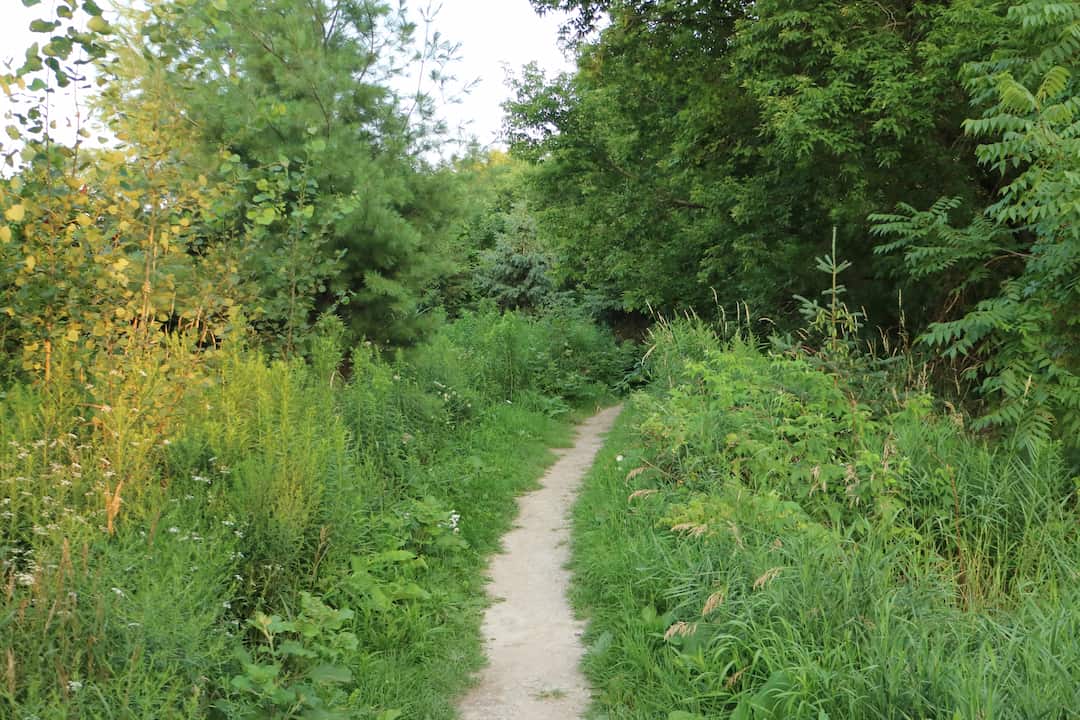
When you stop on a narrow trail, it can block others from passing easily. This might cause frustration or force hikers to step off the path, which can harm the environment.
Look for wider spots or clearings to take your breaks. This helps keep the trail flowing smoothly and is respectful to everyone using it.
If you need to pause briefly, try to stay as close to the edge as possible without damaging plants or soil. This small effort goes a long way in trail etiquette.
Use established rest spots to prevent erosion
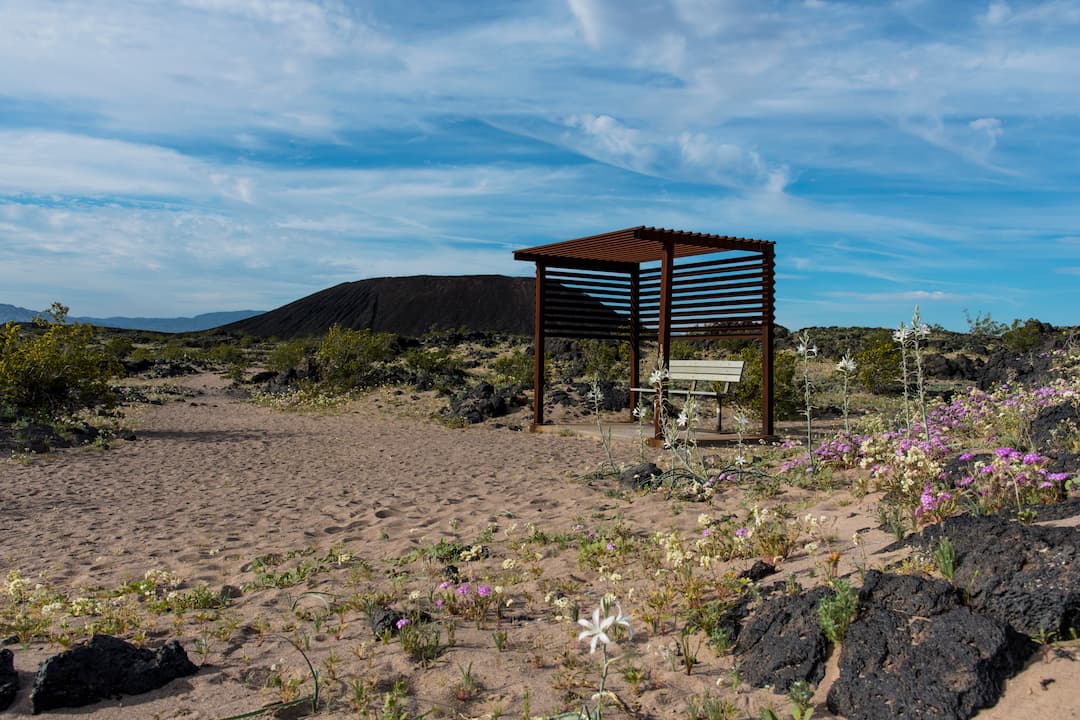
When you take breaks, use designated rest spots instead of creating new areas. This helps protect the fragile soil and nearby vegetation.
Sticking to established spots keeps the trail healthy and enjoyable for everyone.
Avoid sitting or standing off the path, as repeated foot traffic there can cause erosion and damage.
Using these spots shows respect for the environment and helps maintain the trail’s condition over time.
Slow down and watch your footing on corners
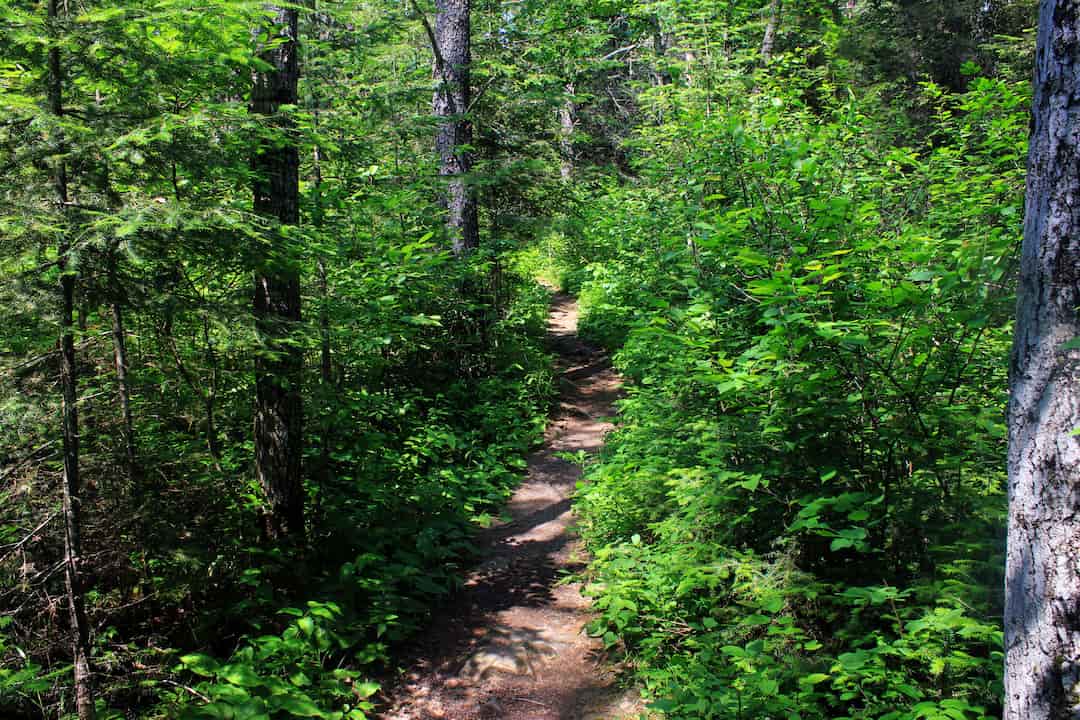
When you reach a corner on the trail, slow your pace to stay in control. Corners can hide obstacles like roots or rocks that are easy to miss if you move too quickly.
Pay close attention to where you step to avoid slipping or tripping. Taking your time helps keep you safe and makes it easier to share the trail with others.
Avoid hiking on muddy trails to protect soil
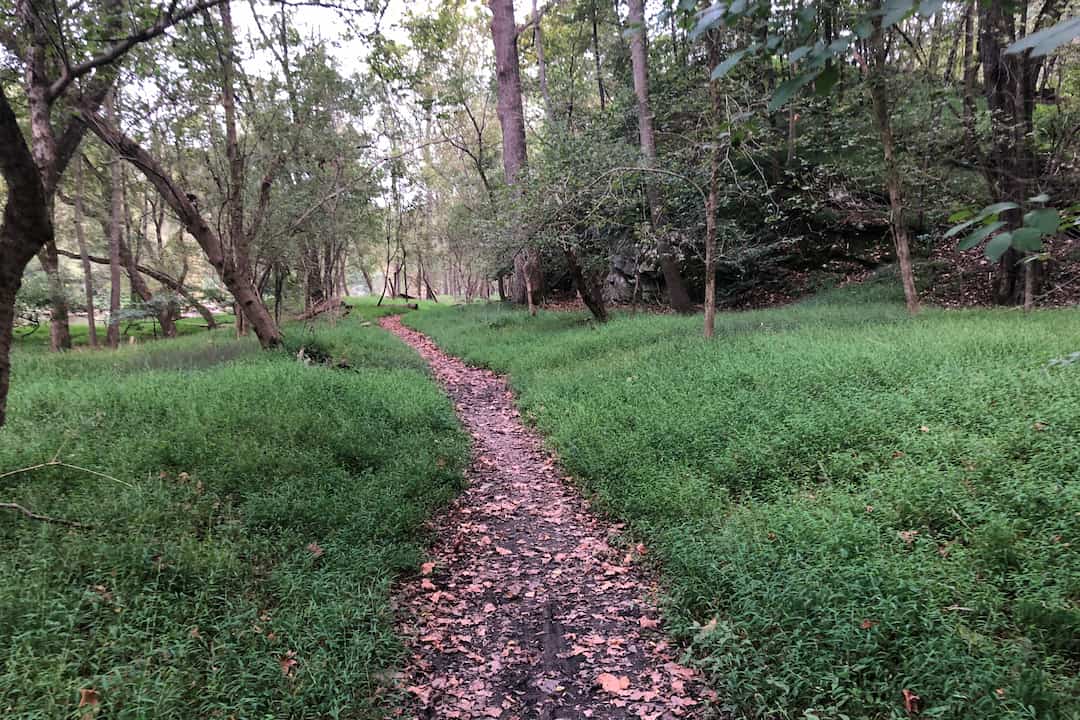
When a trail is muddy, it’s best to turn back or choose a different path. Walking on wet soil can cause lasting damage by widening the trail and making erosion worse.
By avoiding muddy sections, you help keep the trail safe and enjoyable for everyone. Your care supports healthy soil and plant life along the way.
Leave a Reply